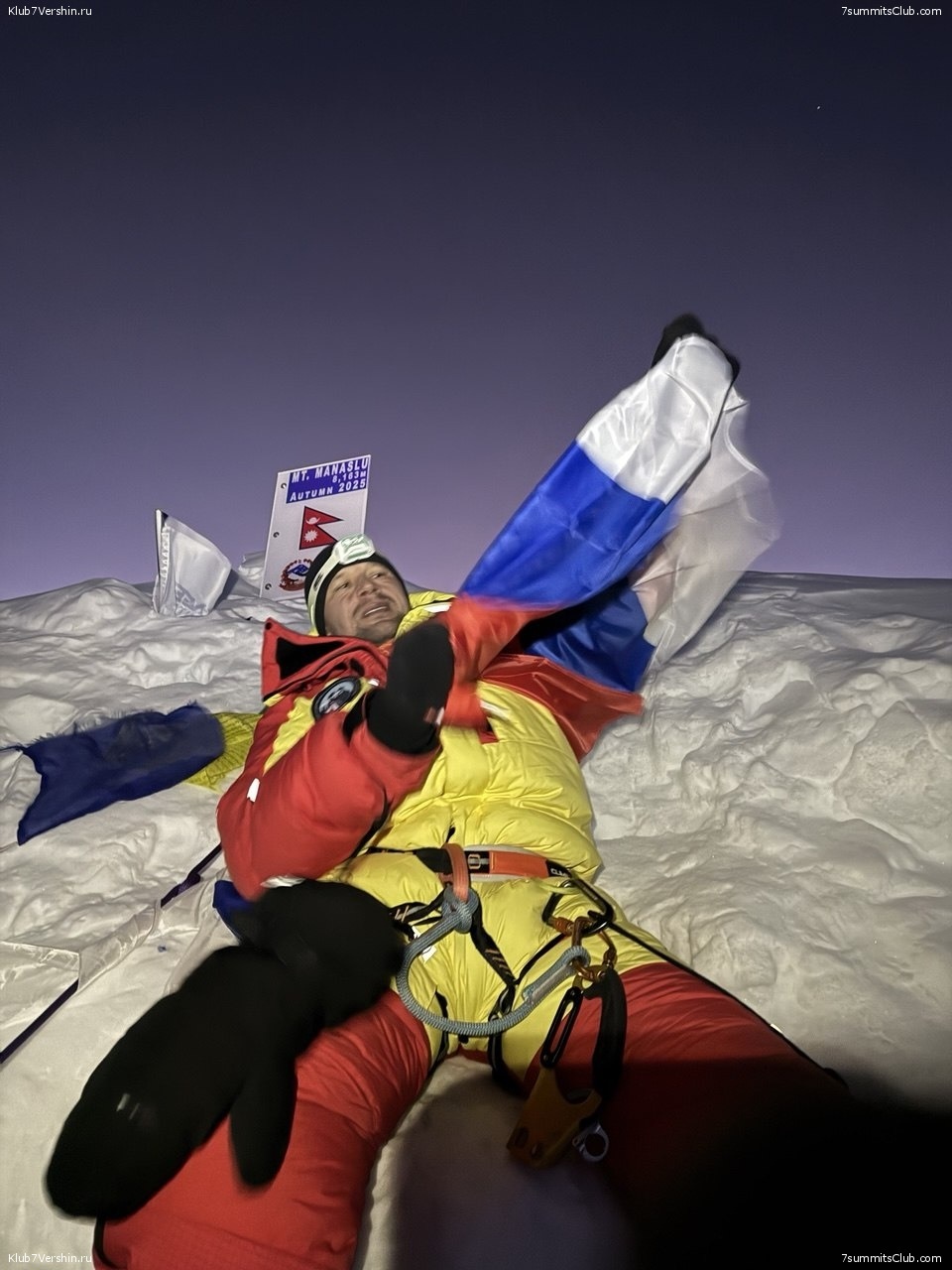
Dmitry Pilshchikov. Manaslu in 5 Days: An Experience Not to Be Romanticized
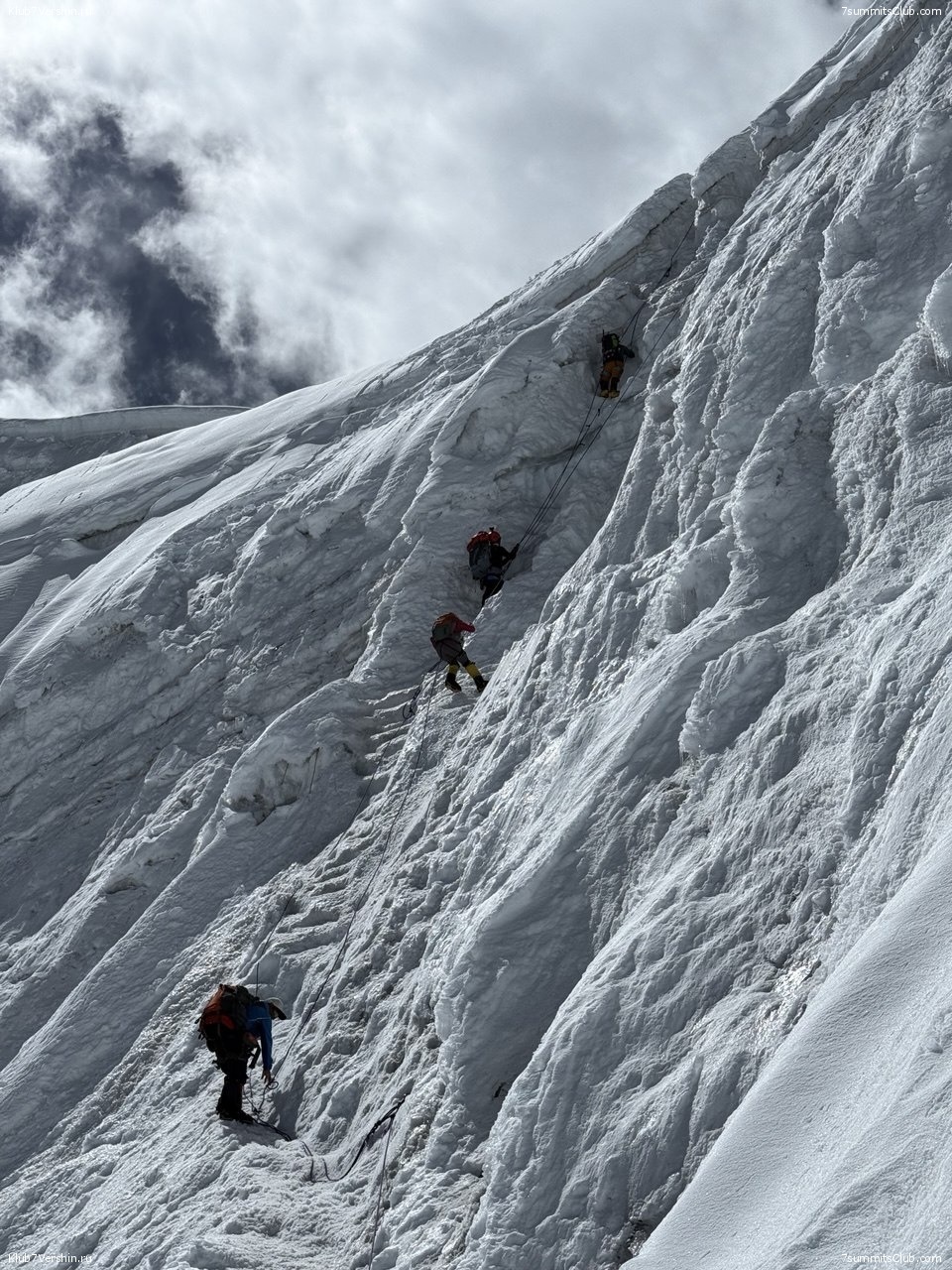
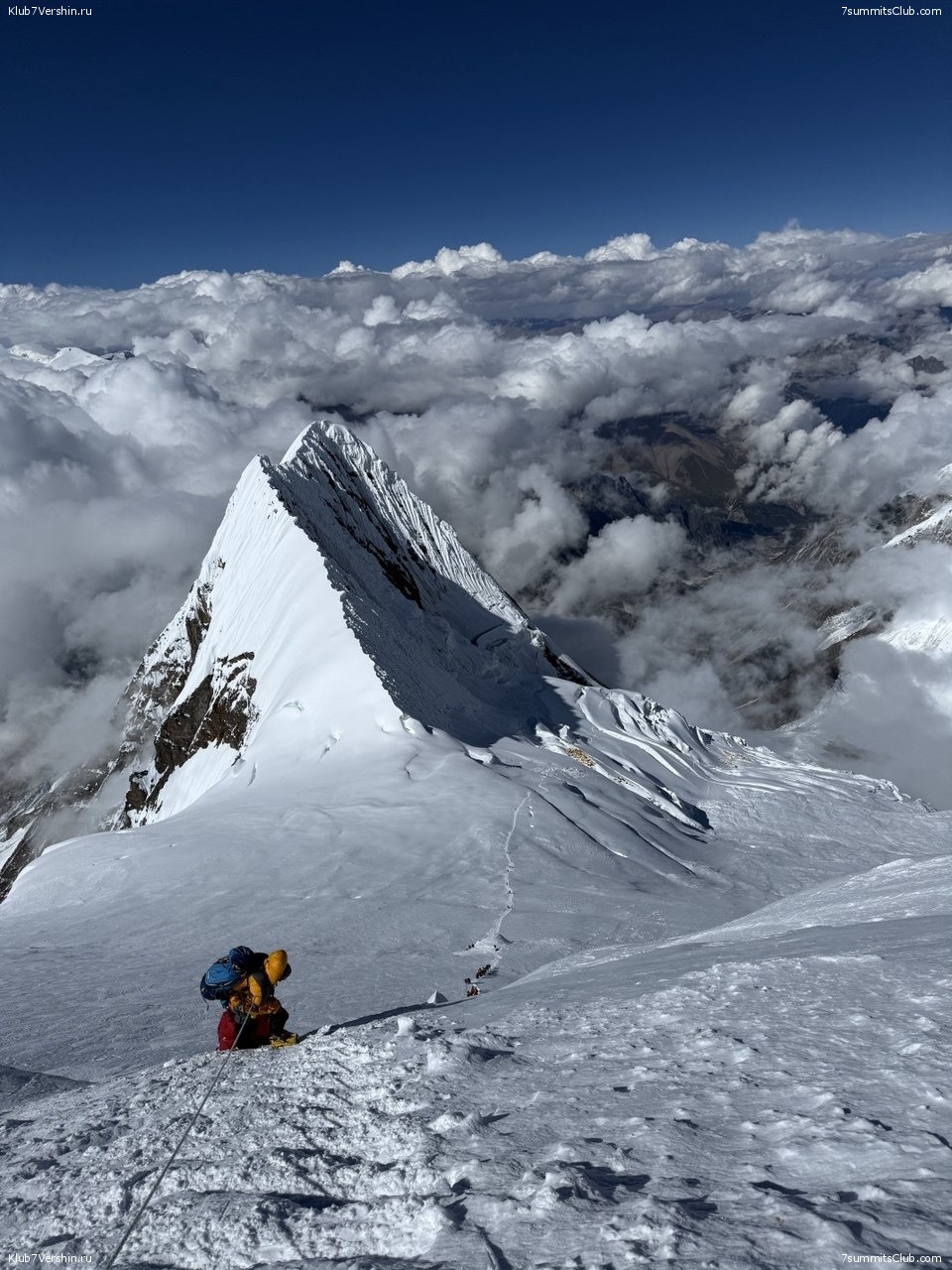
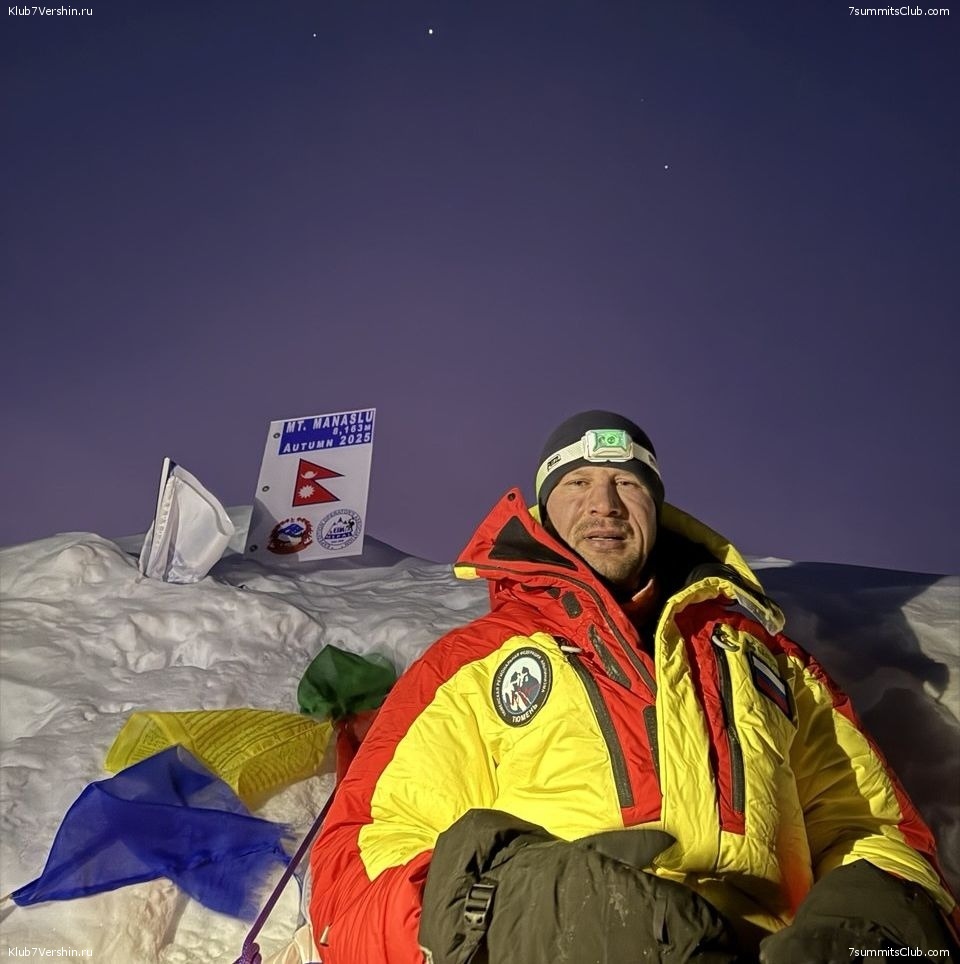
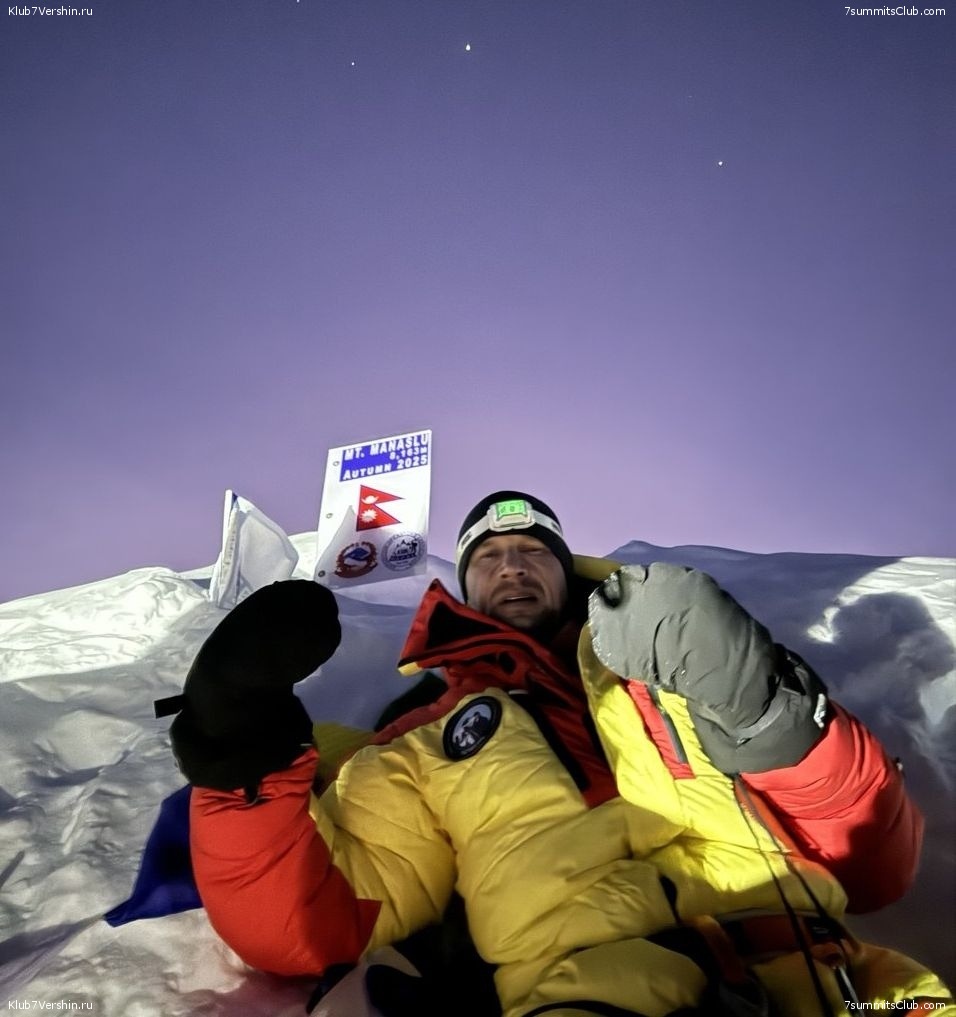
I arrived at Manaslu Base Camp on September 20th. On the 22nd, I started, reached the summit at 5 a.m. on the 25th, and returned to Base Camp that evening.
The expedition took five days instead of the planned 25. I wasn't chasing speed—it just happened that way.
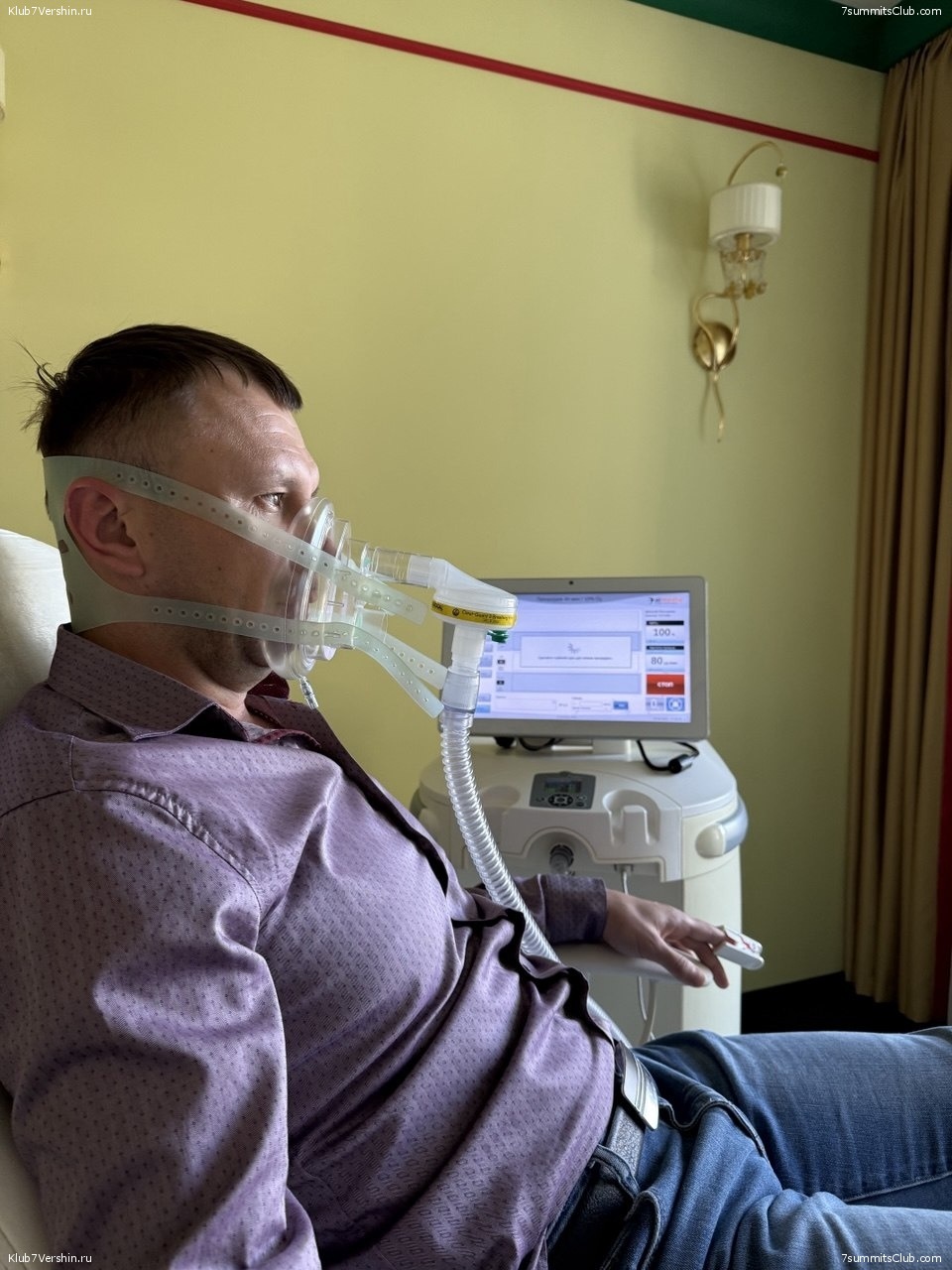
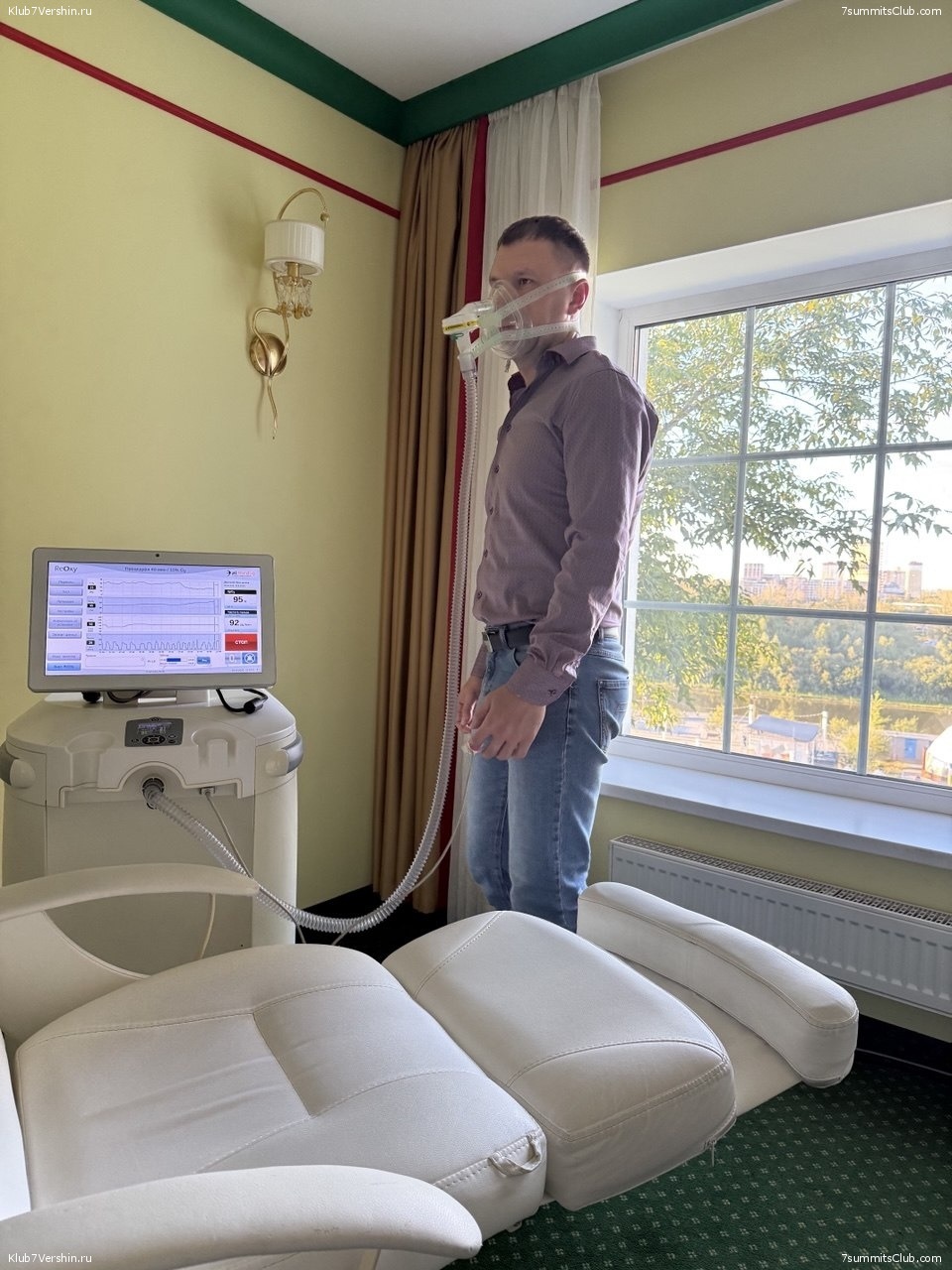
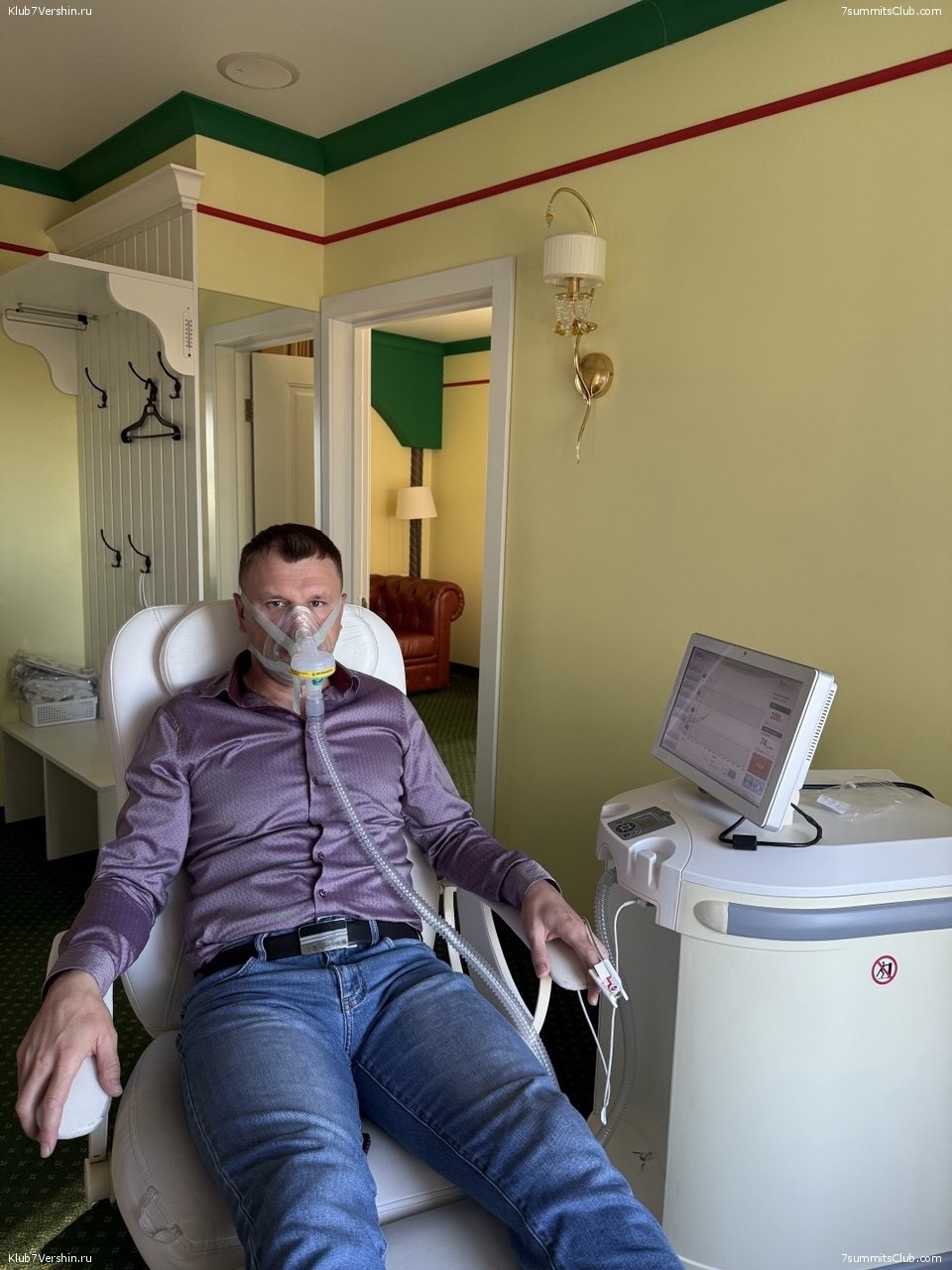
Lukas Furtenbach (his team made the first "xenon ascent" of Everest in the spring) even congratulated Abramov on "being the first Russian xenon ascent"—me. I did undergo a short xenon therapy course, but I didn't feel any "extra boost." Not because xenon is bad. But because I set out on an eight-thousander without acclimatization and without training specifically for the speed format. I summited and descended—but at what cost, that's another story.
I'll share a few conclusions.
1. Speed for the sake of speed is a dubious goal.
Yes, 25-30 days in the mountains is too much. People have time to burn out, get sick, or lose motivation. But the "arrived in three days, didn't really see anything, but spent two months preparing" scenario isn't mountaineering, it's a competitive race.
A healthy format for the future is 10-15-20 days. This is enough time to:
• switch from city life,
• rest your mind,
• communicate with people,
• experience the mountain, not just check in.
An expedition isn't just about the summit. It's about the process, the atmosphere, rest, adaptation, and experience. Sacrificing all this for a pretty number is foolish.
2. The shorter the expedition, the higher the cost of failure.
The classic format has a safety margin. You can arrive with a runny nose, lack of sleep, and a busy schedule—and gradually adjust. Recover, complete your treatment, reset your biorhythms, and get into the rhythm of the mountains.
With the speed option, there's no such leeway. You either arrive already "cleansed" of the city noise, or you're overcome along the route. This is especially true for entrepreneurs and managers—the body is preoccupied not with the mountains, but with thoughts of tasks and problems.
3. A true speed climb is expensive and energy-consuming.
If someone thinks they can simply "run an eight-thousander," they're mistaken. To climb quickly and safely, you need:
• 1.5–2 months in a hypoxic tent,
• regular consultations with doctors,
• hypoxic training at specialized centers,
• xenon (expensive and not yet fully understood),
• adjusting your sleep, nutrition, and recovery schedule.
For a busy person, this is disruptive and requires a serious budget and a significant investment of time. It's not something you can "do in between times."
4. How it really happened for me.
I went without acclimatization. I climbed "on pure willpower." And it was probably the most difficult experience of my life—and I've had my share of challenges.
Everything suffered:
• my body,
• my muscles,
• my internal organs,
• my psyche.
I thought about all the unpleasant things, felt fear, anger, and doubt. The pain didn't go away even after the descent. This isn't romanticism, it's not heroism—it's the price for being unprepared.
You definitely shouldn't do this!
5. Oxygen: the main conclusion.
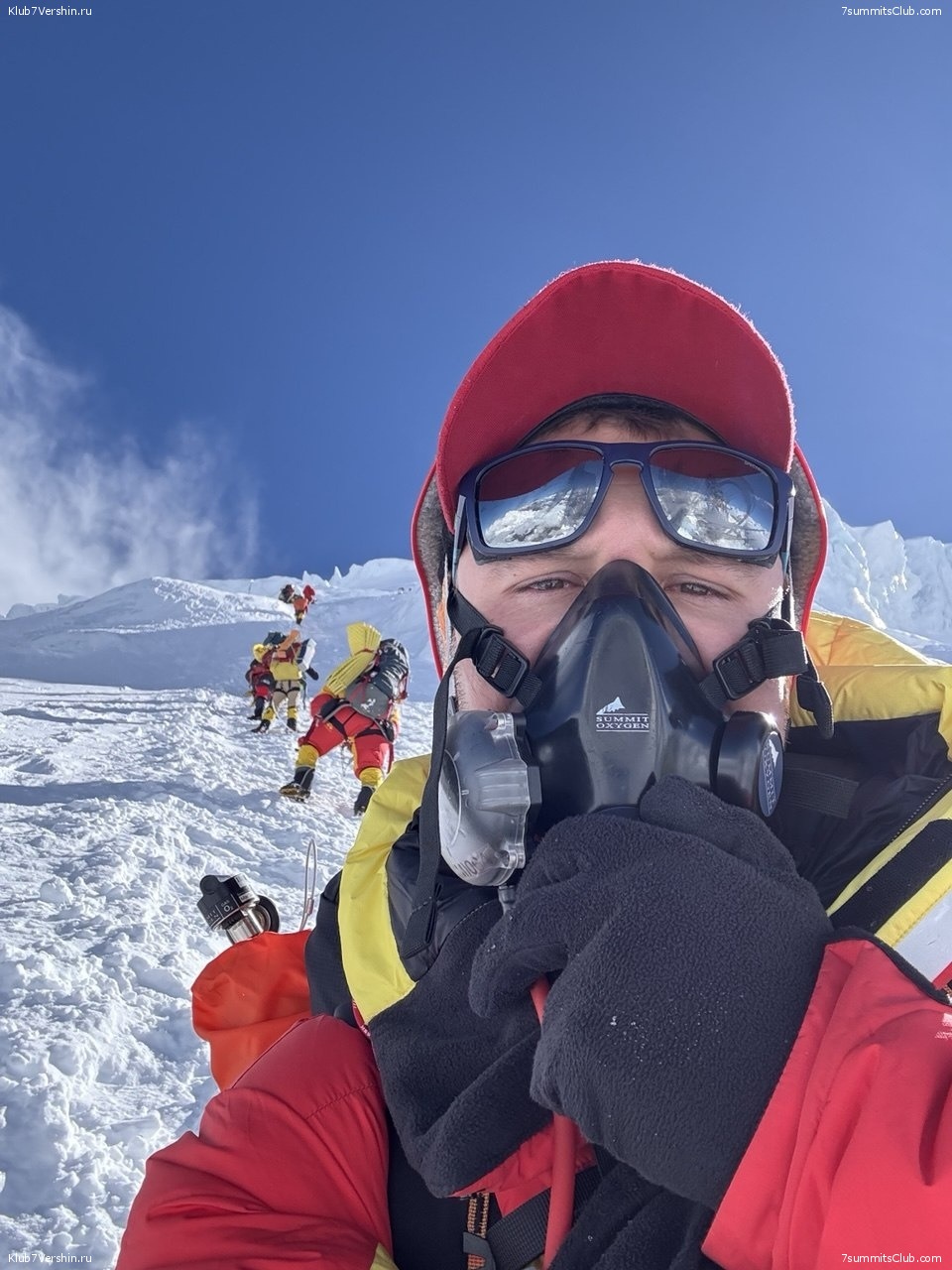
I usually walk at a faster-than-average pace. But here it quickly became clear: I was failing. My heart rate skyrocketed, and I needed two inhales and two exhales for every step. The oxygen was supposed to arrive from Camp II, but I asked for it a little earlier. It felt better, but not critically so. The standard flow rate calculated for acclimatized people isn't enough – more is needed!
Key takeaways:
• With a high-speed format, oxygen may need to be turned on from Base Camp;
• Standard flow rates aren't suitable for someone without acclimatization;
• The faster the ascent, the more oxygen is needed.
What I think in the end:
Super-fast ascents only make sense in exceptional cases – record-breaking, sporting, or individual. Making a new standard out of this is dangerous.
The near future, as I see it:
• expeditions will be shorter,
• but not absurdly so,
• without physical and mental harm,
• with normal recovery,
• with life in camp, not rushed.
10-15-20 days instead of 25-30-40 is a realistic, healthy format for amateur climbers. It will make eight-thousanders more accessible and interesting, without burnout or consequences. But the shortening should be thoughtful, not a fad.
If my experience teaches anything, it's this: you can climb quickly. The question is, at what cost and for what purpose.