Everest BC (Nepal)(5364) - Page 13
The 7 Summits Club starts the climbing and trekking season in Nepal
Everest BC (Nepal).
The 7 Summits Club starts the climbing and trekking season in Nepal Today our guide Dmitry Ermakov flies to Nepal. The plans - trekking to Everest base camp and climbing Island Peak. Tomorrow, the first group of trekkers departs from ...
The 7 Summits Club starts the climbing and trekking season in Nepal
Today our guide Dmitry Ermakov flies to Nepal. The plans - trekking to Everest base camp and climbing Island Peak.
Tomorrow, the first group of trekkers departs from Moscow.
They will pass the legendary road to the base camp of Mount Everest, and then by helicopter return to Kathmandu, from where will go to the Chitwan Park. After staying in the jungle, swimming with elephants, the expedition expects cultural program in New Delhi.
The next group on this route is to start on October 28.

Start a new expedition to Nepal
Everest BC (Nepal).
Today, a large group of 7 Summits Club flies from Moscow to Kathmandu. They are members of the trek programs Everest Base camp and ascent of Island Peak. Guide of the 7 Summits Club Denis Saveliev rested after a heroic climb of Mera Peak ...
Today, a large group of 7 Summits Club flies from Moscow to Kathmandu. They are members of the trek programs Everest Base camp and ascent of Island Peak. Guide of the 7 Summits Club Denis Saveliev rested after a heroic climb of Mera Peak and is ready to meet the group.
List of the members.
Island peak:
Petryaev Alexander
Emelyanov, Elvira,
Lutikov Alexander
Aglitsky Constantine
Lerner Roman
Lerner Julia,
Moiseeva Lola.
Trek to Everest base camp:
Manizada Jamil,
Tinin Yuri
Kovalenko, Ruslan.
Good luck, good weather, a good trip!


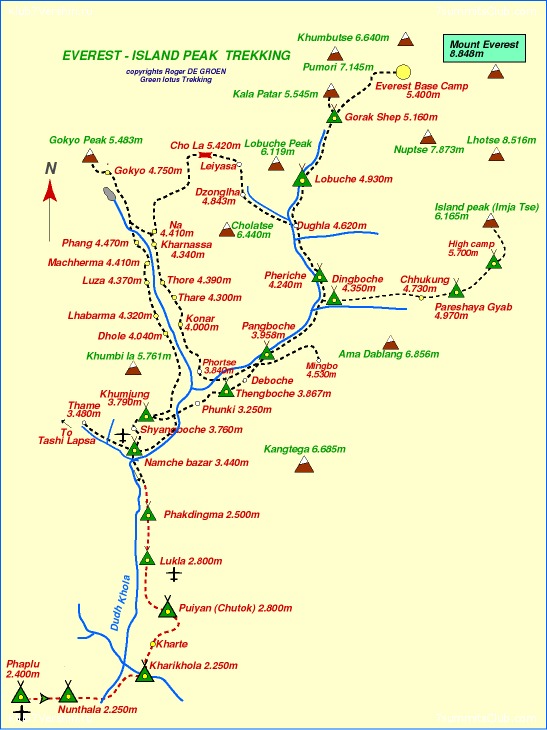
The beginning of spring season in the Himalayas
Today the big Himalayan season of the 7 Summits Club begins. In the evening our President Alexander Abramov flies to Nepal. In the first , he will prepare service for members and guides of our international Everest expedition. It will be ...
Today the big Himalayan season of the 7 Summits Club begins. In the evening our President Alexander Abramov flies to Nepal. In the first , he will prepare service for members and guides of our international Everest expedition. It will be our 10th time. This year, many well-known personalities will be part of the expedition. This is the famous Russian traveler Fyodor Konyukhov. Our great mountain climber Sergey Bogomolov, who will lead a team of Ingushetia. This is the trio of climbers working on the program "Alpari on top of the world." Ludmila Korobeshko, Ivan Dusharin and Maxim Shakirov will continue the recoed plan "7 summits in 300 days."
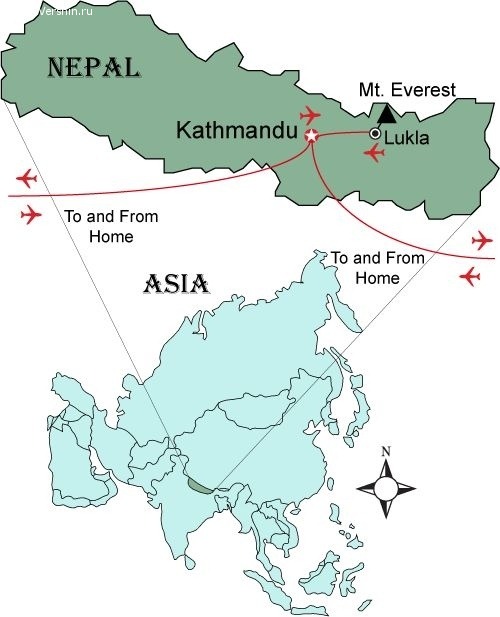
Also the guide of 7 Summits Club Denis Saveliev flies today in Kathmandu. He will run consecutively to the three groups, following different routes. First, it will be trekking and climbing the summit of Meru. Then, from April 21, it will be the program Island Peak climb and trek to Everest Base Camp.
It will be also a trek Annapurna Cercuit, which will be led by Olga Rumyantseva. And the big tour to Tibet, with a tour around Kailash (Kora), where the guides will be Dmitry Ermakov and Victor Bobok.



National Geographic 2012 Winners: Sano Babu Sunuwar and Lakpa Tsheri Sherpa
Everest BC (Nepal).
The votes—nearly 72,000 of them—are in, and we're pleased to announce that Sano Babu Sunuwar and Lakpa Tsheri Sherpa are the 2012 People's Choice Adventurers of the Year. Their Ultimate Descent expedition to climb Everest, ...
The votes—nearly 72,000 of them—are in, and we're pleased to announce that Sano Babu Sunuwar and Lakpa Tsheri Sherpa are the 2012 People's Choice Adventurers of the Year. Their Ultimate Descent expedition to climb Everest, paraglide down, and paddle to the sea truly embodies the spirit of adventure. With borrowed gear and a bare-bones budget, there were no corporate sponsors nor social media campaigns, just the essentials for adventure—vision, creativity, and friendship.
The Ultimate Descent: Lakpa Tsheri Sherpa and Sano Babu Sunuwar
Two Nepalis complete a mission to launch a paraglider from Mount Everest’s summit and kayak the Ganges to the Indian Ocean.
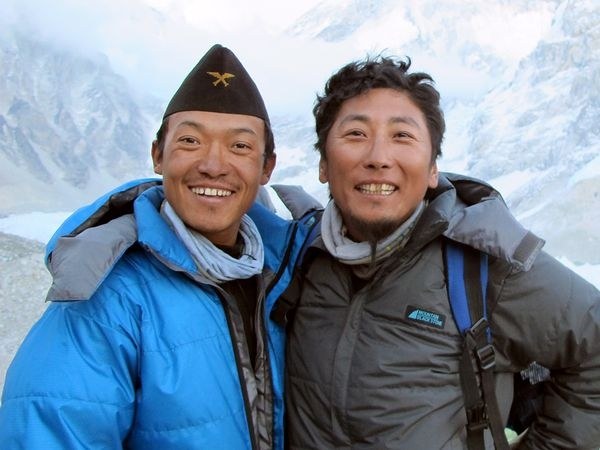
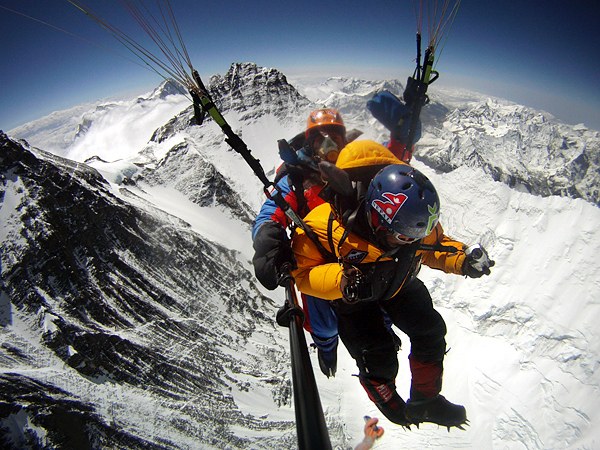
When Lakpa Tsheri Sherpa first saw paragliders arrive in the Himalaya, he dreamed of flying above the massive peaks of his home—the Khumbu region. After his third successful summit guiding trip on Everest, he viewed paragliding as a simpler, faster, and more graceful way of descending through the peak’s perilous slopes.
In October of 2010, Lakpa borrowed a paraglider, got a few pointers, and launched from a hillside above his home. He promptly crashed into a tree. With his paraglider wing badly damaged, Lakpa set out for the town of Pokhara, considered to be the gathering spot for paragliders, to seek repairs and find a mentor. He ran into Sano Babu Sunuwar, whom Lakpa had met years earlier on Island Peak. Babu repaired the glider and the two men hatched the plan for the Ultimate Descent.
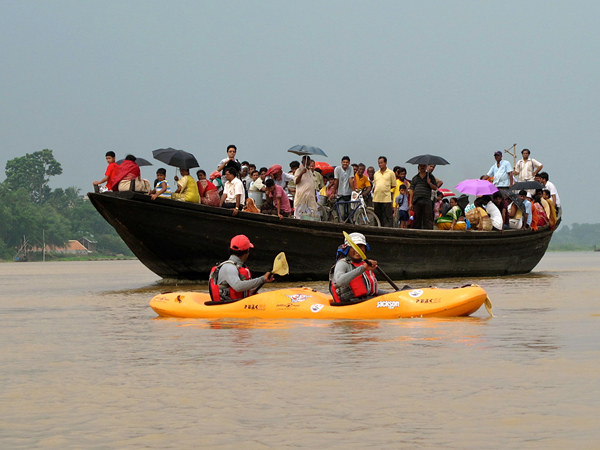
They would climb to the world’s highest point, launch a paraglider and fly for as long as possible, bicycle to a point where streams gathered into rivers, kayak across the Nepali border into India, and paddle the Ganges River all the way to the Indian Ocean. It would be an unprecedented first, but it was the overall combination of sports, audacity, and friendship that drew the duo to the idea. Babu, 28, had no climbing experience. Lakpa, 39, had never kayaked and didn’t even know how to swim.
In April of 2011, the duo had borrowed gear, slapped a basic plan together, and began their ascent of Everest. On May 21, they became the third party to launch a paraglider from the summit and set a new world record of 8,865 meters for free flight in the process. On the Kosi River’s Class V rapids, Babu got caught recirculating in a massive whirlpool in their two-man kayak, while Lakpa floated down river. Once they reached the Ganges, they paddled flatwater through unfamiliar country. They were robbed at knifepoint and had to live off fruit trees. After 850 kilometers, Lakpa and Babu reached the Bay of Bengal. On June 27, they became the first people to complete the descent from Everest’s summit to the Indian Ocean.
“When we arrived on the beach, we were frightened. We were surrounded by giant red scorpions,” says Babu. Later after showing pictures to friends, he would learn that these “scorpions” were in fact harmless crabs.
The Ultimate Descent team earned recognition from the international paragliding community, and the Nepali press hailed them as national heroes. Western adventurers admired their spunk, simplicity, and bare-bones budget. There were no social media campaigns, corporate sponsors, or expedition websites, just the essential ingredients for adventure—vision, creativity, and friendship.
—Fitz Cahall
THE INTERVIEW
Adventure: Babu, as a kayaker and paraglider, what was the most difficult part of the journey?
Sano Babu Sunuwar: On Everest I felt a great deal of discomfort. It was hard to breathe. Lakpa told me, “You are Sherpa. Be strong.” I am not a climber, but this was a great dream of mine to climb Mount Everest. Lakpa had done this many times. He helped me a great deal.
A: What was the most intimidating part of the journey?
Lakpa Tsheri Sherpa: The bugs. The ants. All animals—so active. Insects—so active. They are also busy. People so active. In the mountains, all creatures move slowly. In India, all the animals and the people move so fast. They are not still. I did not like the bugs. When we reached the ocean and took the kayaks to shore, the beach was covered in giant red scorpions. I was scared then, but we learned later that they were crabs and harmless. I also had a hard time breathing in the low elevation.
A: While the flight from Mount Everest might be the most eye-popping part of your adventure, it sounds like the Ganges and India were also difficult?
SBS: Sometimes whole villages would come down. We were robbed. They came with knives. We protected the camera, but gave them money. They left, but we paddled very fast. We could hear them coming with a motorboat. We found an island with tall grasses and hid. We slept in the kayaks the whole night.
LTS: We ate fruit from the trees, but the water was bad. We were not used to seeing dead bodies. In Nepal, we burn our dead. In India, they are put in the river. We would see two or three bodies a day.
A: For each of you, was there a favorite part of the journey?
SBS: Taking off from the highest point in the world. At first it was really windy, but the wind calmed. When we lifted off we were carried immediately upward.
LTS: The flight. I like to sing while I fly. We were very happy. We were both singing. This was a dream for both of us.
A: The "ultimate descent" earned you some attention both in Nepal and abroad. There was a short film made about your flight. What has it been like to be recognized for your achievement?
SBS: We love getting to share our dream. We came to Europe to show the film at a film festival. We feel a little like movie stars. People wanted to shake our hands. We were very happy to share our story.
LTS: When we got home, we were very excited to share our story not just with Nepal, but all over the world. It felt like a million people. There were a lot of foreigners who came to set records. We weren’t after a record, we just wanted to do all these things, climbing, paragliding, kayaking in one continuous trip

Apa Sherpa felicitated with the Guinness World Record
Everest BC (Nepal).
Apa Sherpa, the Nepali climber who has conquered Mount Everest a record 21 times was felicitated with the Guinness World Record. On the 44th day of the Great Himalayan Trail-Climate Smart Celebrity Trek lead by Apa, Guinness World Record ...
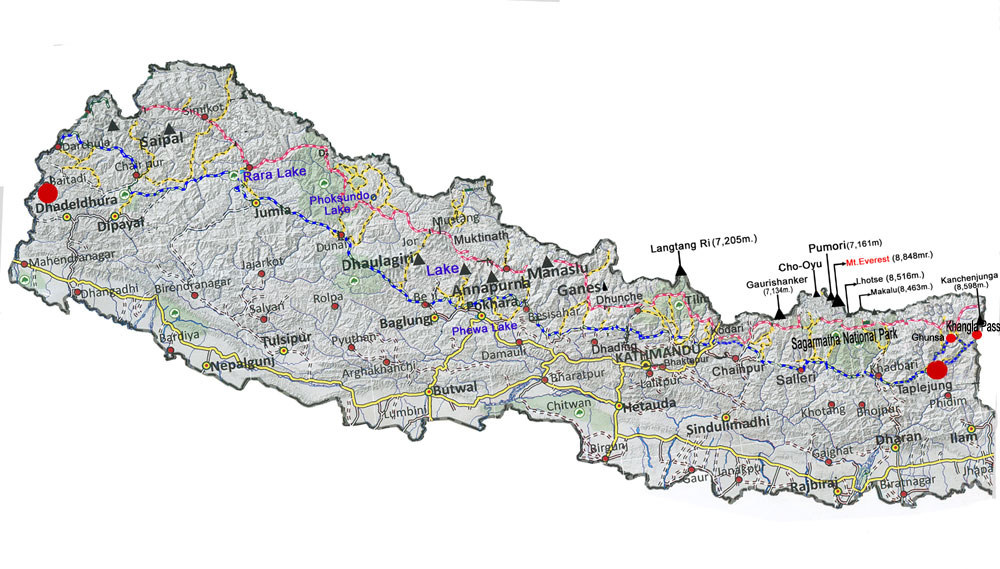
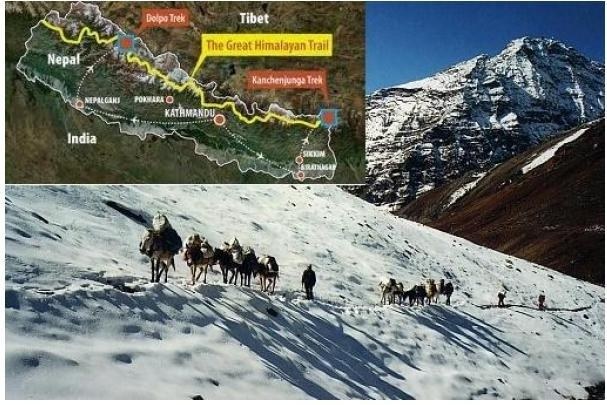
Apa Sherpa, the Nepali climber who has conquered Mount Everest a record 21 times was felicitated with the Guinness World Record. On the 44th day of the Great Himalayan Trail-Climate Smart Celebrity Trek lead by Apa, Guinness World Record Editor-in-chief Mr. Craig Glenday and his team met him and handed over a certificate at a function at Shree Saraswati Higher Secondary School in Gyalthum, Sindhupalchowk. Apa is accompanied by Dawa Stephen Sherpa (two time Mt.Everest Summiteer), Saurabh Dhakal and Sameer Jung Thapa, as part of a campaign to promote tourism and highlight the impact of climate change. The team that plans to walk 1,700 km has covered seven districts and a distance of 590 km so far.
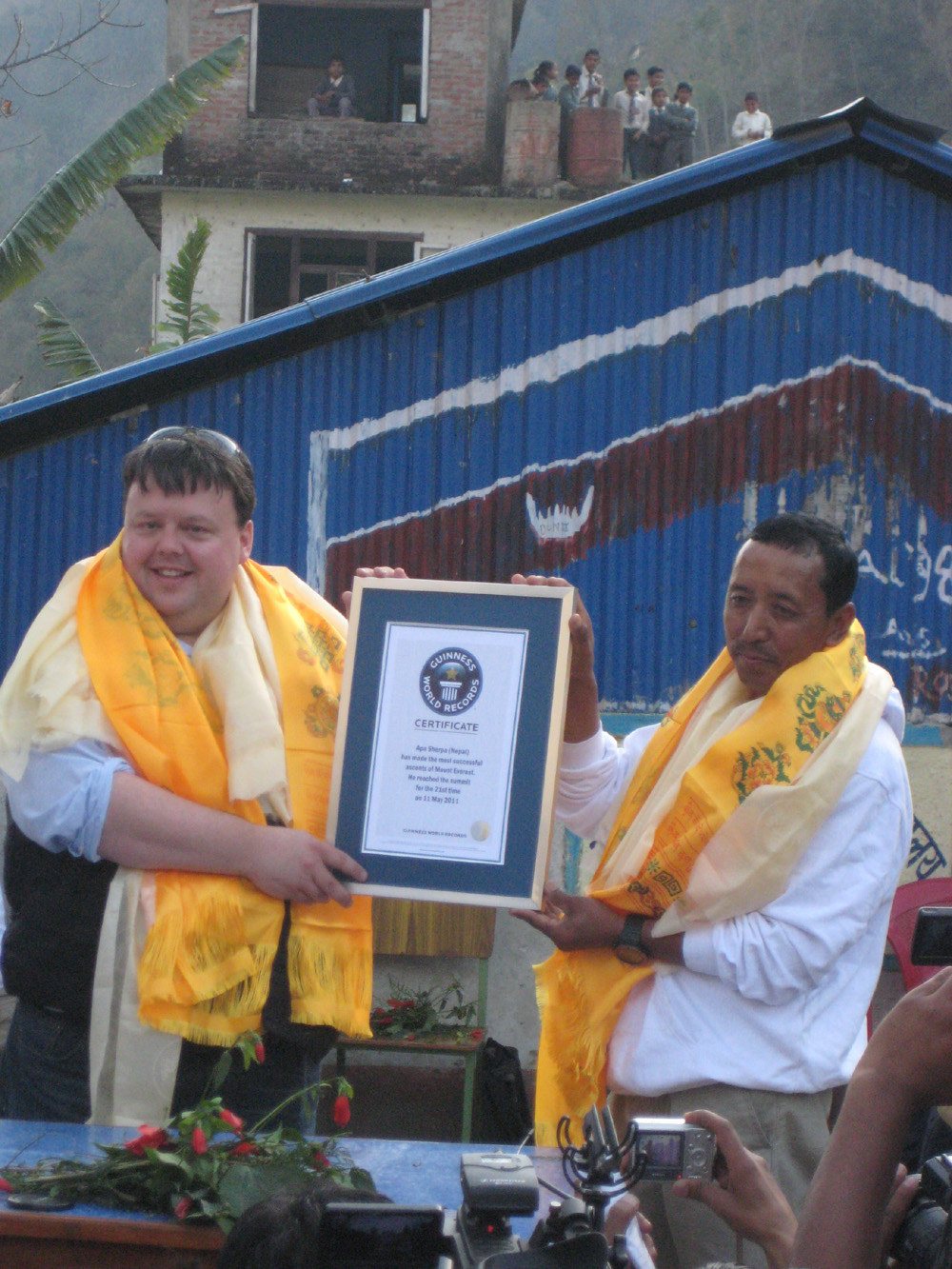
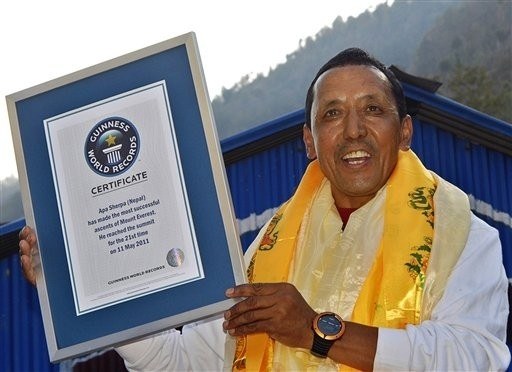
“It feels great to receive this honour as Mr.Glenday himself has traveled this far to hand over the certificate. I feel proud to be identified all over the world,” Sherpa beamed. He further said, interacting with people is altogether a new experience to him and added, "Now onwards I will not climb up to the top of the world but I have been witnessing the hills and people for the last one and half months which has given me ample of opportunities to learn about the communities living in the vicinity of mountains". Hundreds of people attending functions expressed their happiness with the honour bestowed on Sherpa.
On the other hand Mr. Glenday expressed his feeling as “What Sherpa has achieved is unbelievable. He is not just a local hero but hero of the world. He is an inspiration to millions of people. It is a great privilege to hand him the official certificate. “The trip to Nepal has been amazing so far. It feels like I've been here for ever,” he added.
The sherpa from Thame, Solukhumbu; home town of Everest Legend Tenzing Norgay first summited Everest on 1990. Last year on May he conquered Everest for the 21sttime as the climbing leader of Eco Everest Expedition and became eligible for this award. He has shown his effort towards Everest clean up by engaging in Eco Everest Expedition since 2008 and continuing it for four consecutive years. He made his 18th summit in 2008, 19th in 2009 and 20thin 2010 and with Eco Everest Expedition organized by Asian Trekking to raise awareness about the impact of climate change.


We have updated the registration system on our website, please check your dates
We finished the next stage of development of our Internet projects (our sites). We have made several important changes and improvements. And it is made for you, our friends. First of all, we changed the registration system. In this regard, ...
We finished the next stage of development of our Internet projects (our sites). We have made several important changes and improvements. And it is made for you, our friends. First of all, we changed the registration system. In this regard, we ask you to review your own data, which were transferred from the previous version of registration. Inform us if you have any problem with registration.
Also, now you can join not only the "7 Summits" project, but also you could register your achievements in other projects, namely:
3 Poles
A new is a total ranking of member - a summary from all these projects. We also added "additional" peaks and objects to these projects ...
And you can leave now your comments to news and articles. It is very important to us. On the one hand, we are happy just to hear from each of you. On the other hand, we look forward to use your comments to improve quality of our publications.
To register your achievements in projects use following links
Russian version http://7vershin.ru/enter/
English version http://7summits-club.com/enter/
303 photos from the fabulous Nepal
Everest BC (Nepal).
Group led by Viktor Bobok: Dmitri Alexeev, Konstantin Ananin, Maria Vanifatova, Andrew Galaev, Ksenia Smirnova and Julia Smirnova - went the route of the republic Nepal, visiting the valley of Khumbu, reached Everest base camp and ...
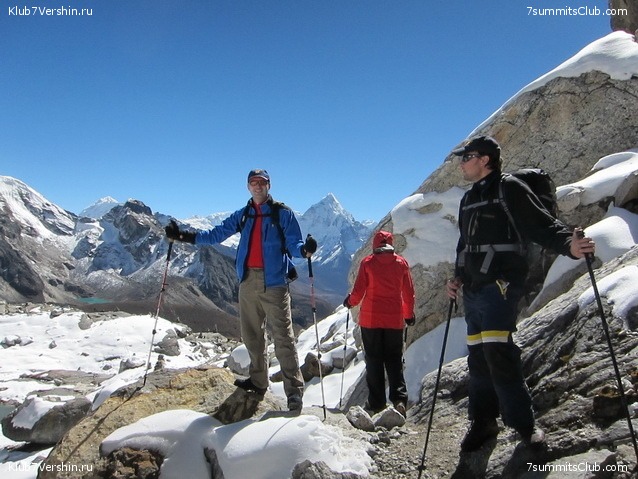
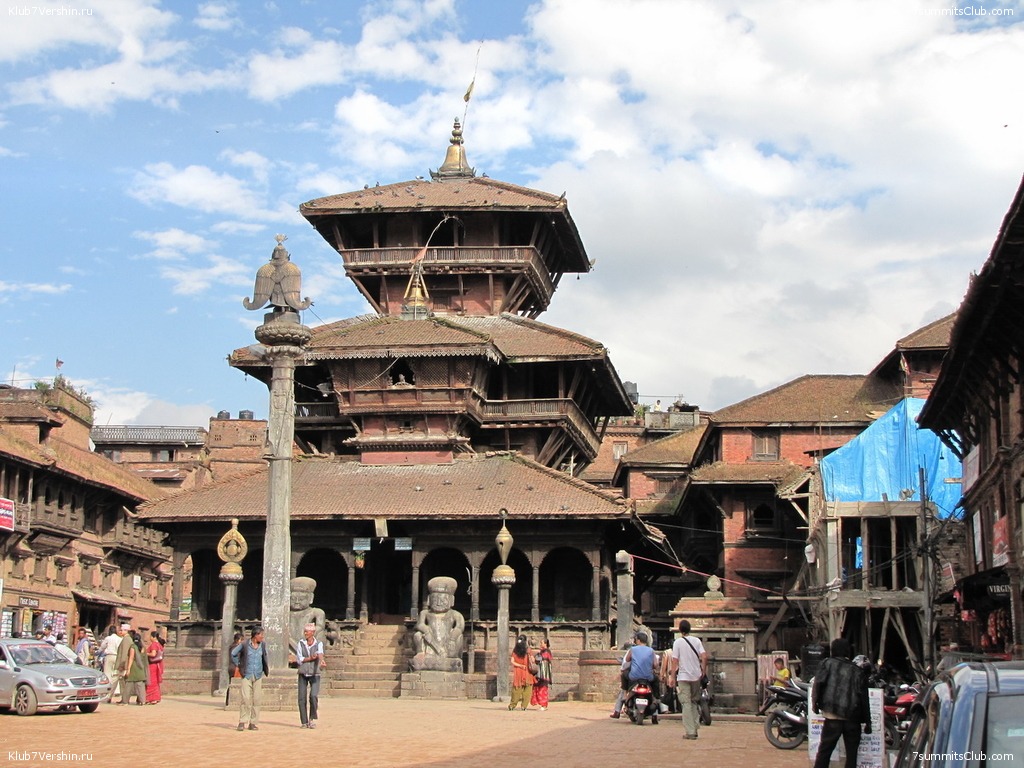
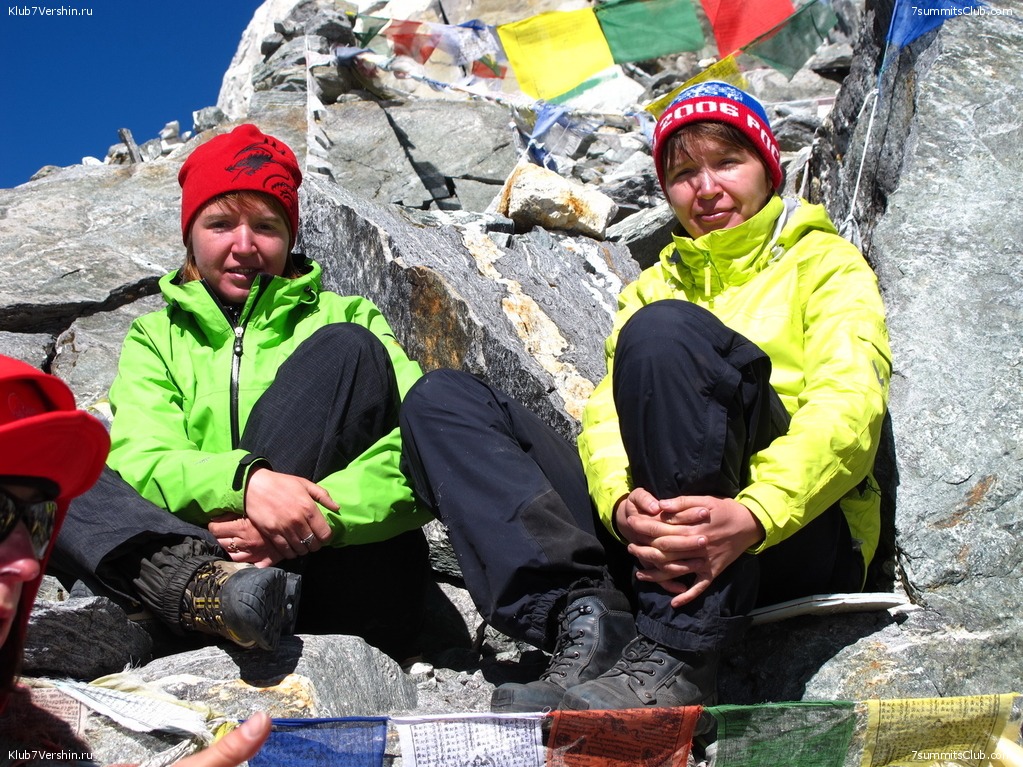
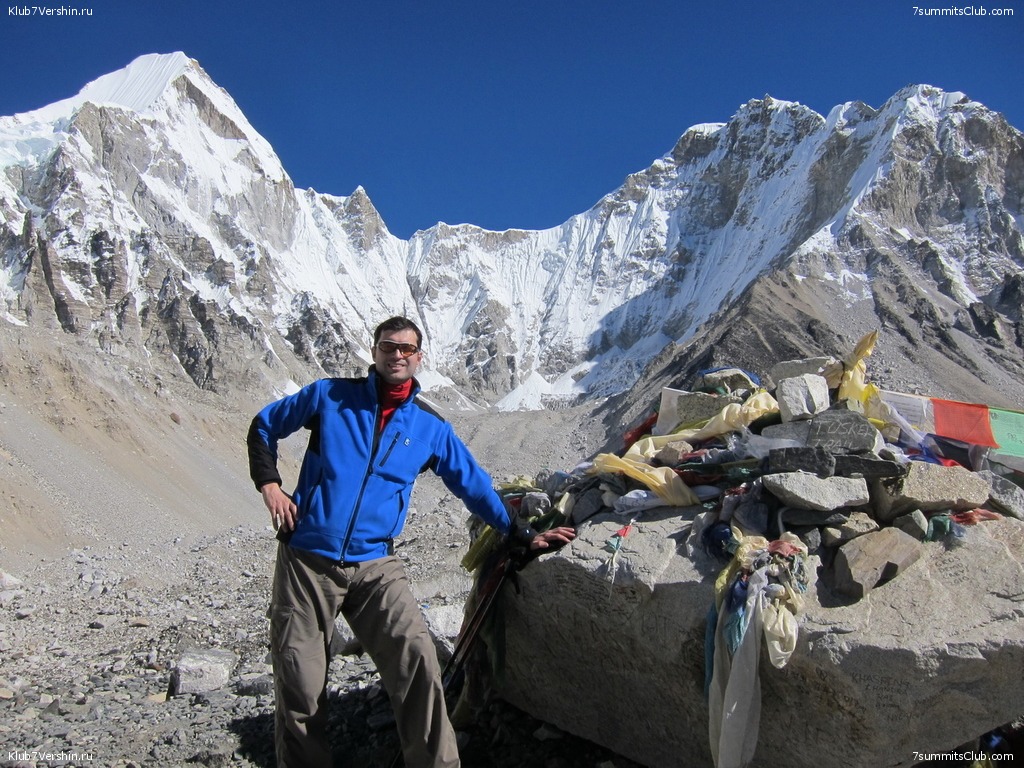
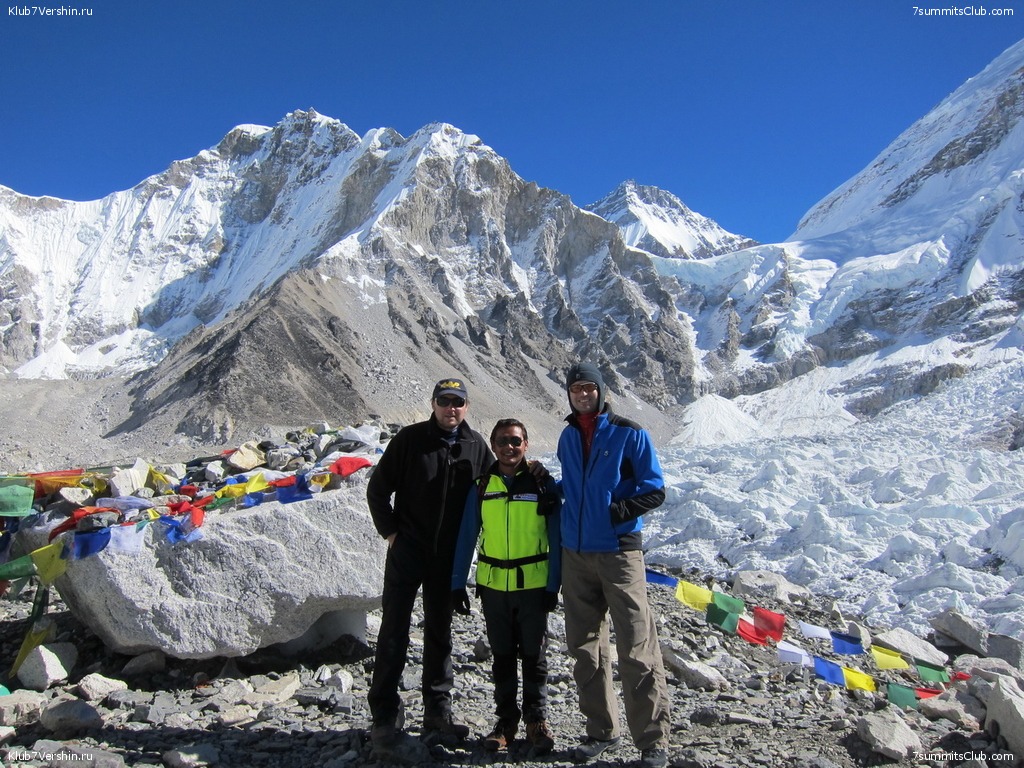
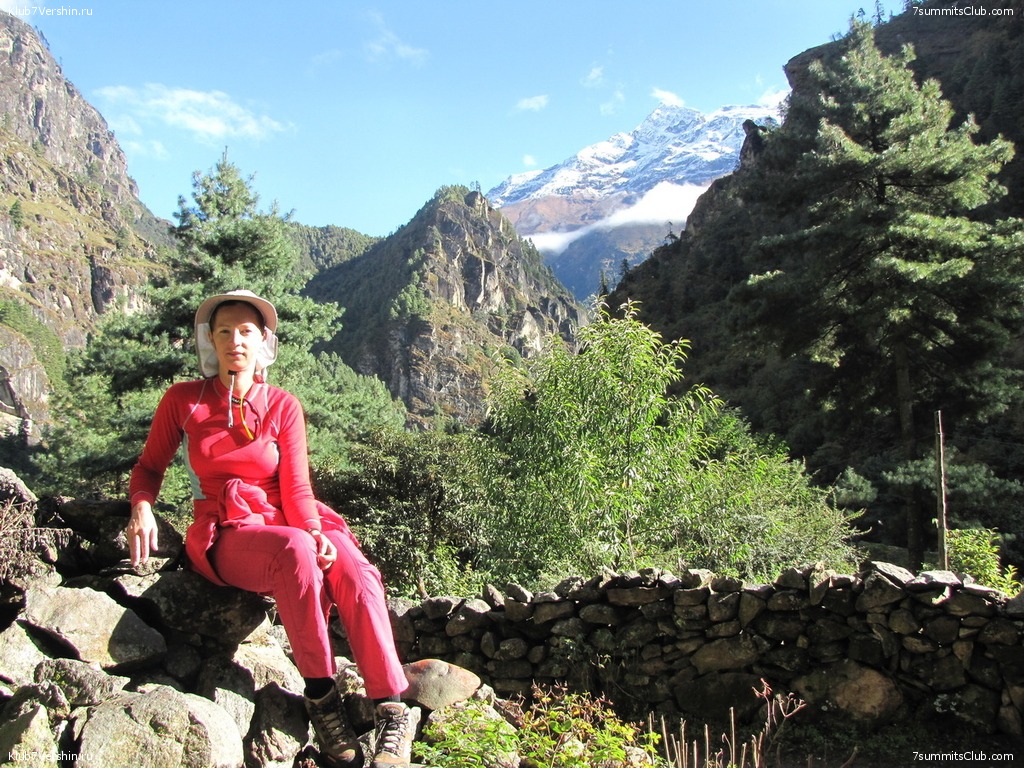
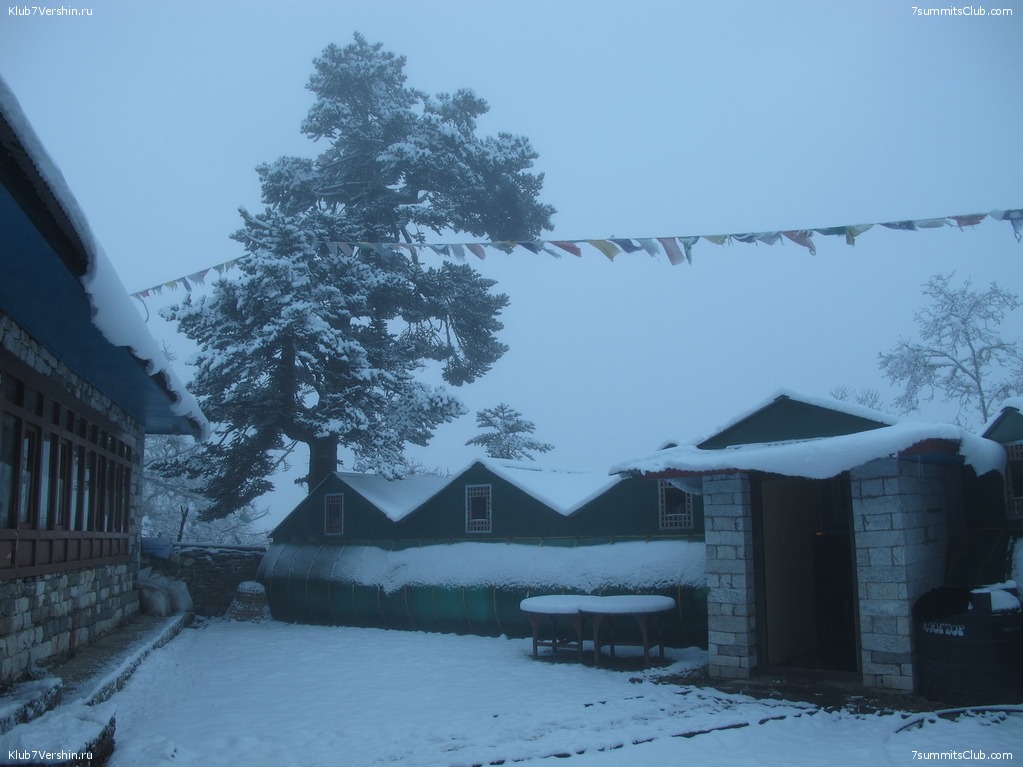
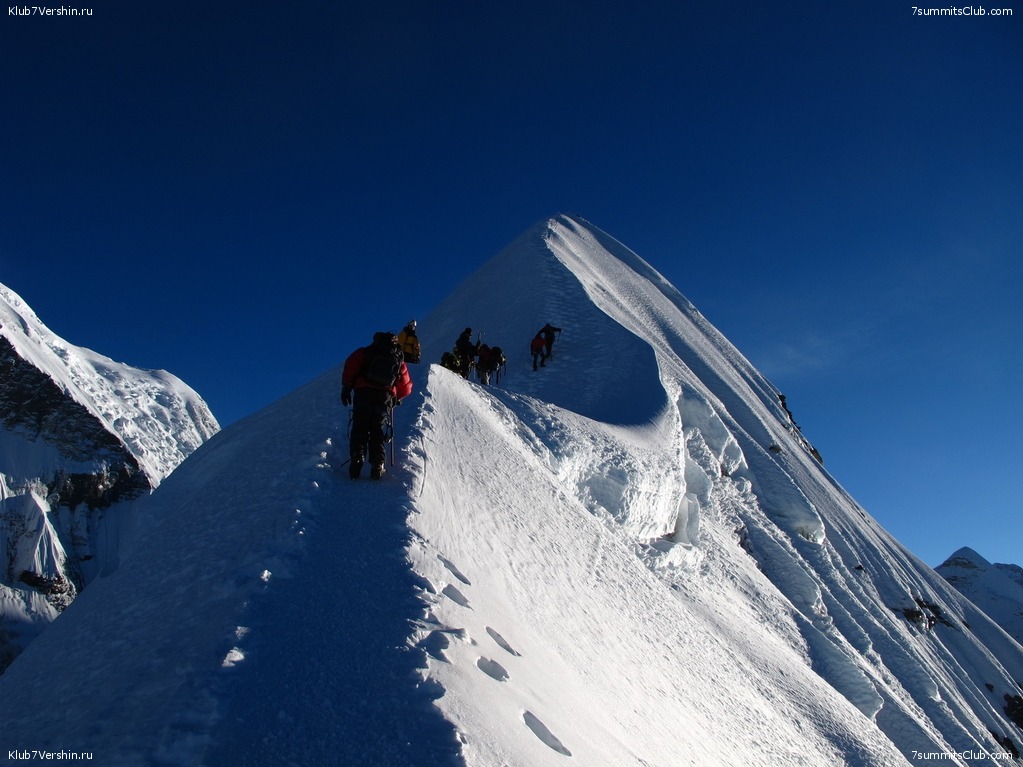
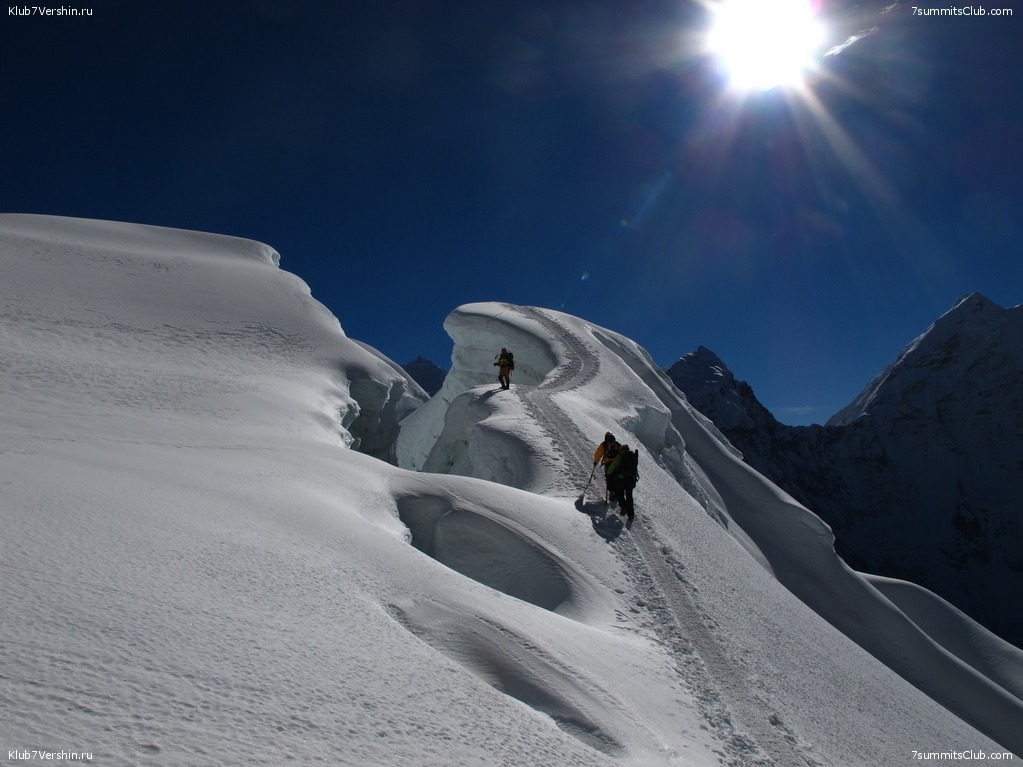
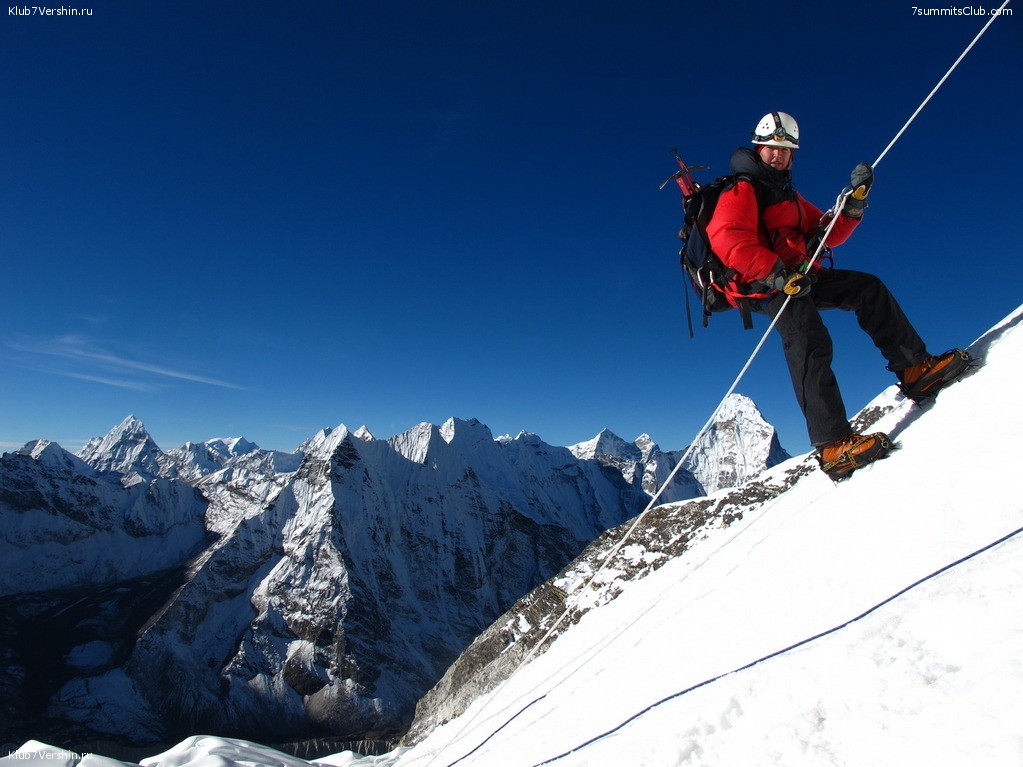
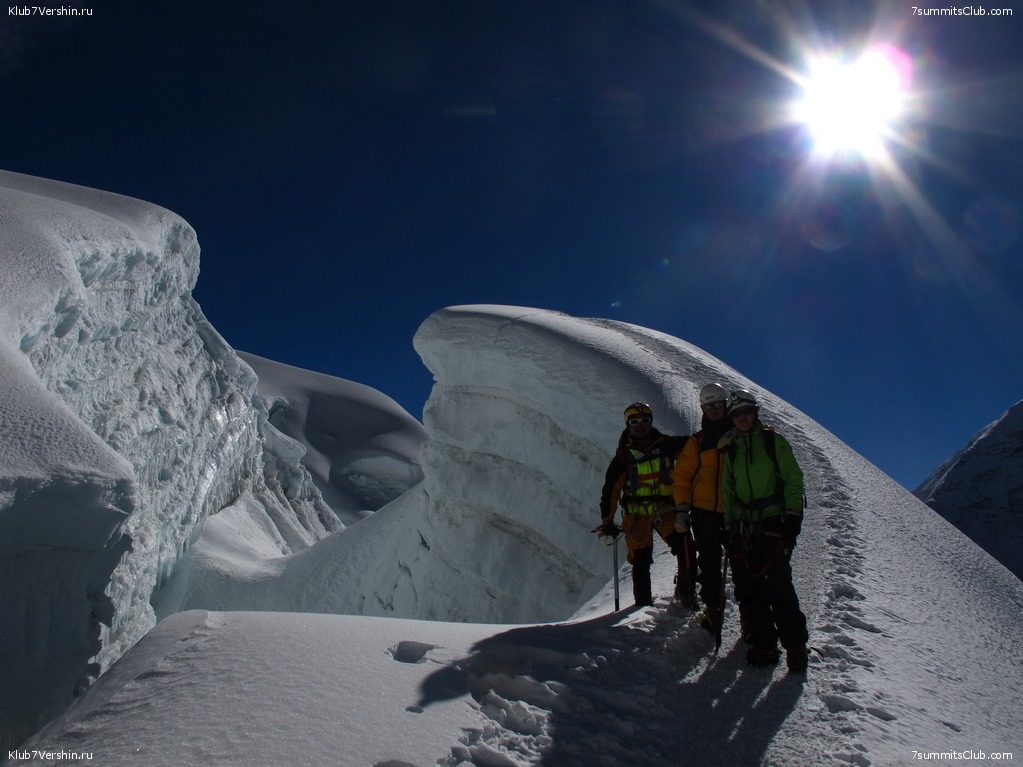
Group led by Viktor Bobok: Dmitri Alexeev, Konstantin Ananin, Maria Vanifatova, Andrew Galaev, Ksenia Smirnova and Julia Smirnova - went the route of the republic Nepal, visiting the valley of Khumbu, reached Everest base camp and Kalapatar, climbed Island Peak. They gathered together 10 gigabytes of photos. Some of them (303 pieces) can be viewed in our gallery.
And some of them here:




Very sad news: the main rescuer of Nepal is dead
Everest BC (Nepal).
KATHMANDU: On a day of double celebration in Nepal -- Bhai Tika or Brother's Day, and the start of the Newari new year 1131 – tragedy struck in the Himalayan ranges in the north as a helicopter rescue operation for two Japanese ...
KATHMANDU: On a day of double celebration in Nepal -- Bhai Tika or Brother's Day, and the start of the Newari new year 1131 – tragedy struck in the Himalayan ranges in the north as a helicopter rescue operation for two Japanese climbers ended in a crash at 6000m above sea level, killing both the pilot and his companion.
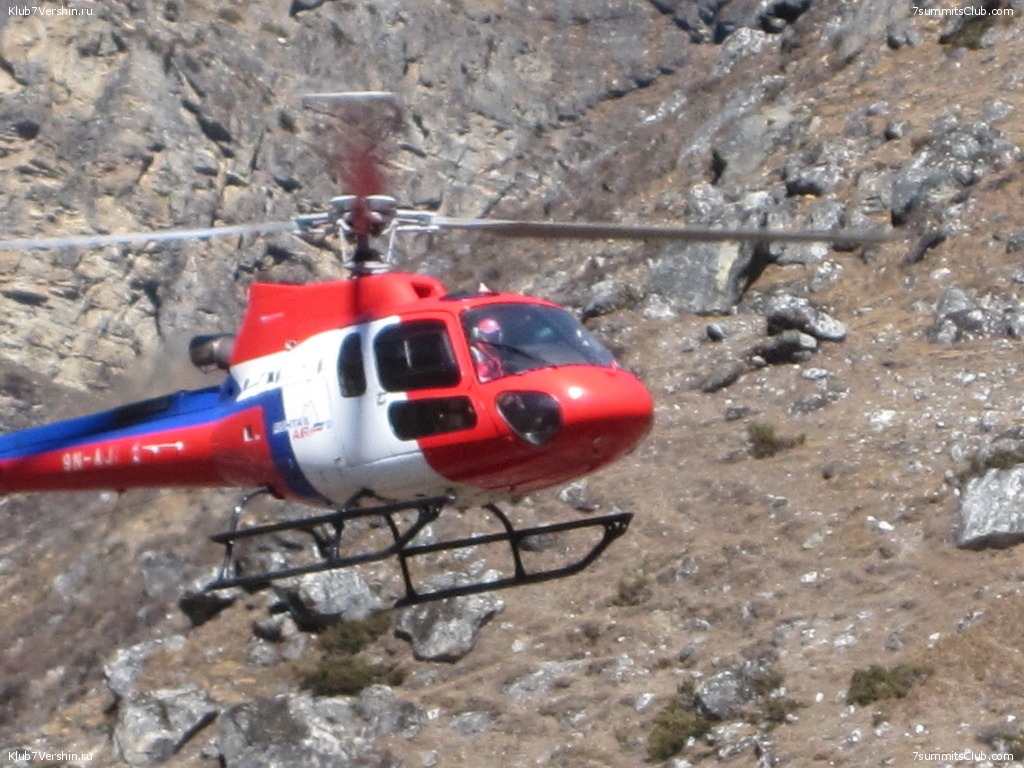
While Nepal was celebrating its four-day Tihar holiday, Nepali pilot Sabin Basnet and technician Purna Awale were scouring the upper ranges of Mt Ama Dablam – meaning mother's necklace – a Himalayan range whose main peak juts up to 6812m above sea level. They had been sent by domestic airline Fishtail Air to airlift two Japanese climbers who had fallen ill.
After successfully rescuing the first climber, the two men went back for the second when high winds buffeted the aircraft and caused it to crash while trying to land. Two other helicopters sent to locate the missing chopper and its crew had to search the area for hours before they could locate the wreck and the bodies. Fishtail officials said they have now started the difficult operation of bringing the bodies down from the inaccessible mountain range.
This is the second air accident since August that resulted in casualties. In August, an aircraft crashed near Kathmandu valley, killing all 14 people on board, including a Japanese tourist. Last month, three Japanese climbers and their Nepali guide were swept away by an avalanche while climbing Mt Dhaulagiri, the seventh highest peak in the world.
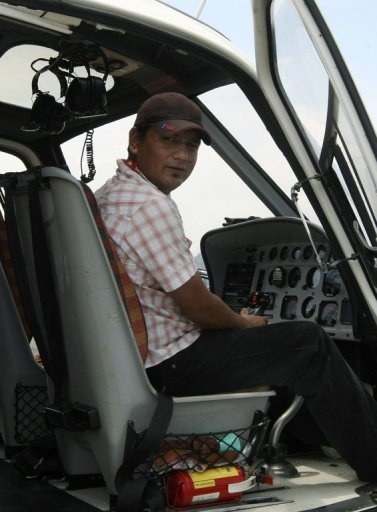
The best high-altitude pilot, a real pioneer of rescue above 7000 m - Sabin Basnet

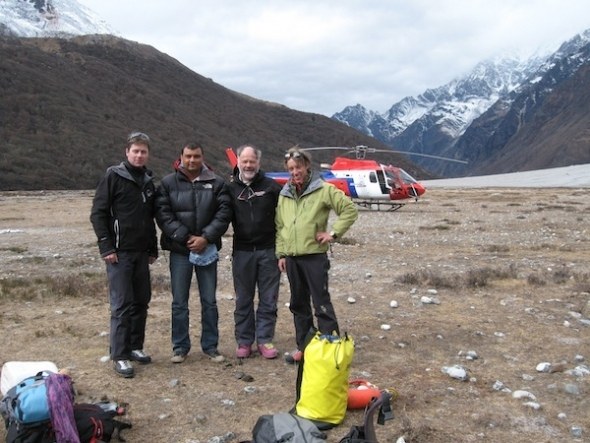
With swiss team after Lantang flight to find Tomas Humar
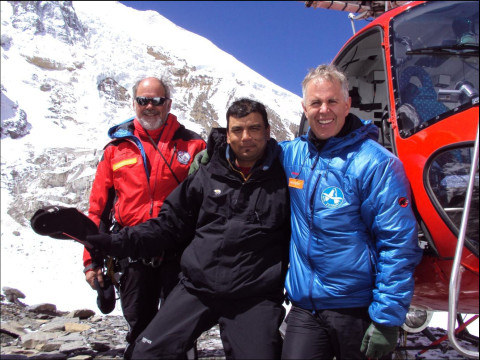
After epic Dhaulagiri rescue withh his swiss teachers
Victor Bobok was in Skype and sent wonderful photos
Everest BC (Nepal).
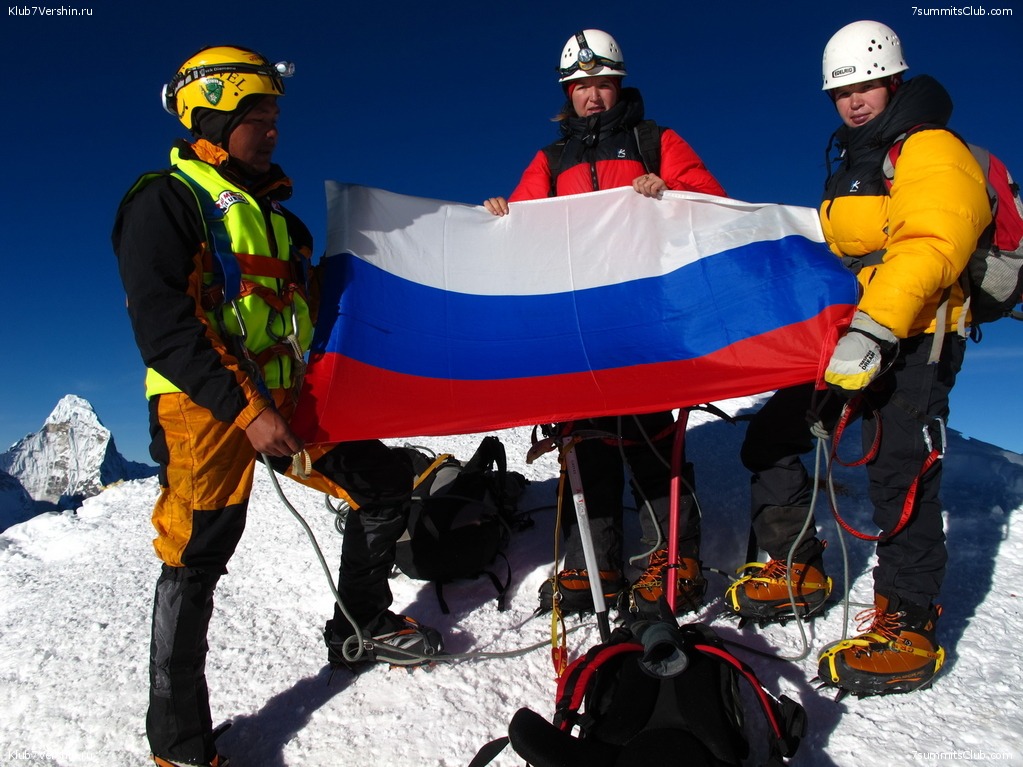
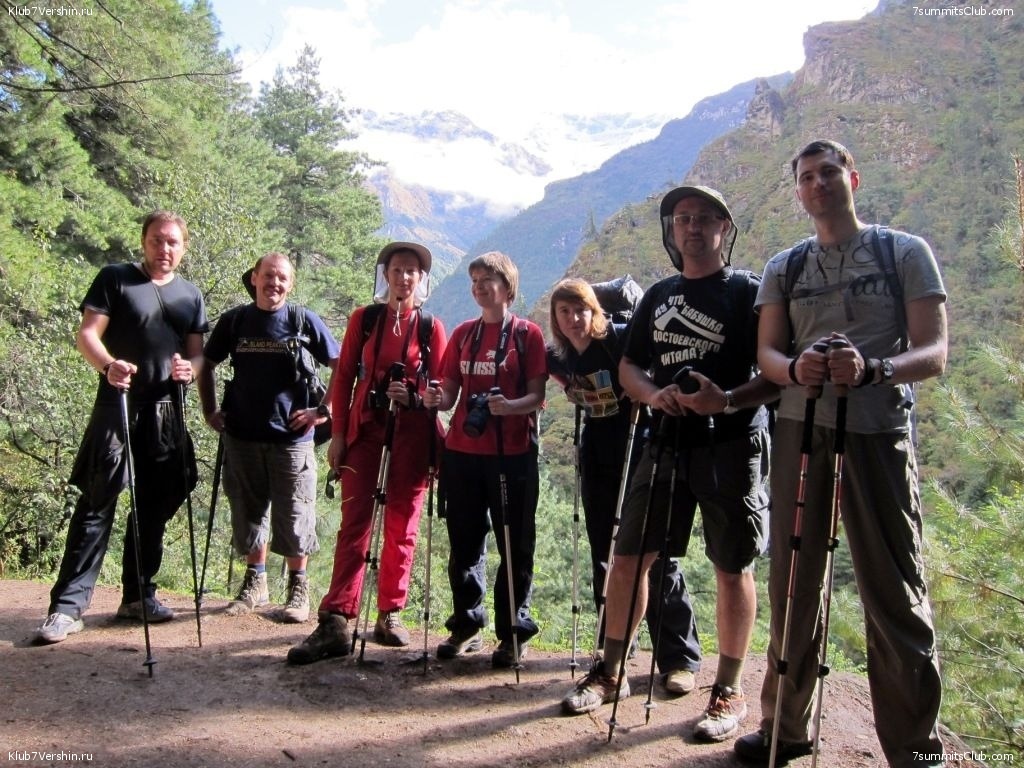
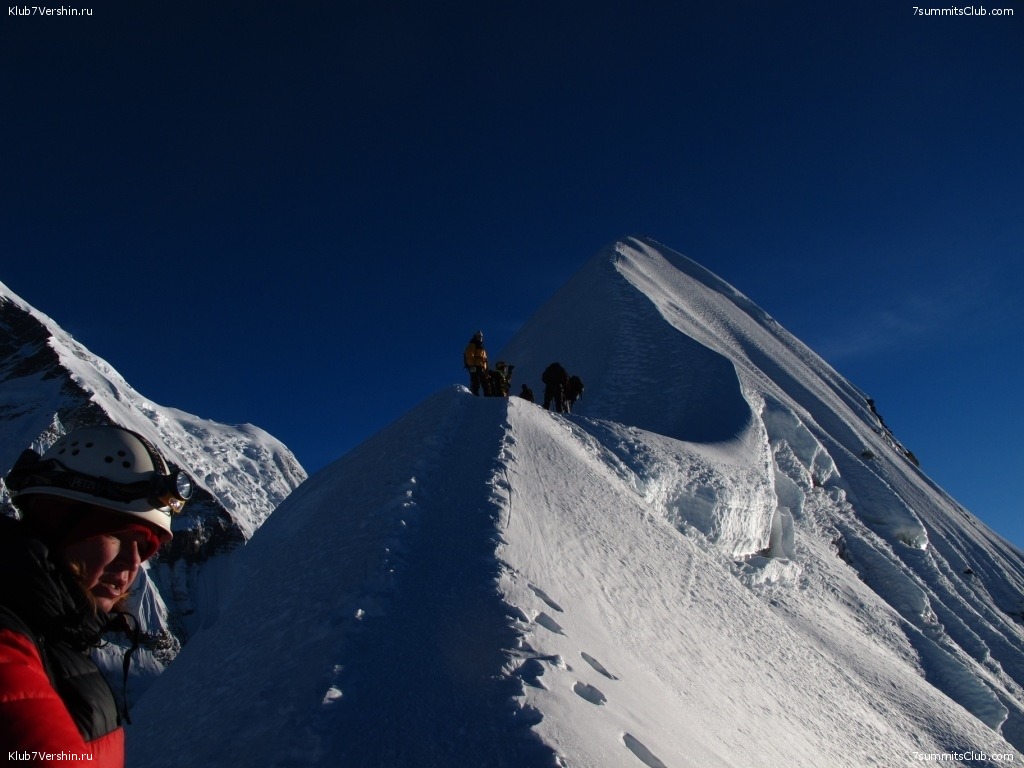
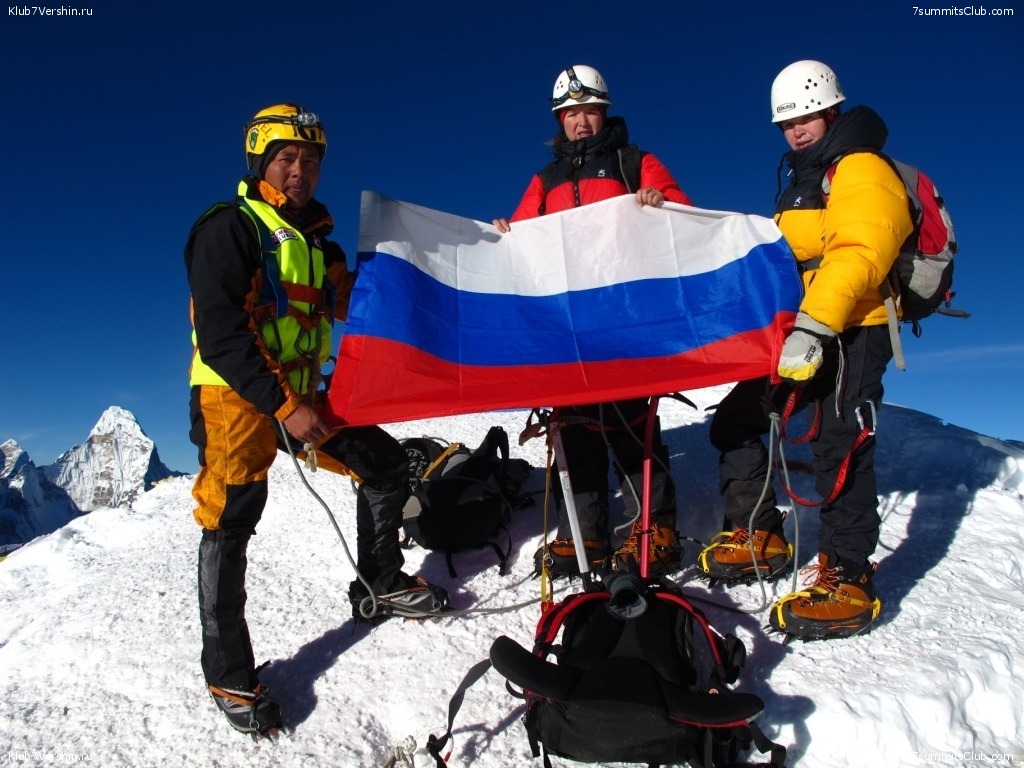
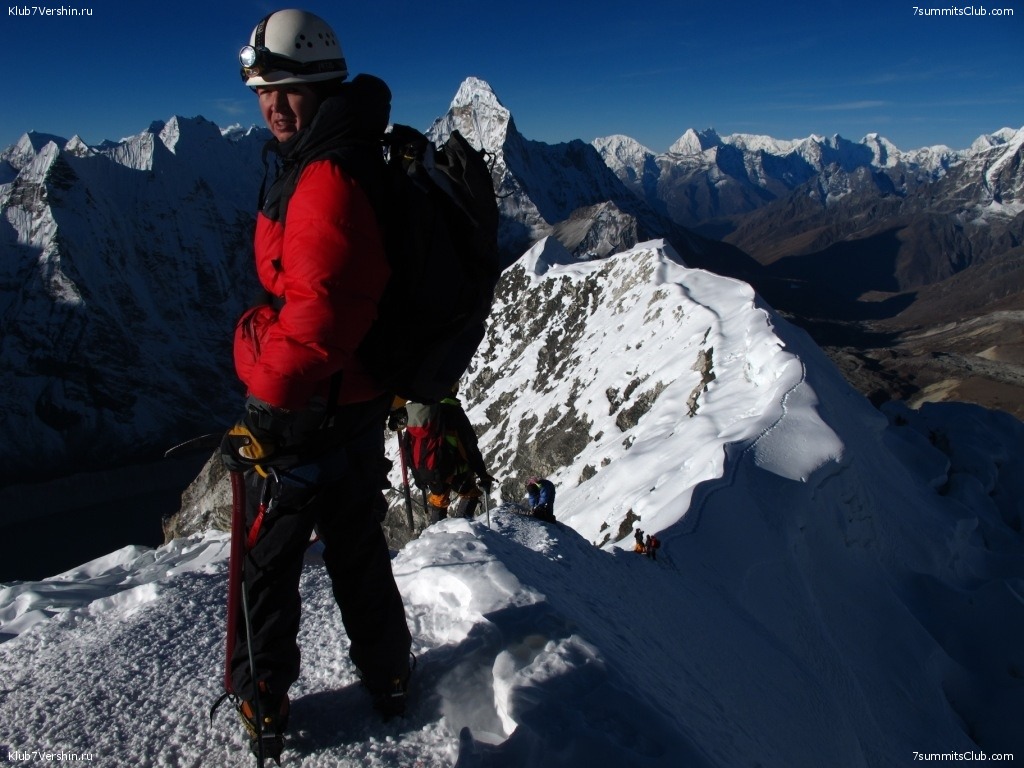
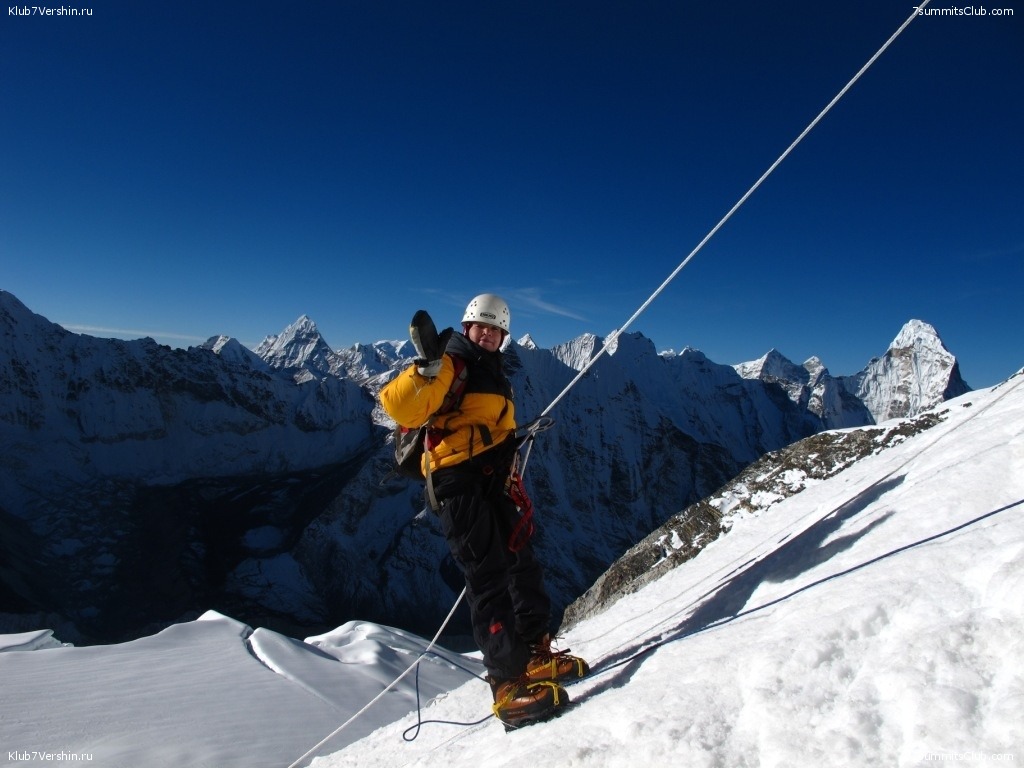
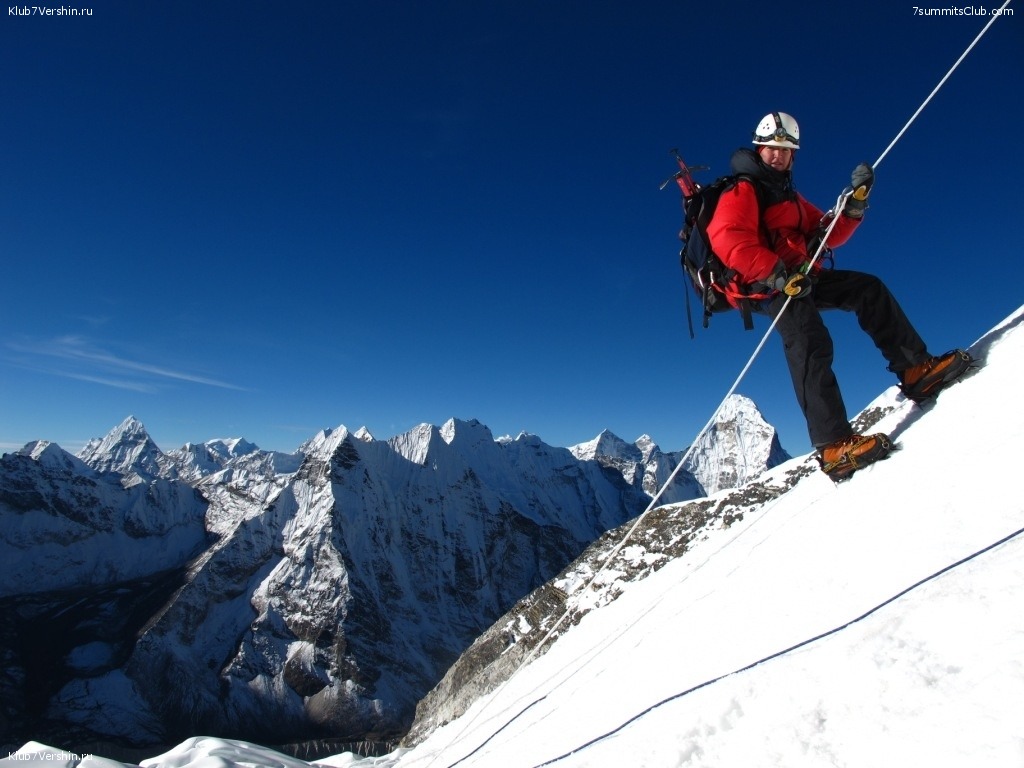
Victor Bobok, guide of 7 Summits Club, was today on Skype from Namche Bazaar. Short statement of the report reduced to the following facts. Ascent of Island Peak was made by a group of four people: Xenia and Julia Smirnova, Victor Bobok and ...
Victor Bobok, guide of 7 Summits Club, was today on Skype from Namche Bazaar. Short statement of the report reduced to the following facts. Ascent of Island Peak was made by a group of four people: Xenia and Julia Smirnova, Victor Bobok and Sirdar Tsering. This happened on October 30. Dmitri Alexeev decided did not go on this mountain. Earlier, Dmitry with Bobok and sisters climbed onthe top Kalapatar. While Ttsering together with Konstantin Ananin, Maria Vanifatova, Andrey Galaev went to the Everest base camp.
Now a group of three trekkers had already departed from Nepal. Quartet of climbers descended to Namche Bazaar and enjoys the benefits of civilization: the Internet, showers, a variety of drinks ....
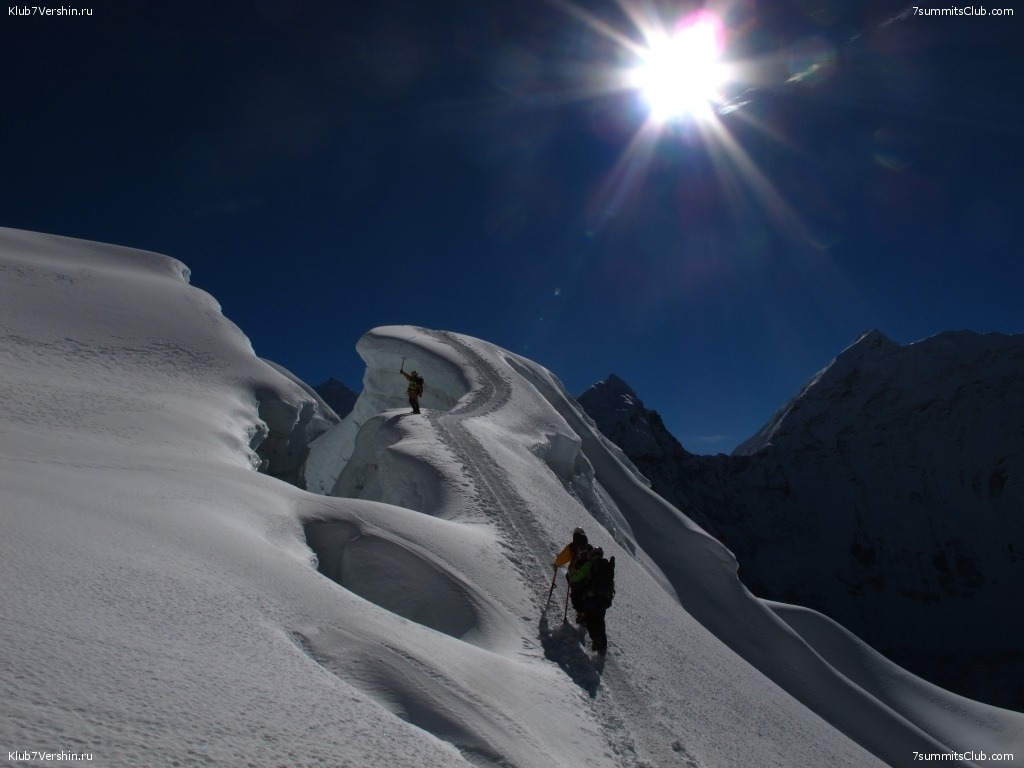
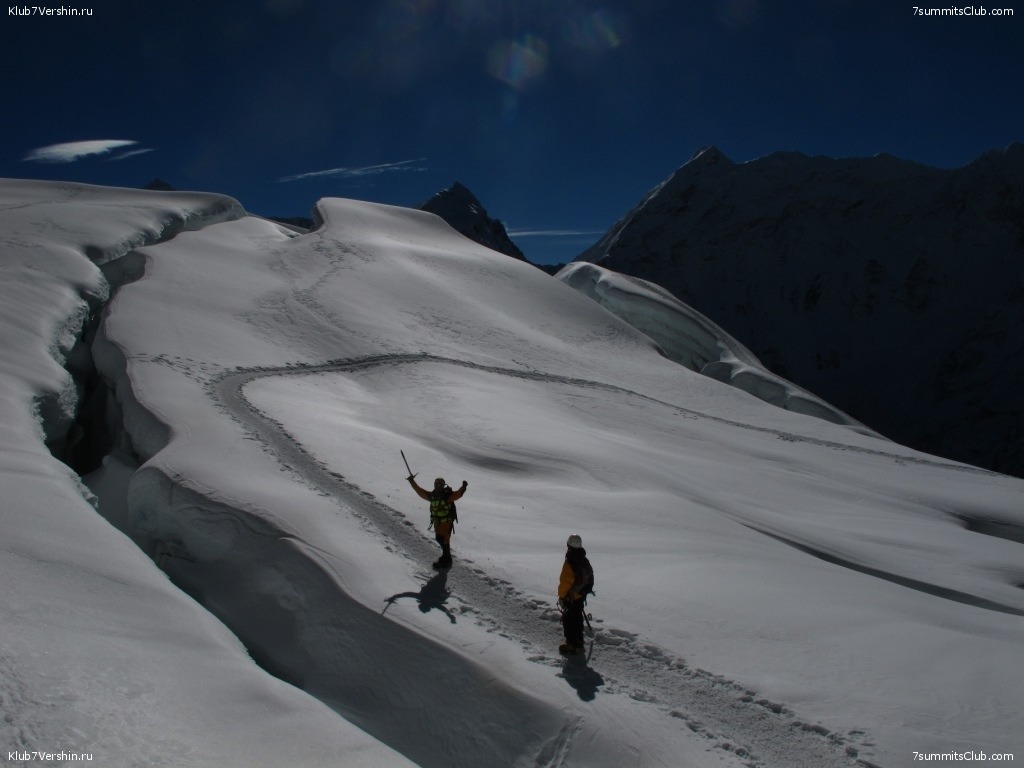
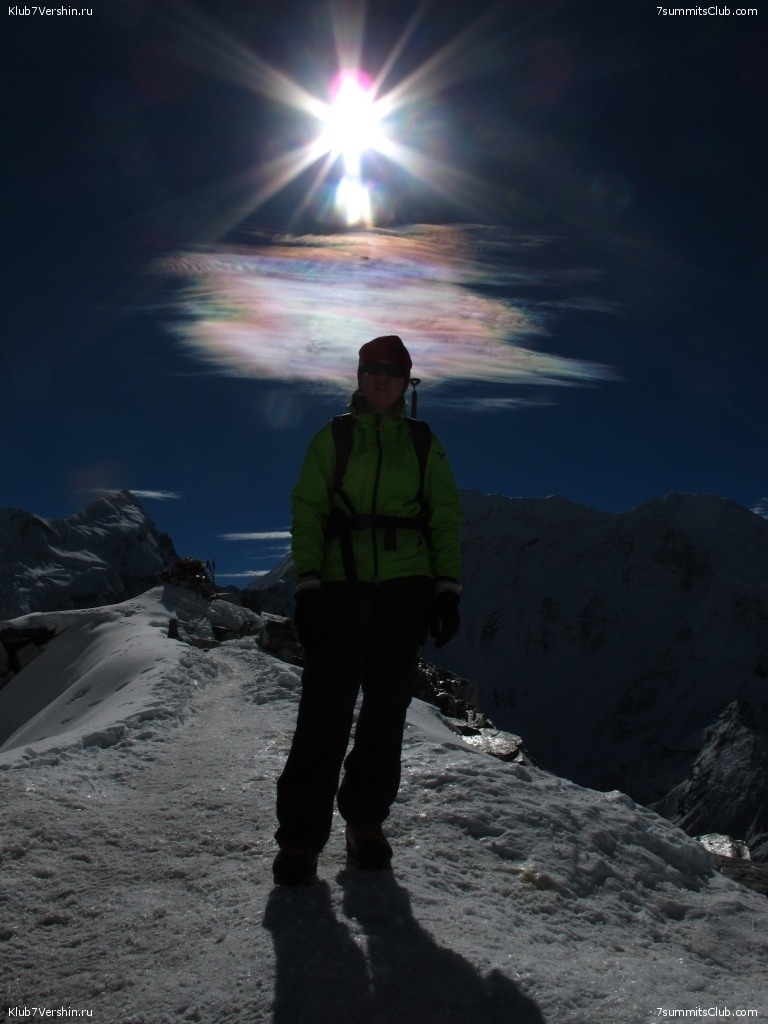
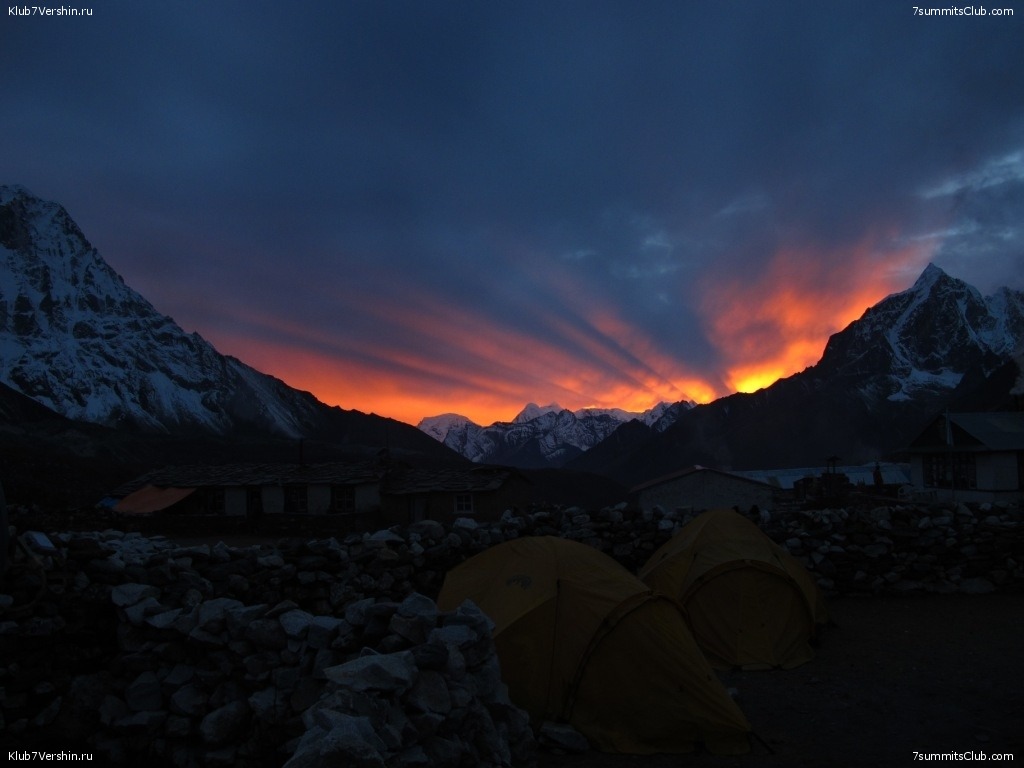
The weather has allowed the group to make a magnificent climb to the top of Island Peak. We got pictures that evoke a sense of great envy the lucky persons. We are waiting for them back home. A way to Lukla tomorrow, and the day after a plane to Kathmandu.




Group Victor Bobok is in Lobuche. Tomorrow go to the base camp of Mount Everest
Everest BC (Nepal).
Today, a group of 7 Summits Club under the leadership of Victor Bobok successfully overcame the Cho La Pass, leading from the valley Gokio in the Khumbu valley itself. For overnight they stopped at a lodge in the village of Lobuche. For ...
Today, a group of 7 Summits Club under the leadership of Victor Bobok successfully overcame the Cho La Pass, leading from the valley Gokio in the Khumbu valley itself. For overnight they stopped at a lodge in the village of Lobuche. For tomorrow is scheduled early exit, to climb Kala Patar, then to reach a place of base camp of Mount Everest and still have time to get down lower than Lobuche. All members of trip feel very good. And in the morning, and in the afternoon and in the evening. Especially at evening party. The fact is that six of seven members of the expedition play guitar quite well.
American Charlie Wittmack attempts ultimate triathlon
Everest BC (Nepal).
Charlie Wittmack plans a new slant on climbing Everest, by completing a triathlon that is being publicized as the possibly the toughest human endurance event yet conceived. The 33-year-old practising lawyer from Iowa, who is also involved ...
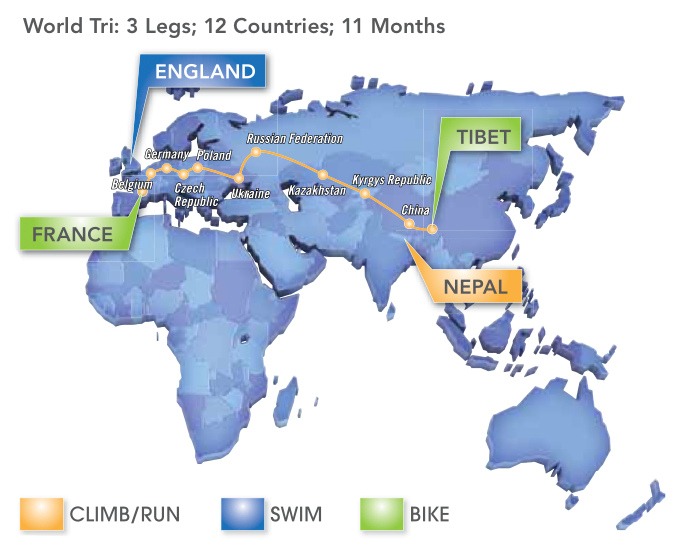
Charlie Wittmack plans a new slant on climbing Everest, by completing a triathlon that is being publicized as the possibly the toughest human endurance event yet conceived.

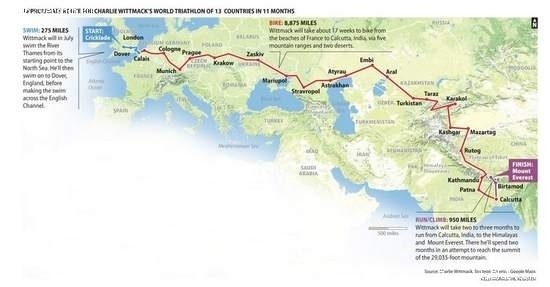
The 33-year-old practising lawyer from Iowa, who is also involved with the Department of Global Health at Des Moines University, starts in the UK with a 275-mile swim down the Thames to the sea and then across the English Channel to France.
From there he is planning to cycle 9,000 miles across Europe and Asia to reach the Bay of Bengal, his projected route taking in Ukraine, Russia, Kazakhstan, Kyrghyzstan and China.
He will then run c950 miles from sea level up to the Nepalese Himalaya, where he hopes to finish his odyssey on the summit of Everest.
Wittmack’s journey through 12 countries is planned to take 11 months, and is, inevitably, being documented by a film crew.
This is no hair-brained project from an inexperienced adventurer. For a start, Wittmack has already climbed Everest. In 2003 he reached the summit with a Sherpa companion in arduous conditions on their third attempt. His success on the world's highest peak came after seven years of ascents on well-known major summits around the globe.
He's also trekked across East Africa, sailed the Indian Ocean in a handmade boat, and made a c5,000-mile cycle ride across the United States.


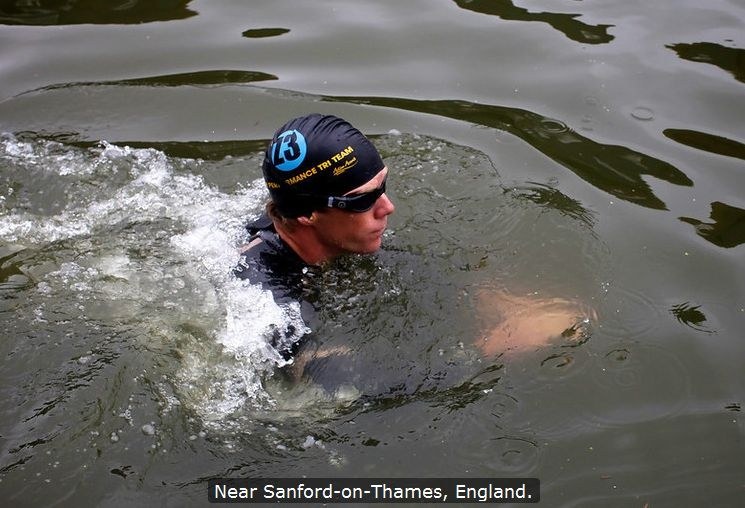
The English Channel remains his bête noire. In early 2008 he was placed first in the 32nd Annual Swim around Key West, a notoriously difficult marathon ocean race. However, during August that year, 15 miles into his attempt on the Channel, he was pulled out hypothermic and unconscious.
The World Tri, as the project is billed, is also attempting to raise money for education and global health. But not for the Triathlon itself, which is being totally financed by Wittmack and his wife Cate, who is a writer focused on maternal health and childhood education.
Keeping to schedule is important. It's difficult to get permission to swim the Channel and his pre-booked launch date is the 2nd August.
Wittmack also needs to reach China's border with Kyrghyzstan by the end of October, in order to allow enough time to cross the Tibetan Plateau to India before winter sets in.
But if all goes to plan he should be at Everest Base Camp before May 2011, in order to make an attempt on the summit.
Already, Wittmack has had to deal with a minor setback. Eight days into his swim down the Thames, he inadvertently took a small sip of water, spent that night being violently ill, and ended up having his first experience of the National Health System in a Maidenhead hospital.
He recovered swiftly and is currently around half way through the swim.
By Lindsay Griffin



International Mountain Day – Save the Hymalayas in Copenhagen
Happy International Mountain Day! Save the Himalayas The program will be organized as an accompanying event of the fifteenth conference of the United Nations Framework Convention on Climate Change to celebrate the International ...
Happy International Mountain Day!
Save the Himalayas
 The program will be organized as an accompanying event of the fifteenth conference of the United Nations Framework Convention on Climate Change to celebrate the International Mountain Day on December 11, 2009. Mountaineering icons, marching in summit gears on the streets of Copenhagen, will be joined by many mountain lovers in issuing a declaration to save the Himalayas from the impacts of climate change.
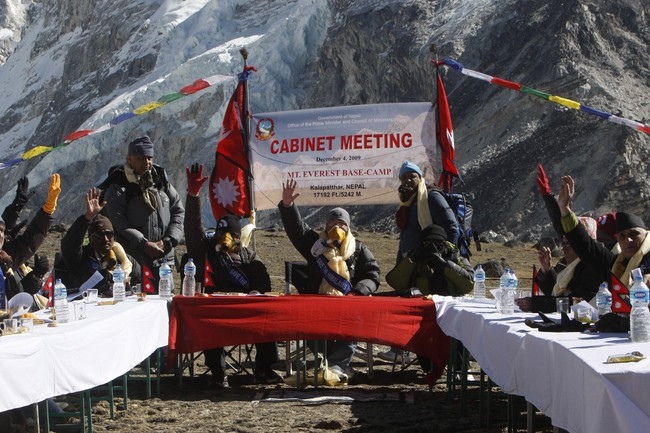
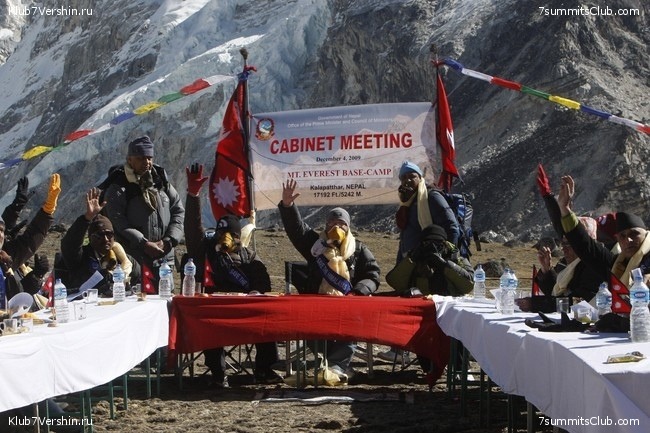
After holding a historic cabinet meeting at a Mount Everest base camp last week, Nepal is all set to organize a march by Everest summiteers at Copenhagen on December 11.
The hour-long march comprising mountaineers who have scaled the world’s tallest peak will coincide with International Mountain Day and highlight the threat posed to Himalayas by climate change.
“The march to be held on the sidelines of the Copenhagen meet will have mountaineers marching in full mountaineering gear to attract global attention to the issue,” said Deepak Bohara, Nepal’s minister for forest and soil conservation.
On Monday, a 57-member Nepalese delegation led by Bohara left for Copenhagen. Several other ministers including Deputy Prime Minister Sujata Koirala will leave soon to take part in the march.
The Nepalese team which comprises of 32 Mt Everest summiteers includes Apa Sherpa, who has climbed the peak a record 19 times, Min Bahadur Sherchan (77), the oldest climber and Nimduma Sherpa, the youngest woman summiteers.
Several Mt Everest summiteers from across the globe including Austrian Peter Habbler, who climbed the peak without oxygen cyclinder, Canadian Byron Smiths and the Mayor of Prague Pavel Bem are also expected to take part in the march.

http://www.savehimalayas.org/index.php
DECLARATION
The Summiteers’ Summit to Save the Himalayas Copenhagen, 11 December 2009
The majestic Himalayas, whose enthralling beauty have inspired awe and religious devotion in people around the world for millennia, continue to challenge the human spirit and contribute to the human experience. The Himalayas are the ‘water towers’ of Asia, feeding its largest rivers and nourishing hundreds of millions of people downstream. The Himalayas play an important role in global atmospheric circulation and are a sanctuary for unique biodiversity. The lofty peaks and mighty rivers have inspired civilizations and supported a mosaic of cultural diversity. The Himalayas, in essence, are a global treasure.
But the perils of climate change are threatening this treasure. Temperatures are rising rapidly at higher altitudes – several times higher than the global average. Glaciers are melting – changing landscapes and creating dangerous glacial lakes held back only by natural dams of rubble and ice. The ensuing changes threaten unique ecosystems and the lives of millions of people living in the mountains and downstream who eke out their livelihoods from diverse mountain resources. The menace of climate change on the Himalayas will manifest far and wide in the form of drought, flood and sea level rise. As the seas rise, there is no refuge from climate change even at the highest altitudes.
We, the undersigned, confirm the vital importance of the Himalayas and recognize the risks posed by climate change; we call upon the world community:
• To focus attention to the challenges of climate change in the Himalayas and downstream.
• To value their unique contribution to human adventure, global ecology, and regional river systems;
• To safeguard Himalayan ecosystems which provide essential services to millions of people living in the mountains and on the plains.
• To enable mountain peoples to meet the unfolding challenges of climate change.
• To save the Himalayas for the current generation and for generations to come.
The highest ever Cabinet meeting
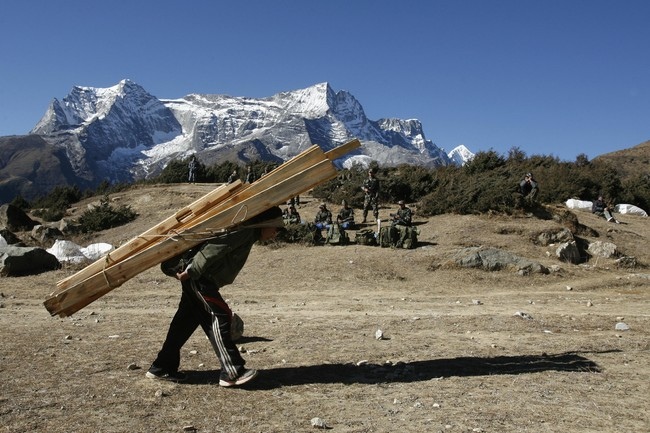
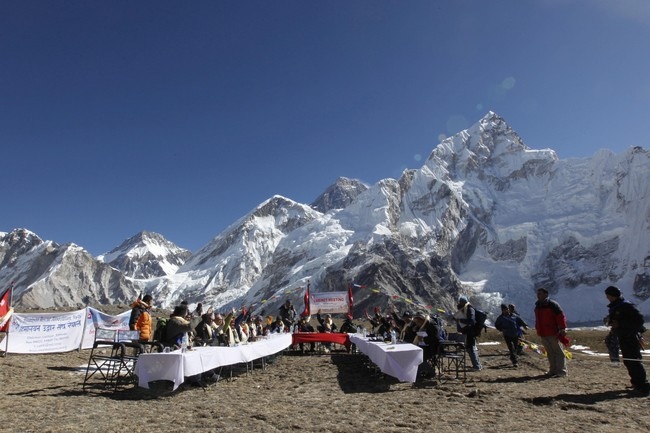
After passing initial health check-up in Syangboche, twenty-four Cabinet ministers, including Prime Minister Madhav Kumar Nepal, have reached Kalapatthar plateau near Everest Base Camp at an altitude of 17,192 feet (5,242 meters) at 9:20 a.m on Friday morning to hold the historic Cabinet meeting set in the backdrop of the majestic Himalayas, including Mt. Everest, the world's tallest mountain.
The Cabinet meeting will be held for around 30 minutes to draw global attention to the threat of climate change in the Himalayas. It is set to declare Banke National Park as new national park and Api-Nampa and Gauri-Shankar as conservation areas.
A rescue team led by Usha Gurung along with six doctors and a team of mountaineers are accompanying the ministerial team for this historic event.
The government will make public the decision of the Cabinet at a press meet after arriving in Syangboche (3,780 m) later.
Speaking to media-persons before the ministerial team was air-lifted to Kalapathhar, Minister for Forest and Soil Conservation Dipak Bohora said that the Government of Nepal is holding the Cabinet meeting to draw the attention of the world to the threats of climate change in the Himalayas and the people living in the region.
The Cabinet is set to endorse the agenda prepared for the UN climate change summit to be held in Copenhagen.
State-owned Nepal Television is broadcasting the special event live from Kalapatthar.
Twenty four Cabinet ministers, including PM Nepal, had reached Lukla Airport in Solukhumbu district on Thursday to take part in the historic meeting. However, four ministers missed the meeting.
A large number of national and foreign journalists, health and technical teams had reached Syangboche on Thursday to cover the rare media event.
The high-altitude Cabinet meeting has attracted international attention, especially as it comes on the eve of the Copenhagen summit. nepalnews.com