"7 Volcanoes" project news - Page 109
Team of climbers for the Mount of Sidley
Sidley.
As we reported, on January 10 the second in the history expedition to the summit of the highest volcano in Antarctica -Mount Sidley will start. This very remote from civilization mountain is part of the project seven highest volcanoes of ...
As we reported, on January 10 the second in the history expedition to the summit of the highest volcano in Antarctica -Mount Sidley will start. This very remote from civilization mountain is part of the project seven highest volcanoes of continents. A group of the 7 Summits Club for Mount Sidley climb consist of Vyacheslav Adrov and Vitali Simonovic. Permanent guide of ALE David Hamilton goes with them. Multiple summiter of Mount Everest, he had (early in his career, in the first half of the 90) lots of climbs in the Caucasus. Another partner and a client oa ALE - it will be a Canadian climber, doctor of geology Paul George Nicholson.
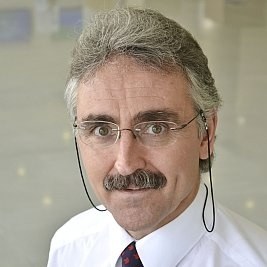
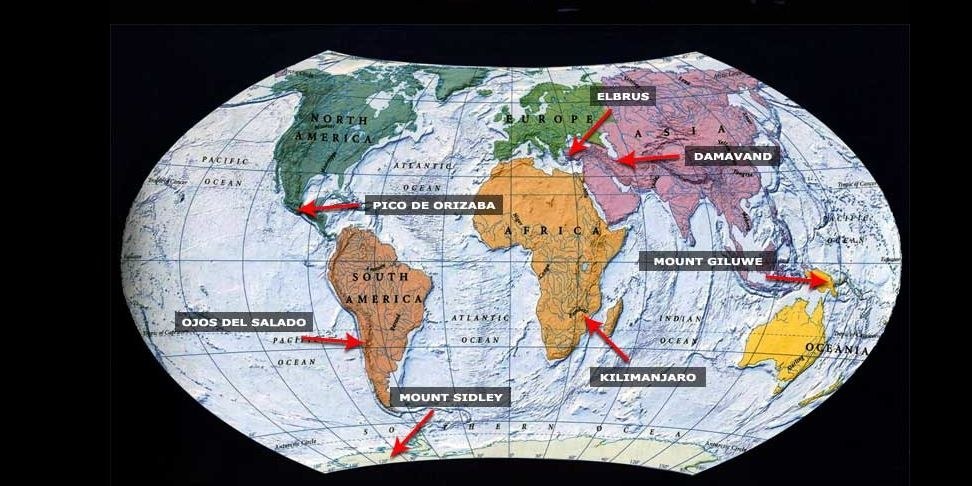
Paul Nicholson - a Canadian geologist, constantly working in Saudi Arabia. He works in the oil industry - Saudi Aramco. In his spare time, he studied all the traces of volcanic activity in the Arabian Peninsula. Paul went on five continents for climb the highest volcanoes. In case of success at Sidley, he will ascend to the Ojos del Salado, to become the third in the list "seven volcanoes" climbers after Mario Trimeri and Coco Popescu.
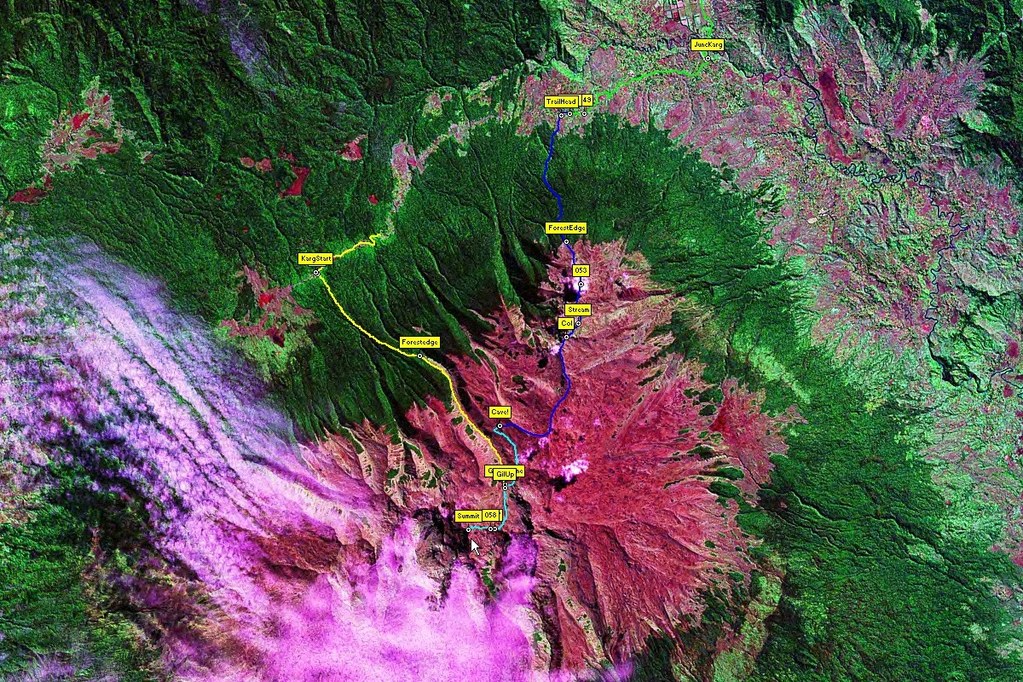
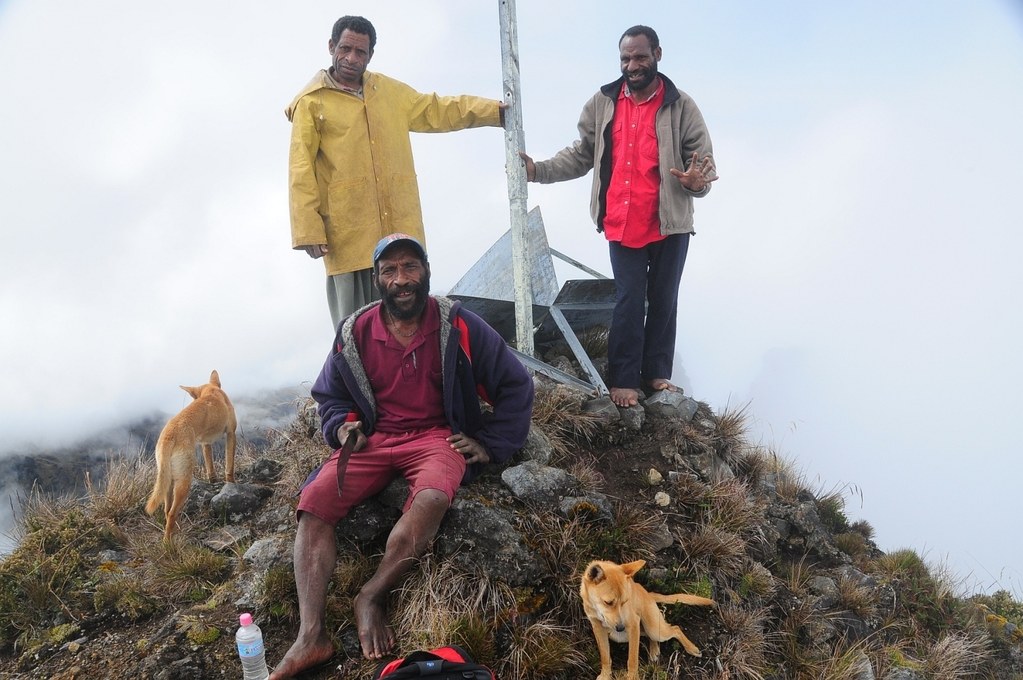
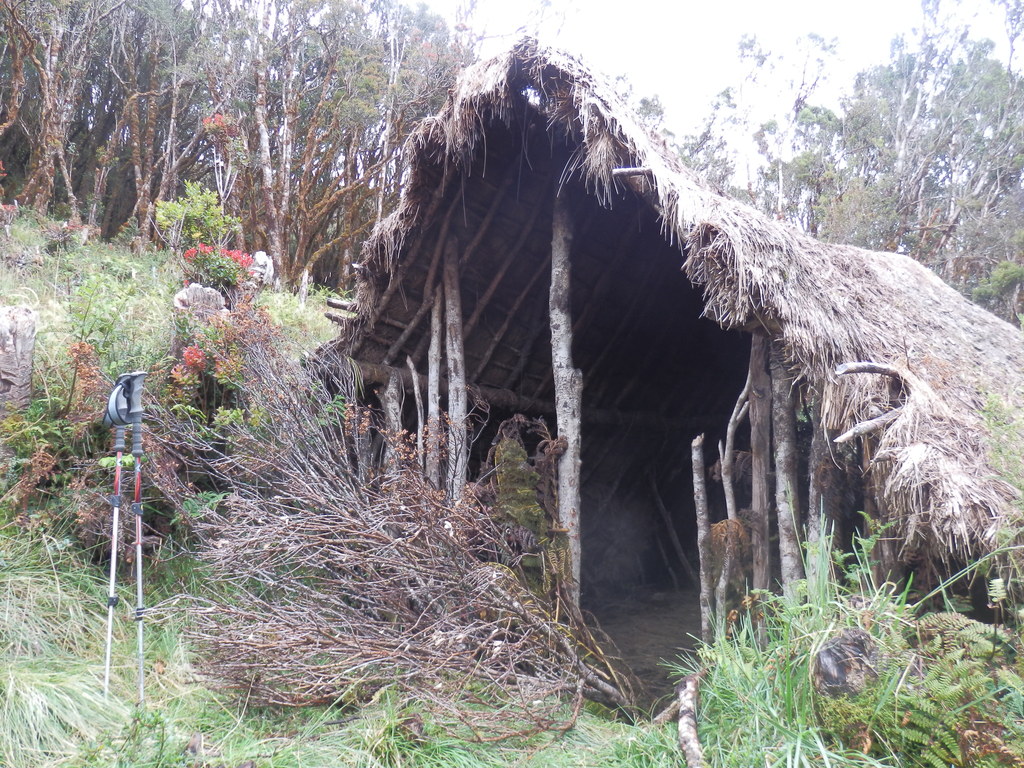
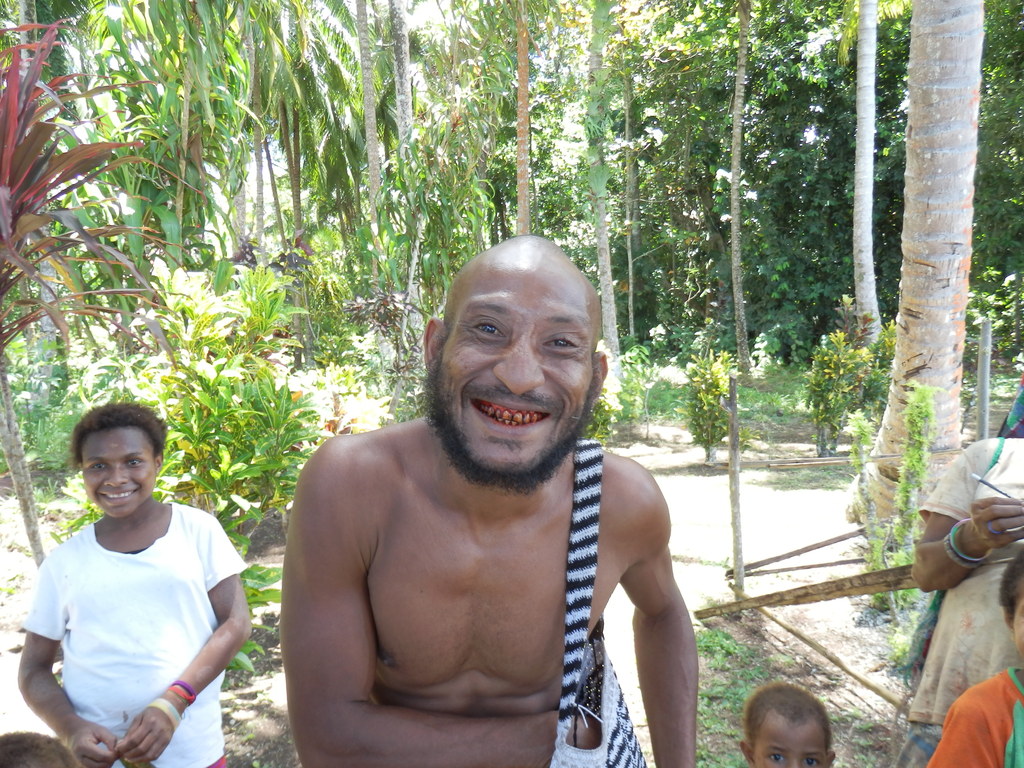
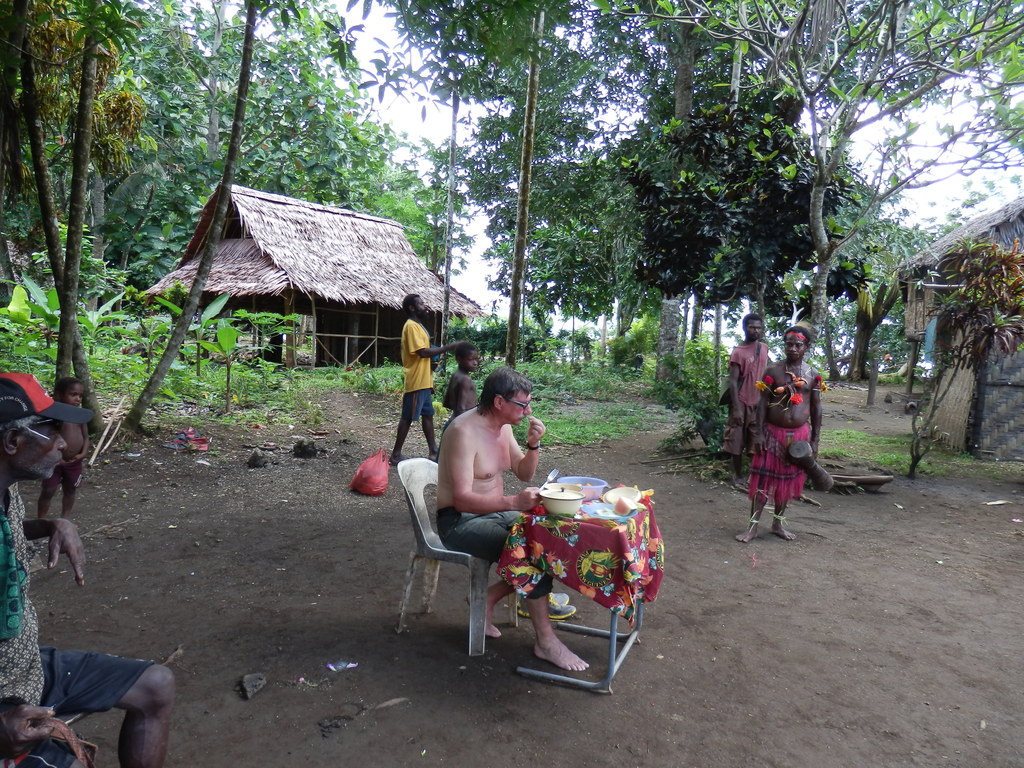
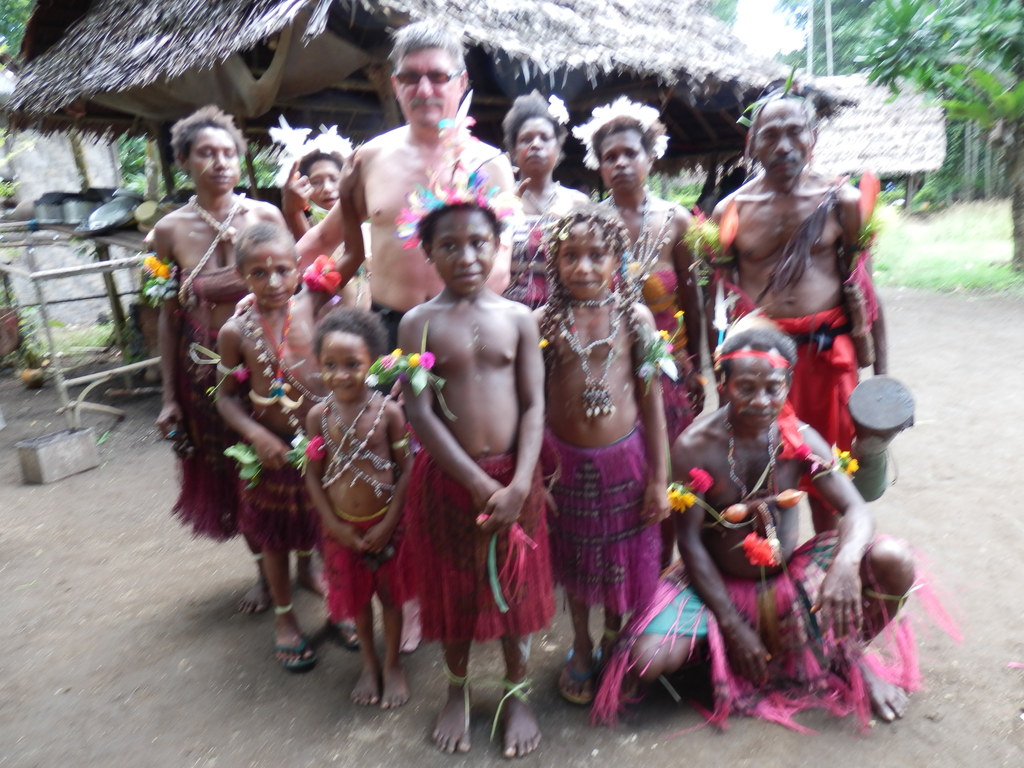
Paul sent us pictures from his ascent of Mount Giluve( Australian continent)
Date of ascents Paul Nicholson
Giluve, 14/09/2008
Damavand, 08/07/2007
Kilimanjaro, 17/11/2004
Orizaba, 16/11/2010
Elbrus, 17/08/2005
Additional objects:
Ararat, 29/08/2011
Nicholson
Photos from Giluve


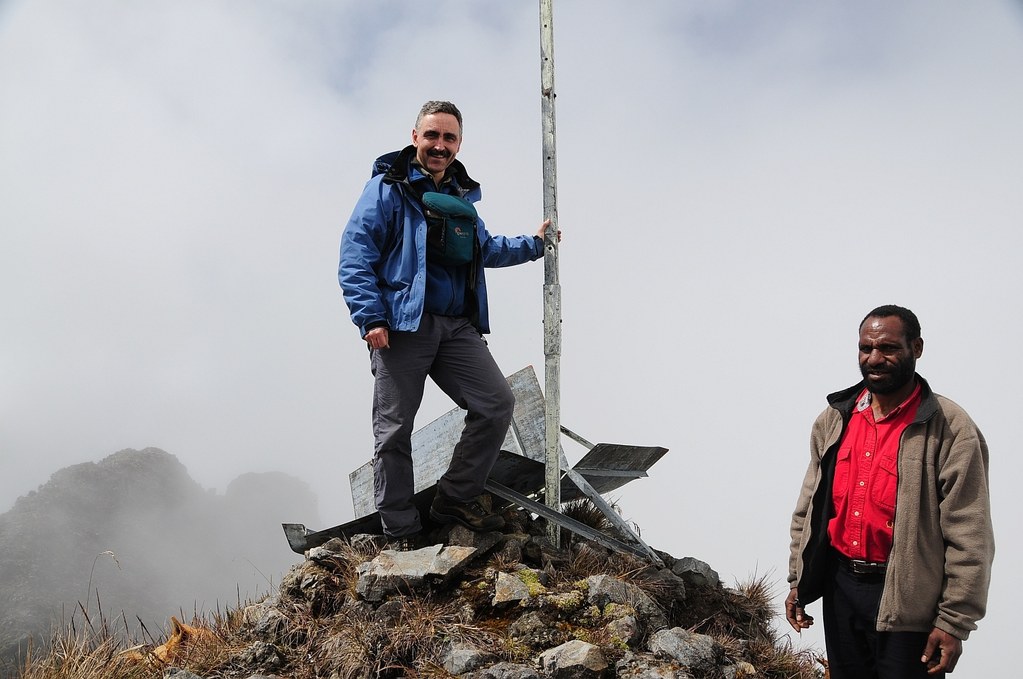
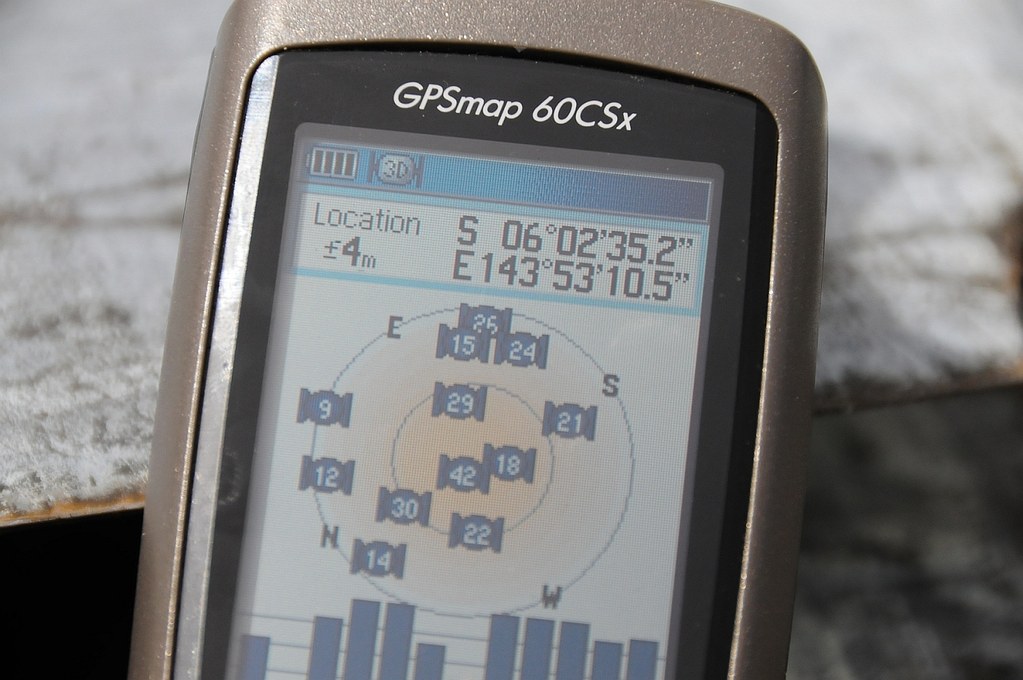
Photo Gallery of Sidley 2011 (Alex Abramov)
Irish climber Ian McKeever killed on Mount Kilimanjaro
Kilimanjaro.
Ian McKeever once held the record for completing the seven highest peaks in the world in the fastest time An Irish mountaineer and charity fundraiser has died while climbing Mount Kilimanjaro inTanzania. Ian McKeever, who was 42 and from ...
Ian McKeever once held the record for completing the seven highest peaks in the world in the fastest time
An Irish mountaineer and charity fundraiser has died while climbing Mount Kilimanjaro inTanzania.
Ian McKeever, who was 42 and from Lough Dan in Wicklow, was leading a group of climbers when they were struck by lightning.
Mr McKeever was a leading member of the Kilimanjaro Achievers Team, a group of veteran climbers which led groups to the top of the mountain.

In 2007, the adventurer had scaled Mount Everest.
He is also the former holder of the record for completing the seven highest peaks in the world in the fastest time - 32 days fewer than the previous record.
In 2009, he was part of a team that attempted to row the South Atlantic Oceanin under 30 days, but the boat lost its rudder and they were forced to postpone the attempt.
More recently he had been attempting, along with African climbing guide friend Samuel Kinsonga, to break the record for the fastest ascent of Kilimanjaro, as part of their anti-racism Black and White Makes Sense Campaign.
Mr McKeever was the author of two books - Give Me Shelter and Give Me Heroes - and was working on a third book Give Me 28 Days.
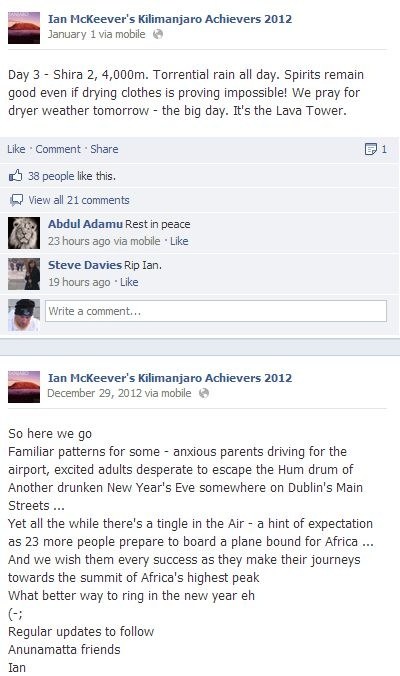
On his Facebook page on Wednesday night, a statement said: "It is with deep regret, that we, Ian's family, fiancee Anna and friends, advise of his sudden death on Kilimanjaro, today, doing what he loved best."
Mr McKeever had been posting messages on the site during the ascent of the mountain.
His last post, on Tuesday, said: "Shira 2, 4,000m. Torrential rain all day. Spirits remain good even if drying clothes is proving impossible! We pray for dryer weather tomorrow - the big day. It's the Lava Tower."
It is understood none of the other climbers suffered serious injuries.

In a message of condolence, Irish Prime Minister (Taoiseach) Enda Kenny said: "I was very saddened to hear of the death of renowned adventurer Ian McKeever.
"I had come to know him over recent years and I admired him not only for his own achievements and charity work but also for his work with young people in challenging them to achieve their full potential.
"He was extremely passionate about what he did and driven in his belief that everybody can achieve their potential during their lifetime.
"Ian said to me once that there was no place he would rather be than in the mountains."
Source: http://www.bbc.co.uk/news/world-europe-20896985
Site of the project:
http://www.kilimanjaroachievers.com/Team.html
Seven Summits record
“My Dad phoned my Mum from the hospital yesterday to convey the very sad news. He said that he was fine but he was thrown into the air by a bolt of lightning, so I’m anxious to hear from him again.”
Mr McKeever had climbed Kilimanjaro several times, often leading groups of youngsters, and was on this occasion leading a large team of mostly Irish climbers raising money for charity.
The attempt on the 19,340ft mountain,Africa’s tallest, began on December 30 and immediately ran into unseasonal bad weather.

On Mr McKeever’s Kilimanjaro Achievers Facebook page, colleagues wrote that the group was above 13,000ft but that conditions had been terrible throughout the climb.
“Torrential rain all day,” they wrote on Wednesday. “Spirits remain good even if drying clothes is proving impossible! We pray for dryer weather tomorrow – the big day.”
They were due to ascend to the Lava Tower, a key point of acclimatisation at 15,000ft, before descending slightly to sleep before pushing higher towards the summit, which they aimed to reach late on Friday.
The storm is understood to have worsened as the group was climbing towards theLavaToweron Wednesday.
Mr McKeever died later that evening.
Among those taking part in the climb was a school group from Ballinamore in north-westernIreland, with four students and a teacher, Aoife Ni Mhaille.
Padraig Leyden, head of St Felims College, said he had a brief conversation with Miss Ni Mhaille.
“It was very frightening and very severe,” Mr Leyden told The Daily Telegraph. “The group hid behind rocks for the entirety. I do not know whether they witnessed what happened.
“They were taken off the mountain and were brought to a local hospital for checks. All the students are physically fine, but naturally very upset about what’s occurred.”
Tributes poured in for Mr McKeever and his achievements during a decade-long mountaineering career in which he set a world record for the fastest successful summiting of the highest peaks on all seven continents, finishing the feat in 156 days in 2007.
Pat Falvey, renowned Irish explorer, said Mr McKeever “followed his dreams with conviction and inspired others”.
“It was a freak accident and a complete fluke,” he told the Irish Independent. “I have lost two friends in lightning strikes, including one on theHimalayas— but they are very rare on Kilimanjaro.”
Taoiseach Enda Kenny said: “Ian said to me once that there was no place he would rather be than in the mountains.
“I would like to extend my sympathies to his fiancee Anna and his family, friends and fellow adventurers.”


Artem Rostovtsev with a group on Kilimanjaro
Kilimanjaro.
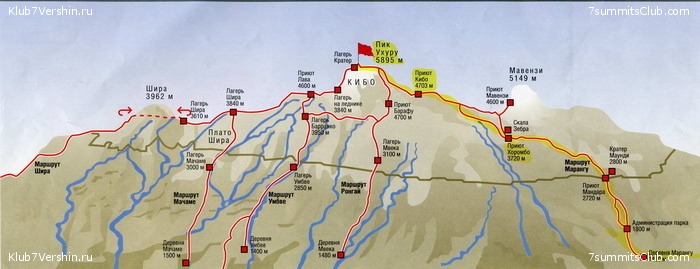
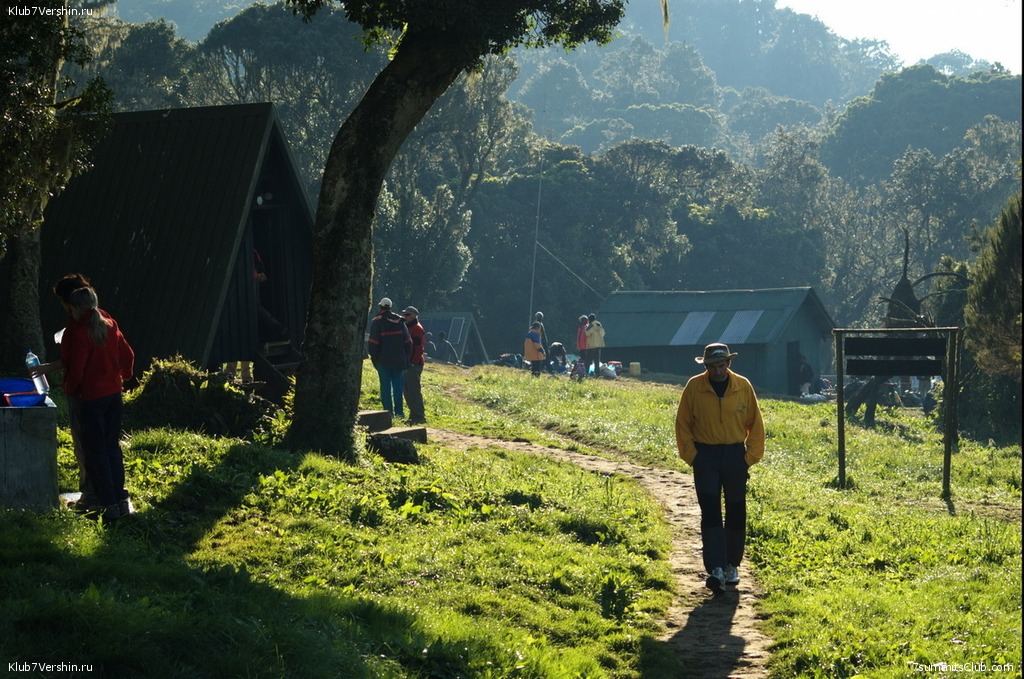
Hello! This Artem Rostovtsev, from the slopes of Kilimanjaro. We are now in the camp of Mandara. Today, the entire group met inAfricaand we have started a program Climbing Kilimanjaro.
Hello! This Artem Rostovtsev, from the slopes of Kilimanjaro. We are now in the camp of Mandara. Today, the entire group met inAfricaand we have started a program Climbing Kilimanjaro.
Victor Bobok and Igor Cherkashin on the top of Orizaba
Orizaba.
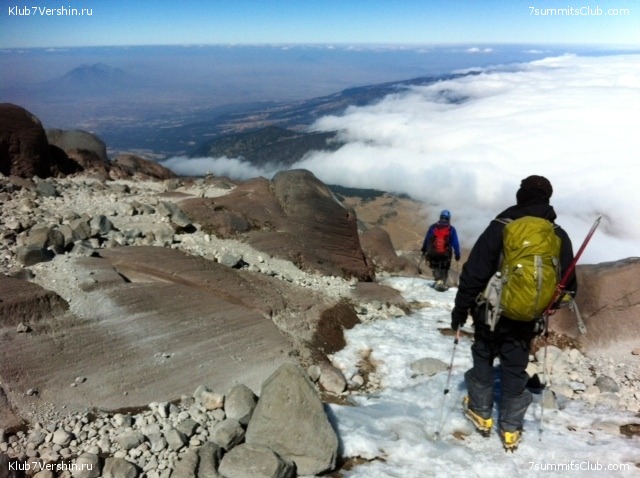
Victor and Igor climbed Orizaba on the day of expecting of the end of the world. They are with local guides Alfredo and Israel, and they all reached the top first, in a very good pace. The weather was very good, a stunningly beautiful ...
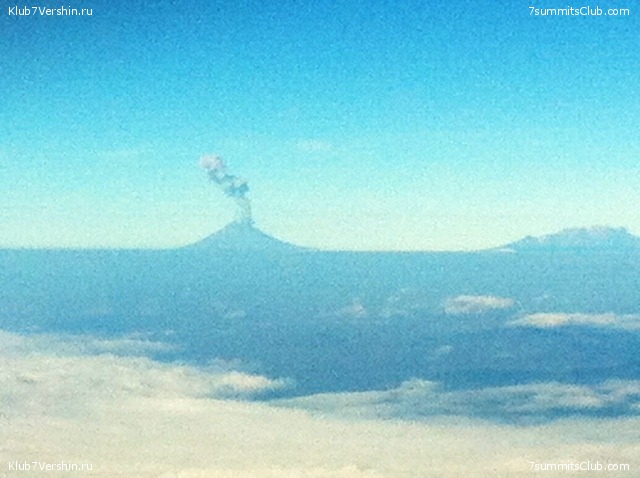
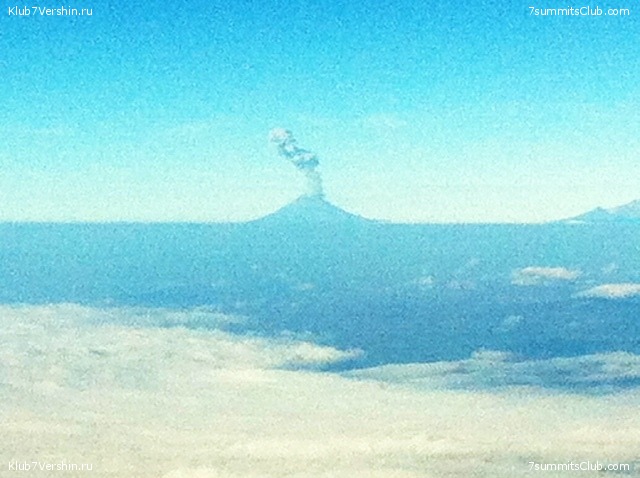
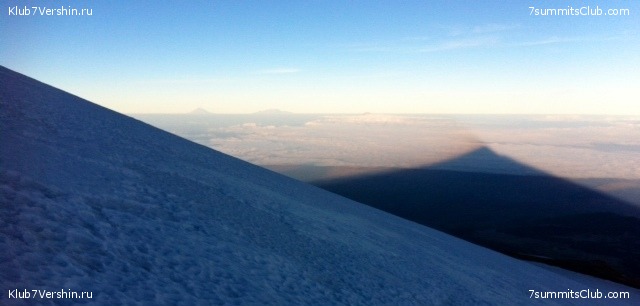
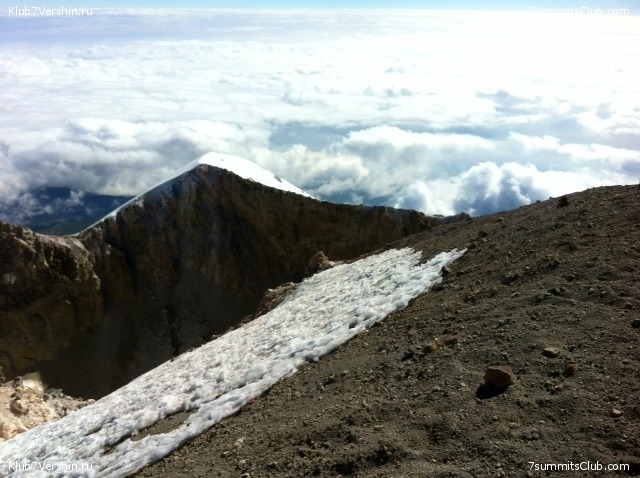
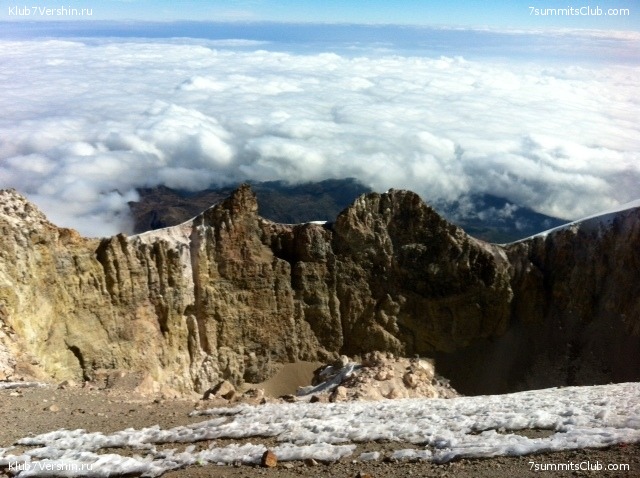
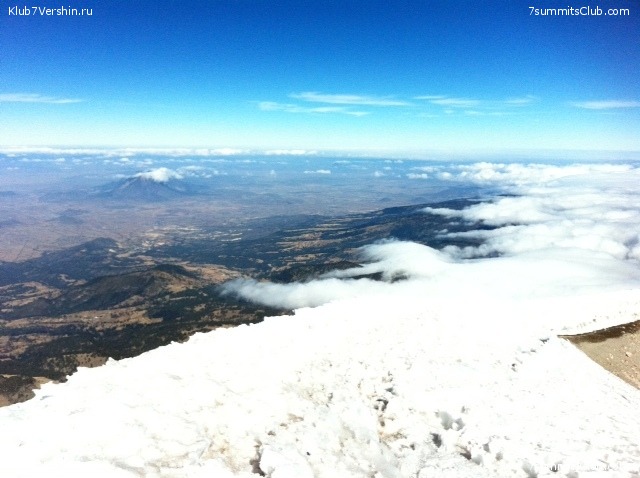
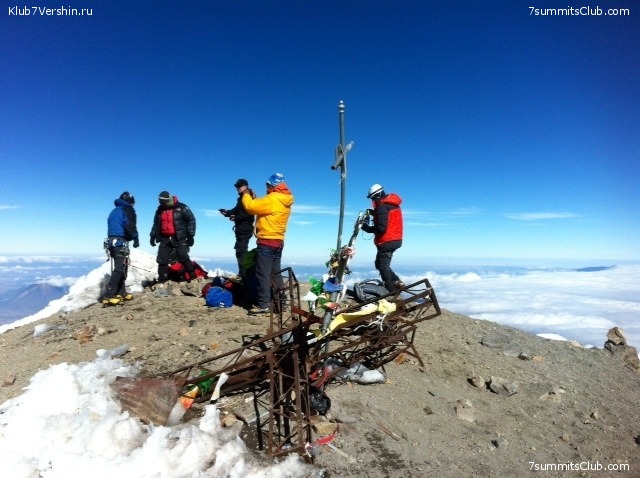
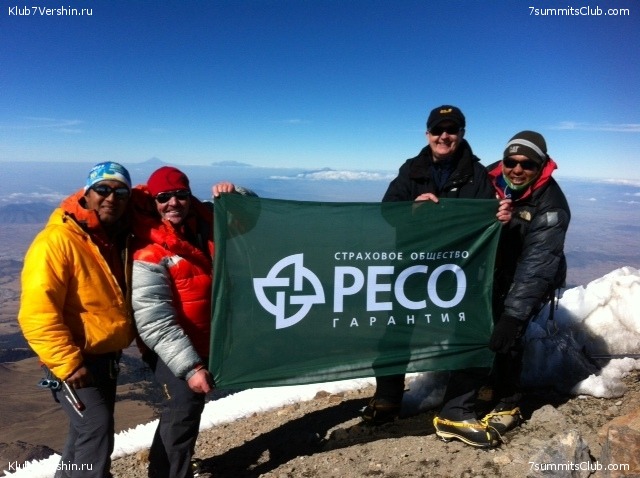
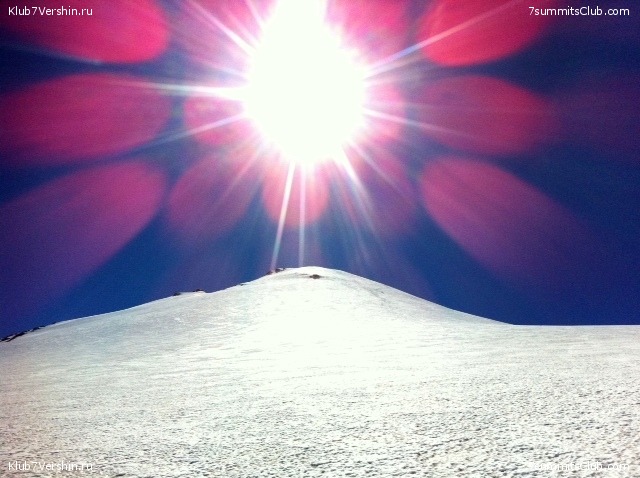
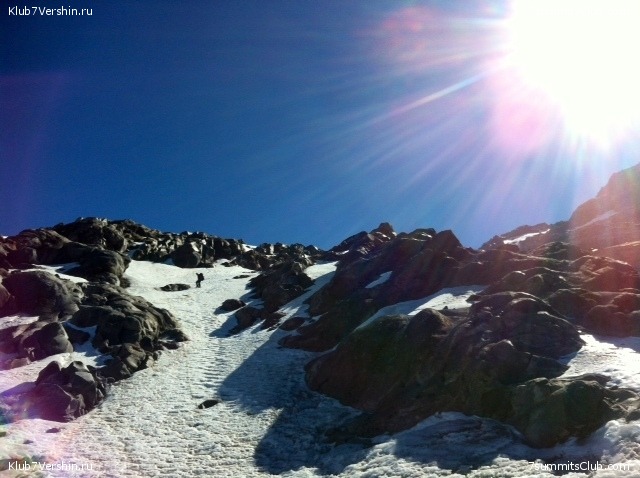
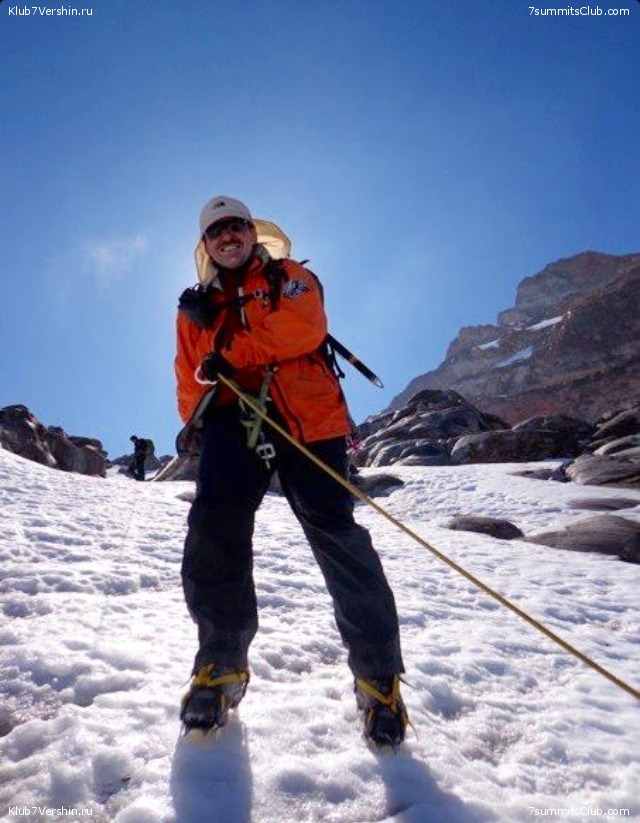
Victor and Igor climbed Orizaba on the day of expecting of the end of the world. They are with local guides Alfredo and Israel, and they all reached the top first, in a very good pace. The weather was very good, a stunningly beautiful sunrise. Popocatepetl volcano reminded that it is the day of the end of the world. It noted by a very beautiful eruption. The descent was normal, the climbers arrived in jeeps to the city of Puebla, where they fell on the bed for sleep.
Alanian way was presented by series of beautiful photos and movies
Elbrus.
The North Caucasian Mountain Club - is one of the organizations created by the North Caucasus Development Corporation. Its staff has organized the past autumn research and promotional jeep tours along so-called Alanian way. Alanian way - ...
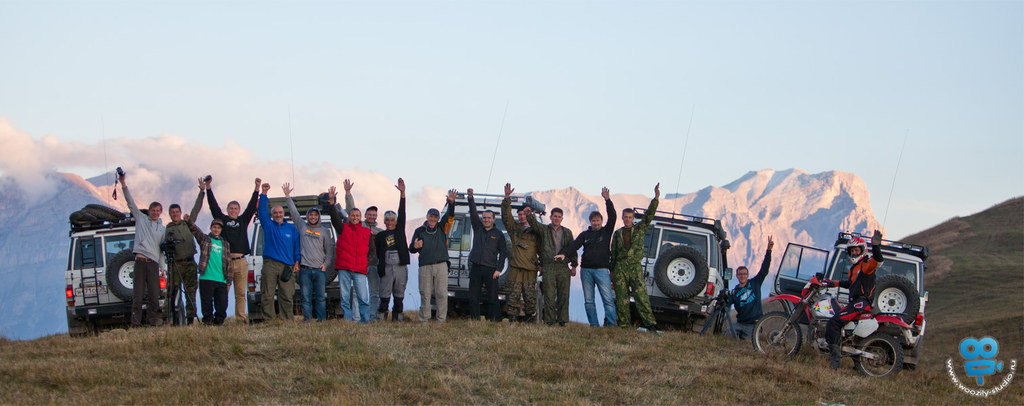
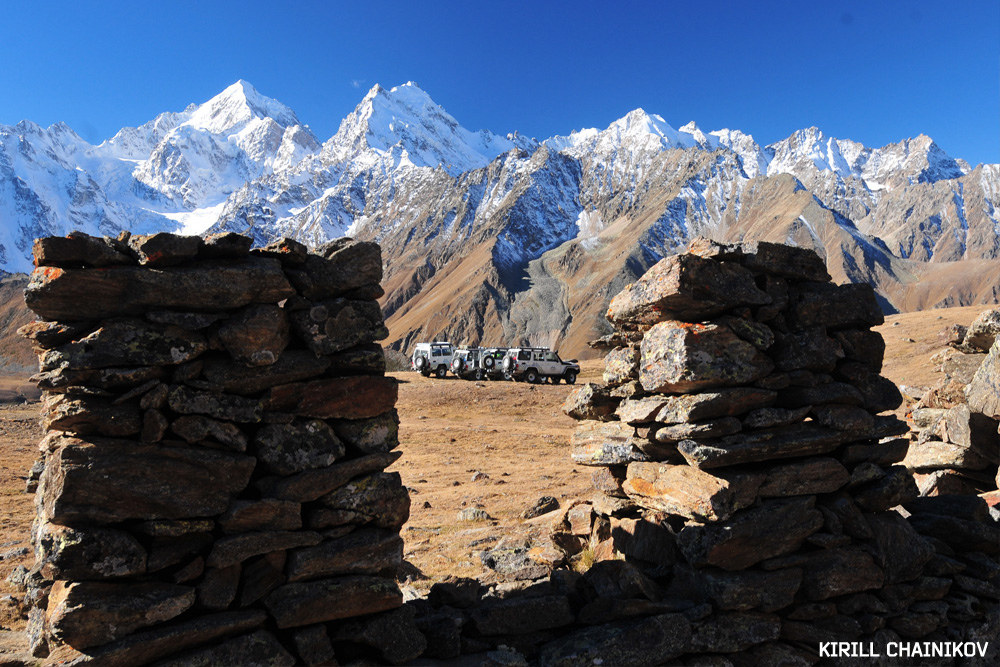
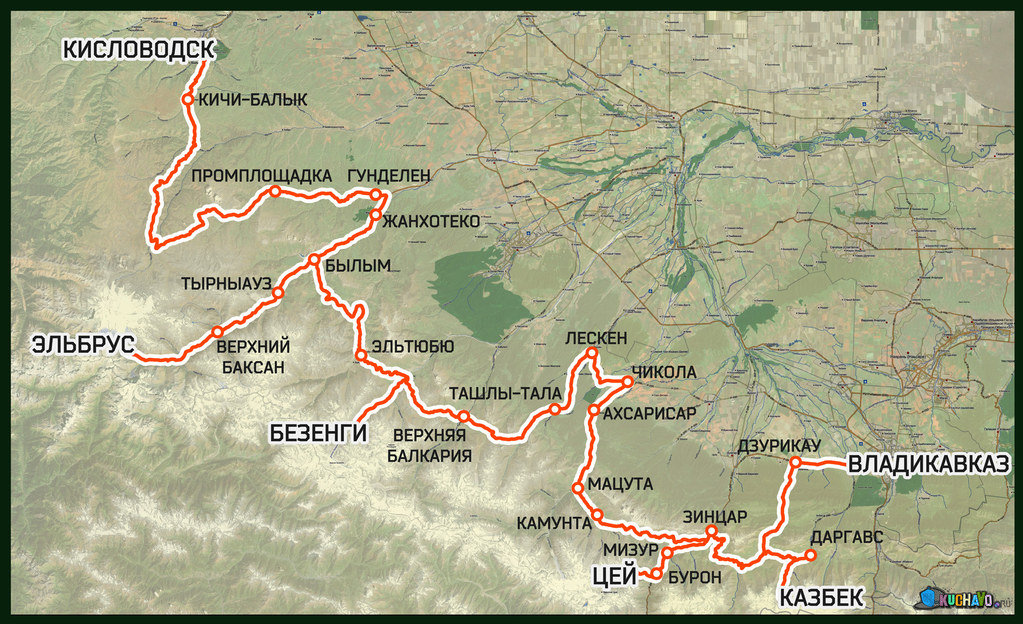
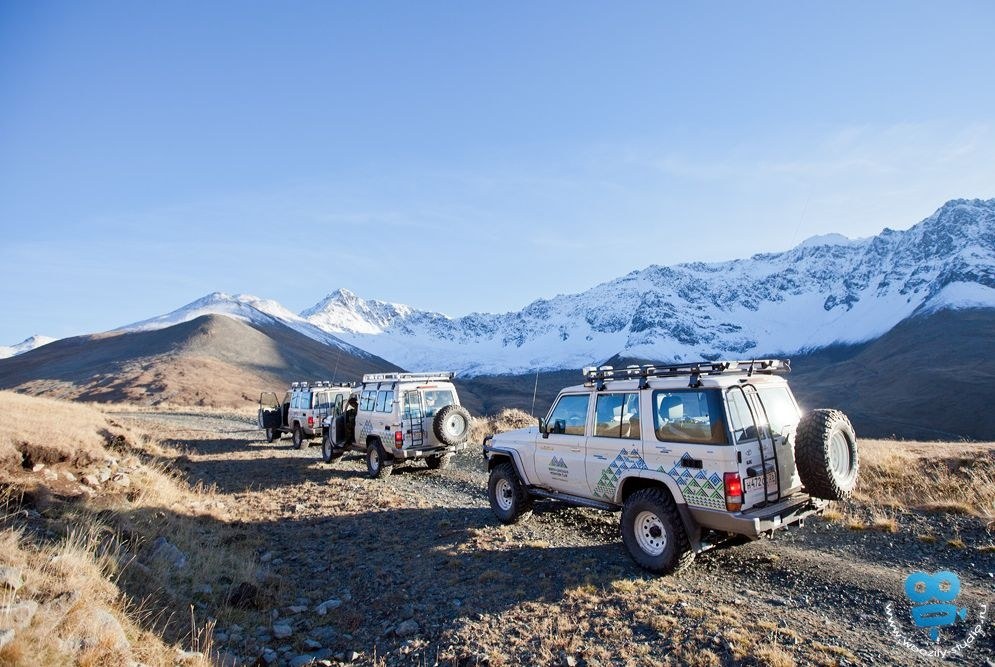
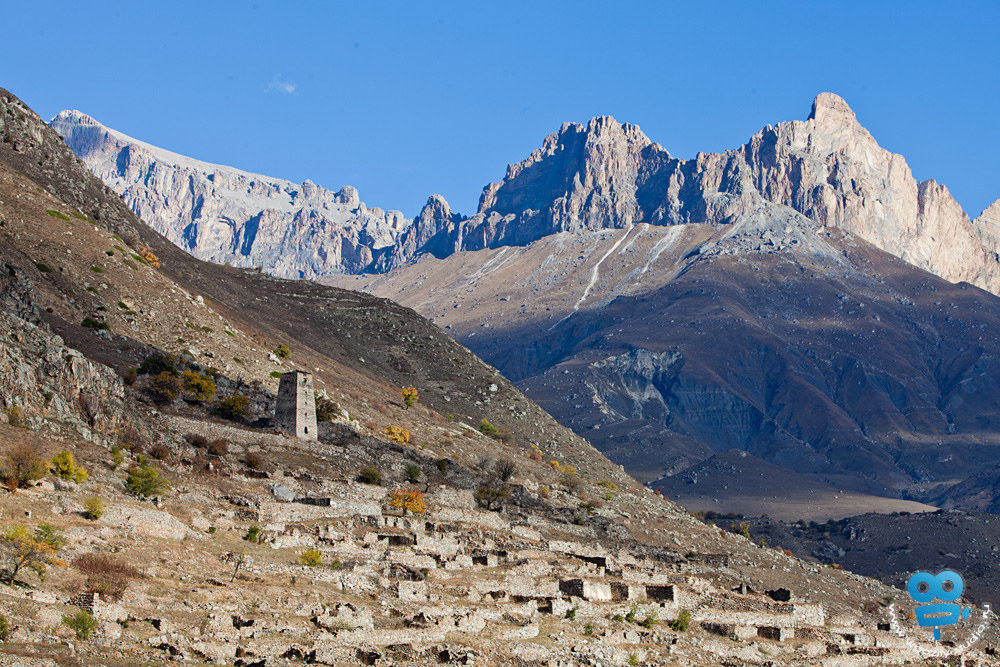
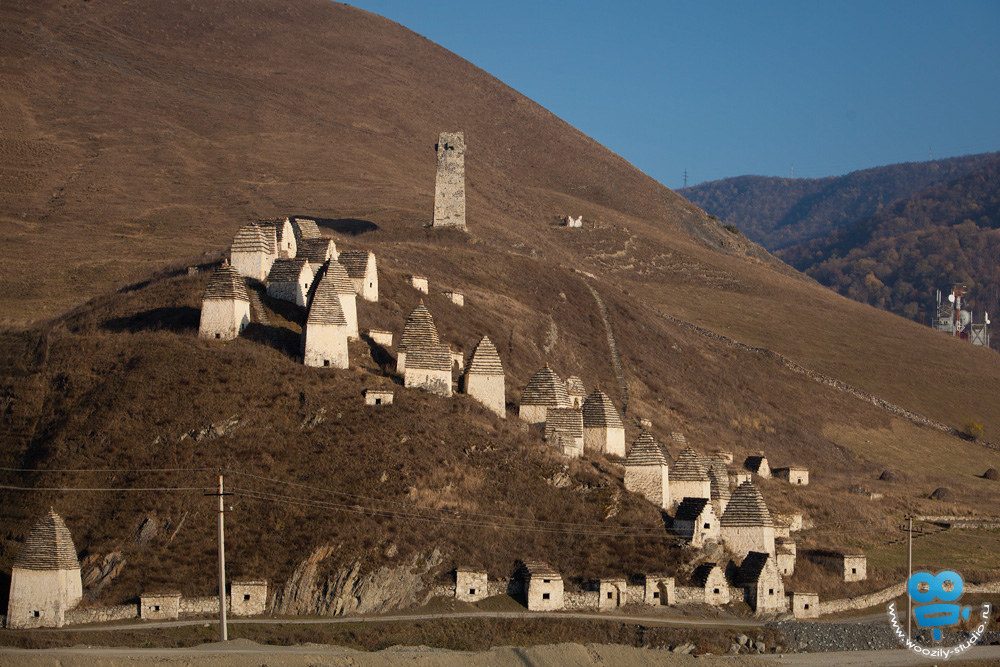
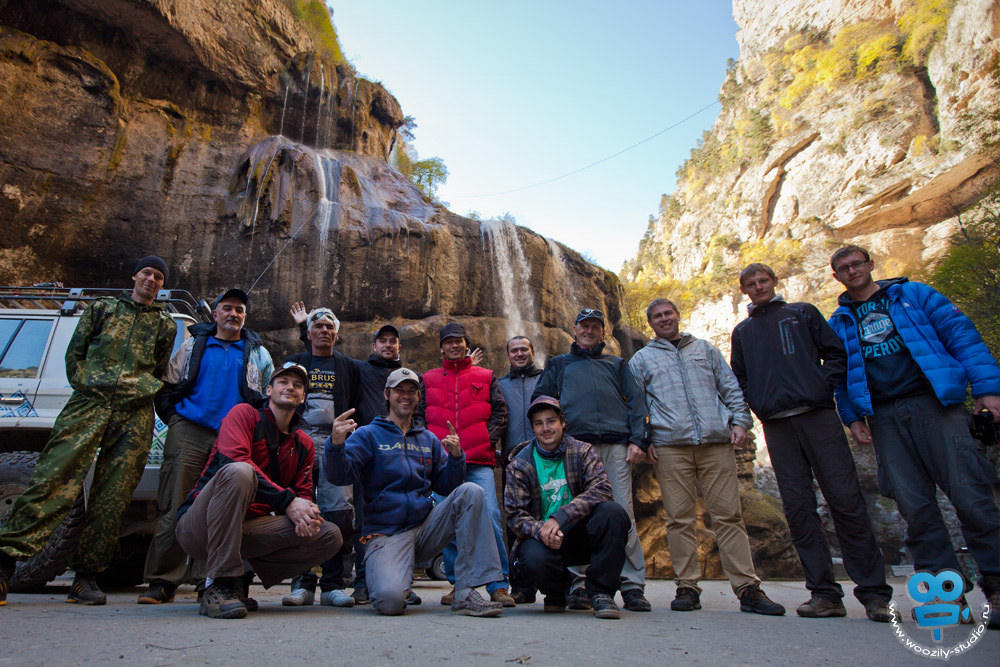
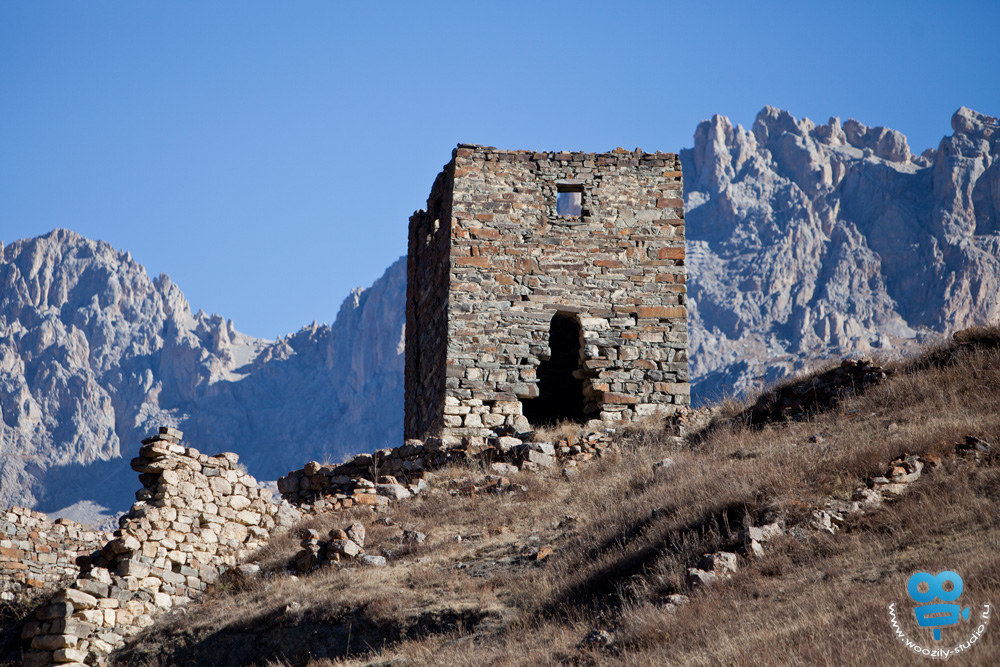
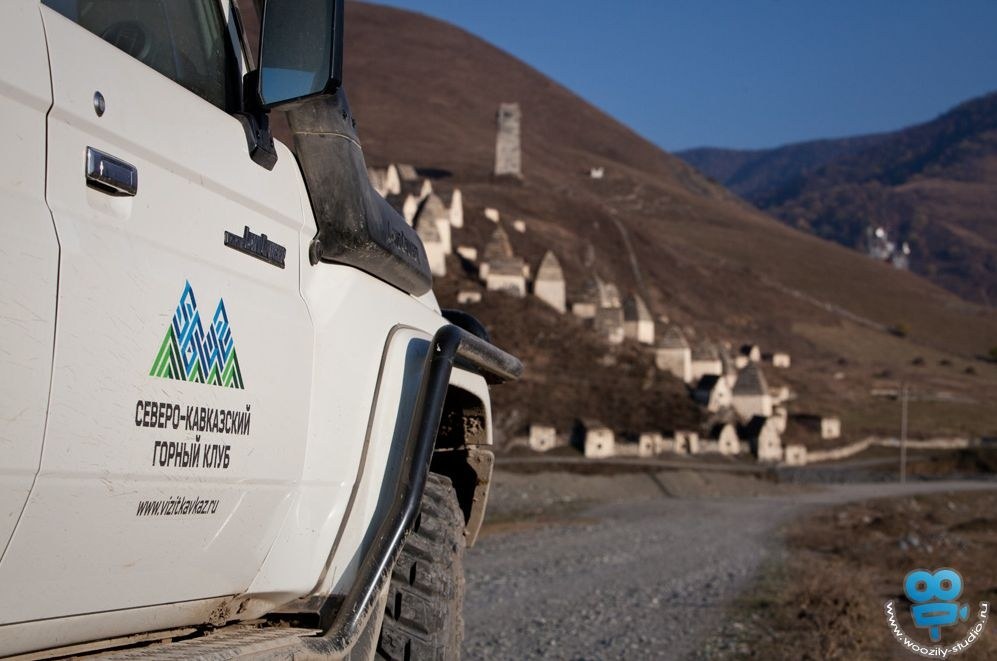
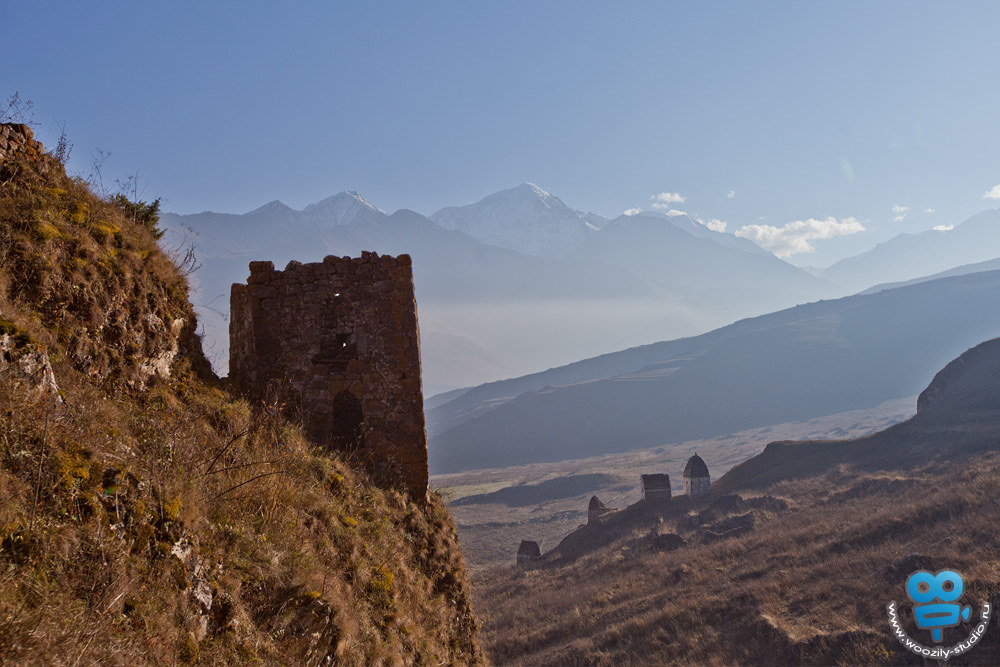
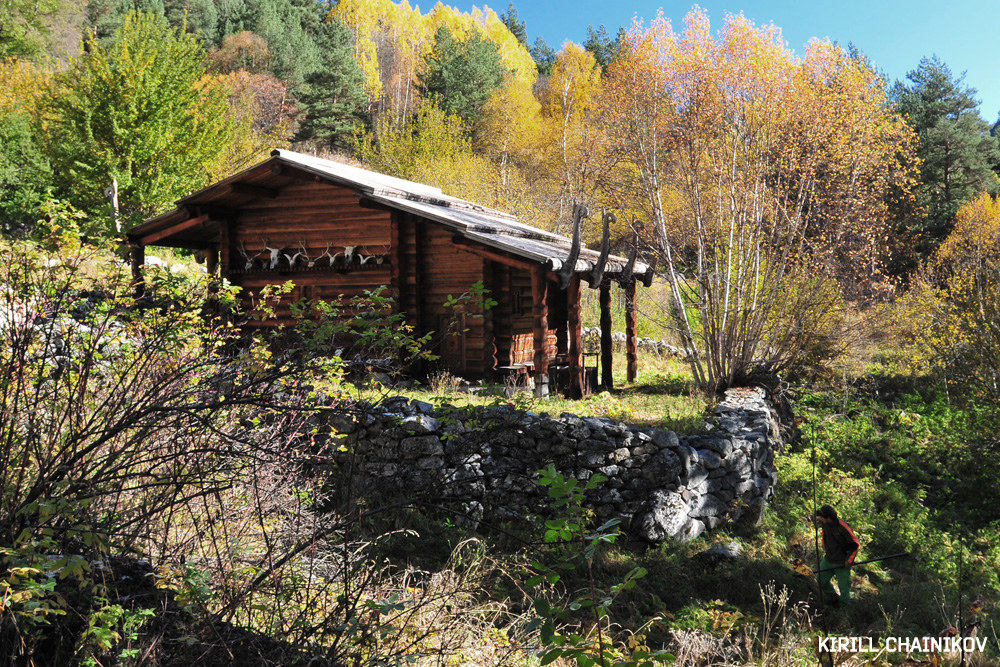
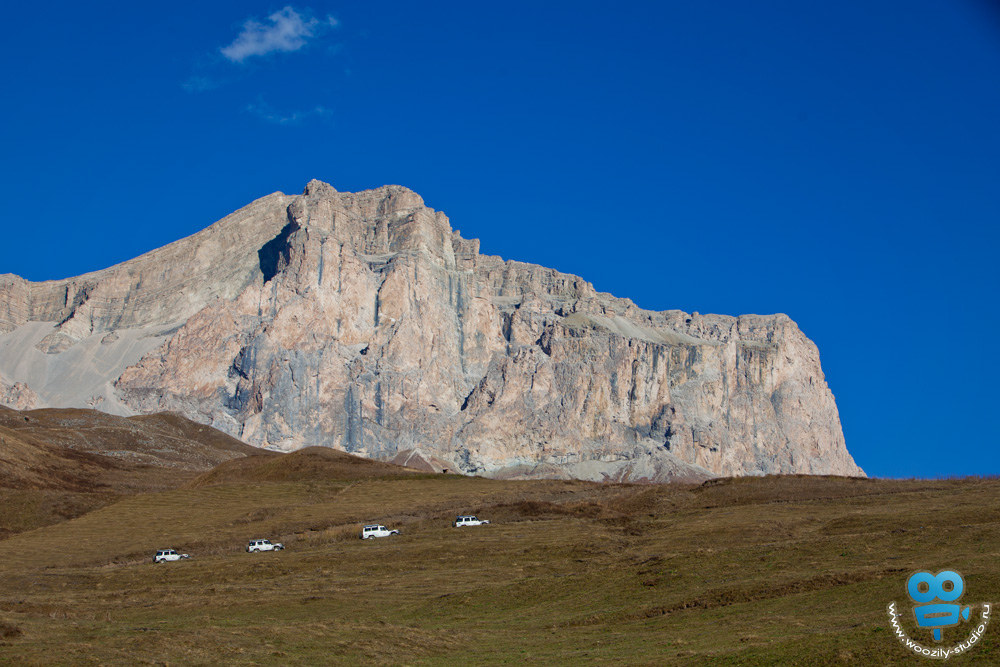
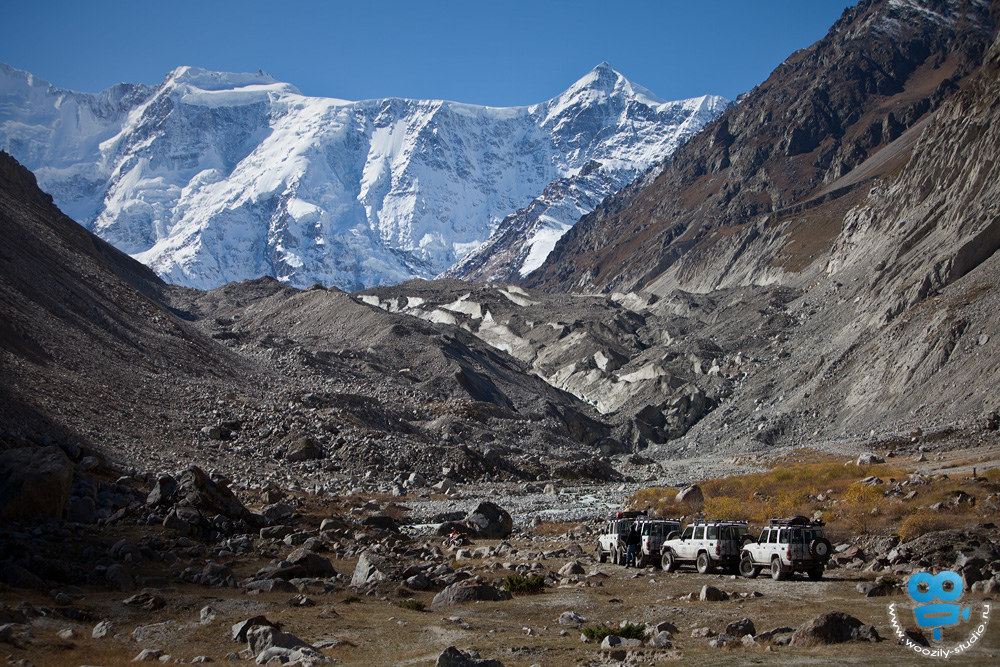
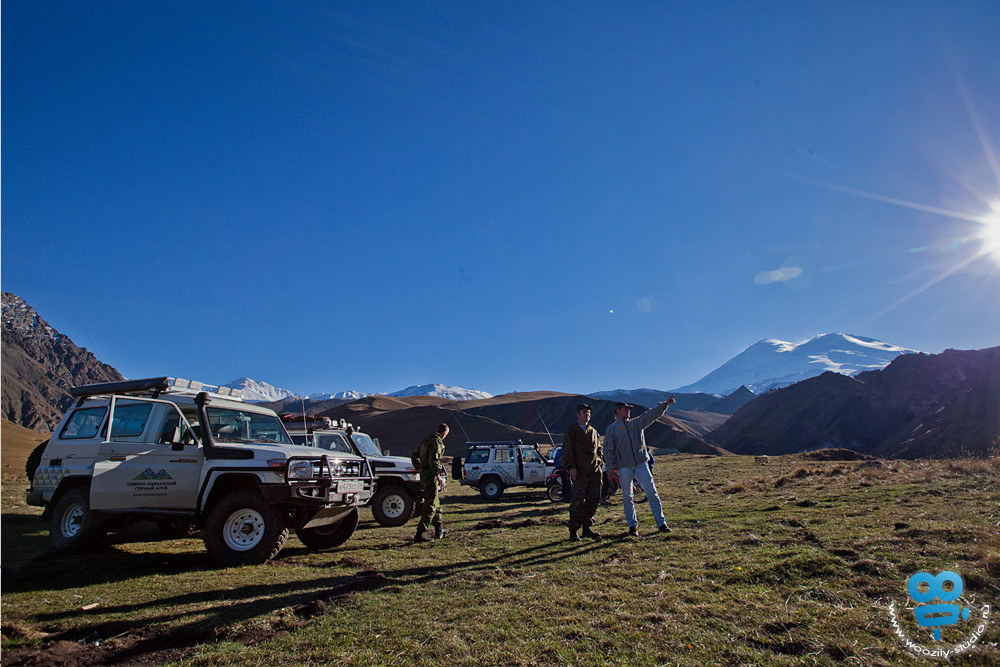
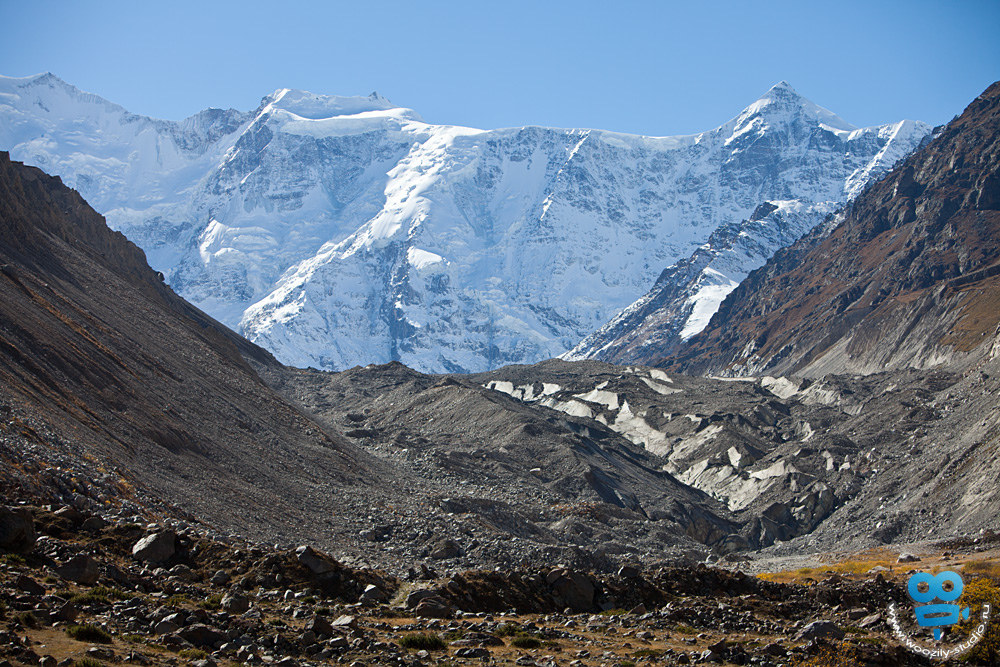
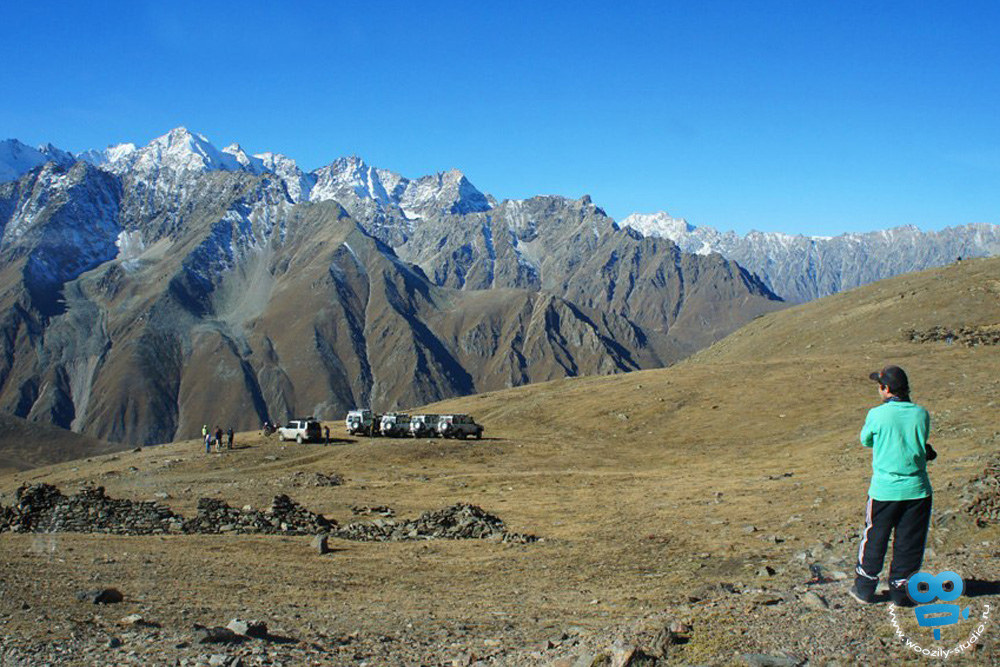
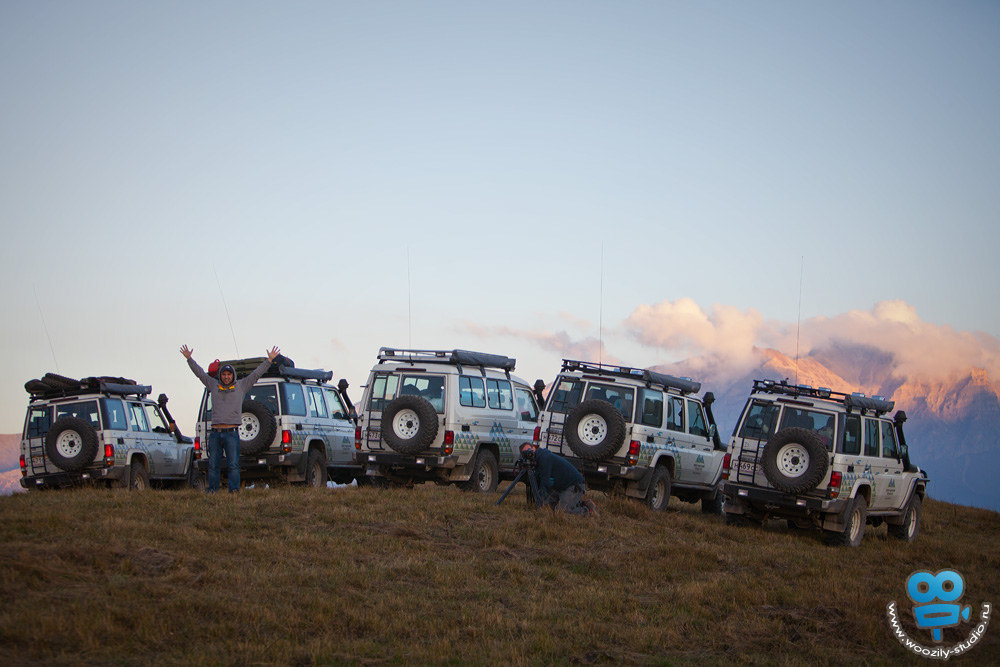
The North Caucasian Mountain Club - is one of the organizations created by the North Caucasus Development Corporation. Its staff has organized the past autumn research and promotional jeep tours along so-called Alanian way. Alanian way - is, roughly speaking, a system of roads in a depression between the Lateral and Rocky ridges of the Caucasus Mountains. At different times, this communication system had known periods of revival and oblivion. If the project of system of mountain resorts in theNorth Caucasuswill become a reality, there must be laid normal roads. In the meantime, you can enjoy the pleasures of jeep adventure tourism. Route, by and large, can be maid from somewhere Gunib (Dagestan) to Adler (Black Sea), but now it is about standardizing of the way from Elbrus to Kazbek (central part). This year, journalists and representatives of tourism companies were invited in the tour.
For a short report on the trip from Alexei Orlov, please visit a site of Action Studio «WOOZILY» (un Russian)
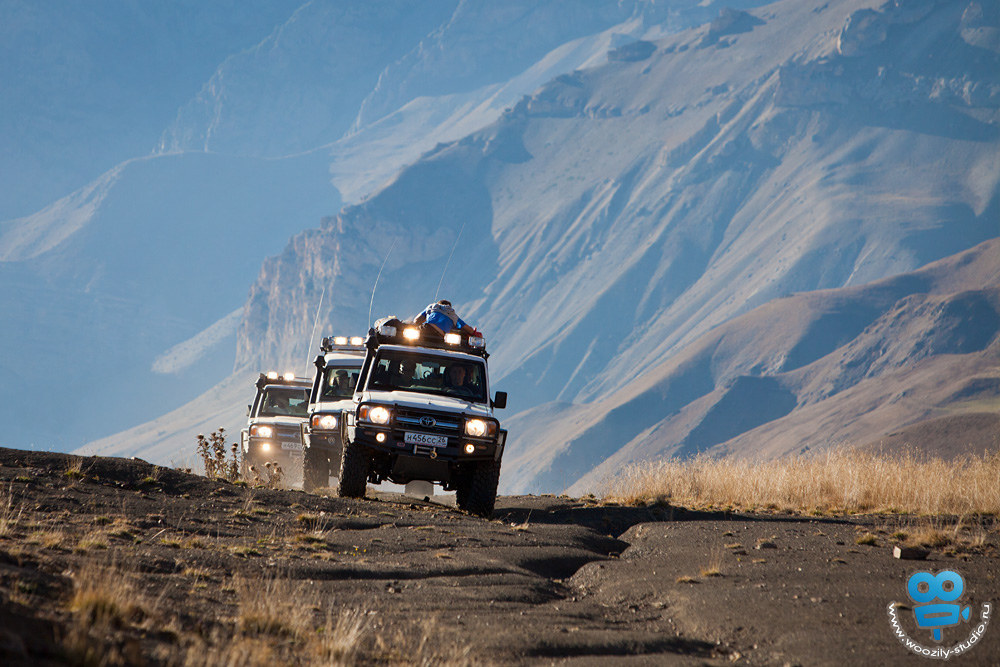
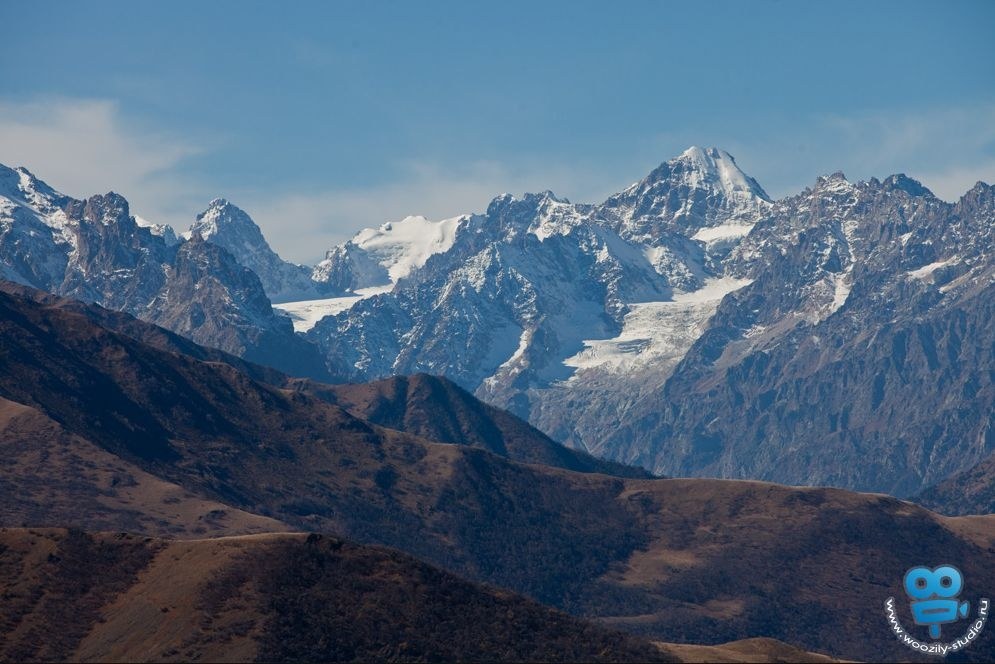
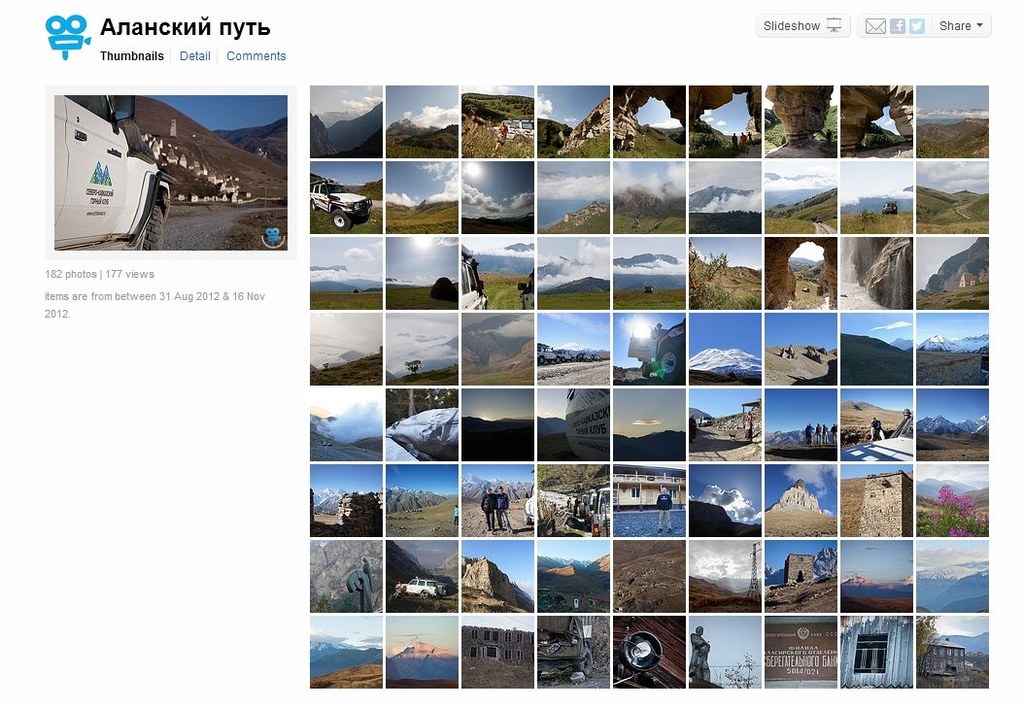
During this trip some outstanding images of the Caucasus were made. Photos here:
http://www.flickr.com/photos/woozily/

Studio «WOOZILY» promises for the New Year full version of a film aboutAlanian Way. While you can watch a trailer:
More about development of theNorth Caucasus. Construction of a multipurpose center near theairportofMineralny Vody. You could see the Director General of the North Caucasus Development Corporation Anton Pak.
Anton Pak’s Interview to TV ChannelRussia24
Site of the North Caucasus Development Corporation
Missionand objectives
The North Caucasus Development Corporation (NCDC) was established in 2010 to develop the investment environment in the North Caucasus Federal District (NCFD) by attracting investors and participating in investment projects in the district.
Our mission is to create a successful investment business to stimulate the economic development of theNorth Caucasusregion.
Our top priorities are to support the implementation of the government development program for the NCFD, raise investment for the district and create new jobs.
The economic potential of the district, which is based on its geographic location, its favorable climate and its natural and human resources – along with the government’s long-term strategic regional interests – create a platform for social and economic development as well as growing investment opportunities.
The Corporation has the following objectives for 2011-2015:
- support at least 120 investment projects in the NCFD
- build its own investment portfolio consisting of 30-40 projects
- raise at least RUB70bn in private investment (both debt and equity), which will create up to 35,000 new jobs
To achieve these objectives we are developing our investment and advisory business.
The Corporation is a brand-new structure for theNorth Caucasusdistrict that combines the interests of domestic and international investors on the one hand, and government authorities on the other hand, in order to guarantee efficient project implementation and increase return on investments in the district.


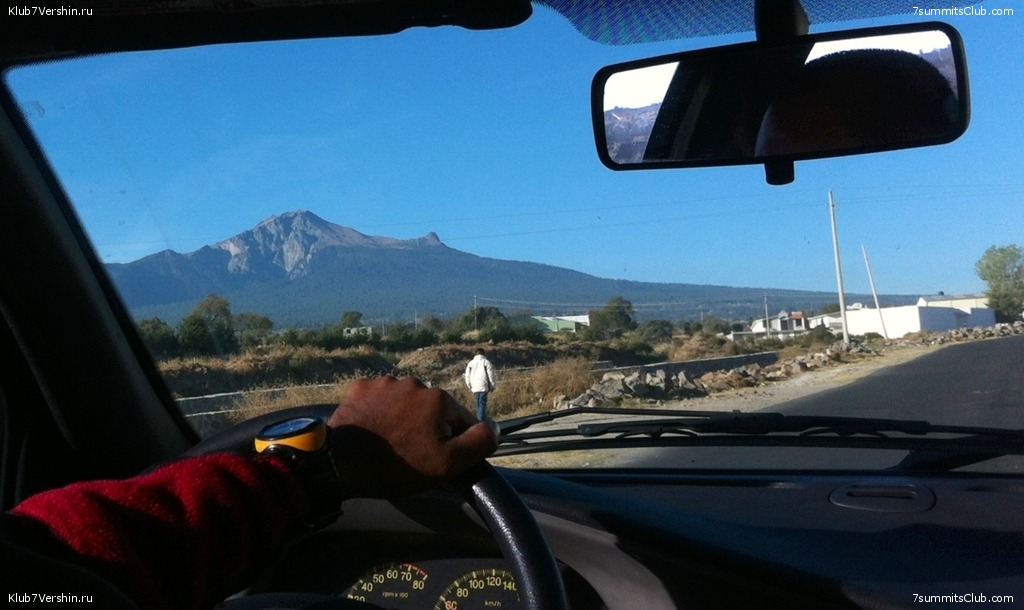
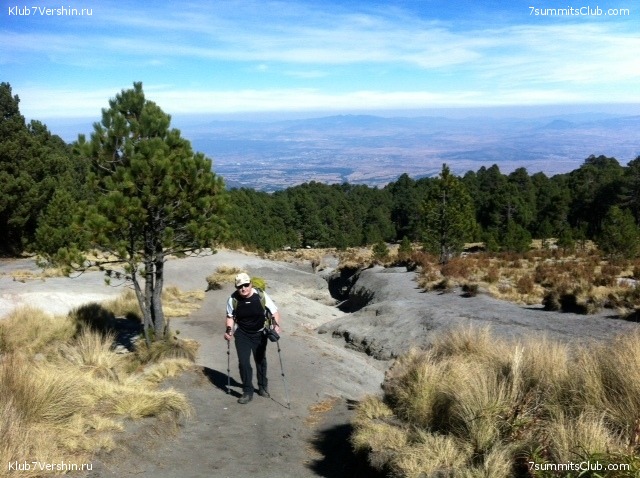
Photos: la Malinche volcano climb
Orizaba.
Victor Bobok and Igor Charkashin had climbed the volcano of La Malinche (4500m) for acclimatization. Next goal is Orizaba - the highest in Mexico. The weather was perfect. ...
Victor Bobok and Igor Charkashin had climbed the volcano of La Malinche (4500m) for acclimatization.
Next goal is Orizaba - the highest in Mexico. The weather was perfect.
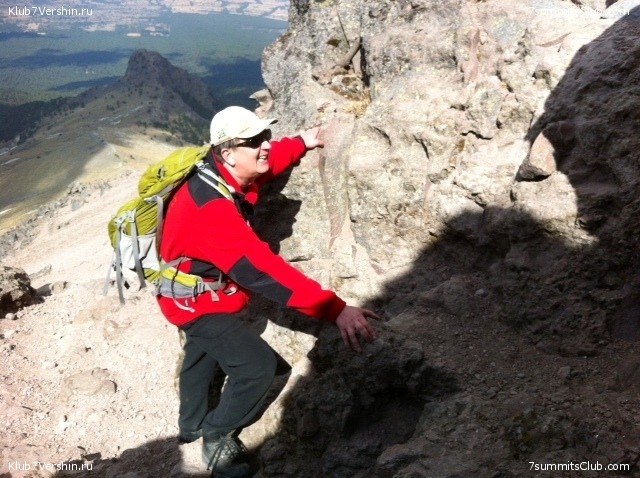
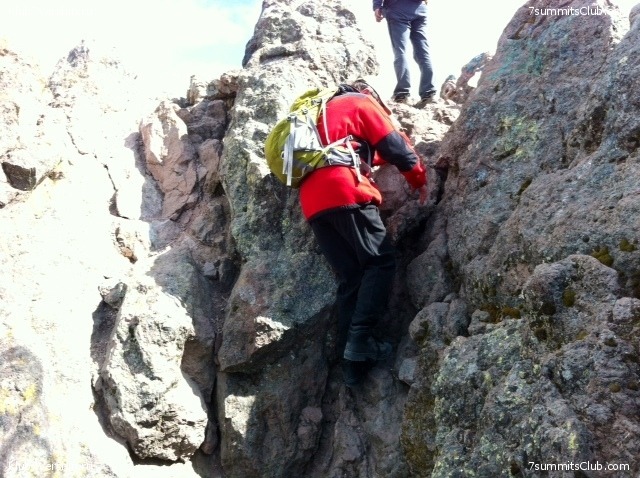


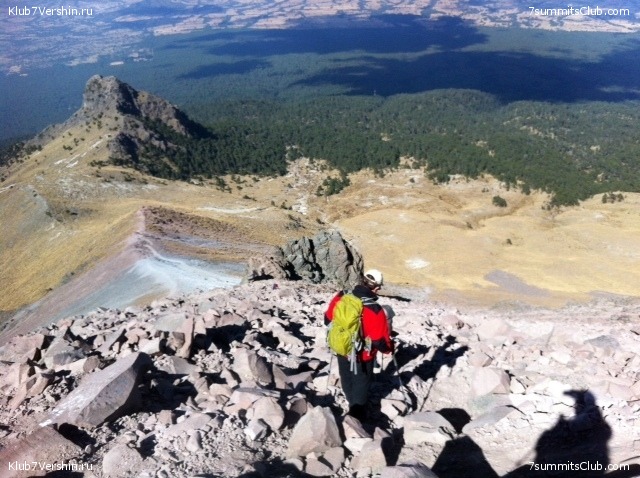
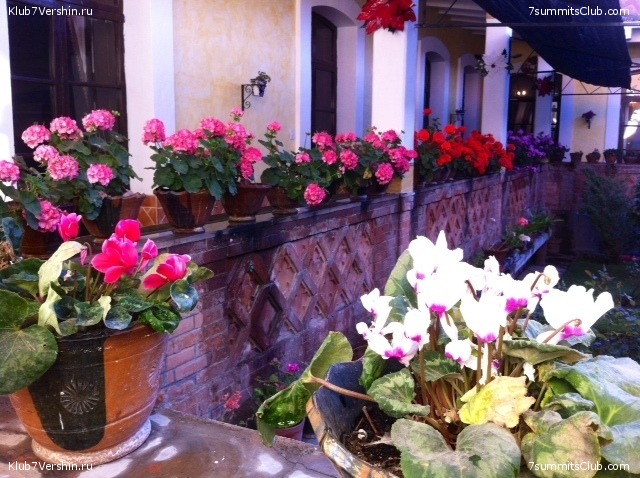
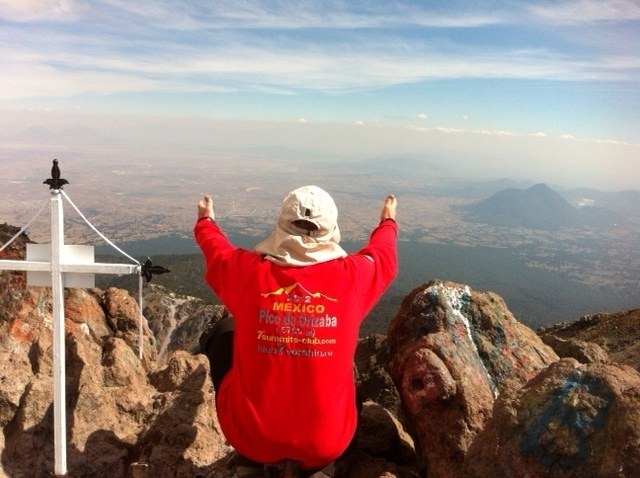

Victor Bobok and Igor Cherkashin in Mexico
Orizaba.
We send to all our heartfelt greetings from the country of end of the world! We are moving rapidly across the country and is also rapidly approaching our destination - the ascent on Orizaba. According to our plan - we will climb it on the ...
We send to all our heartfelt greetings from the country of end of the world! We are moving rapidly across the country and is also rapidly approaching our destination - the ascent on Orizaba. According to our plan - we will climb it on the day the world end :) ... Everything goes according to plan, tequila does not hinder. And even I would say that it helps in moving towards our goal.
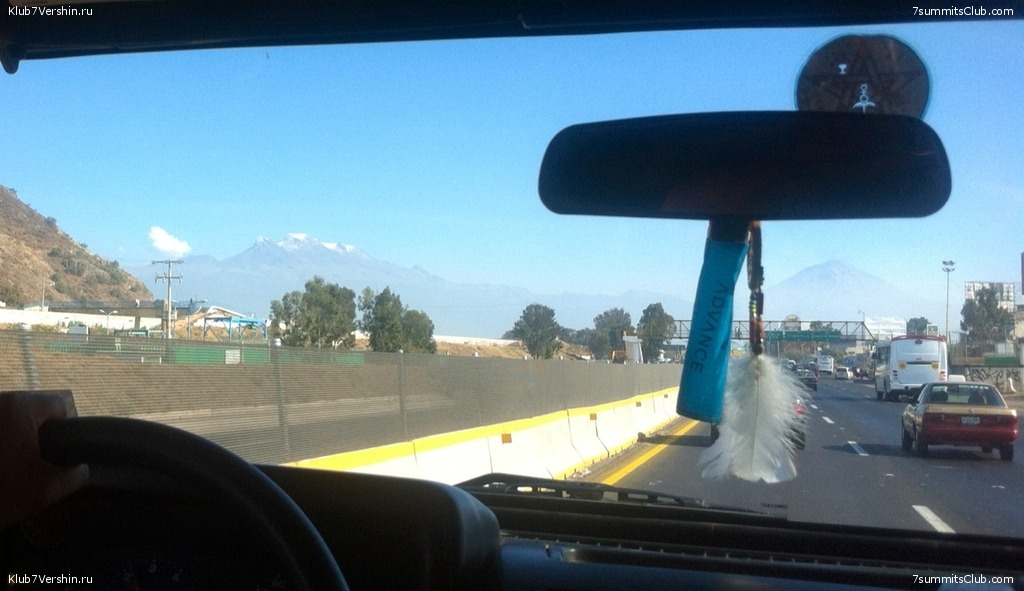
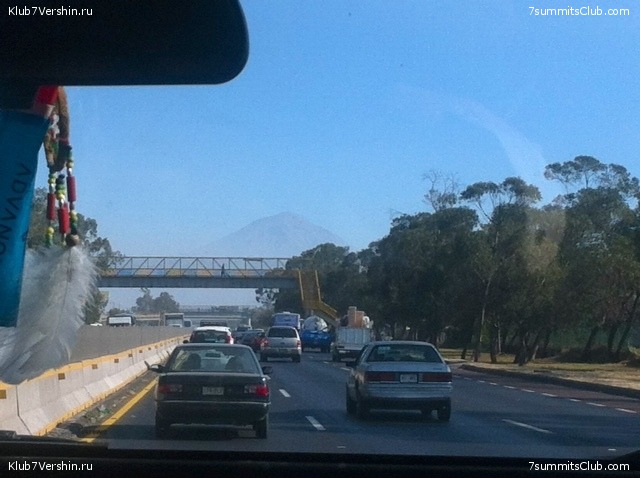
On the way from Mexico Cityto La Malinche, we saw the famous volcano Popakatepel
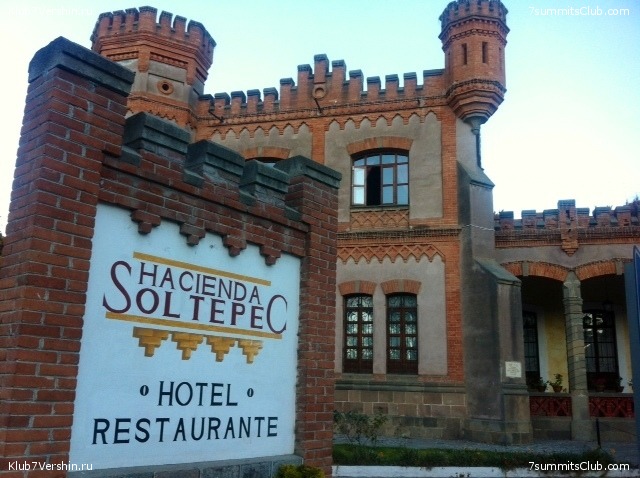
Our modest hotel
The main goal of our trip - the peak of Orizaba
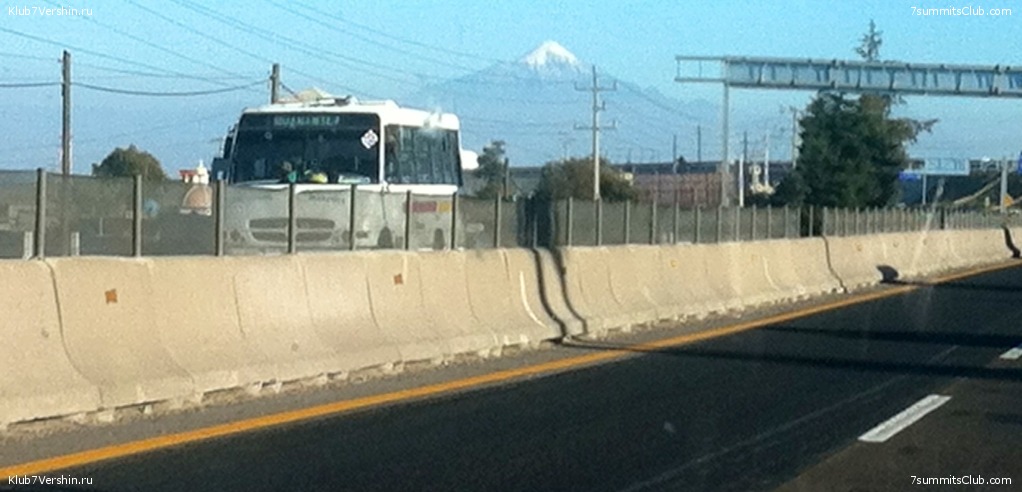
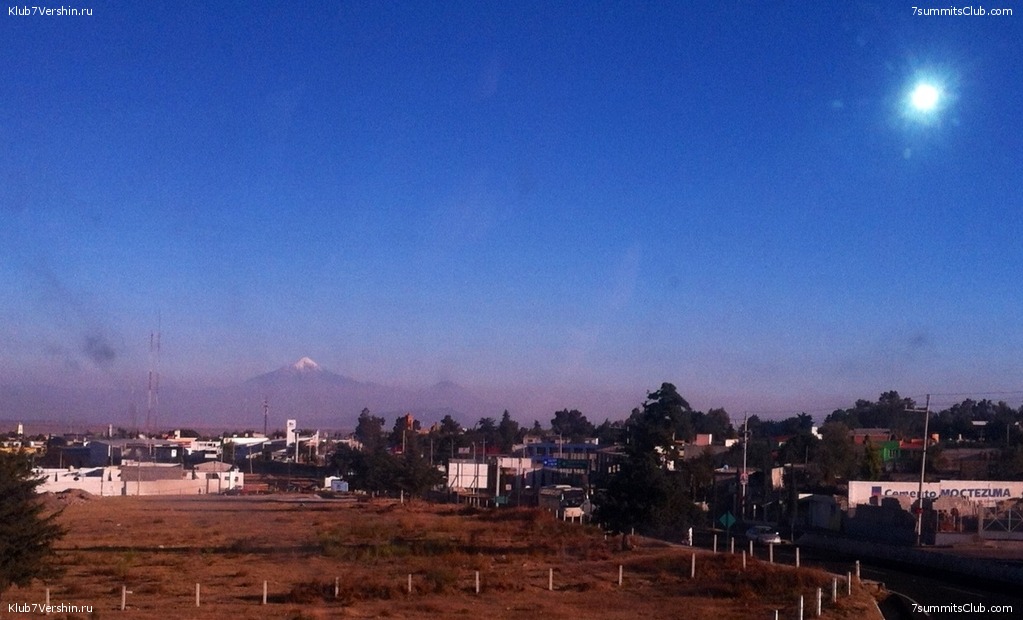
And this is our goal for acclimatization - La Malinche volcano
New Superintendent of Denali NP and permofrost
McKinley.
Don Striker Named New Superintendent of Denali National Parkand Preserve. The National Park Service has named Don Striker as Denali National Parkand Preserve's new superintendent. Striker has been the superintendent atNew River Gorge ...
Don Striker Named New Superintendent of Denali National Parkand Preserve.
The National Park Service has named Don Striker as Denali National Parkand Preserve's new superintendent.
Striker has been the superintendent atNew River Gorge National River,West Virginia, for the past five years, and brings a strong background in both business and resource management to his new position.
Since 2007, Striker has managed New River Gorge along with the nearby Bluestone National Scenic River and the Gauley River National Recreation Area. The parks annually see more than one million visitors, and include four visitor centers and more than 100 access points.
He has been instrumental in improving relationships with state government and local partners, building a large cadre of volunteers, and managing significant construction projects. Prior to working in West Virginia, Striker served as a special assistant to the Comptroller of the National Park Service, as superintendent of Mount Rushmore National Memorial (South Dakota), as superintendent of Fort Clatsop National Memorial (Oregon), and comptroller at Yellowstone National Park.
"I am deeply humbled to have been asked to serve as the chief steward of one of our country's most spectacular and iconic parks," Striker said. "My wife, Gretchen, and I are excited to be moving toAlaska, a goal we've long held. We are really looking forward to becoming productive partners in our new community." Striker will move to Alaskain January.

NPS Alaska Regional Director Sue Masica said that Striker's accomplishments over more than 15 years with the Service position him well for theDenalijob. "Denali is a complex park, with many major business and resource decisions coming up. Over the next couple of years, the park will be looking at implementing its new road management plan, rebidding the main concession contract and continuing to work on a variety of wildlife issues with the State of Alaska and others. Don brings the talents we need to lead the Service on these issues."
Denali National Park and Preserve is Alaska's most recognized park, hosts more than 400,000 visitors every year, and encompasses more than 6 million acres that includes Mount McKinley, North America's highest peak. Striker replaces Paul Anderson, who retired this fall. Jeff Mow has been the acting superintendent.
Source: http://www.nps.gov/dena/parknews/new-supt.htm
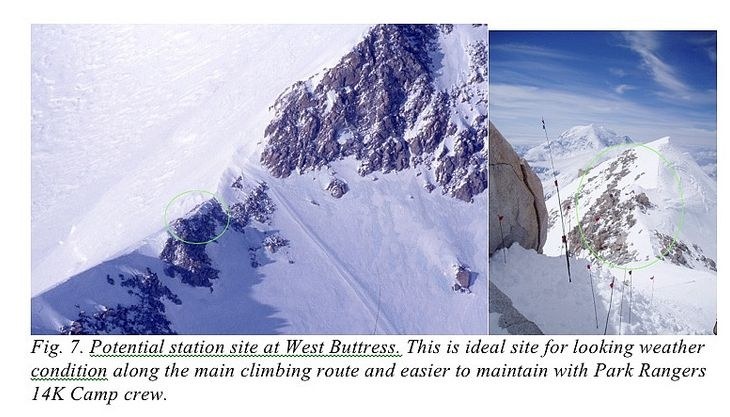
Hope we can get permission and establish monitoring site at West Buttress!!
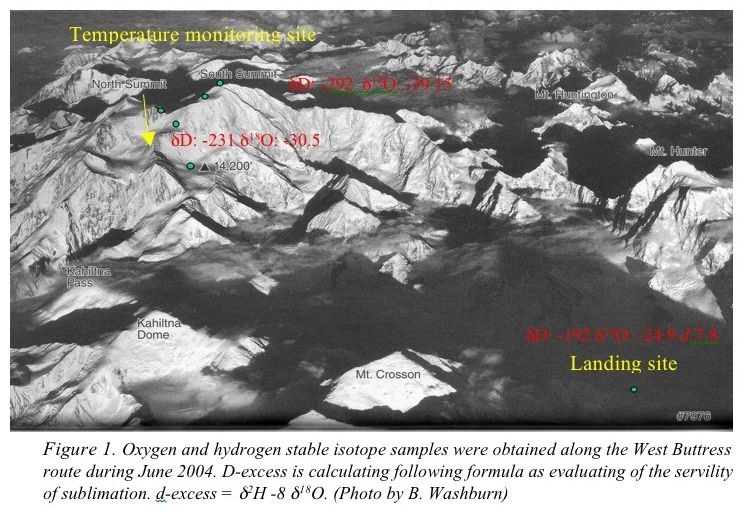
We need finalizeDenaliproposal very soon for next summer (June). Idea is that to install (just) temperature sensors on air, ground surface and ground with Iridium based satellite datalogger simmilar like Kilimanjaro setting.
Around 14K Camp (medical Camp) is another candidate (picture below). But steep and narrow open sky for satellite communication…
We try to develop 3D visualization material for 100 years glacier & permafrost history on Kilimanjaro working with Vavilov Institute for the History of Science and Technology of theRussianAcademyof Sciences
http://ffky.edublogs.org/category/alaska-permafrost/
Permafrost book
http://issuu.com/permafrostbook/docs/permafrostbook/99

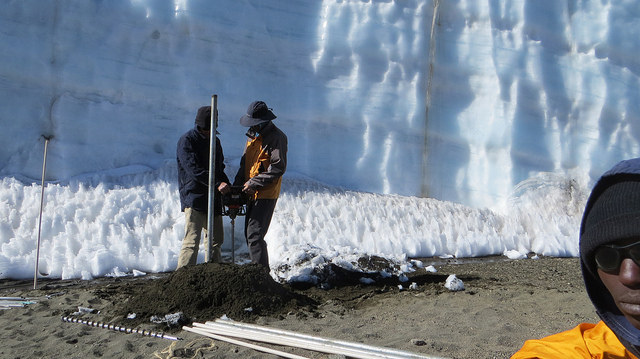
Kilimanjaro permofrost


ITAR-TASS to declare about the seven volcanoes program
South Pole.
December 11 (Tuesday) at 14:00 in the ITAR-TASS /Tverskoy Boulevard, 2, 2nd Floor / will be a press conference on the topic "The Russians on the highest peaks of the continents." Recently, the popularity of the "7 Volcanoes" is growing. We ...
December 11 (Tuesday) at 14:00 in the ITAR-TASS /Tverskoy Boulevard, 2, 2nd Floor / will be a press conference on the topic "The Russians on the highest peaks of the continents." Recently, the popularity of the "7 Volcanoes" is growing. We are talking about the conquest of the highest volcanoes all continents over the world. InRussiathere are two people who are close to this performance - Alexander Abramov and Vyacheslav Adrov. In addition, Vyacheslav Adrov holds 2 records ofRussia/ Russian Book of Records / associated with the activities at altitude.
In a press conference we will meet: Honorary Polar Russia, vice-president of the Russian Geographical Society, Director of the Arctic and Antarctic Museum Victor Boyarsky, master of sport mountaineering, multiple conqueror of Everest, the head of "7 Summits Club" Alexander Abramov, recordsman of the "Book of Records of Russia" Vyacheslav Adrov.
Vyacheslav Adrov
An article about this (in Russian)
http://www.abajour.ru/files/92-99_198.pdf
Washington Post: Russia backs resorts to stem terrorism
Elbrus.
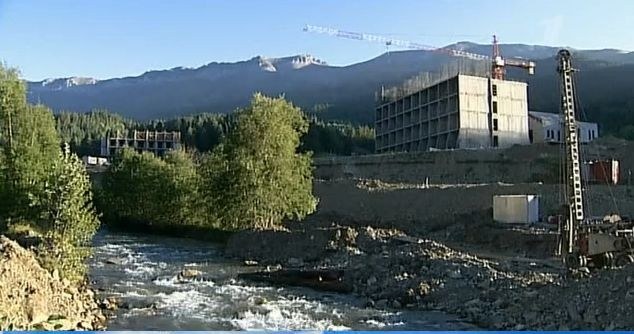
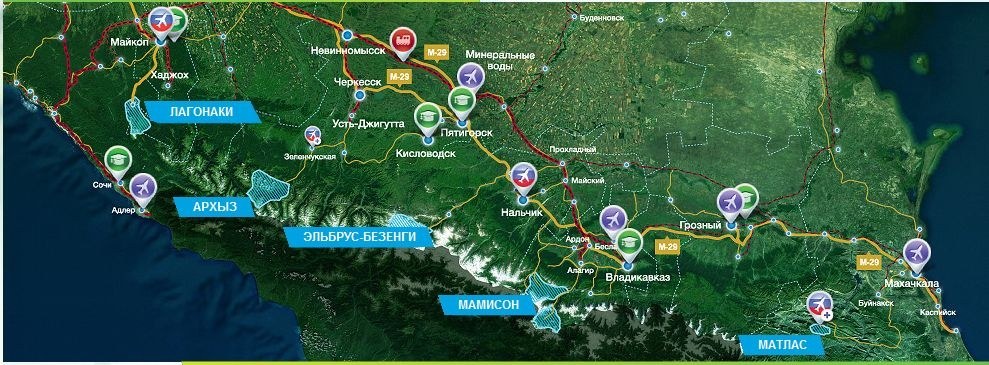
ARKHYZ,Russia— After years of trying to suppress religious and ethnic tensions in its southwestern mountains with guns and troops, Russia is offering new incentives to combat unrest and terrorism: ski slopes and sandy beaches. The ...
ARKHYZ,Russia— After years of trying to suppress religious and ethnic tensions in its southwestern mountains with guns and troops, Russia is offering new incentives to combat unrest and terrorism: ski slopes and sandy beaches.
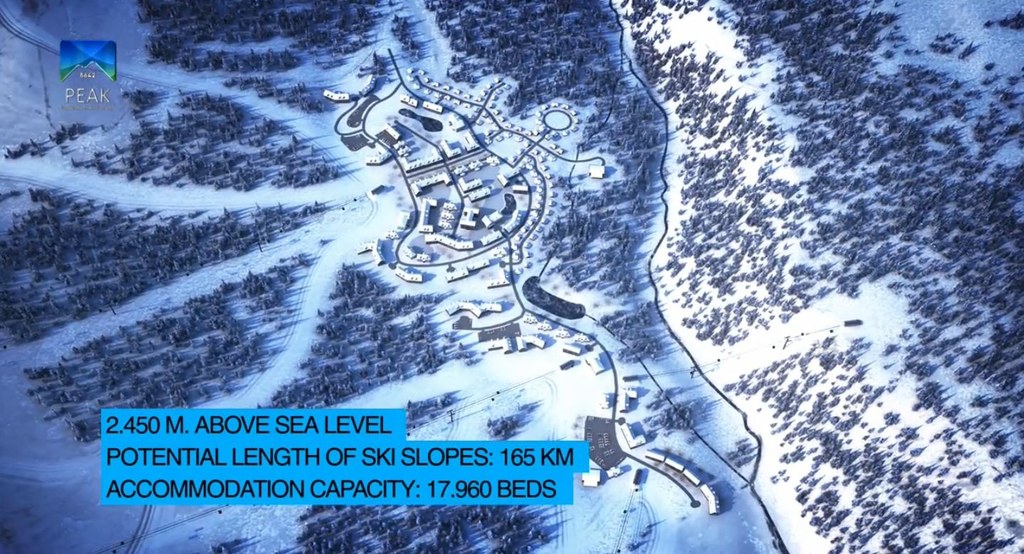
The idea is to bring jobs and prospects to the people of the North Caucasus, where Islamic fundamentalism and separatist aspirations have resulted in death and violence in the region’s mountains and a thousand miles away inMoscow, the target of suicide bomber attacks. The vehicle is an $18 billion plan for seven ski resorts scattered through the mountains and three beach developments costing $4.6 billion on the Caspian Sea.
The landscape here is awe-inspiringly beautiful, nearly everyone agrees, and economic development is vital to long-term peace. Then skepticism sets in. Will tourists feel safe? So far this year, 574 violent deaths have been reported in the North Caucasus. Last year, terrorists killed three Russian tourists near Mount Elbrus, at 18,510 feet Europe’s tallest mountain, where a small ski area has operated for years.
Much of the answer probably depends on the success of the 2014 Winter Olympics, which Russiais hosting in Sochi, on the Black Sea to the west. Islamists and grievance-bearing ethnic groups could attempt disruptions. Circassians, for one, want Russia to acknowledge czarist -era genocide against them in Sochi. Officials are counting on a well-run Games to stir up interest in Russian skiing and reassure vacationers.
The beach resorts would lie in the predominantly Muslim region of Dagestan, where police and militants regularly exchange gunfire. In July, a bomb was found on the beach in Makhachkala, the region’s capital, but was defused before it exploded. The attack came two years after another bomb maimed a woman on the same beach.
Russian leaders, from Vladimir Putin on down, support increased tourism and have allotted the government-sponsored Northern Caucasus Resorts $2 billion to begin development and seek investors. Foreign experts have been brought in to help, including Gernot Leitner, an energetic Austrian architect, skier and sports professional who played on the Austrian national volleyball team and spent eight years on the beach volleyball circuit.
“Only the Rocky Mountains are comparable with the North Caucasus,” said Leitner, who has skied for days on end in the region to select trails and sites for hotels and chalets. He was referring to the geography, not the infrastructure. Roads are narrow and rutted, hotels few. “It’s going to be nice. I believe in it.”
The resorts will take several years to build — roads, power grids and sewers have to be put in, airports constructed or expanded, and workers trained in the tourist business. Supply chains are non existent. But Leitner, chief executive of Master concept Consultants, said Russia will be 20 percent middle class by 2020.
“That means 30 million people with money to spend on vacations,” he said.
Farmland to ski country?
The nearest airport to Arkhyz is Mineralnye Vody, about 125 miles away on roads that wind through mostly Muslim villages and some Christian, where cows or herds of horses stop traffic in the evening as they return from grazing. In the last days of fall, elderly women sit outside the low brick or stone walls that surround their houses, soaking the last of the sun’s warm rays into their bones. The wood is chopped, the hay gathered as winter approaches. Along the roadside, people sell pumpkins, jars of honey, canned berries and pickled mushrooms and a thick mint-and-pine-infused syrup said to ward off the flu.
Leitner foresees many miles of slopes and trails, thousands of beds in hotels and cottages, supported by a newly created supply chain of thriving small businesses. And skiing, fabulous skiing, with golf in the summer.
“The good spots will be better than the best spots in theAlps,” he said. “It’s hard to say that as an Austrian, but it’s true.”
“All the resorts are in special economic zones, with special rights, so maybe it’s easier to control the flows of money,” he said. “We’re talking about a national project. When all the big guys are on board, things usually work in Russia.”
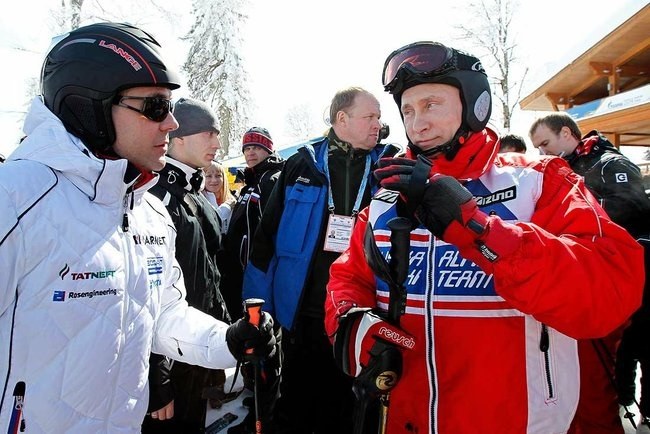
As the resorts develop, the lives of people here will improve, said Akhmed Bilalov, chairman of the board of the Northern Caucasus Resorts and for the last year a senator inRussia’s upper house of parliament. He predicts that as many as 300,000 jobs will be created eventually, directly and indirectly.
“That’s what provides security,” he said.
Alexei Malashenko, an expert on the North Caucasus at theCarnegieMoscowCenter, is dubious.
“If I wanted to go to skiing,” he said, “I would go toAustria.”
Malashenko said Arkhyz, in Karachay-Cherkessia, is quieter than much of the region. But his friends go abroad because vacations are less expensive than inRussiaand service is better. Corruption, he predicted, would raise prices here. And it will be a huge challenge to train historic traders as workers in a new service industry.
Big plans, uncertain reality
Security has been improving —Russia’s National Anti-Terrorism Committee said in October that the rate of crime classified as terrorism has been declining, from 1,030 incidents in 2009 to 365 last year.
Acknowledging that progress, the International Crisis Group, an independent organization dedicated to conflict resolution, said in a major report in October that the region still needs a concerted strategy — improvement of rule of law and governance, along with the necessary economic development.
Malashenko agrees, but is pessimistic that Moscowcan provide that.
“It’s a piece of Russia,” he said. “I can’t imagine doing that in the Caucasus without doing it in all of Russia. Eliminating corruption is impossible because corruption comes from Moscow, and there is certain mutual understanding between corrupt officials in Moscowand their brothers in the Caucasus.”
Although Arkhyz appears bucolic and unthreatening, journalists touring the building site recently were unsettled by a heavy show of security. Men wearing uniforms of the Ministry of Emergency Situations went up the ski lift first and waited at the top until reporters were safely on the ground. Several other burly men in camouflage fanned out, scanning the perimeter, as the visitors walked the grounds. A police escort led the journalists’ buses back to the airport.
“Come, don’t be afraid,” said Rashid Temrezov, head of the Karachay-Cherkessia region. “I’ll guide you myself. Many people come here and no one bothers them.”
The Caucasus are well-known for extraordinary hospitality. Temrezov and a resaturant owner had a sheep killed for the reporters’ lunch. “It was alive just a few hours ago,” the restaurateur said cheerfully as the carcass turned on a spit.
Maybe, Malashenko said, he’s too pessimistic. But Russiahas had many big plans for the Caucasus.
“And what is the result? The same corruption, the same unemployment, the same resistance,” he said. “It’s a problem. It’s a problem forever.”
By Kathy Lally, Published: November 5
Slava Adrov - the first Russian on the top of volcano Giluwe
Giluwe.
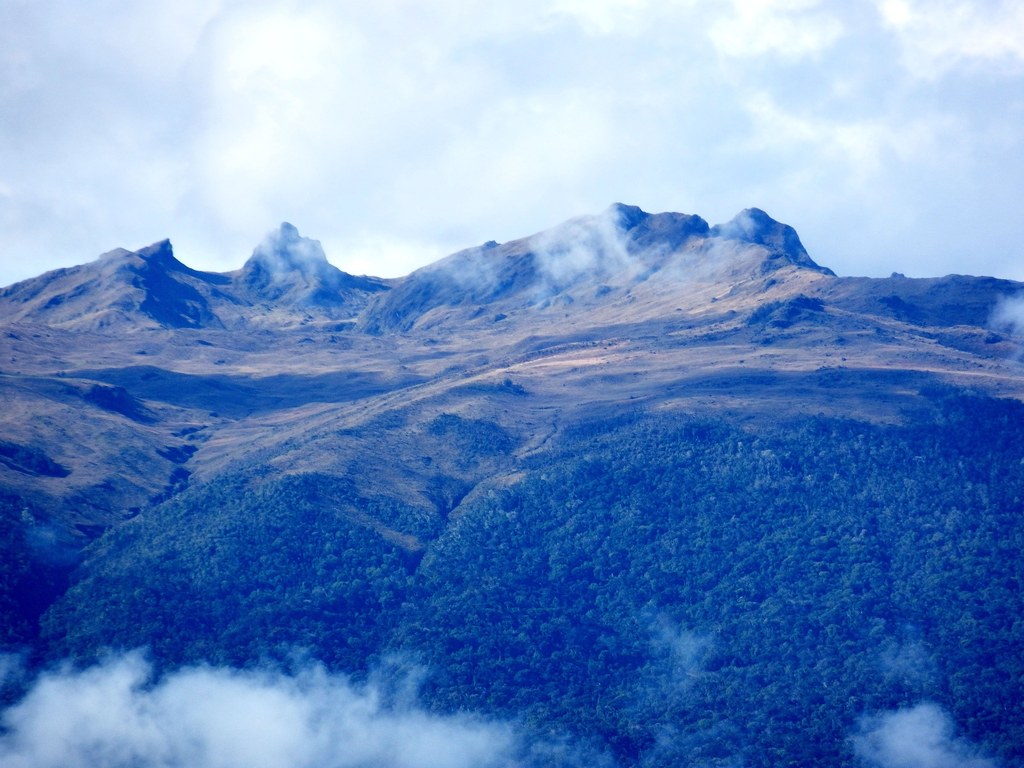
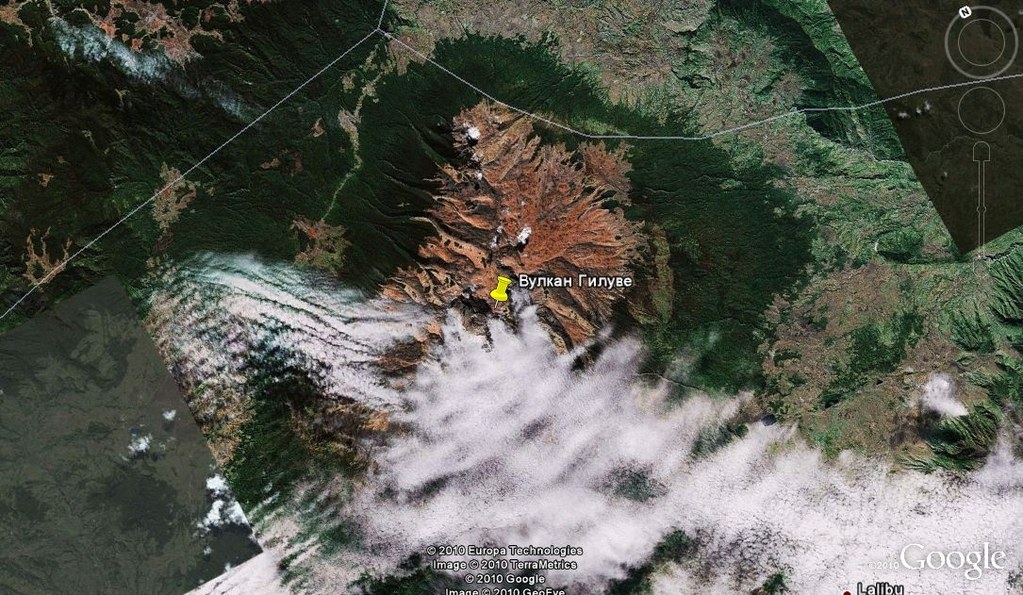
Yesterday at 11 am (local time), Vyacheslav (Slava) Adrov climbed the top of Mount Giluwe (4368 meters). It is the highest volcano of the continent of Australia, located on the territory of Papua-New Guinea. A local guide, the Papuan Ryuk ...
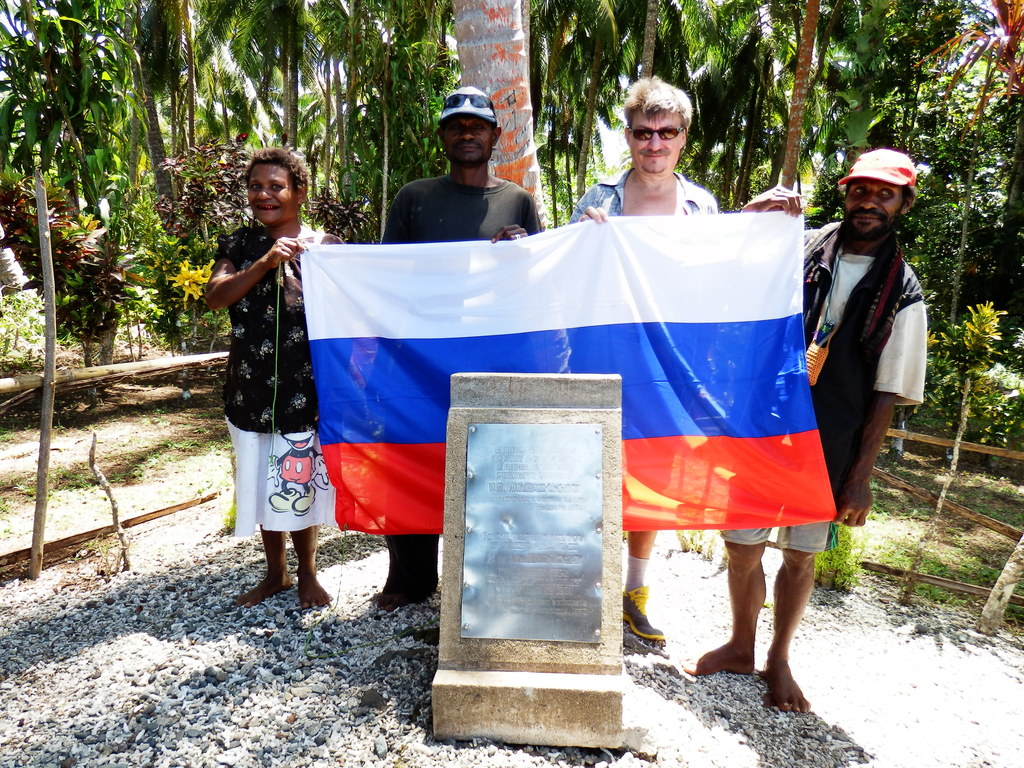
Yesterday at 11 am (local time), Vyacheslav (Slava) Adrov climbed the top of Mount Giluwe (4368 meters). It is the highest volcano of the continent of Australia, located on the territory of Papua-New Guinea. A local guide, the Papuan Ryuk Raima accompanied Slava’s climbing. Thus, Adrov have six volcanoes from the program "7 Volcanoes", he need to climb only Mount Sidley in Antarctica to finish this program. Before him, the program Seven Volcanoes was completed by Italian Mario Trimeri and Romanian Crina Popescu.
Before the ascent, Slava traveled to jungles and rivers of Papua. He visited the Maclay Coast, where there is a monument to Russian scientist and researcher Nikolai Miklukho-Maclay.
A new age record on Kilimanjaro
Kilimanjaro.
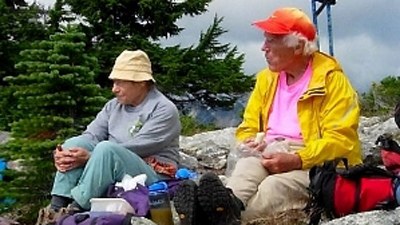
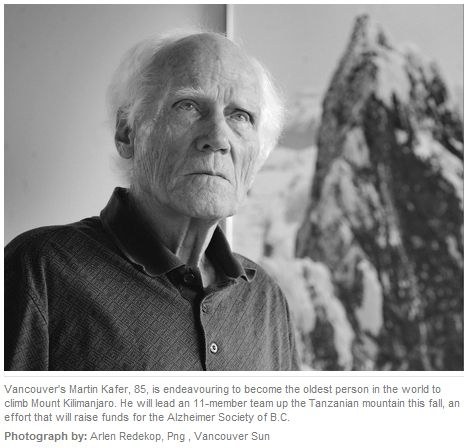
Age be damned. An elderly Vancouver couple successfully climbed Africa's highest mountain, becoming the oldest known couple to do so. Esther Kafer, 84, and her husband Martin, 85, reached the summit of Mount Kilimanjaro Wednesday, according ...
Age be damned. An elderly Vancouver couple successfully climbed Africa's highest mountain, becoming the oldest known couple to do so.
Esther Kafer, 84, and her husband Martin, 85, reached the summit of Mount Kilimanjaro Wednesday, according to the Alzheimer's Society of B.C. Their achievement has yet to be verified by Guinness World Record officials. The Tanzanian mountain is 5,885 metres high (19,341 feet).
Motivated by the rapid rate Martin's sister's dementia was advancing, the couple took part in the climb to help raise money for the Alzheimer's Society of B.C.
"Each time we visit Martin’s sister we are overwhelmed by the telling signs of the rapid rate her dementia is advancing," the pair said on the society's website. They point out that the former researcher and McGill professor is now "reduced to incoherent words... a sad hulk of a mind" and needs 24-hour care.
Married since 1953, the Kafers have spent their lives travelling the world, climbing mountains, and skiing.
"Esther and Martin's achievement epitomizes the spirit of the Ascent for Alzheimer's event, which is that no matter how challenging the journey there is support," said Jean Black, CEO of the Alzheimer Society of B.C.
Eager to obtain international work experience, the self-described "old-timer mountaineers and life-long outdoor enthusiasts" immigrated to Canada in 1954 from Switzerland and never looked back.
When asked to provide advice for those with more sedentary lifestyles, both champion fit, active lives and sharp mental acuity.
"Be active all of the time, eat well, use your arms your legs and your head. Most of all your head. Take every day as a bonus day," the Kafers told Canadian Achievers.
The Kafers helped to raise more than $24,000 for the Alzheimer's Society of B.C.
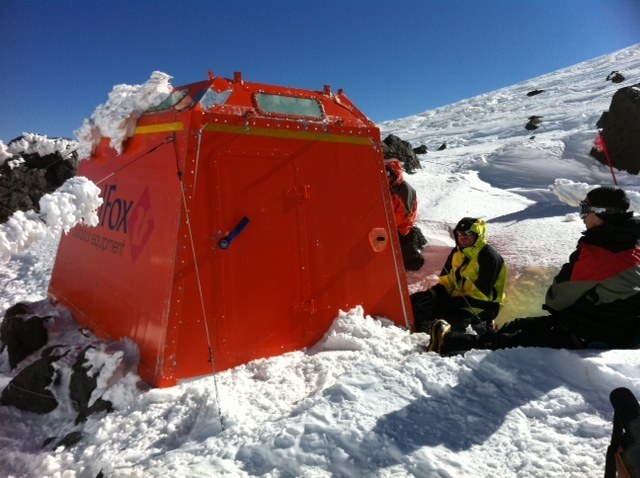
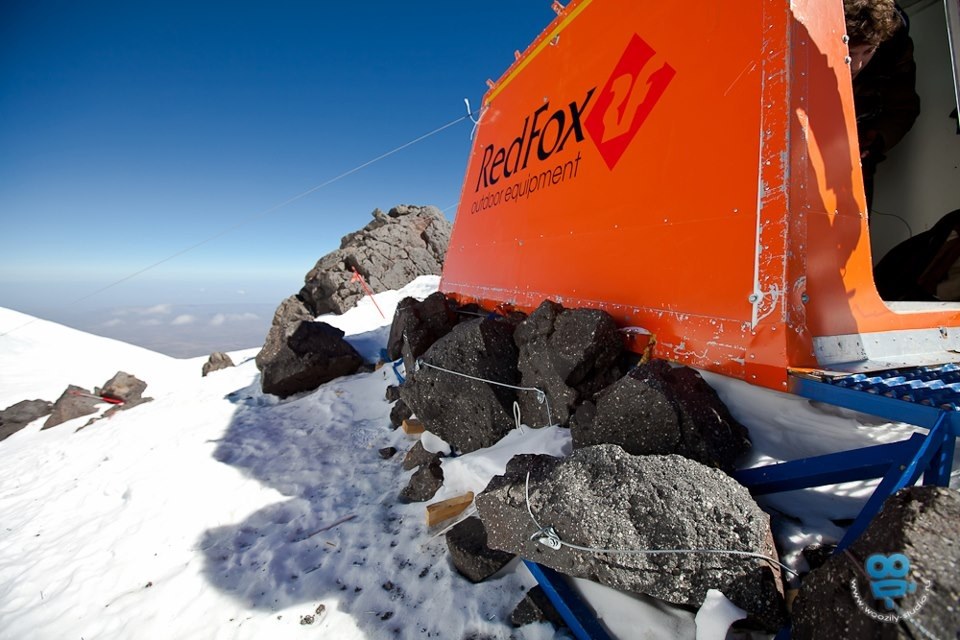
Opening of the rescue shelter "Station 5300 Red Fox" on the saddle of Elbrus
Elbrus.
Mountaineering Federation of Russia together with its partners have successfully completed a unique project for the rescue shelter. Installation of structures was completed in early August, and at the end of September, after months of ...
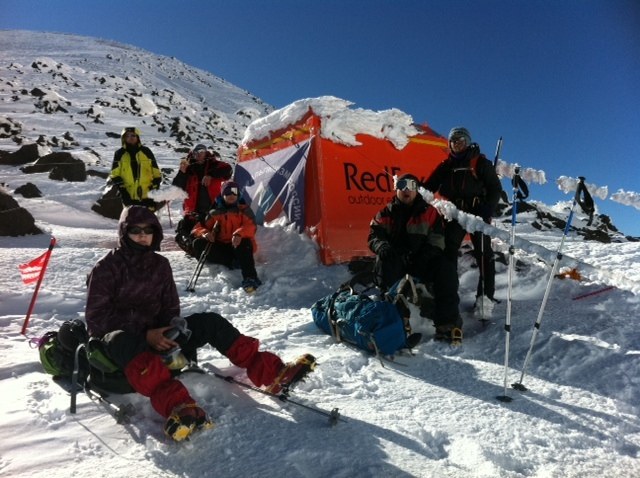
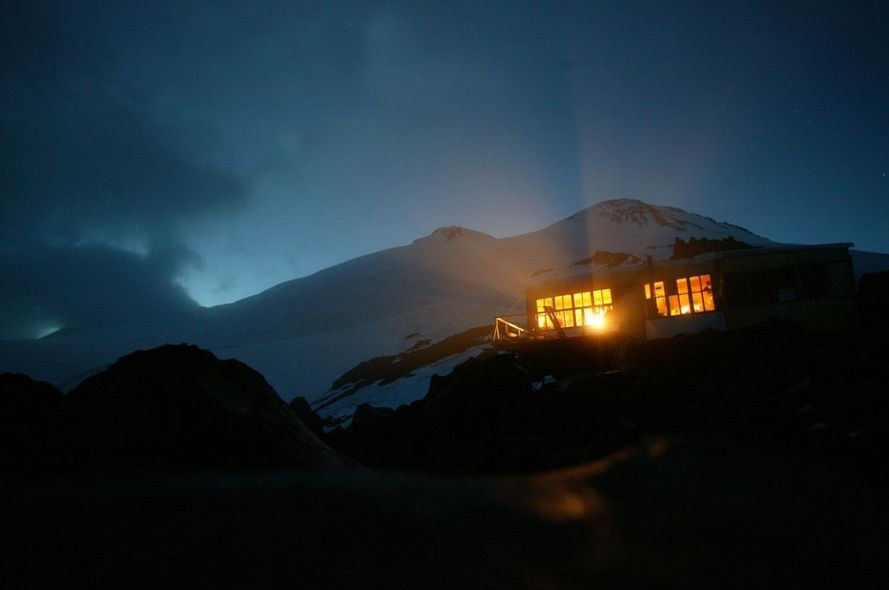
Mountaineering Federation of Russia together with its partners have successfully completed a unique project for the rescue shelter. Installation of structures was completed in early August, and at the end of September, after months of testing, there was the opening of the station Red Fox 5300. This is the highest mountain refuge inEuropeand the second highest in the world.
The history of the construction of the shelter has been a long and dramatic. In 2007, at the initiative of the Moscow climber Dmitry Guryanov, FAR established a working group to create a rescue shelter. The cause was the tragic death in May 2006 eleven climbers that have fallen into bad weather and cold for a few hours in the region of the saddle of Elbrus.
The first shelter was erected in 2010 but was destroyed in winter by wind.
Only in June 2012, a team of volunteers and rescuers from Elbrus and Ural rescue teams started installation of a new shelter.
This time all the necessary materials and construction were delivered right to the saddle with a helicopter company «Heliaction» (Helicopter (PRO) motion) "pilot Arseniy Boldyrev, and the beginning of August a shelter was erected.
Rescue shelter station «Red Fox 5300" is a non-profit rescue facilities serving volunteers and rescuers.
Shelter is open to all climbers and fans of sports and outdoor activities in the mountains.
The coordinates of the hut, set at the beginning of the rocky ridge that descends from the east to the saddle of Elbrus - right on the trail to the top of the eastern and north and south.
N 43 ° 21 '05.0 "
E 042 ° 26 '53.0 "
Rescue shelter «Red Fox 5300" is only for emergencies. Spending the night in a shelter without the necessary acclimatization can be dangerous.
Builders «Red Fox 5300" Mountaineering Federation of Russia and company Red Fox appeals to all climbers on Mount Elbrus, which have to take shelter:
• Carefully close the two doors (internal and external), it will save us from sweeping snow.
• Clean up after themselves and take away the garbage.
• Use caution when using kerosene stoves and burners: possible poisoning combustion.



Successful ascent on Kilimanjaro
Kilimanjaro.
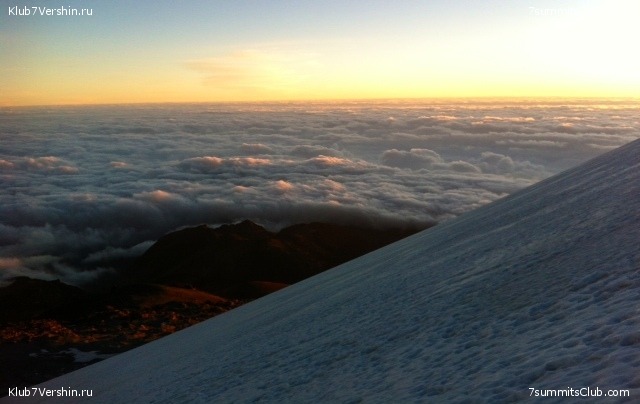
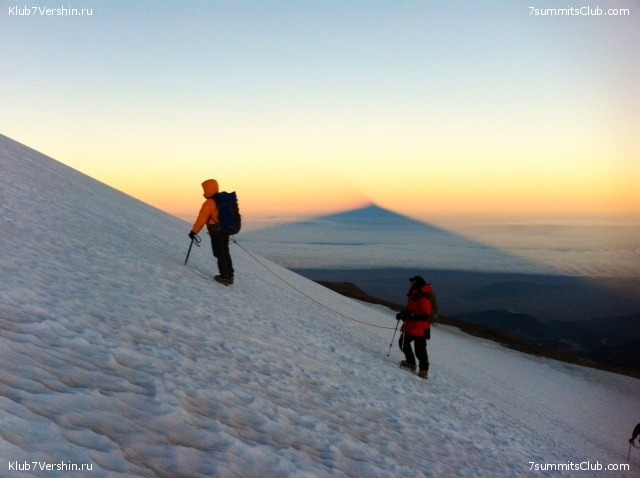
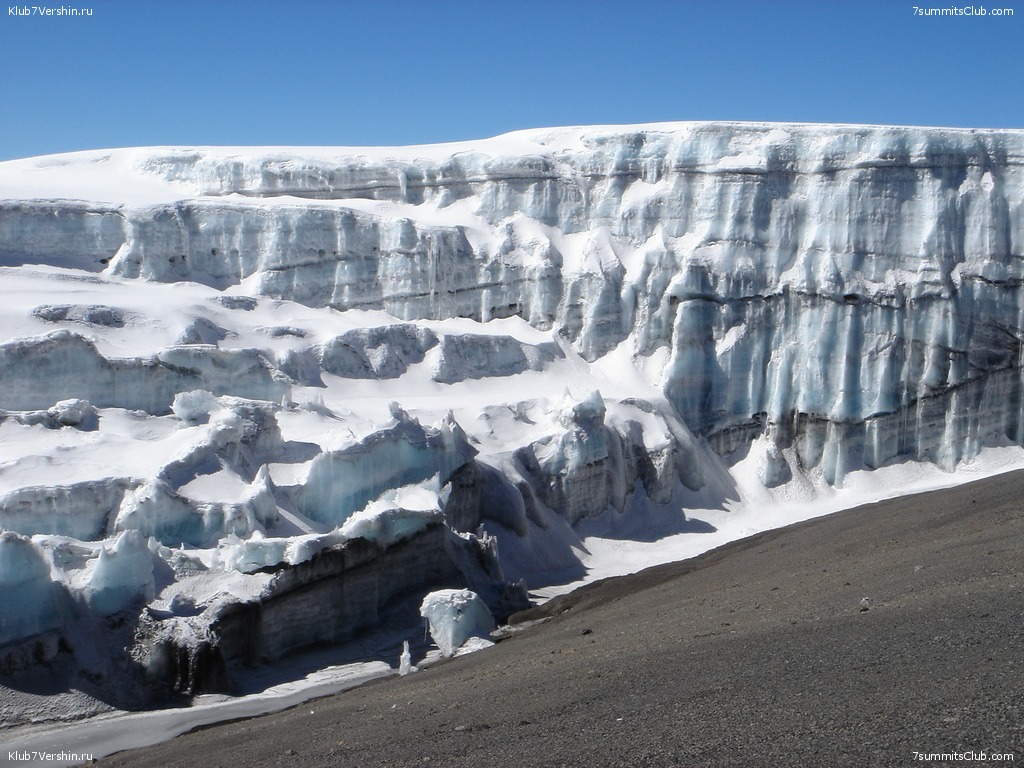
Artem Rostovtsev sent a message from the slopes of Mount Kilimanjaro. Today there was a day of assault. At 12 a.m. the team started from Barafu Hut. At 6 a.m. they were at Stella Point. At 7:40 the whole team was on top Uhuru ...
Artem Rostovtsev sent a message from the slopes of Mount Kilimanjaro. Today there was a day of assault. At 12 a.m. the team started from Barafu Hut. At 6 a.m. they were at Stella Point. At 7:40 the whole team was on top Uhuru Peak. Now all went down to the Barafu camp and rest. After an hour and a half, the climbers will continue to camp on 3000.
Team:
Vadim Serdyuk, Vadim Miroshnichenko, Valery Shabaev, Yuri Borisov, Nikolai Dvoikov, Artem Rostovtsev (guide of 7 Summits Club).

Artem Rostovtsev from the Karranga camp on Kilimanjaro
Kilimanjaro.
The group reached the camp Karranga. Unfortunately Anton Pak forced to go down due bad health. Others members and guide will go far. They are in good mood and tommorow night will try to climb the Uhuru Peak.
The group reached the camp Karranga. Unfortunately Anton Pak forced to go down due bad health. Others members and guide will go far. They are in good mood and tommorow night will try to climb the Uhuru Peak.
Elevated shelter: Mount Elbrus becomes safer place
Elbrus.
Published on Russia Today: 22 September, 2012. Europe’s highest peak, Mount Elbrus, is now a slightly more attractive proposition for climbers as a new rescue cabin has been built in order to help stranded mountaineers.Some would ...
Published on Russia Today: 22 September, 2012. Europe’s highest peak, Mount Elbrus, is now a slightly more attractive proposition for climbers as a new rescue cabin has been built in order to help stranded mountaineers.
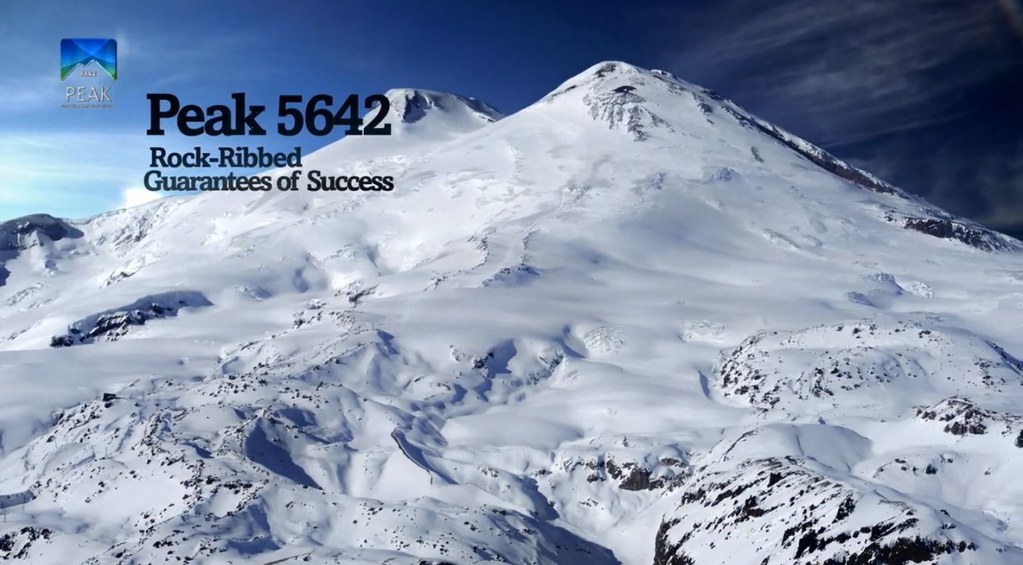
Some would argue that it’s technically not in Europe, but at 5642 meters, Russia’s Mount Elbrus is considered by many to be Europe’s highest mountain.
With such a backyard, it’s no wonder Russians have always been avid mountain climbers.
During Soviet times, mountain climbing was actively encouraged and Mount Elbrus was the prize attraction.
But there’s a reason why mountain climbing is considered an extreme sport. Hundreds of people freeze or plummet to their deaths every year, mainly because they are ill-prepared or ill-advised on how to tackle the climb.
Mount Elbrus is no exception, with up to 10 climbers dying annually, which is why a consorted effort was made to install a cabin shelter at the mountain’s summit.
“We constantly have to rescue people from Mount Elbrus,” Aleksey Ovchinnikov, CEO of Russian Mountaineering Federation, told RT. “Around 100,000 mountain climbers from all over visit it every year, and every year people die from bad weather, losing their way, so to have a rescue cabin on hand is really important.”
The process of the entire project was a lengthy one, because it was a voluntary effort, i.e. no sponsors or government grants were used.
“It’s also an enormously difficult task from an engineering point of view,” Ovchinnikov stressed. “There are almost no analogs. It’s the highest construction in Europe and the second highest in the world and to build something like this is always a huge ordeal.”
In 2010, the group managed to complete a different shelter, which was technically the first, but it was blown away by a particularly bad blizzard.
So when two mountain climbers perished in April 2012, with one of the bodies never recovered, Russia’s Mountain Climbing Federation made the construction of another, more durable, shelter cabin one of its top priorities.
Indeed, the interior of the cabin doesn’t leave much to the imagination, with only two horizontal planks for beds and a small table in-between; But when your life is on the line, surely luxury amenities would be the last thing on your mind.
“The cabin was built for emergencies only, not for a full overnight stay,” alpinist Pavel Terekhov explained. “But it allows rescuers to come to a specific point, rather than having to search large areas, and in turn it helps the mountain climbers to, well, survive.”
The new cabin has already come to the rescue of two German mountain climbers and hopefully will assist many others in the future...
Source:
http://rt.com/sport/elbrus-rescue-cabin-ovchinnikov-713/

Alpari-life.ru: ANDREY KHARCHENKO: BECOMING A CLIMBER
Elbrus.
My reasons for making the trip out to Elbrus were fairly simple: to experience something new (climbing), to have the chance to speak with my coworkers in a less formal environment and to enjoy my time off. Looking back, I’d say I did ...
My reasons for making the trip out to Elbrus were fairly simple: to experience something new (climbing), to have the chance to speak with my coworkers in a less formal environment and to enjoy my time off. Looking back, I’d say I did pretty well.
Climbing. Before the trip, I did a ton of research: about Elbrus, about the area, about climbing for professionals and novices. I came to the conclusion that climbing Elbrus would be somewhat analogous to a trip to the store – pretty simple. The travel information I was reading made it sound like it would be a brisk hike; that it wouldn’t require any special physical training.
Things turned out to be completely different from what I had imagined. This was obvious as soon as we began our acclimatization climb to Cheget Peak. At 3,000 meters, breathing is noticeably more difficult and physical burdens become even more difficult to overcome. Even getting to sleep at 2,200 meters during the first couple of nights proved to be a challenge. At 3,800 meters (“The Barrels”), I only managed to get in one night of sound sleep in the three nights we stayed there.
After that, we made an acclimatization climb to the Pastukhova Rocks from camp at The Barrels. The living conditions at the “hotel” there are truly spartan, but it was nice that we had our food prepared for us. A huge “Thank You” goes out to the chefs up there. The acclimatization climb really showed me that our mission would not be easy. Two climbers ended up having to turn back due to health issues.
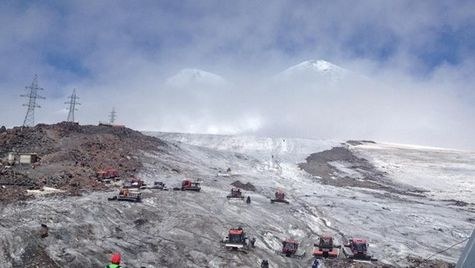
The Big Day. It was tough, even though we had a snowcat take us all the way up to 4,800 meters. We only had 840 meters left to clear vertically to make the summit, but not everyone there managed to reach the highest point in Europe.
I made it to the saddle, or to 5,300 meters. It took me 5 hours to gain 500 meters in elevation. To get a sense of how tough this is, imagine wearing 5 layers of clothing (yeah, you have to do this). After you put on the outer coat, you’ve puffed up to about one and a half times your normal size. Then you have to put on your backpack (about 3 kilograms) and climbing shoes. Then pretend you’re wearing a gas mask, because it’s a lot more difficult to breathe. Now, spend about 5 hours climbing the stairs in a tall building. And this crude simulation doesn’t even include the frost and the gale-force winds, but you should get the picture.
Now you can ask yourself, “Would I have made the summit or not?” You might have. But for me, the saddle was my summit and I turned around after I reached it.
I really have to give it up for the guys who did manage to reach the summit. It wasn’t easy for any of them. You can see that in the pictures. That they managed to do that – we are all really proud of them!
After the climb, I gained a lot of respect for mountain climbers, especially for high-altitude climbers. These are really strong people. I bet they could overcome virtually any obstacle.
The Good Times. The chance to talk to my coworkers in a less formal setting was really great. They all have a good attitude and are real go-getters. It was nice to find that we all pretty much spoke a common language outside of the workplace. I guess that’s because we bump into each other all the time at work. Now I can say with confidence that we are a real team. I’m sure the trust we built in the mountains will carry over into the workplace.
It was a great trip. I’d like to thank Alpari for giving me the chance to test myself and to experience something new.
Andrey Kharchenko, Team Alpari-Office
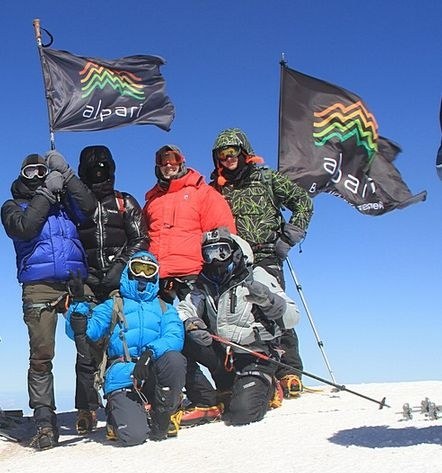
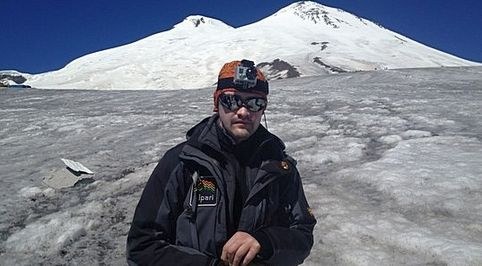
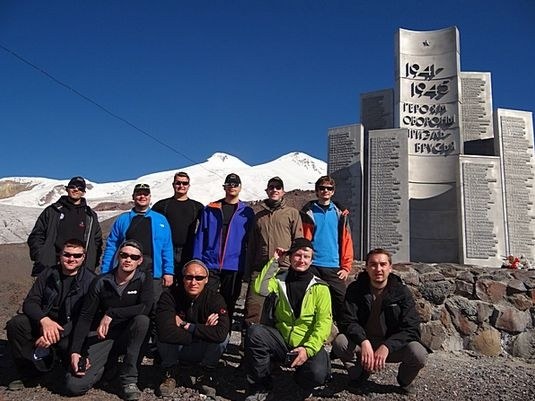

The Team of Alpari climded Mount Elbrus
Elbrus.
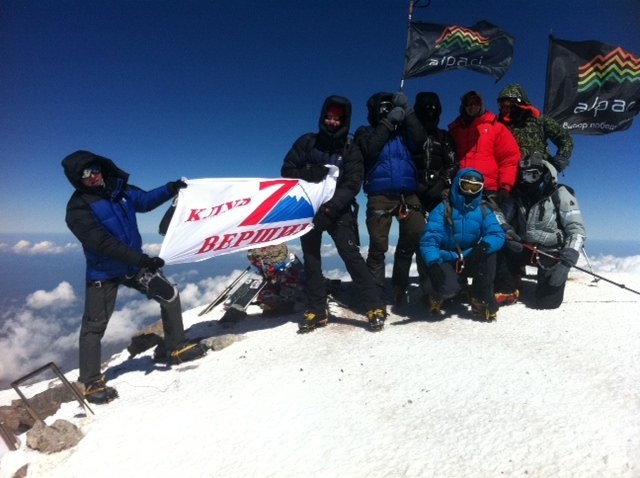
They were on the top at 12 a.m. It was windy, but clear. 5 members (Andrey Dashin, Ivan Kosilov, Sergey Belchikov, Yaroslav and Sviatoslav Yefremov), 3 guides (Alex Abramov, Dima Ermakov, Denis Saveliev) and photograph Andrey ...
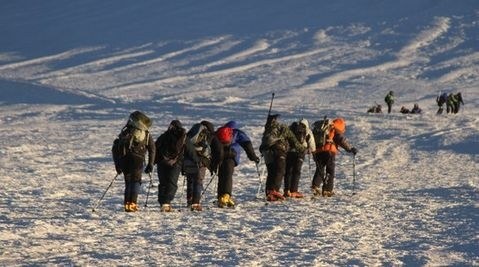
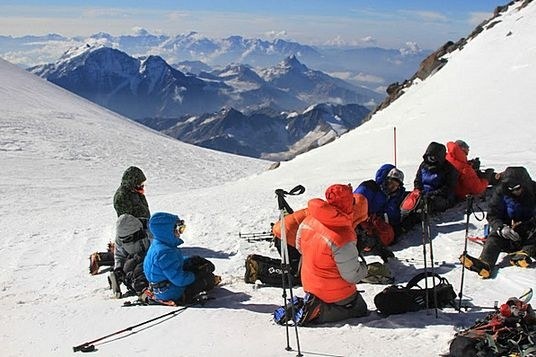
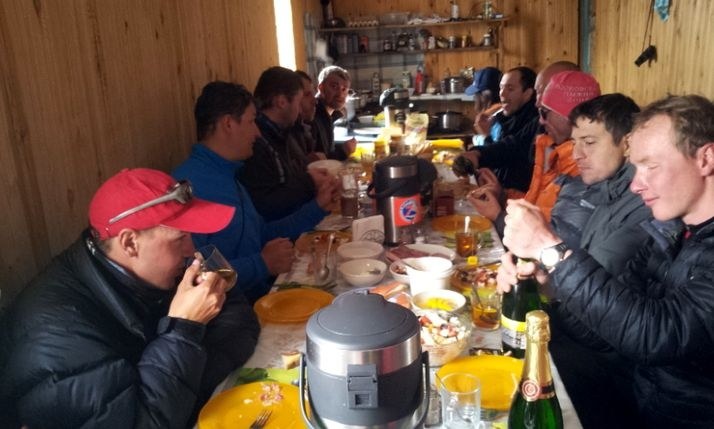
They were on the top at 12 a.m. It was windy, but clear. 5 members (Andrey Dashin, Ivan Kosilov, Sergey Belchikov, Yaroslav and Sviatoslav Yefremov), 3 guides (Alex Abramov, Dima Ermakov, Denis Saveliev) and photograph Andrey Saveyko reached the highest point. All descended without big problem to 6.30 p.m. to the refuge Bochki.
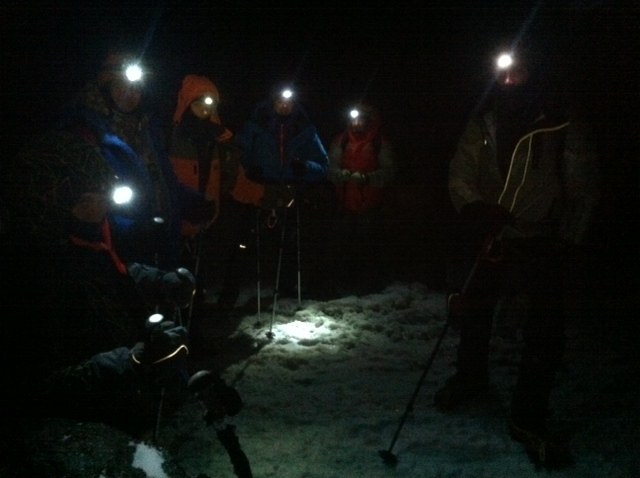
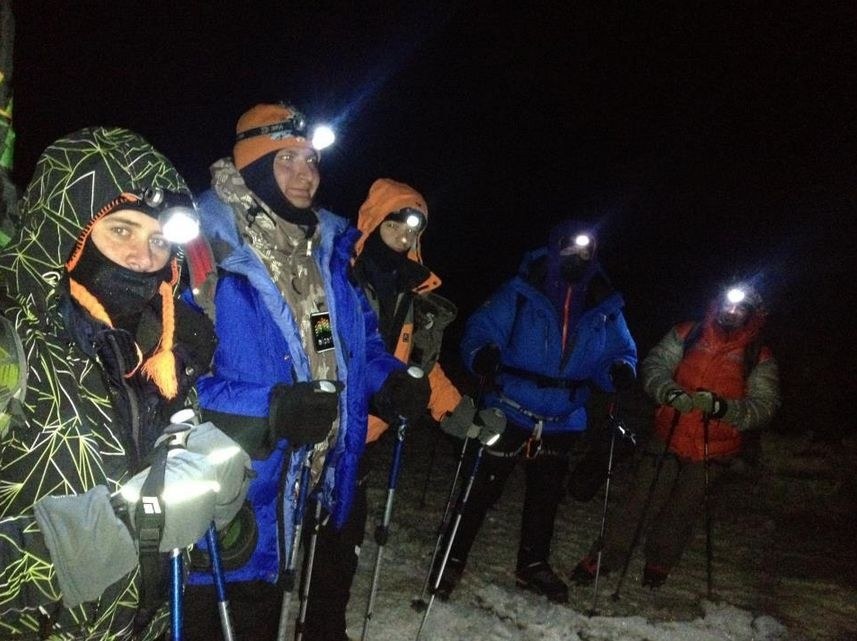
Start at night...


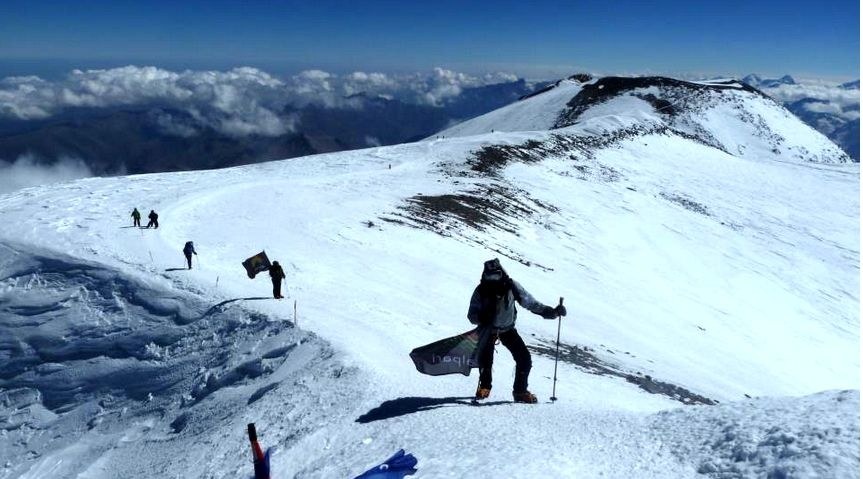

Summit !!!!!!

The team Alpari - 7 Summits for 300 days on Elbrus
Elbrus.
The team of Alpari Luda Korobeshko - Ivan Dusharin - Maxim Shakirov climbed Western Summit of Elbrus. During the descent Max injured his leg, so they cancelled a climb Eastern Peak. They descendded to the refuge only in darkness. That ia ...
The team of Alpari Luda Korobeshko - Ivan Dusharin - Maxim Shakirov climbed Western Summit of Elbrus. During the descent Max injured his leg, so they cancelled a climb Eastern Peak. They descendded to the refuge only in darkness. That ia fifth summit of the prokect. Next Kosciuszko and Vinson ....

North Caucasian resorts should provide good services - Putin
Elbrus.
North Caucasian resorts should provide tourists with good services, Russian President Vladimir Putin said today at a meeting with the head of Karachay-Cherkessia, Rashid Temrezov, RIA Novosti reports. "Good services and trained personnel ...
North Caucasian resorts should provide tourists with good services, Russian President Vladimir Putin said today at a meeting with the head of Karachay-Cherkessia, Rashid Temrezov, RIA Novosti reports.
"Good services and trained personnel are the most important things," Putin said.
"It is necessary to provide tourists with better services than European competitors. I believe that is a possible aim to achieve," Putin added.