"7 Volcanoes" project news - Page 111
Ex-WWE Wrestler Attempts To Climb Mt Elbrus
Elbrus.
July 4, 2012. BERNEWSPart time Bermuda resident John “JBL” Layfield recently attempted to climb Europe’s highest mountain, with the aim to plant both a WWE and Bermuda flag at the summit.Mr Layfield, best known as a former ...
July 4, 2012. BERNEWS
Part time Bermuda resident John “JBL” Layfield recently attempted to climb Europe’s highest mountain, with the aim to plant both a WWE and Bermuda flag at the summit.
Mr Layfield, best known as a former WWE professional wrestler, entrepreneur and host of the Fox Business Network’s “Cashin’ In” programme, helped found the charitable Beyond Rugby Bermuda organization to benefit children on the island.
Recently honoured for his work in Bermuda, Mr Layfield’s latest effort is the “Seven Summits Bermuda Challenge” in which the 45-year-old athlete will be attempting to plant a Bermuda flag on the top of the highest peak of every continent in an effort to raise money for kids in Bermuda through the Family Centre.
He started out trying to climb the highest mountain in Europe — Mount Elbrus located in Russia — however had to turn back right before reaching the summit due to weather conditions creating a safety hazard.
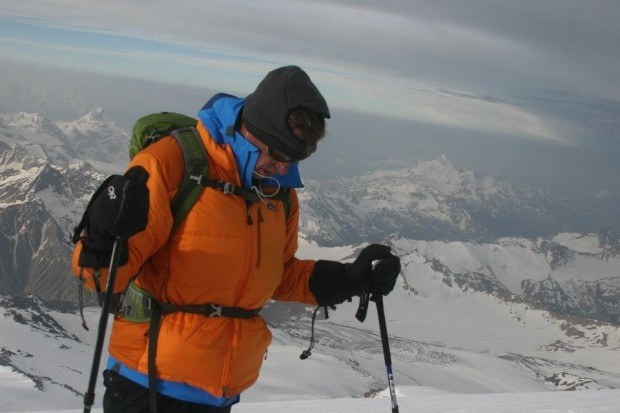
Speaking after his recent trip, Mr Layfield said: “I had three goals in trying to climb the highest mountain in Europe, 18,511 feet high Mt Elbrus. I wanted to raise money for the kids I work with daily in Bermuda (Beyond Rugby Bermuda), I wanted to plant a WWE and Bermudian flag on the summit and I wanted to not die. I accomplished two out of the three.
“I’m 45 years old and have had a broken back, four knee surgeries and two herniated discs-so I knew this would not be easy. But, we tell our kids daily that everyone has problems, it’s what you do with what you have that matters. I wasn’t just raising money for the kids; I was doing my best to set an example. We all have mountains to climb, mine ahead of me were just literal.”
Mr Layfield trained for over half a year for Mt Elbrus, and had gotten to where he would do a stair master up to three hours straight. He and his team flew to Moscow, and made their way to the Baksan Valley which is located just north of Georgia and next to Chechnya.
After arriving Mr Layfield saw they took two climbs from base camp and the second to over 15,000 feet to finish their acclimatization. “The second climb was about eight hours and though hurting I made the climbs in good form, I felt great about summit day,” said Mr Layfield.
The actual day arrived, and the team set off in their quest to reach the top of the mountain. ”After climbing for 7 ½ hours we were at the beginning on the “saddle’ between the mountain’s two peaks. I can’t describe the effort these 7-½ hours took to climb,” said Mr Layfield.
“We stopped for lunch and I discovered that my lunch had somehow been squished and ruined. However, we were only about 1,000 feet from the summit-though that 1,000 feet would take 4-5 hours. It looked so close.
“Vladimir had gotten concerned by the weather and was warning us we might have to turn back but now he was adamant. He told us, correctly, that if we continued that we would be caught up by what turned out to be a huge storm. I did not want to turn back, at all.
“We were so close and I had worked so hard, to turn back now was something that didn’t even seem realistic. The summit was so close you could almost touch it.
“Chris reluctantly had agreed with Vladimir. Chris is a mountain veteran who hated to give up on the summit, I was climbing for my kids and the thought of turning back was so hard to digest. However, we finally all agreed that we ran the risk of being stuck on the mountain if we continued. And, my third goal of not dying would have been put in jeopardy.
“I just sat there for some time looking at the summit and thinking of the support that the WWE had given me and the greater goal of helping kids that need it. It was one of the saddest moments of my life,” Mr Layfield continued.
“We turned back. Chris and I both were totally out of gas. Climbing down is almost as hard as climbing up; the snow had softened so we sank into the snow on most steps. At one point we sat down and slid down part of the mountain. Vladimir was helping me so much; Chris’ guide Albert was helping him as well. I don’t ever remember being that spent.
“At one point Vladimir had me take off my crampons and harness and we slid roped together down the mountain with Vladimir behind me to help put on the brakes as we got too fast.
“We made it down at 2pm, half a day after we started. The storm was now setting in and Vladimir was right in his warning and advice. There is a good chance that we could have been in dire trouble if we had continued; we could have easily been stuck on the mountain.
“The storm has closed the mountain and so there is no hope of another summit attempt-I will have to return next summer. My lips bled badly this morning (from exposure) as I tried to brush my teeth and my blisters are so bad I can’t wear shoes, but everything I have wrong is temporary and I just had the wildest week of my life and loved every second of it.
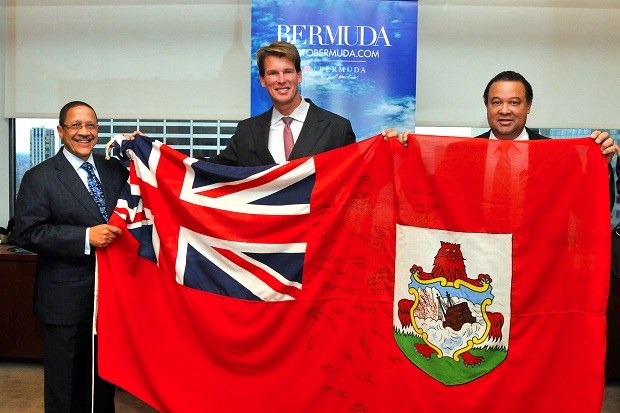
“I did get a great pic with the WWE and flag at over 17,000 feet and got a pic with the Bermuda flag for my kids (and to say thanks to the government there for the support they give our program and to our partner The Family Center).
“I have Kilimanjaro scheduled next in September. My feet will be better than and I will have a couple more months of training and the experience of being at altitude. I plan on making the mountain and then it’s to South America and then to Antarctica all by January. I have Mt Everest scheduled for spring of 2014.
“I tell my kids you can only control what you can control and you can’t worry about what you can’t. I can’t control the weather, but the mountain didn’t break me, so I’m getting geared up for round two. I still plan on making the Seven Summits but realize now why only a few hundred people have ever done it, these are world-class mountains.
“Most importantly I have my WWE and Bermudian flag all packed and ready to go to Africa for round two. We are only just beginning,” finished Mr Layfield.

10 – 16th of July – Bard Concert on the slopes of Mount Elbrus
Elbrus.
7 Summits Club became friends with a bard Arthur Gladyshev, who sang at our parties inMoscowandSt. Petersburg. We fully supported the idea of record-breaking concert at the mountain summit of Elbrus. At one time this idea was ...
7 Summits Club became friends with a bard Arthur Gladyshev, who sang at our parties inMoscowandSt. Petersburg. We fully supported the idea of record-breaking concert at the mountain summit of Elbrus. At one time this idea was suggested by our other good friend Nick Seleznev. He died in an avalanche in April of this year. His blessed memory this show will be dedicated . 7 Summits Club will try to give organizers the best possible care.
Festival "BARD-ROCK Elbrus" will be held from 10 to 16 July 2012 in the Elbrus region.
This year we plan a concert on teh "Pastukhov Rocks" (4800 meters above sea level). In 2013 - the concert will be held at the Saddle and on one of the peaks of Elbrus (5642 meters west, 5621 - East). It will be applied for in the "Guinness Book of Records" - the highest concert in the world.
Qobin Completes Seven Summits
Elbrus.
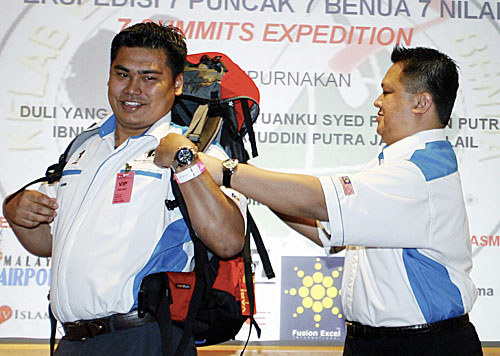
Qobin Completes Seven Summits Seven Continents Expedition SEPANG, June 21 (Bernama) -- National mountaineer, Muhammad Muqharabbin Mokhtharuddin or Qobin managed to complete the last mission of the Seven Summits Seven Continents Seven Values ...
Qobin Completes Seven Summits Seven Continents Expedition
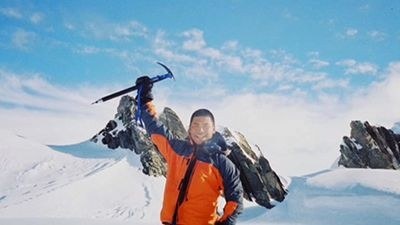
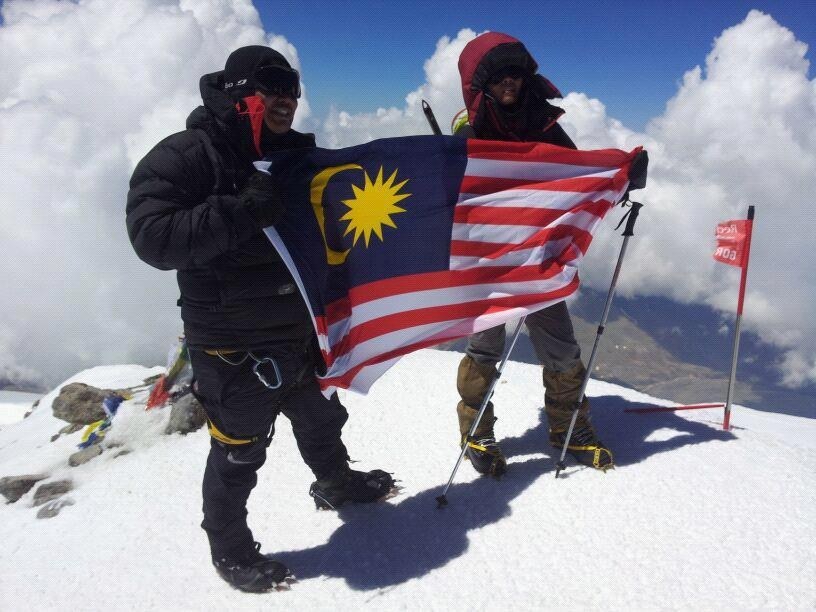
SEPANG, June 21 (Bernama) -- National mountaineer, Muhammad Muqharabbin Mokhtharuddin or Qobin managed to complete the last mission of the Seven Summits Seven Continents Seven Values Expedition by conquering Mount Elbrus, Europe's highest mountain, on June 13.
Following the feat, the 30-year-old has joined the rank of 400 mountaineers worldwide who have completed the Seven Summits Seven Continents expedition so far.
Speaking to reporters on his arrival at the Kuala Lumpur International Airport here Thursday, he said the success was a special gift to Prime Minister Datuk Seri Najib Tun Razak and Malaysians who provided great support for his endeavour.
Qobin started his quest at the world's tallest mountain, Mount Everest (Asian Continent) in 2004 and summitted five other peaks between 2010 and 2012.
He began with Kilimanjaro (African continent) in 2010 and went on to Kosciousko (Australasia), Aconcagua, Argentina (South American continent), Vinson Massif (Antartica) and completed Mc Kinley, Alaska on the North American continent last year.

How two broken helicopters were removed from the slopes of Elbrus
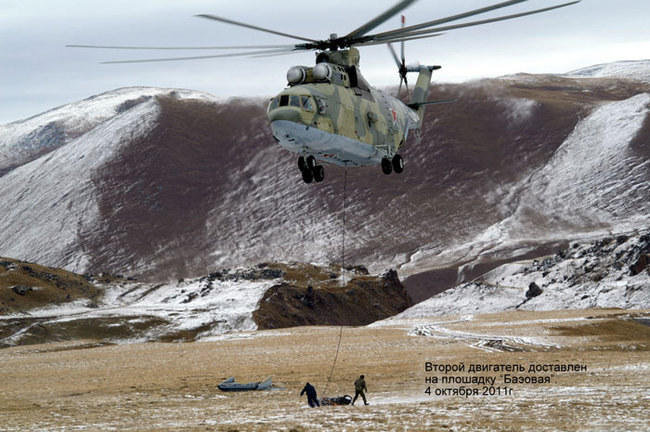
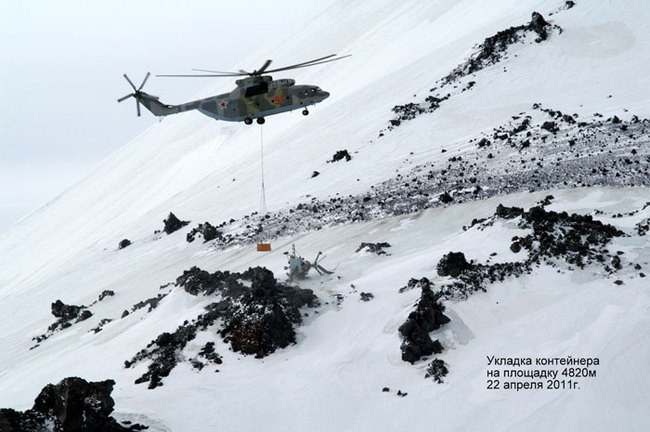
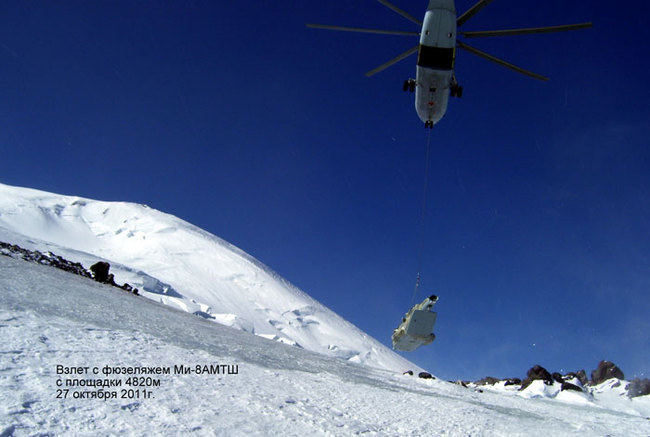
In October 2012 two helicopters fallen on the slopes of Elbrus had been successfully removed. Vladimir Horev, Test Pilot Enterprise "Rostvertol" led this unique operation. At the same time it was established seven world ...
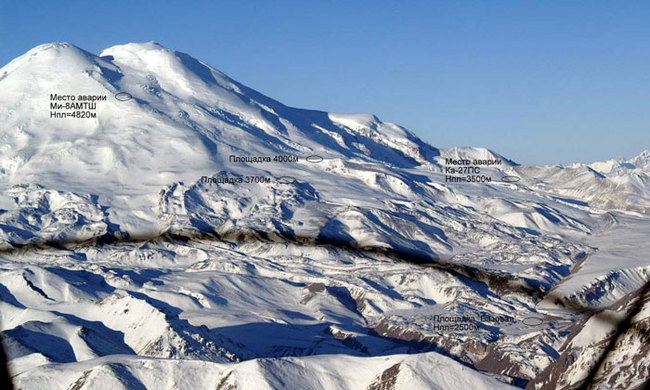
In October 2012 two helicopters fallen on the slopes of Elbrus had been successfully removed. Vladimir Horev, Test Pilot Enterprise "Rostvertol" led this unique operation. At the same time it was established seven world records at once!
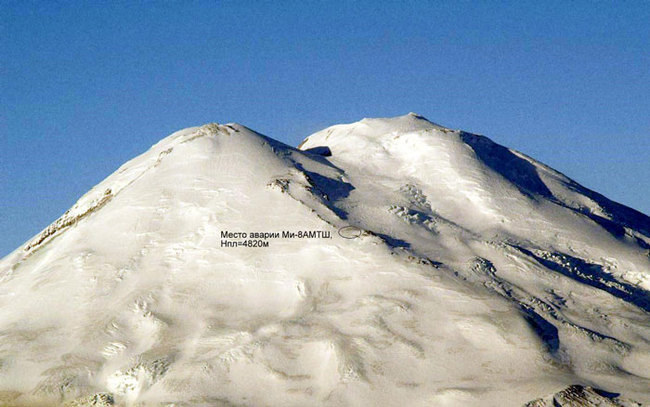
Military ... Mi-8 helicopter crashed in the northern slope of Mount Elbrus July 27, 2010 during a training landing .. Fortunately, there were no casualties, but the machine was left lying on its side, at an altitude of 4820 meters above sea level. . The decision to evacuate the helicopter was taken at government level, which was confirmed in the form of the order of Commander of the Air Force. The operation began in 2010. But then it became clear that the helicopter must first be disassembled into several parts.
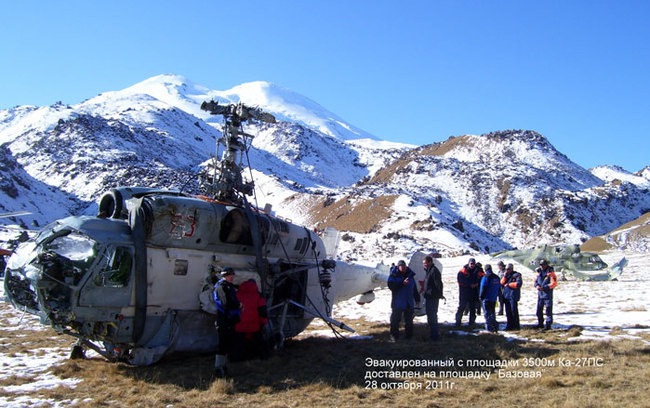
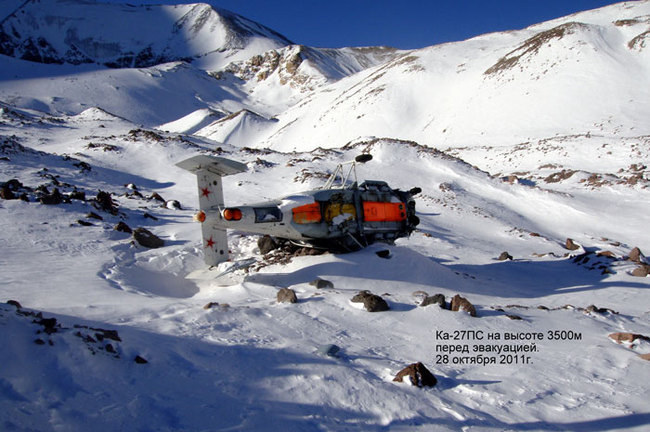
In the summer of 2011 two more accidents involving helicopters have taken place on the northern slope of Mount Elbrus. First, a little private "Robinson" made an unsuccessful landing. Then, the KA-27, who unsuccessfully tried to remove the "Robinson".
In October 2011 a large powerful helicopter MI-26 took off fallen MI-8 rom the cliffs Lenz. And later KA-27 was removed from 3500 meters in the western part of Elbrus. The operation was very difficult and risky, but well over.
Fully material can be found in Russian
http://olenalex.livejournal.com/95833.html

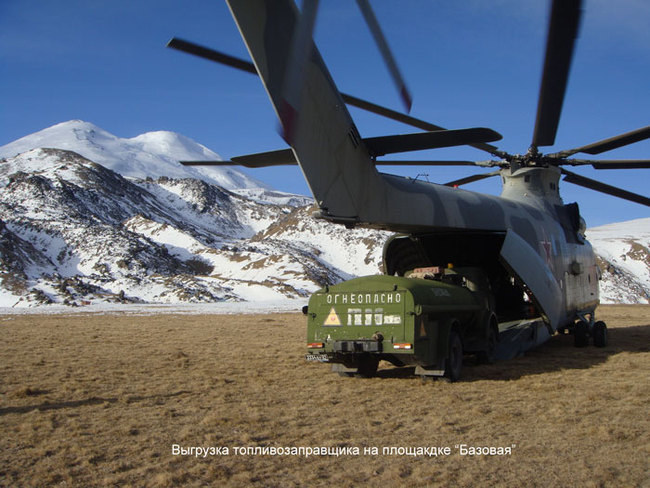

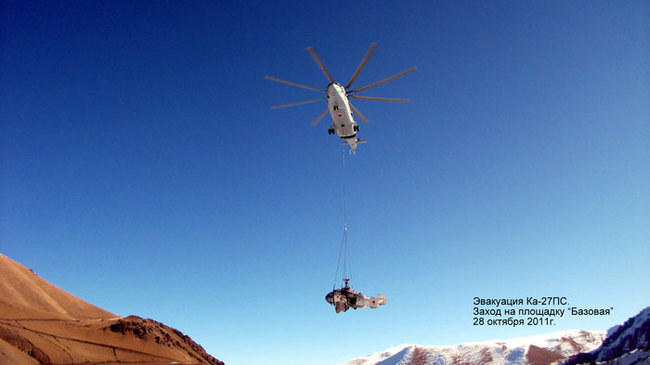
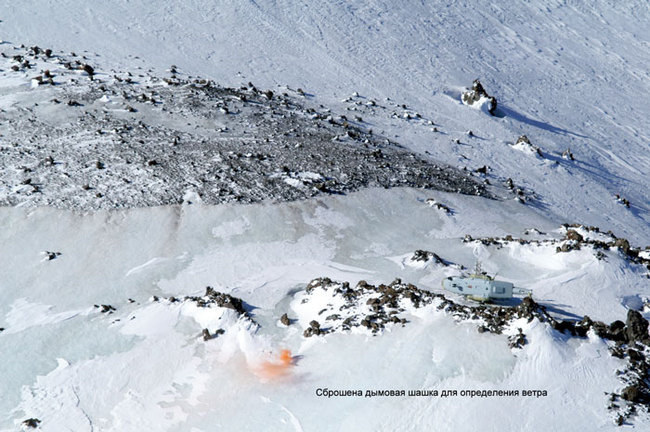


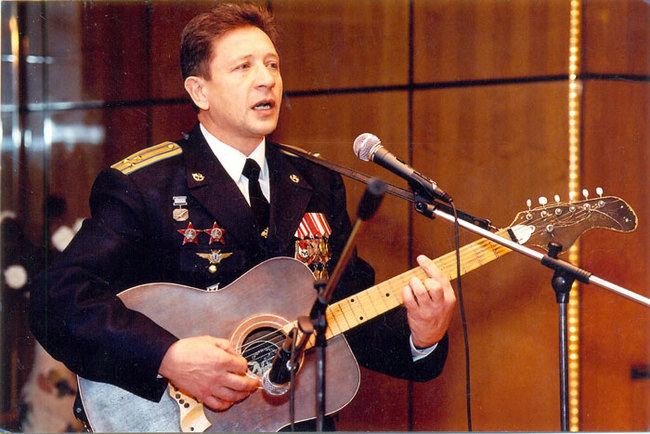
Vladimir Horev
All climbers from our group had reached the summit of Kilimanjaro
Kilimanjaro.
All climbers from our group had reached the summit of Kilimanjaro. Our congratulations to Jaroslav Zhivotovsky from Kazakhstan, Maxim Shahaev and Maxim Alagurov from Perm, Jeyhun Guseinov from Moscow State University (Moscow), Mamta Sodha ...
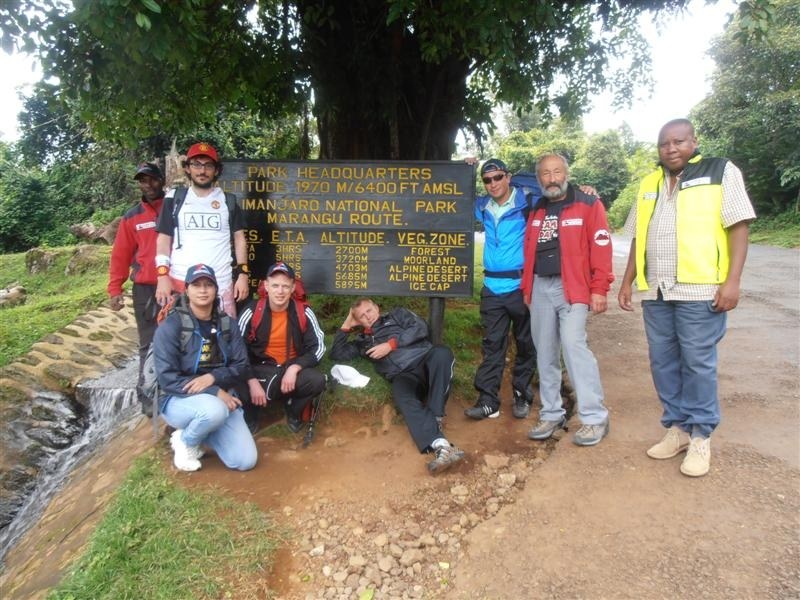
All climbers from our group had reached the summit of Kilimanjaro. Our congratulations to Jaroslav Zhivotovsky from Kazakhstan, Maxim Shahaev and Maxim Alagurov from Perm, Jeyhun Guseinov from Moscow State University (Moscow), Mamta Sodha – well-known woman climber from India and to our guide Nikolay Cherny !
Nikolay Cherny goes in Africa as a guide for Kilimanjaro
Kilimanjaro.
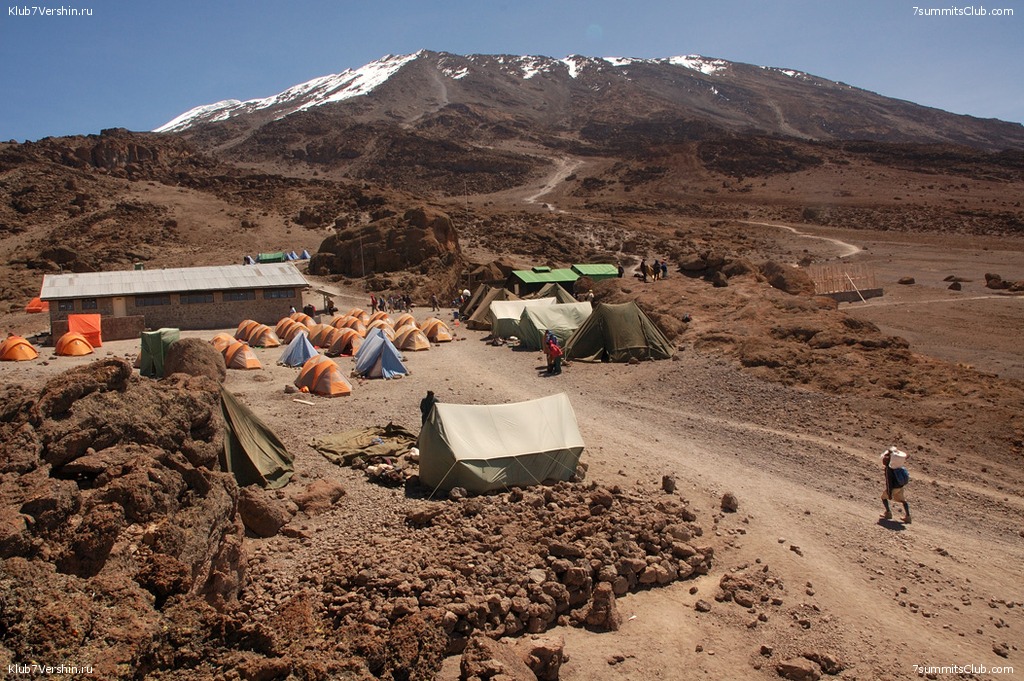
June 15 a new group of 7 Summits Club goes on a tour of the program "Climbing Kilimanjaro". Standard Route: Marangu trail, plus two days Safari (LakeManyaraand Ngorongoro). Nikolay Cherny is a guide in this group. Famous Russian ...
June 15 a new group of 7 Summits Club goes on a tour of the program "Climbing Kilimanjaro". Standard Route: Marangu trail, plus two days Safari (LakeManyaraand Ngorongoro). Nikolay Cherny is a guide in this group. Famous Russian climber in this year celebrates the 74th birthday. He has twice climbedMount Everestat the age of 66 and 70 years. Nikola Cherny continue several times a year to travel to the mountains as a guide. In winter, he was a сщфср of the team makes an attempt to climb K2. In May he was one of the judges at competitions Elbrus Race.
The Group has an international staff: Jaroslav Zhivotovsky fromKazakhstan, Maxim Shahaev and Maxim Alagurov from Perm, Jeyhun Guseinov from Moscow State University (Moscow). Also, Mamta Sodha – well-known woman climber fromIndia. She has already climbed Mount Everest and then goes under the project "7 summits".
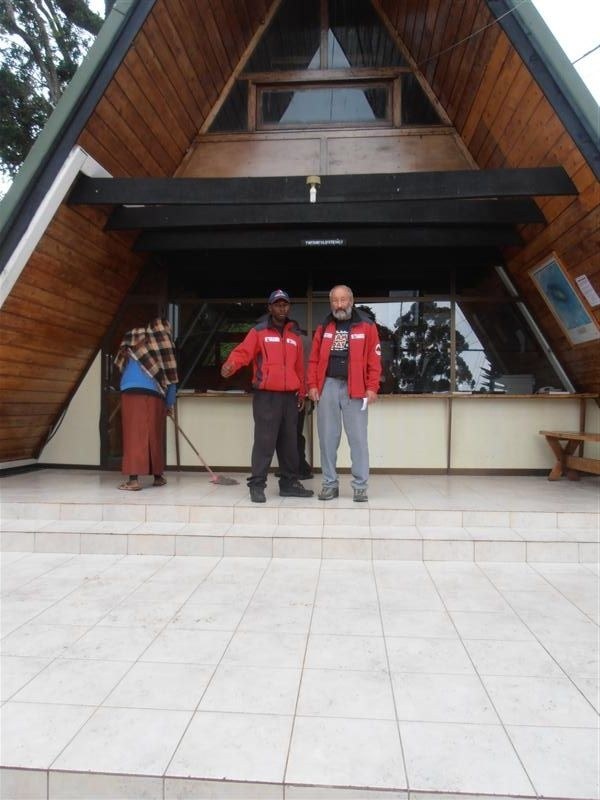
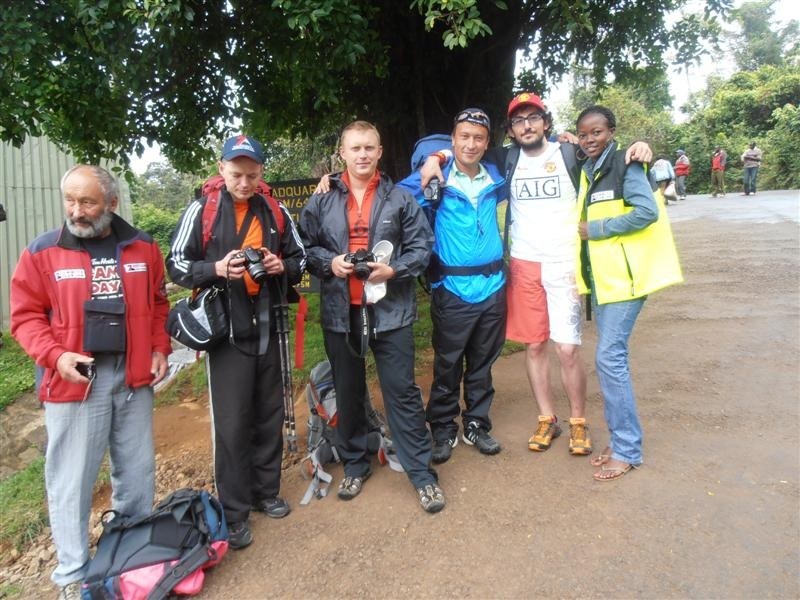


Photos from Damavand
Damavand.
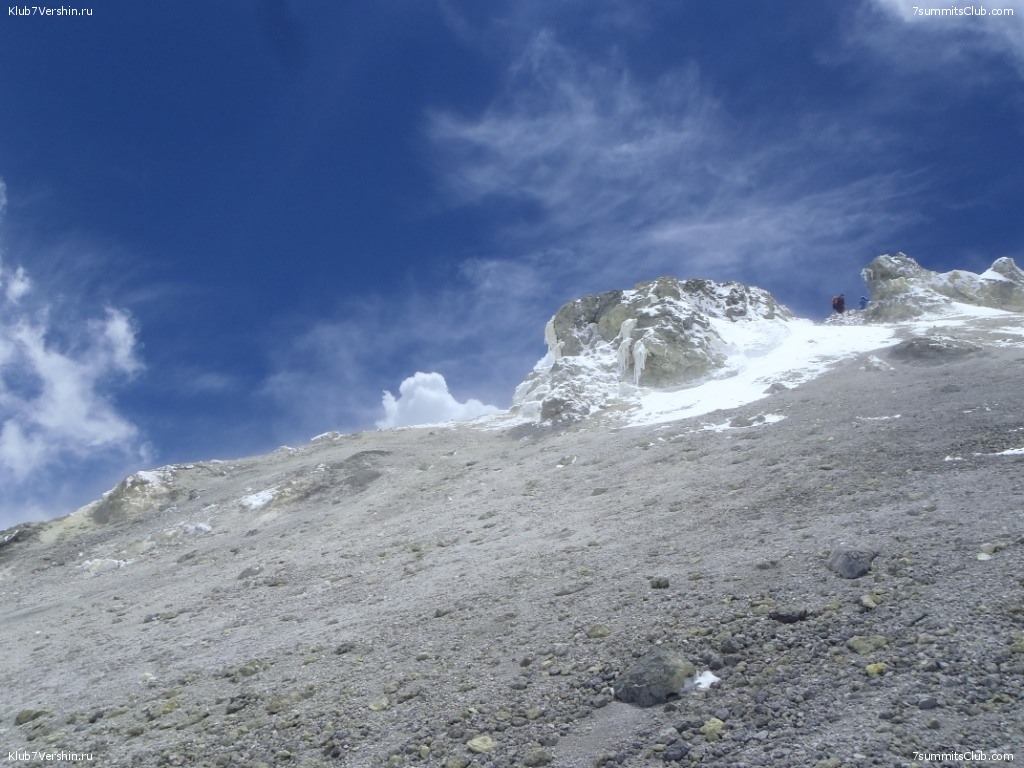
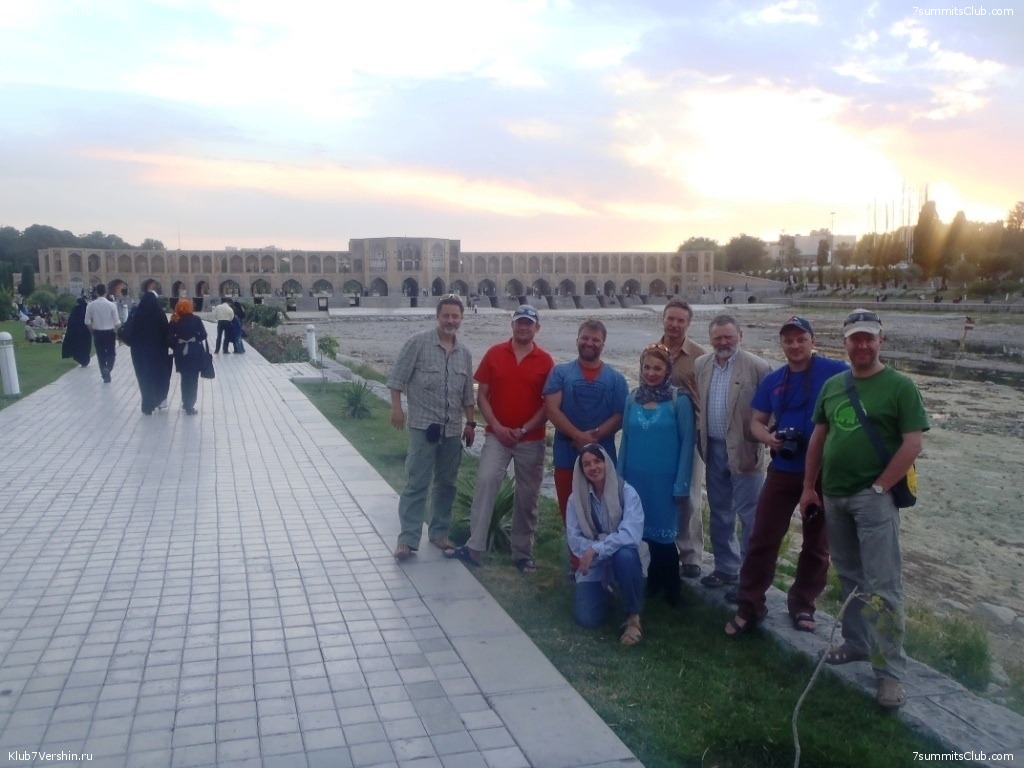
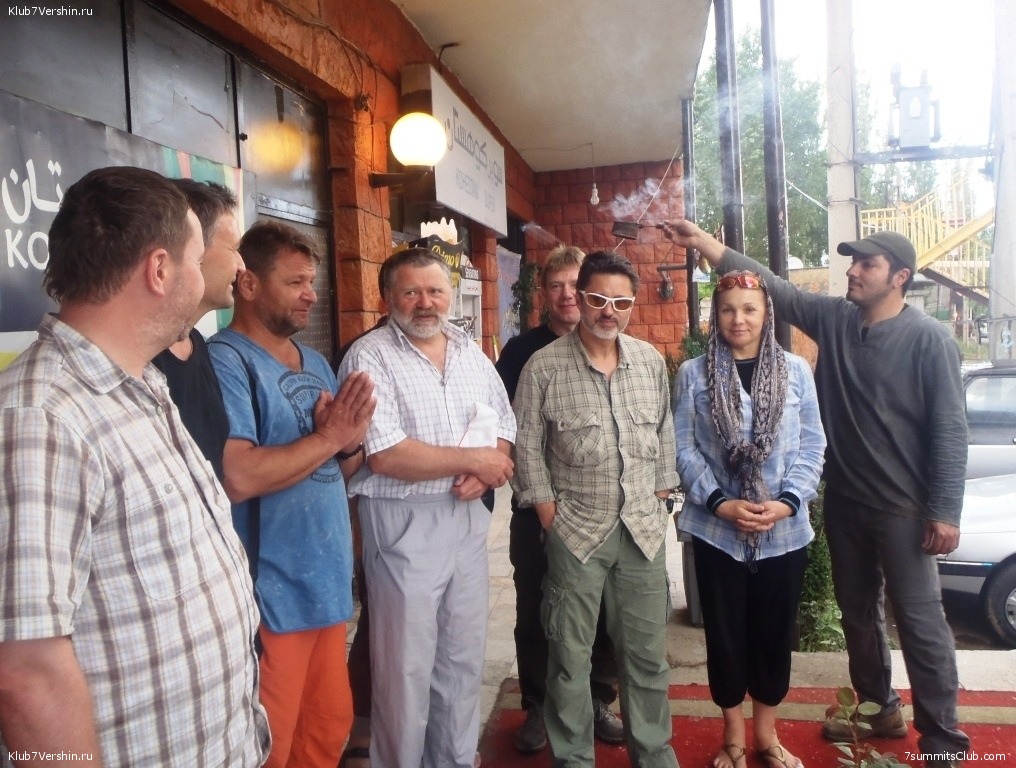
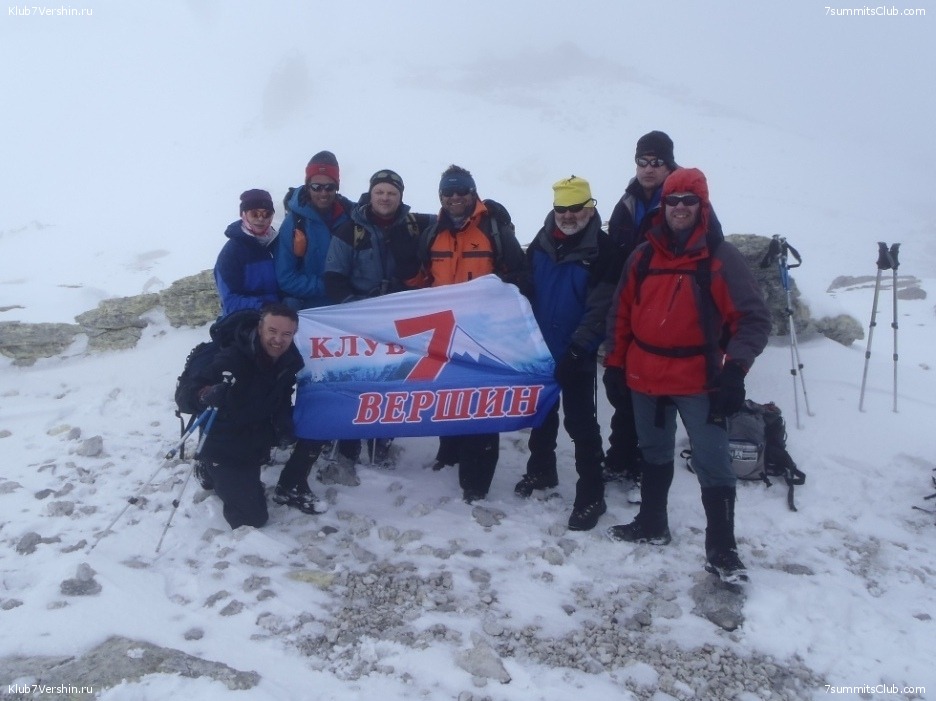
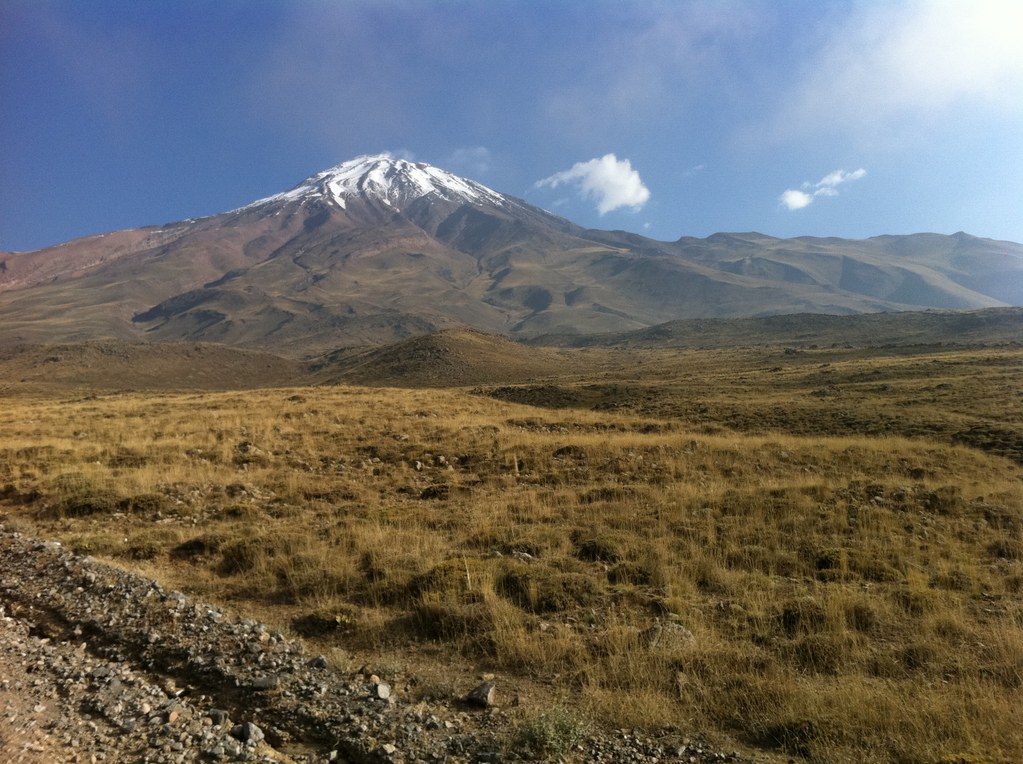
Here Olga Rumyantseva from Iran. Today, all members of our team climbed Mount Damavend. The ascent took place in very difficult weather conditions. We tread the road to his knees in the snow all the way. So we walked as much as 8 hours, ...
Here Olga Rumyantseva from Iran. Today, all members of our team climbed Mount Damavend. The ascent took place in very difficult weather conditions. We tread the road to his knees in the snow all the way. So we walked as much as 8 hours, instead of the usual 5. But that did not stop us.

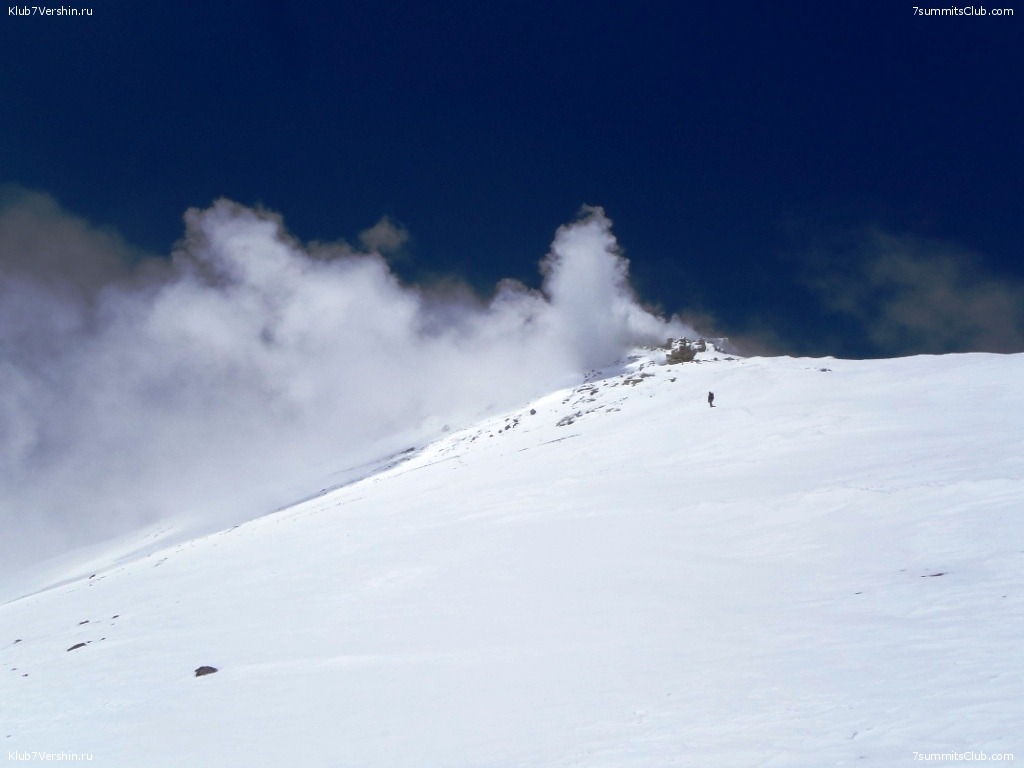
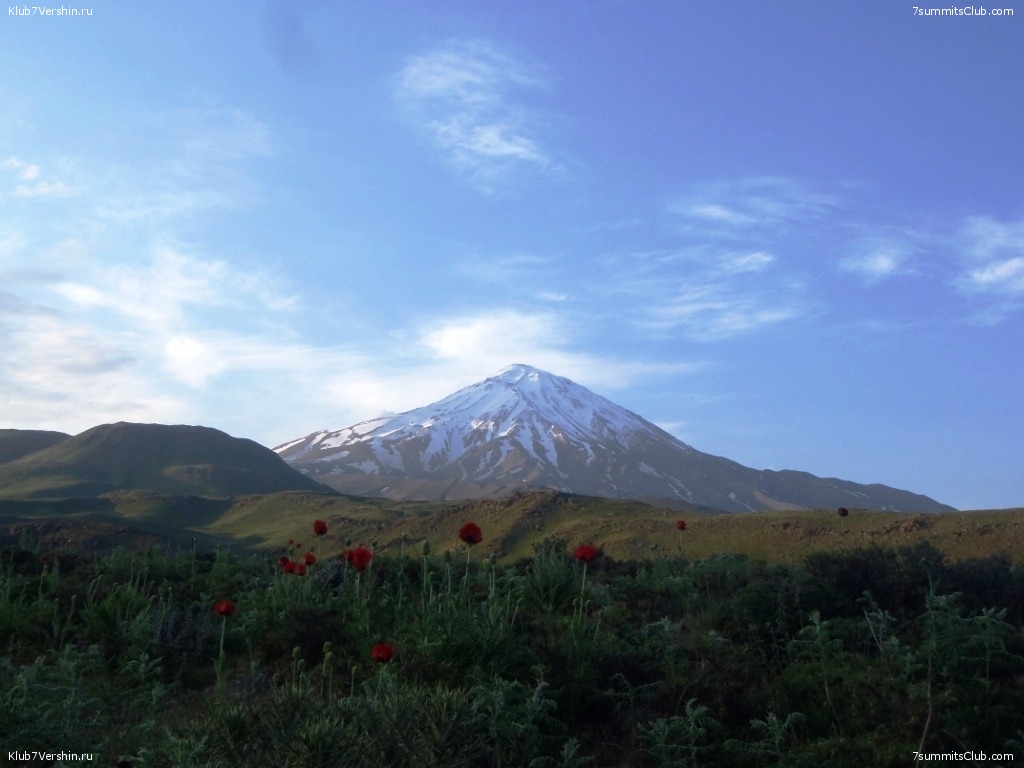

We climbed Damavand
Damavand.
Here Olga Rumyantseva from Iran. Today, all members of our team climbed Mount Demavend. The ascent took place in very difficult weather conditions. We tread the road to his knees in the snow all the way. So we walked as much as 8 hours, ...
Here Olga Rumyantseva from Iran. Today, all members of our team climbed Mount Demavend. The ascent took place in very difficult weather conditions. We tread the road to his knees in the snow all the way. So we walked as much as 8 hours, instead of the usual 5. But that did not stop us. We have dedicated our ascent to Ernesto Che Guevara, whose birthday is today.
7 Summits Club opened a new office in the region of Elbrus!
Elbrus.
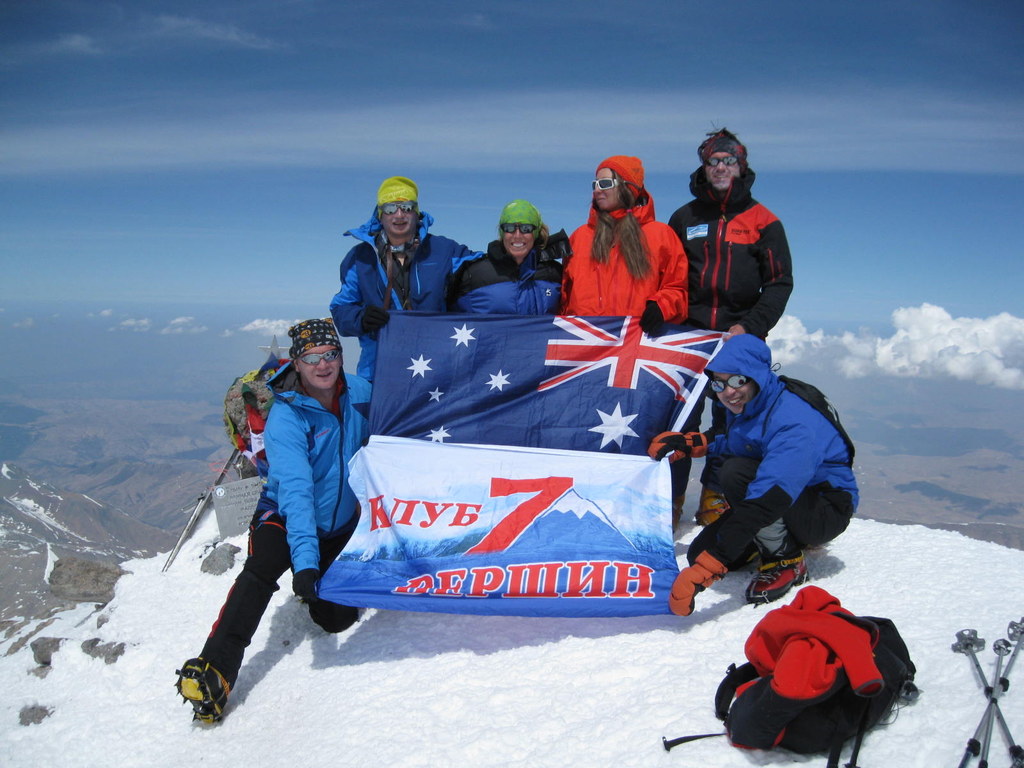
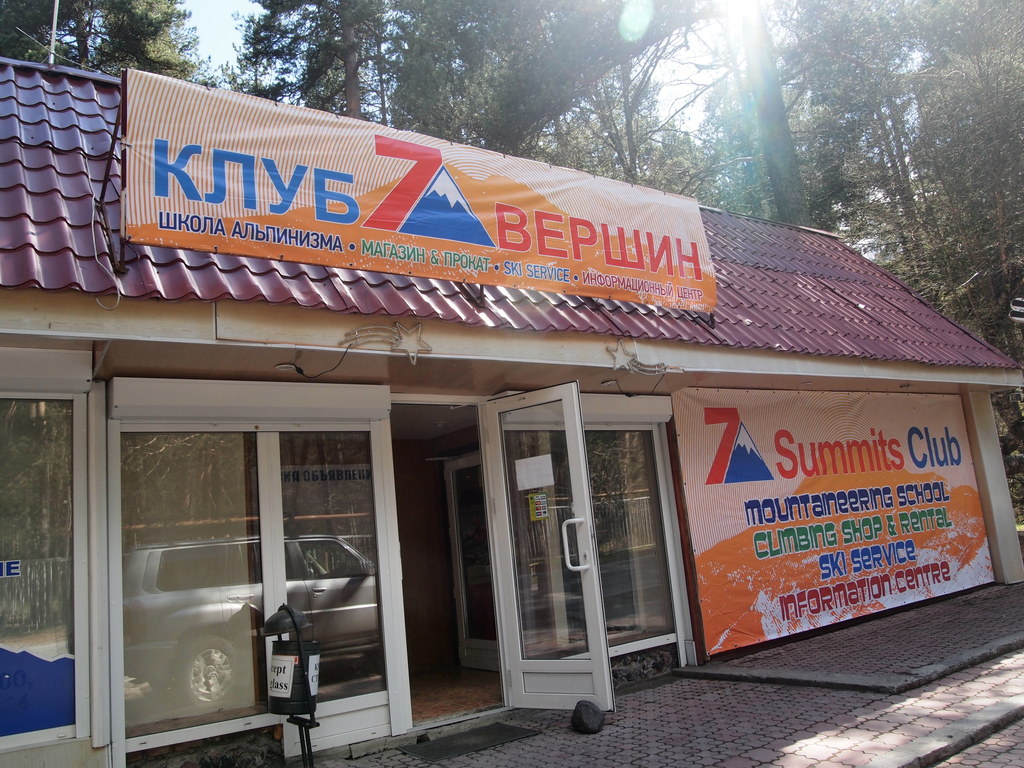
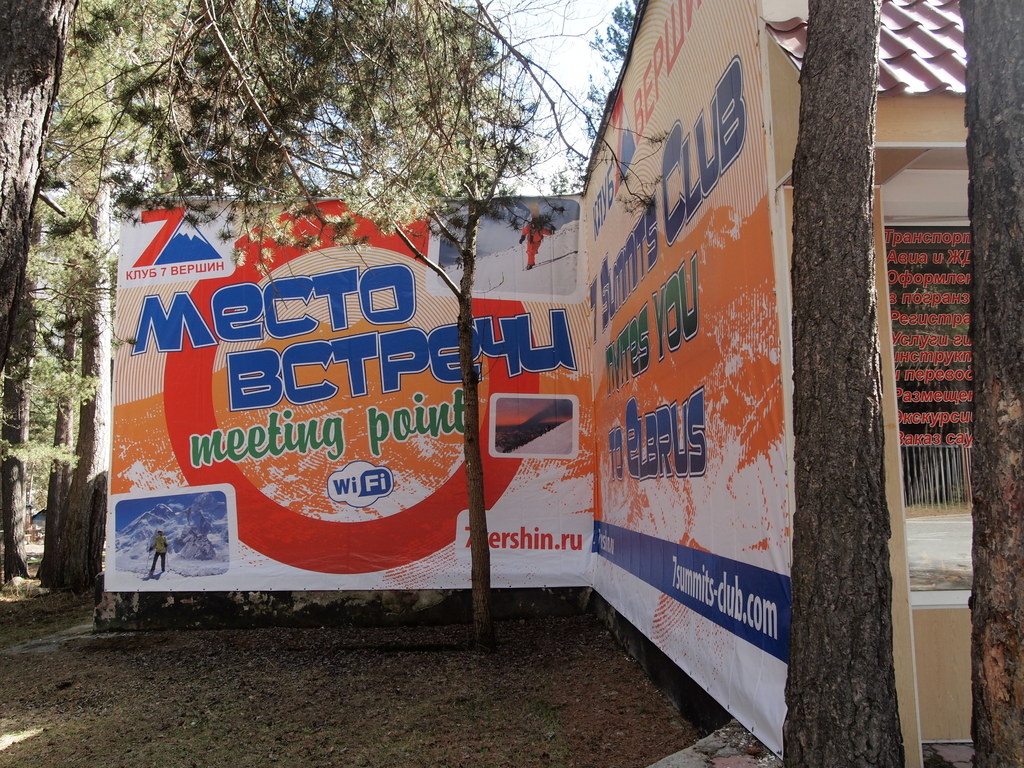
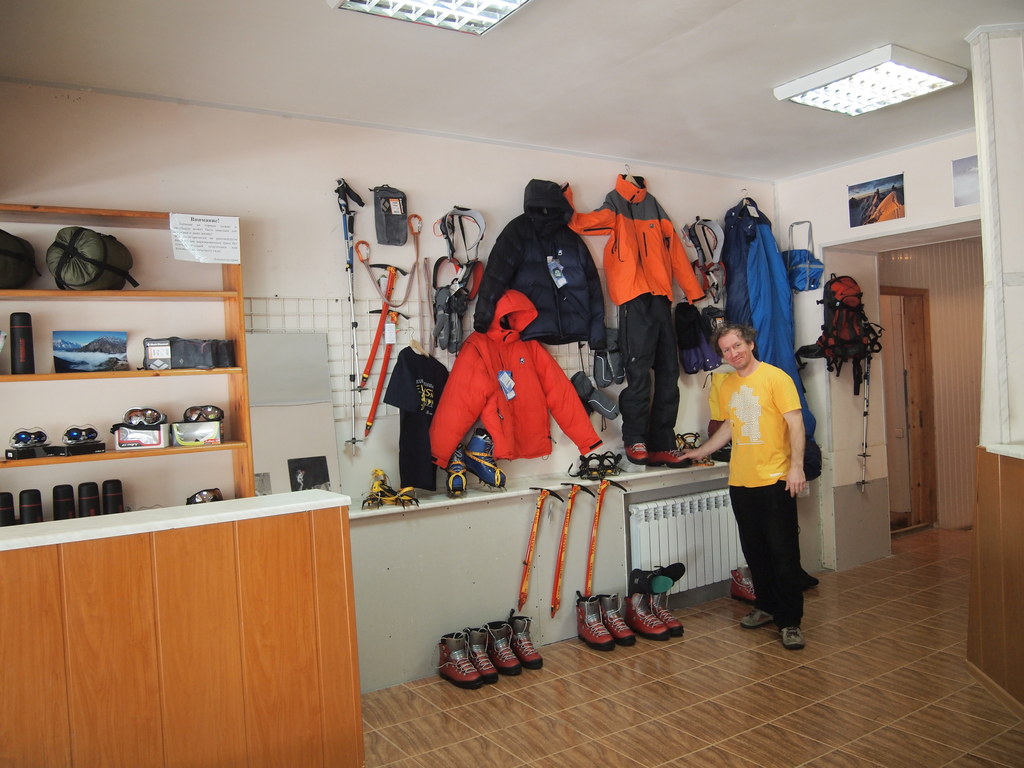
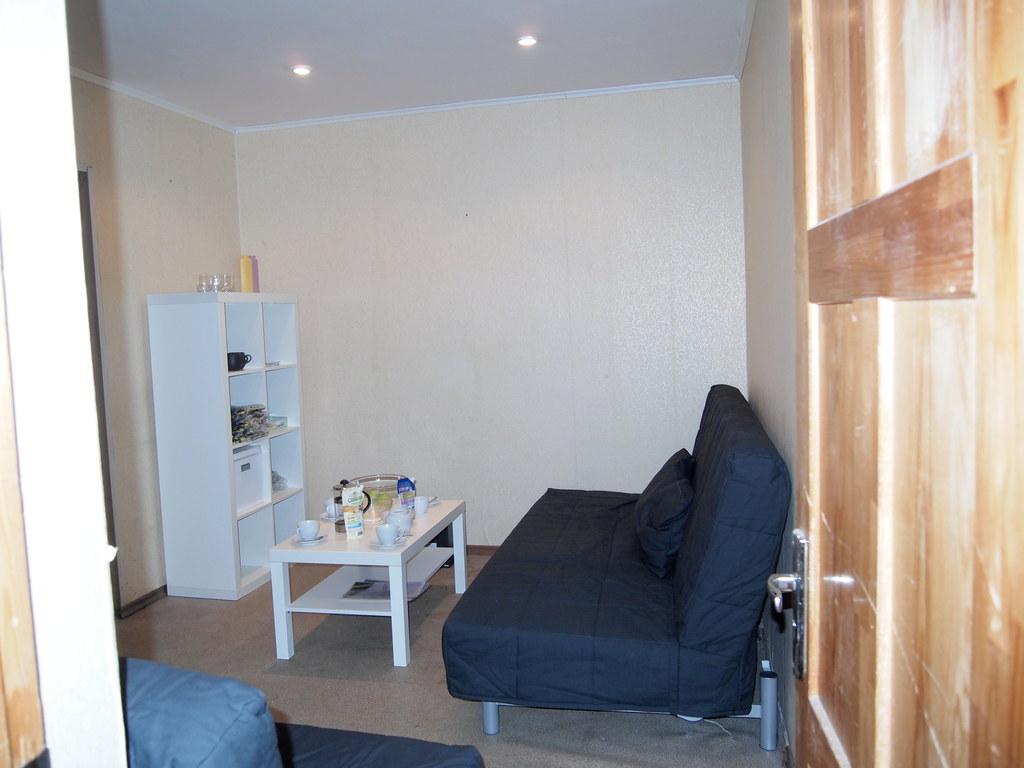
Office of 7 Summits Club is located in the village Terskol, not far from the Cheget Glade. We are in the same building, in which previously was the company of Alpindustria. Welcome to Elbrus! In early May the good conditions for climbing ...
Office of 7 Summits Club is located in the village Terskol, not far from the Cheget Glade. We are in the same building, in which previously was the company of Alpindustria.
Welcome to Elbrus!
In early May the good conditions for climbing were on Elbrus. Many climbers from different countries have made successful ascents.
Our complex includes:
- Shop of climbing equipment;
- Equipment rental;
- Agency for the organization of climbing Elbrus;
- School of Mountaineering (climbing, ice climbing, ski-tour);
- Repair of ski equipment;
- Information Center;
- Free Wi-Fi -24 hours.


The great success of the Elbrus Race
Elbrus.
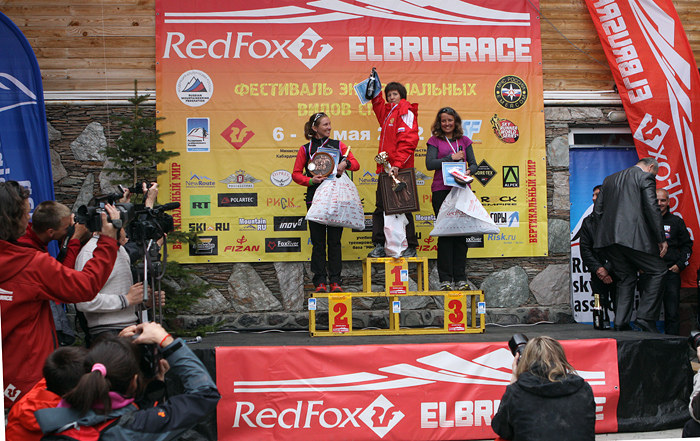
The great success - so you can call the results of competitions named Festival Red Fox Elbrus Race 2012. It took place from 7 to 11 May on the southern slopes of the highest mountains in Europe, on the classical route. It is near the ...
The great success - so you can call the results of competitions named Festival Red Fox Elbrus Race 2012. It took place from 7 to 11 May on the southern slopes of the highest mountains in Europe, on the classical route. It is near the village of Terskol. Several hundred participants started in several sport disciplines (vertical kilometer race, sky-running, ski-mountaineering, snow-shooing) . This is much more than two years ago. World leaders of sky-running for the first time took part in the Elbrus race . After a year pause, connected with operations against terrorists in the area, Mount Elbrus (from the south) is open for the public, open for climbing.
Guide 7 Summits Club Artem Rostovtsev took a very high place in the competition. He was the fourth in the vertical kilometer race and fifth in the race to the summit of Elbrus.
Route:
Azau Glade –Western Summitof Elbrus
The whole length of the route is around 12200 meters
Vertical drop of the route 3240 m
Men
1. Luis Alberto Hernando (Spain) - 3.41
2. Marko de Gasperi (Italy) - 3.44
3. Vitaly Shkel (Samara) - 3.53
Women
1. Janna Vokuyeva (St. Petersburg) - 5.02
2. Alexandra Dzik (Poland) - 5.39
3. Nadejda Korolyatina (Krasnoyarsk) - 6.12
Amateurs.
Refuge Bochki (Garabashi) –Western Summitof Elbrus
Men.
1. Denis Provalov - 3 hours of 17 minutes
2. Vladimir Klebansky - 3.22
3. Ismail Achabayev - 3.45
Women.
1. Zoya Spirina - 5.16
2. Valeria Merkuryeva - 5.46
Russia Today TV
The 2012 Red Fox Elbrus Race wrapped up in Russia earlier this week, reports our correspondent Alexandra Zakharova. Taking part in the high-speed run to the West Elbrus Peak were 150 athletes from twelve countries, including skyrunning stars Luis Hernando and Marco De Gasperi of Spain and Italy, respectively.
This year, the Red Fox Elbrus Race was part of competitions held under the auspices of the International Skyrunning Federation. It is Mount Elbrus which will be the venue of the 2012 Skyrunner World Series which will see the participation of many leading athletes. Alisa Tarim, press secretary of the administration of the Elbrus municipal district, praised the organization of the 2012 Red Fox Elbrus Race.
"The race has been held since 2010, and we hope that it will turn into a traditional event attended by a host of skyrunning stars, Tarim says. Right now, we are considering holding the 2014 World Skyrunning Championships," Tarim concludes.
Russian athletes performed brilliantly at the 2012 Red Fox Elbrus race, with Zhanna Vokuyeva and Nadezhda Korolyatina grabbing gold and bronze, respectively. As for Vokuyeva, it took her five hours and two minutes to reach the West Elbrus Peak, a result that meant that she broke a world record set by Alexandra Dzik of Poland in 2010. Another bronze was won in the men’s event by Vitaly Shkel.
Interestingly, the high-speed run to the West Elbrus Peak was held in two classes – professional athletes and non-professionals, who were obliged to start the ascent from the altitudes of 2,350 meters and 3,800 meters, accordingly.

News from Red Fox Elbrus Race
Elbrus.
Guide of the 7 Summits Club Artem Rostovtsev took the high fifth place (80 participants) in the today competition Red Fox Elbrus Race - "Vertical Kilometer". In front of - only world leaders and two Russians. We consider this as a success. ...
Guide of the 7 Summits Club Artem Rostovtsev took the high fifth place (80 participants) in the today competition Red Fox Elbrus Race - "Vertical Kilometer". In front of - only world leaders and two Russians. We consider this as a success. Come on, Artem, on! Good luck in the race to Elbrus.
Women.
1. Larissa Sobaleva (Petropavlovsk-Kamchatsky) 0:56:51
2. Jeanne Vokueva (St. Petersburg) 0:57:00
3. Aleksandra Dzik (Poland) 1:03:26
4. Elena Bolkhovitinov (Penza) 1:06:45
5. Nadezhda Korolyatina (Krasnoyarsk) 1:14:25
Men.
1. Marco De Gasperi (Italy) 0:44:39
2. Luis Alberto Hernando Alzaga (Spain) 0:45:47
3. Alexander Bolkhovitin (Penza) 0:51:25
4. Vitaly Shkel (Samara) 0:52:14
5. Artem Rostovtsev (Korolev) 0:54:51

Arkhyz: ski resort with a past gets a reset. VIDEO
Elbrus.
Vsevolod Pulya. The first chair lift and two trails opened March 18 in the North Caucasus resort of Arkhyz. Alexander Khloponin, presidential envoy to the North Caucasus Federal District, was the first skier to come down the slopes. In a ...
Vsevolod Pulya. The first chair lift and two trails opened March 18 in the North Caucasus resort of Arkhyz. Alexander Khloponin, presidential envoy to the North Caucasus Federal District, was the first skier to come down the slopes. In a celebratory speech afterwards, he noted that while this was certainly a signal event, “there is still much more to do.”
Jam made from pine cones, Cossack fur hats, mountain herbs for tea drinking, sweet homemade wine: these are the sorts of souvenirs tourists bring back from Arkhyz. At local stands they can also buy refrigerator magnets showing snowboarders and skiers against dramatic mountain backdrops. In reality, however, there aren’t any ordinary skiers on the slopes yet. Construction of the Arkhyz Resort has only just begun: instead of hotels there are improvised camp sites, there is almost no cell phone coverage, and there was no point paving the 8.5 miles road to the resort ahead of Sunday’s opening since the heavy construction trucks would destroy it in a matter of weeks.
Before the construction began, the only people who came here in winter were extreme skiers with plenty of money – or at least enough to hire a helicopter to drop them at the top of Arkhyz’s virgin trails. In the summer, mountain biking and rock climbing without the necessary infrastructure attracted only the daredevils.
But Arkhyz, which gets some name recognition from a widely distributed mineral water of the same name, is a resort with prospects. In the local dialect, Arkhyz means “beautiful girl,” and a glance at the landscape is enough to see why. Arkhyz is also in a very convenient location: less than four hours by air from most countries in Europe, Asia and the Middle East. The nearest international airport, in Mineralye Vody, is only 125 miles away; the region also plans to build some smaller airports for private planes.
A Russian Les Arcs
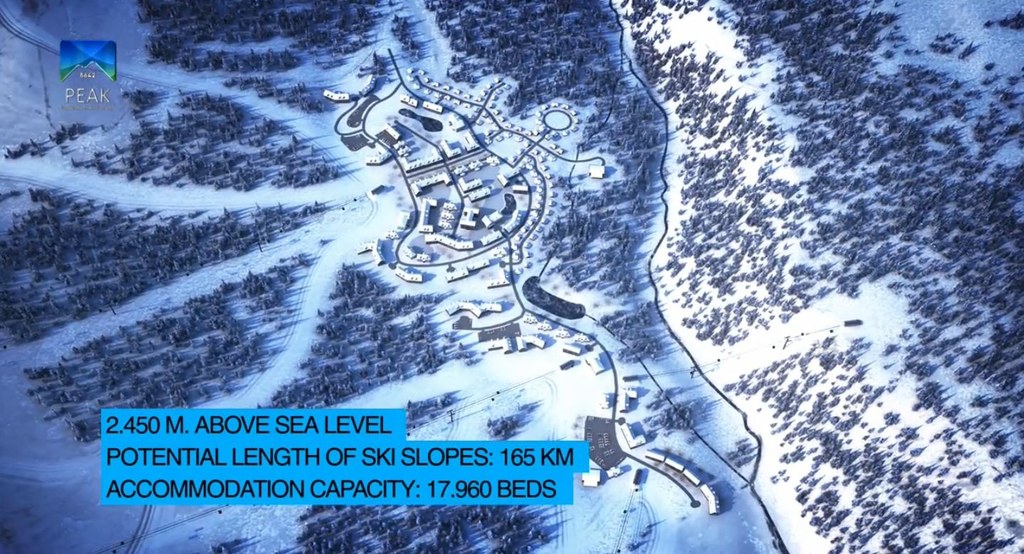

Many of those who attended the opening ceremony at Arkhyz sported hats and scarves bearing the Latin words per angusta ad augusta, which means “through ravines to the heights.” The real heights at Arkhyz are still to be scaled. The new four-seat chairlift takes skiers up only 377 feet, to an altitude of 5,800 feet; the resort itself sits at an altitude of 5,400 feet above sea level. The first two trails are 2,200 and 3,600 feet long. The next stage — construction of five hotel complexes with 700 rooms – will be completed by this fall, in time for the start of the new ski season. By then, the combined length of open ski trails will be almost four miles. These figures may seem modest to inveterate downhill skiers, but these are just trial balloons. Arkhyz has more ambitious plans. “The real work on this resort will begin at the end of the year when we propose specific sites to investors,” Khloponin declared at a post-ski press conference.
Related :
The Caucasus – Ancient traditions and a complex history
Fighting terrorism with tourism
Time to remember, heal and build a good name
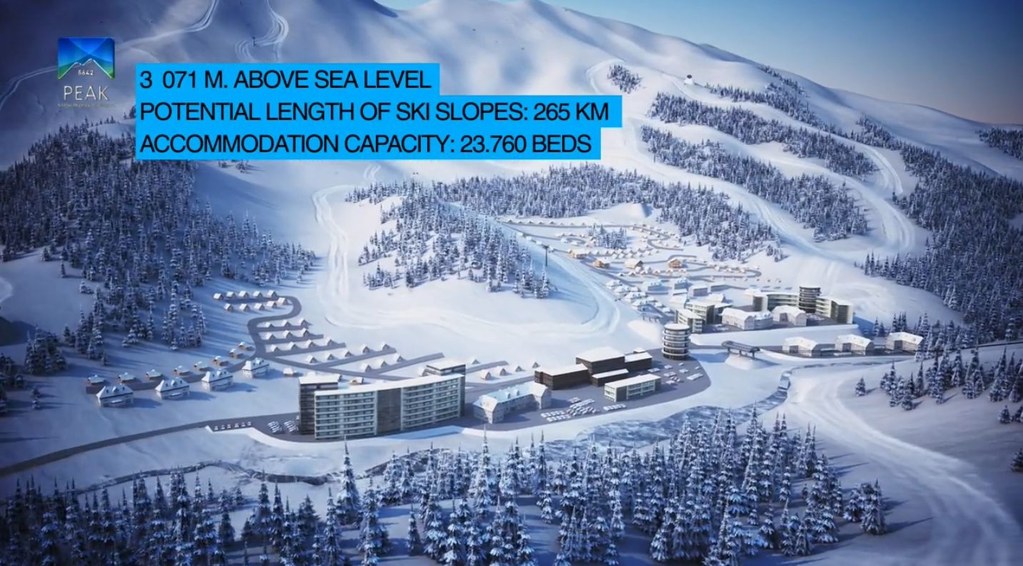
The builders say that when it’s finished, Arkhyz will be comparable to Les Arcs, the French ski resort in the Alps. All told, eight years from now, Arkhyz will consist of four tourist complexes housing a total of 24,000 guests; 54 ski lifts able to carry 45,000 skiers a day; аnd ski trails totaling 167 milres in length. All of this will be available with a single ski pass. At Resorts of the North Caucasus (KSK), the company in charge of developing the tourist cluster in the North Caucasus, specialists say that once Arkhyz is finished and in full operation, it should draw more than half a million skiers a year.
The first goal of the resort is to make downhill skiing affordable for averages Russians. “Resorts in the North Caucasus cluster should not compete among themselves,” said Alexei Nevsky, general director of KSK. “We have to develop a single concept, a single marketing and price policy.”
This project also has a social mission: it will create 10,000 jobs in the Republic of Karacheyvo-Cherkessia, according president of the republic Rashid Temrezov. At any rate, local grandmothers are ready to take in guests: their homemade meat pies and wool socks are already selling well.
Nature and history
Facts and figures
1,440 and 3,300 meters (4,700 feet-10,800 feet) above sea level is the difference in altitudes in Arkhyz Valley. The highest points: Mt. Pshish and Mt. Sophia
60 glaciers and mountain lakes are located in the valley
12 waterfalls crash down from the Sophia Glacier
170 km (105 miles) is the length of the resort’s main waterway: the Zelenchuk River
+14.8 Celsius (58 Farenheit) is the average air temperature in summer
- 5.6 Celsius (21 Farenheit) is the average temperature in winter
0,5-2,5 meters (18 inches-8 feet) is the average thickness of the snow cover
The Arkhyz Gorge is protected from strong winds and blessed with a mild climate. Its alpine slopes are covered with dense stands of fir trees and pine trees and it is the home of 26 natural mineral springs.
Meanwhile, for non-skiing tourists or those who want a break from the slopes, there are some unique local excursions. A mysterious natural icon of Christ is carved right on the steep left bank of the Zelenchuk River. Christ’s face looks down on ancient churches and the remains of the ruined city of Maas. The oldest of the churches was built 1,200 years ago, making it the most ancient religious edifice in Russia.
Thirty-seven miles to the west of Arkhyz is Adyukh Mountain, which has a small tower on its summit. The mountain and its fortress were named in honor of a girl who, as legend has it, was so unhappy in love that she threw herself off the mountain top; another legend claims that she threw off the rope ladder on which her unfaithful lover, a horse thief, was climbing. Visitors able to climb the 730 steps up to the top will be rewarded with a magnificent view of the Zelenchuk River and surrounding valley — the horizon stretches away to Abkhazia.
At the foot of Mt. Adyukh is the Adyukh Palace Hotel, whose owner is a veteran collector of antique automobiles. His collection includes a 1950s Mercedes, and old UAZ that has not driven even one mile in all its 40 years of existence, and a complete collection of Volgas, Chaikas and ZIMs.
A new cluster
The Legend of Caucasus - watch video
Arkhyz is KSK’s debut project. By 2020, KSK plans to have fully developed this tourist cluster with world-class ski resorts throughout the North Caucasus. Meanwhile, Dagestan’s Caspian Sea coast will be dotted with beach resorts. When construction of the cluster is complete, it will boast a combined total of 680 miles of downhill ski trails and 227 ski lifts, as well as hotels, apartments and cottages for 102,500 people.
Northern Caucasus resorts map + info. Click to view infographics
KSK anticipates that this cluster will receive between 5 and 10 million vacationers every year. The total volume of federal investment in the transport infrastructure and communications of resorts in the North Caucasus should equal 60 billion rubles ($20 billion). The Sinara Group, an investor in and builder of Arkhyz, put up 1 billion of the 3 billion rubles already spent on building the resort and its infrastructure. The project’s financing is being conducted on the principles of a government-private partnership. The project will receive a total of 80 billion rubles ($2.7 billion) in investment.
These Russian investors are expected be followed by foreign investors; investors from France and South Korea have already signed agreements on a joint enterprise, according to Nevsky. He confirmed that the South Korean company Korea Western Power is ready to invest $1 billion in the cluster’s electricity supply network, while the investment bank Singapore Nexus means to invest in the development of hotels.
Elbrus on the pages of Alpinist and in reality. Welcome !
Elbrus.
Winter season on Elbrus smoothly into spring and summer’s Winter leaves Elbrus. No full satisfaction, but it was not disappointed. Sometimes it was not enough snow. Sometimes it was felt that not everyone decided to come. Again, ...
Winter season on Elbrus smoothly into spring and summer’s
Winter leaves Elbrus. No full satisfaction, but it was not disappointed. Sometimes it was not enough snow. Sometimes it was felt that not everyone decided to come. Again, the terrible tragedy of climbers on Elbrus ... But there was a lot of good. There are a lot changes for the better. And in the safety order, and in lifts. Our favorite hotel Povorot was worked almost "at five". And we look forward with optimism of the summer. However, it is spring. And we are waiting for the May holidays, waiting for the competition Elbrus Race of the Red Fox. It is always a big event. And this year it will record number of participents.
Latest news:
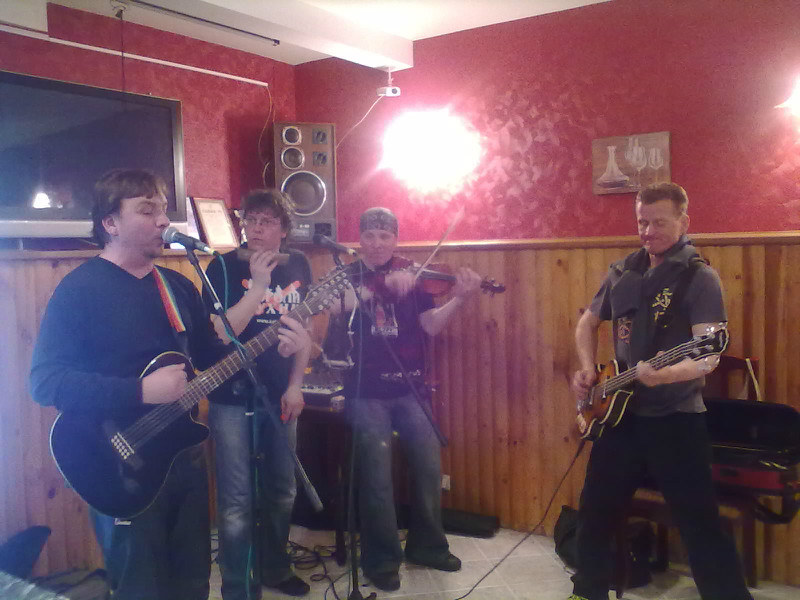
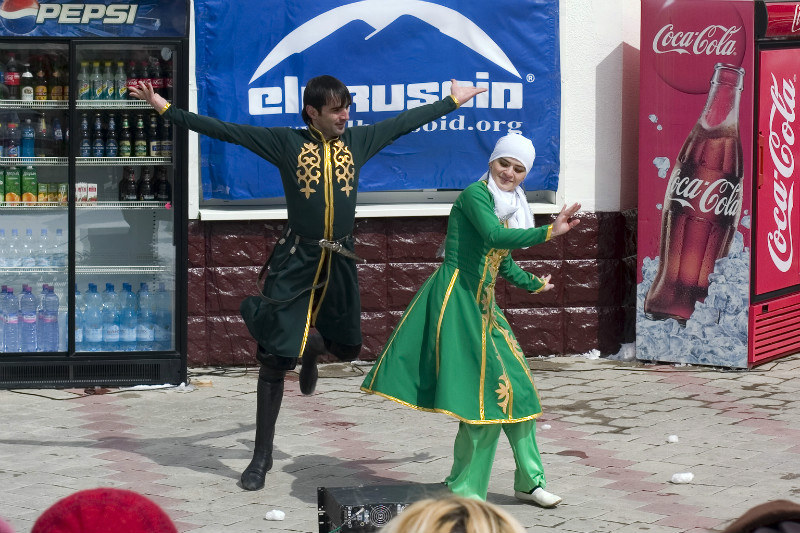
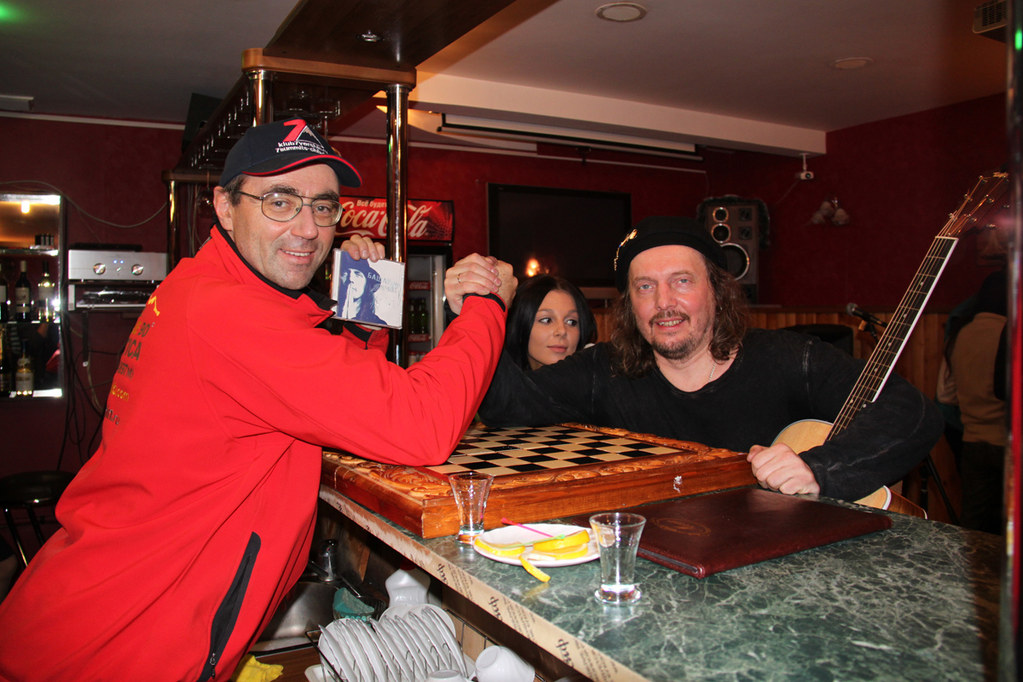
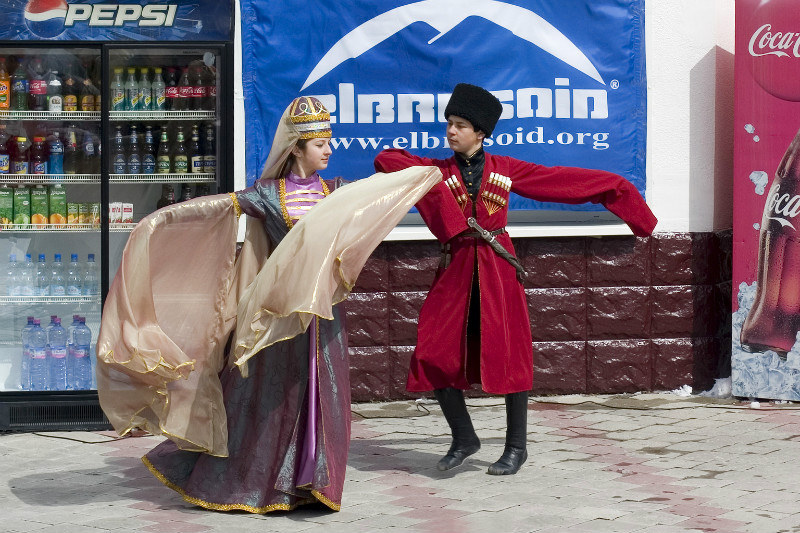
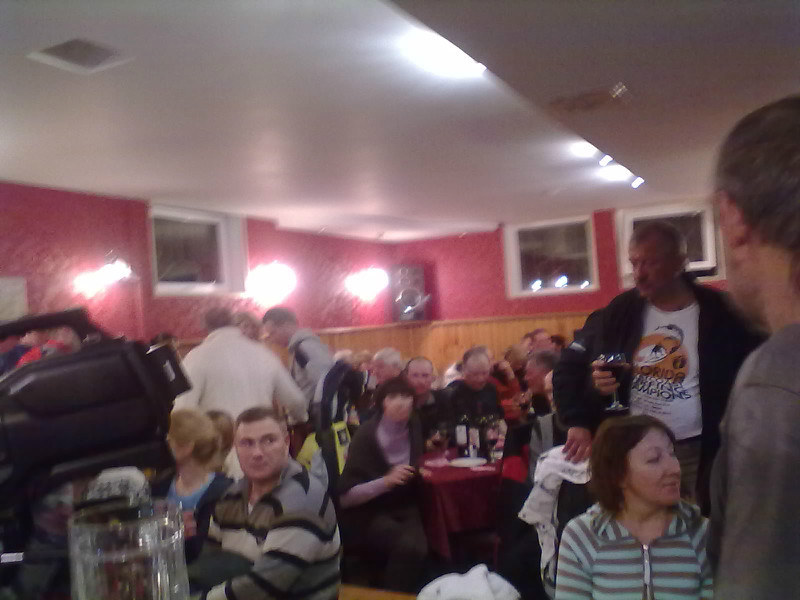
Completed a series of festivals in the Elbrus region. Management has prepared the region this year, a lot of pleasant surprises for the tourists. From 25 to 31 March it was held contest for ethnic artAltyn Square with the participation of teams fromRussia and CIS countries. On March 31 the baton took Elbrus Festival 2012, sponsored by the well-known musicians from Moscow and St. Petersburg: Michael Bashakov, Yuri Garin, Michael Kalinkin, Arthur Gladyshev, Dmitry Yurkov, the band "Kings of the Kitchen." Did the weather. Sunny days were followed by heavy snowfalls, so that skiers have an excellent opportunity for the free ride on the Cheget, and to be ridden on groomed slopes of Elbrus. And in the evening all gathered at the "Povorot."
----------
http://www.alpinist.com/doc/web12s/wfeature-elbrus
Elbrus
Casey O'Malley Posted on: April 6, 2012
[Photo] Mt. Elbrus courtesy of Mountain Madness/Savejko Photo.
It has been over one year since Mount Elbrus (5642m), Europe's member of the seven summits, was targeted in a terrorist attack. On February 18, 2011, two unidentified men stopped a van carrying five Moscow tourists to the Elbrus area—the men opened fire on the passengers after claiming to be plainclothes policemen. Three of the passengers died; two were hospitalized. Later that day, a bomb damaged a support tower for a cable car that travels up the side of Mount Elbrus. Thirty of the forty-five cars were damaged, but no people suffered injuries. The next morning, Russian officials diffused three improvised bombs containing 70kg of TNT, all found in a single car parked in the parking lot of a hotel at the base of the mountain.
The attacks happened just two weeks after Russian Federation President Dmitriy Medvedev unveiled a $15 billion plan to establish five ski resorts in the war-torn Caucasus Mountains, which guard the border between Russia and Georgia. Additionally, development for the 2014 Winter Olympics, slated to take place in Sochi, Russia, is in full swing less that 250km to the west.
In response to the February 2011 attacks, President Medvedev launched a fierce anti-terrorist campaign in the Caucasus. Military strikes canvassed the valleys. Regional governor Alexander Khloponin ordered a halt on tourist entry or exit to the area, claiming that the government needed to "clean up the territory" and only then "explain and show to everyone that it is safe in the Caucasus." A strong military presence covered the area and non-residents were not allowed to pass certain checkpoints. The Baksan Valley, which surrounds the southern aspect of Elbrus was closed off to all visitors.
The majority of Mount Elbrus's thousands of yearly visitors use local guides. The most popular southern route is often completed in as little as seven days, with chair lifts and snow cats carrying climbers sometimes as high as 4600m, depending on snow conditions. There are three successive chairlifts that constitute the beginning of this route: it was the second of the three, between stations Stary Krugozor and Mir, that was bombed. This moderate and popular route—the bread and butter of local companies' Elbrus tours—was unreachable all of 2011 because of the Baksan Valley closure.
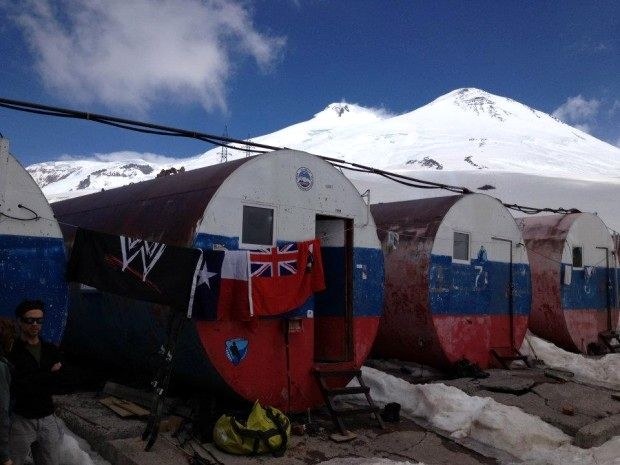
In a typical seasons, routes from the north and west are far less travelled. These routes are more challenging and take more time to complete. They lack the permanent facilities, like the barrel huts and the "world's nastiest outhouse" (so dubbed by Outside magazine in 1993), that are encountered along the southern route.
The southern route remained closed for the entire 2011 season, leaving climbers to try the more technically demanding and less frequented northern and western routes. Military checkpoints sprouted along access roads to base camp on the northern side of Elbrus, enforcing inconsistent access rules. "Checkpoints on the north side were pretty much for show," writes Gleb Myasnikov, a guide who lives in the area. "One could go around the closed area on basic roads and it was not even a violation." Some companies directed their groups on a 90km detour around checkpoints. Sometimes with a cash payment officers would allow groups to pass by the checkpoints.
By August 2011, the northern route was officially opened and military checkpoints disbanded. The southern route was declared open on October 28, 2011. Though federal and local government promises no more lengthy access closures, many companies advise flexibility in route choice since the situation may change unpredictably. "This is the Caucasus, something is always happening," writes Myasnikov, whose company has not planned any short seven-day trips for the 2012 season. Instead they have opted for longer trips which give groups the flexibility to choose either the south or north route depending on access conditions.
The social climate of the Caucasus was rocked politically and economically by these measures. "The area is still dangerous may be even more than before...due to the year-long economic blockade, the local people became more desperate and chance of being robbed or killed for the reason of robbery is very obvious," writes Alex Trubachev, a guide based in Moscow whose company has halted their Elbrus tours. "Locals have lost everything—two seasons of nothing," agrees Myasnikov.
The region is not a stranger to conflict. Ethnic, religious and political tension dominate the history of the Causcasus; six separate wars have plagued the area since 1988. Elbrus itself has been a platform for political messages many times before.
In 1929 the burgeoning Soviet government founded an official mountaineering section of their tourism bureau, and Elbrus became the star of their programs. Over the next decades, the government sponsored mountaineering camps (alp'lageri) and training programs in all of the Soviet Union's mountain ranges to give citizens access to the mountains and training to reach their summits. The Elbrus region hosted the first alp'lageri, built in 1929, and many Soviet citizens visited each year to begin their training as climbers. With its moderate, non-technical climbs to the summit, it was reasonable for beginners to reach the summit after a brief training period—and its summit was the tallest on the continent. With every successful climb of Elbrus, Soviet citizens were standing on the top the Europe, and it was the Soviet government that made their ascents possible. The government portrayed each successful climb as a testament to the opportunities and enrichment that were offered to its citizens.
What is seen as contemporary Russian mountaineering style—large groups and siege-style climbing—is rooted in the curriculum of these structured Soviet mountaineering camps. The Soviet program focused on getting as many people involved in the sport as possible to manifest the government's Communist ideals. This meant that not only did many people visit the mountaineering camps each summer, but many people would participate in group climbs as well. For example, a 1935 climb of Elbrus saw 638 farmers reach the summit of Elbrus in a literal display of the heights that the lowly proletariat could reach with the support of their new government.
Massive group climbs became the staple on Elbrus, with a record being set in 1960 when an enormous party of 1,395 people ascended the mountain in honor of Vladimir Lenin's 90th birthday. The party placed a bust of Lenin on the summit (now only a concrete base remains).
During World War II, Elbrus invited international political statements. The German Gebirgsjaeger Unit, an elite mountaineering military division, left a Nazi flag on the summit in the summer of 1942. No battles occurred on the slopes of the mountain, and anecdotes report that Hitler was furious with the unit for wasting their time on such a stunt. But the lure of a flag on the highest mountain in Europe was unavoidable. After German forces left the area in January 1943, the Soviet army's first action in the Caucasus was to send a military group to the summit of the mountain to replace the swastika flag with the Soviet Union's hammer-and-sickle banner.
But these historical demonstrations on Elbrus were not violent. And that's what changed in the February 2011 attacks on Elbrus. "2011 was the first time that tourists and climbers became victims," writes Myasnikov. "Understand—Elbrus is a ski resort, not a war zone...but there are rebels in the Caucasus and to them, this is just their business. Nothing personal. And that may never change."
African photography from Artem Rostovtsev
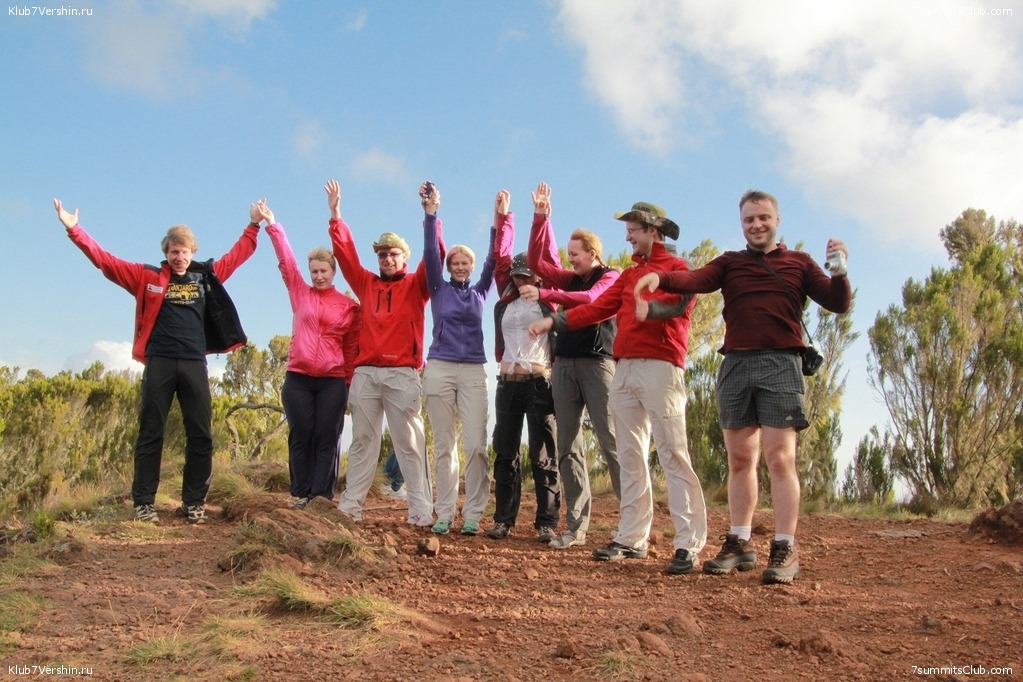
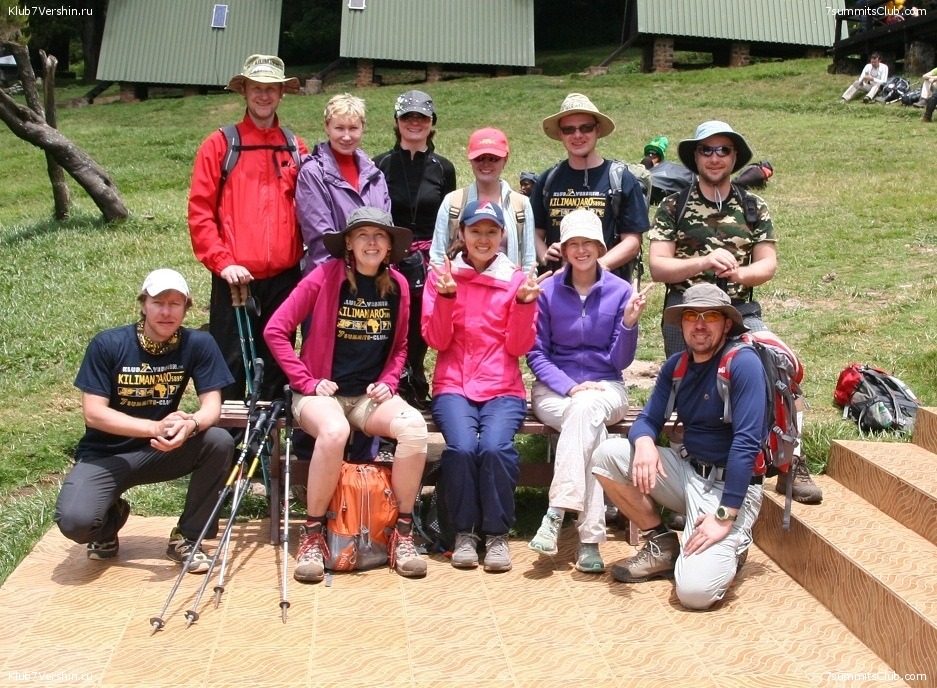
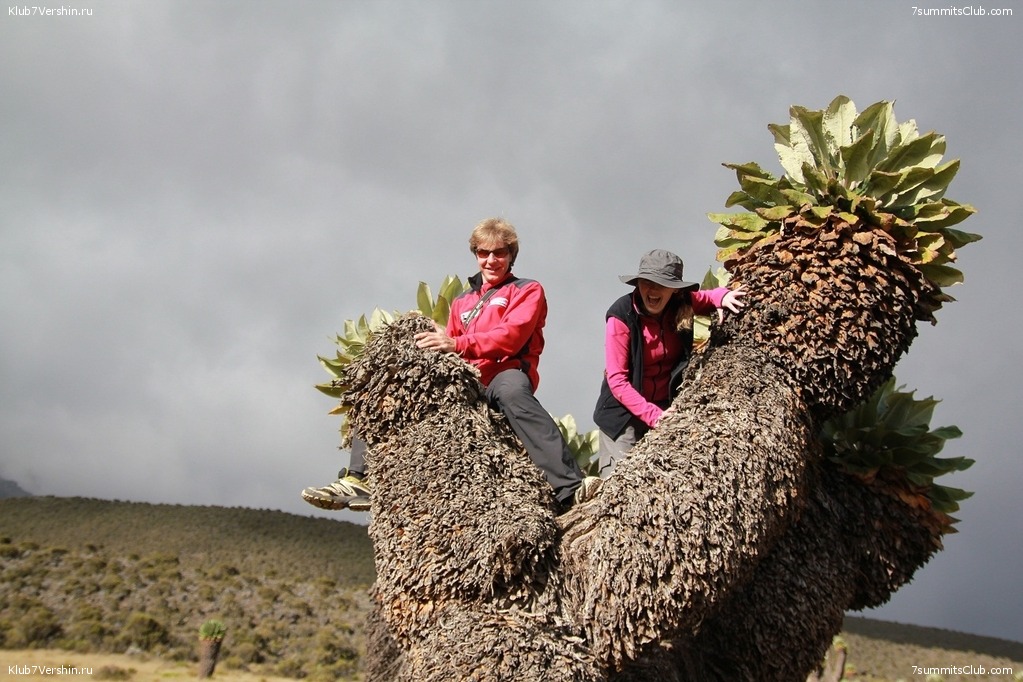
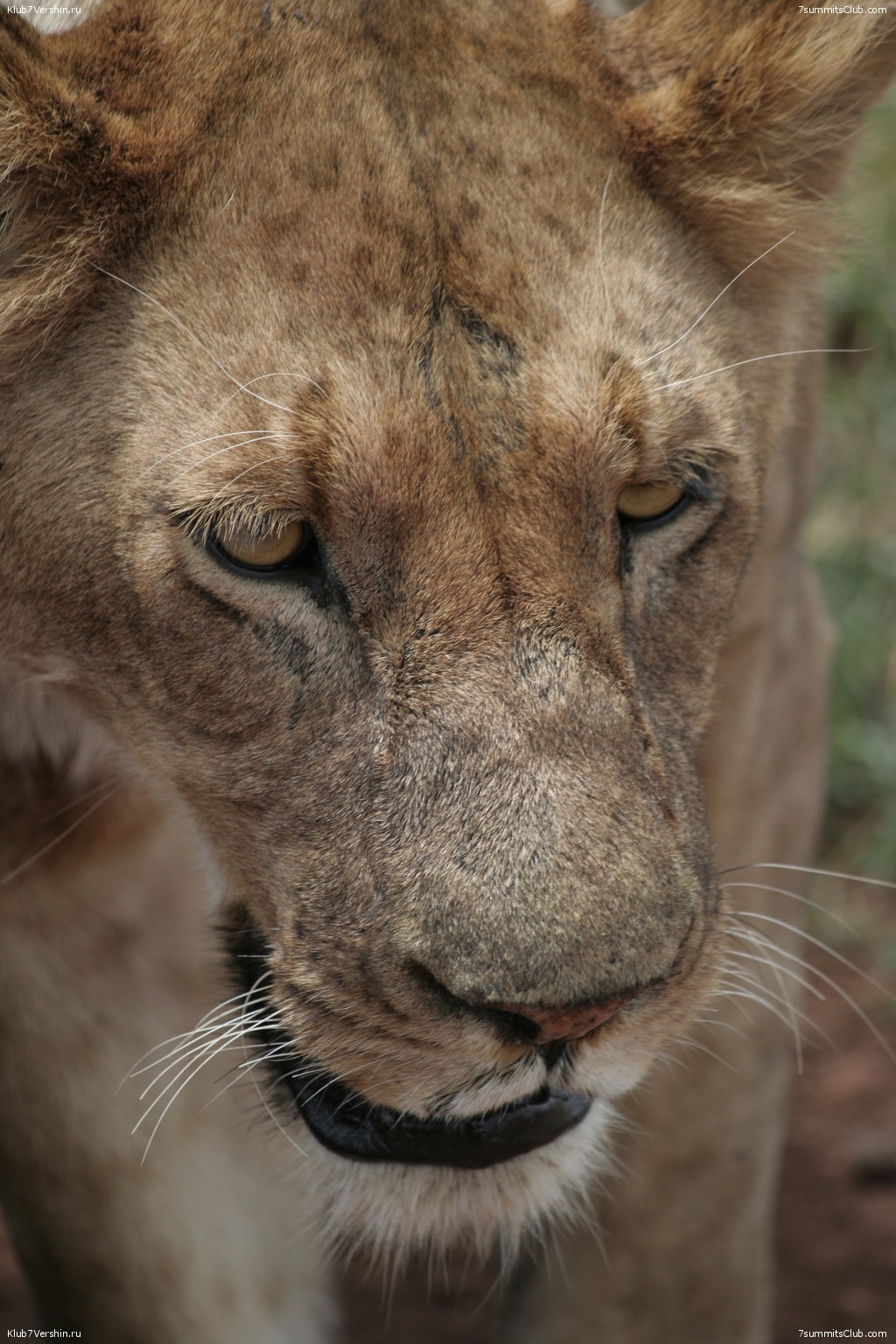
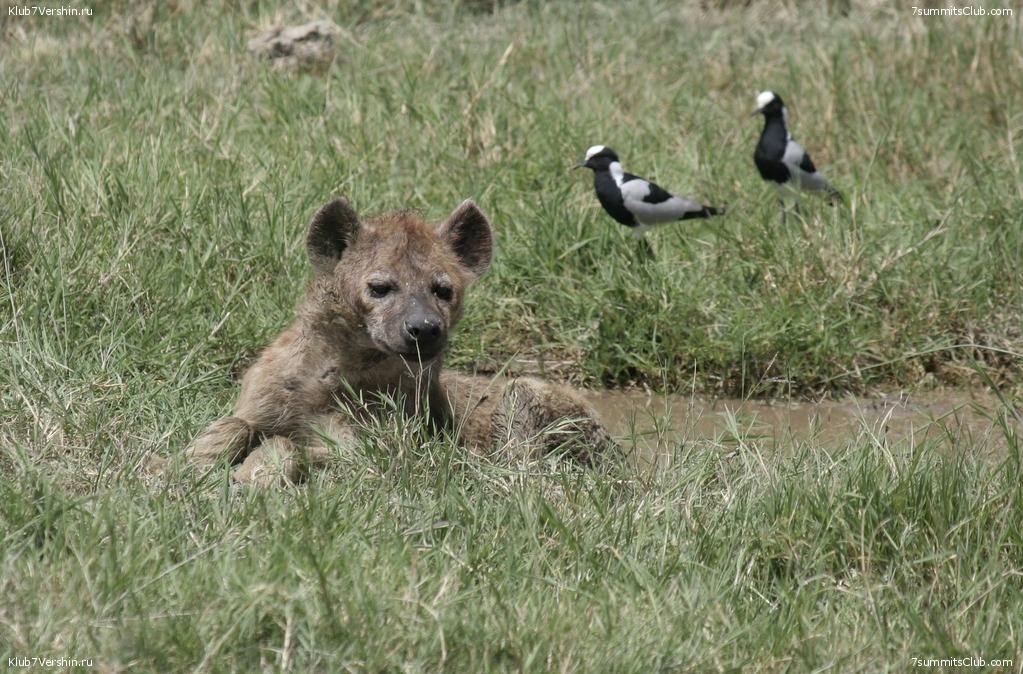
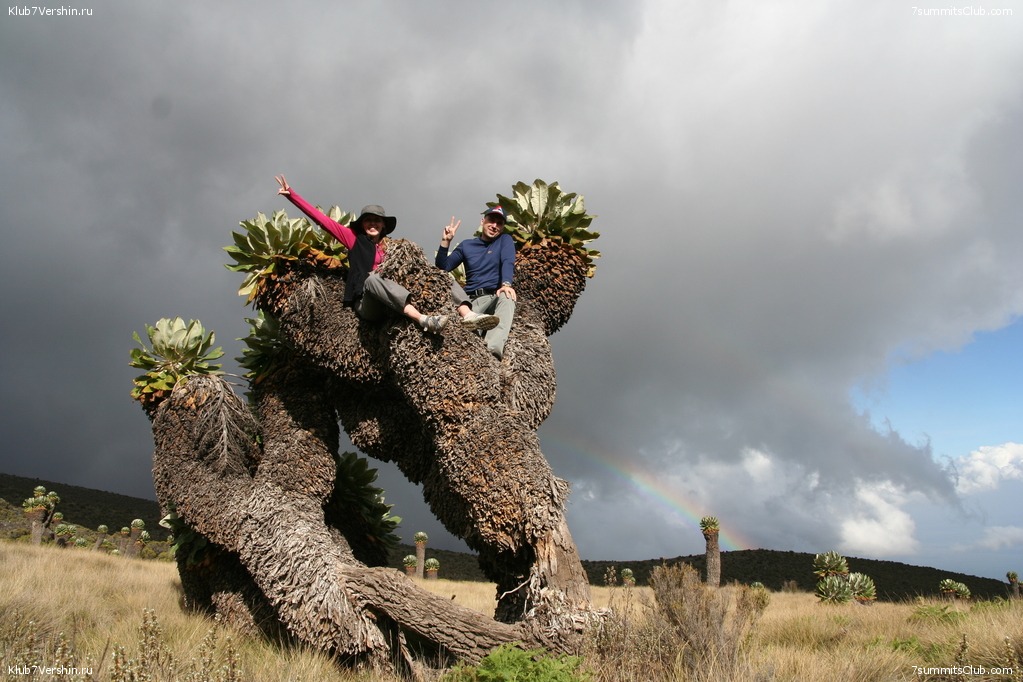
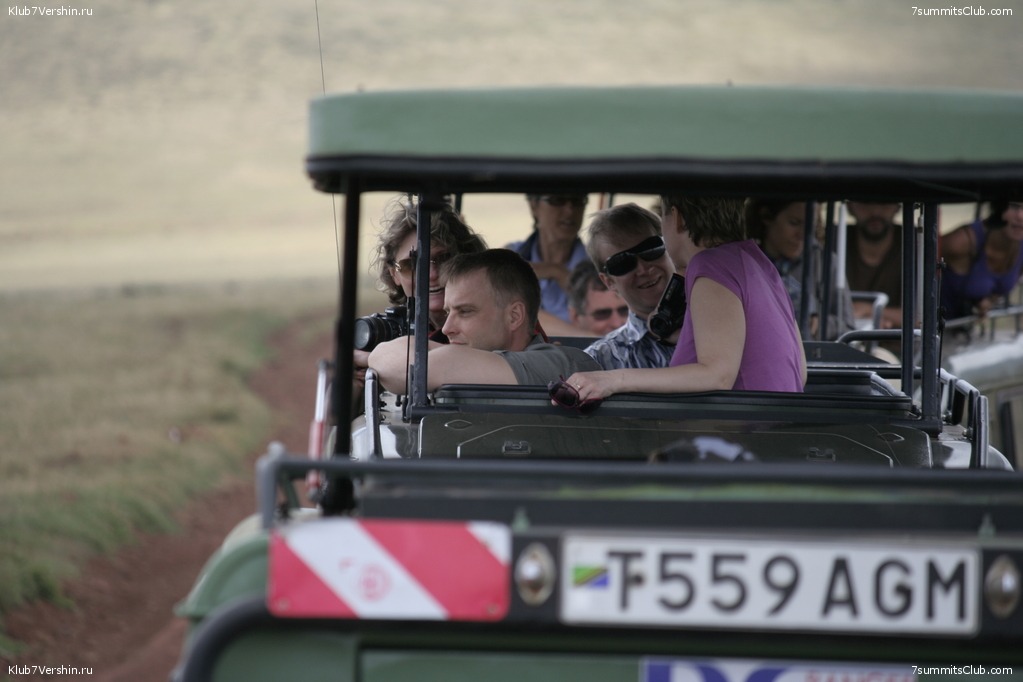
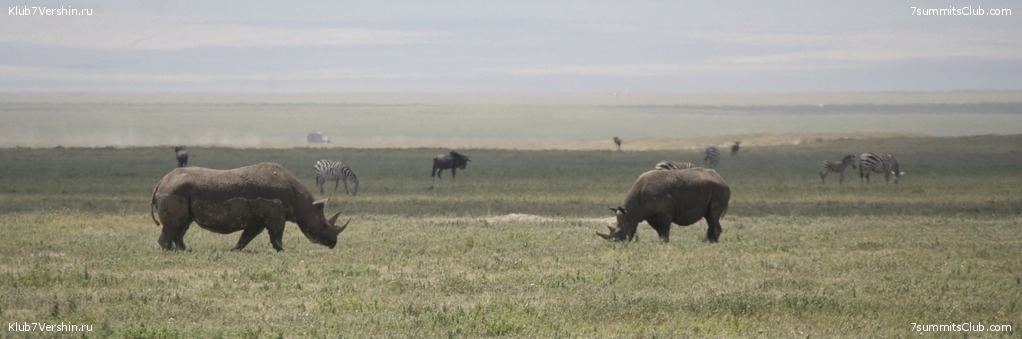
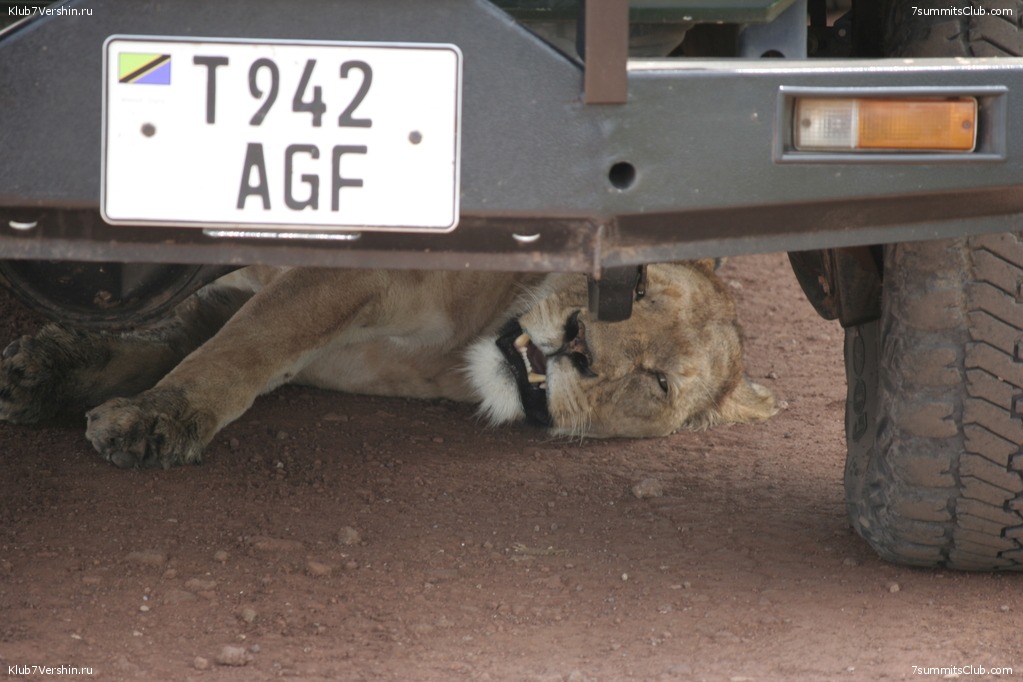
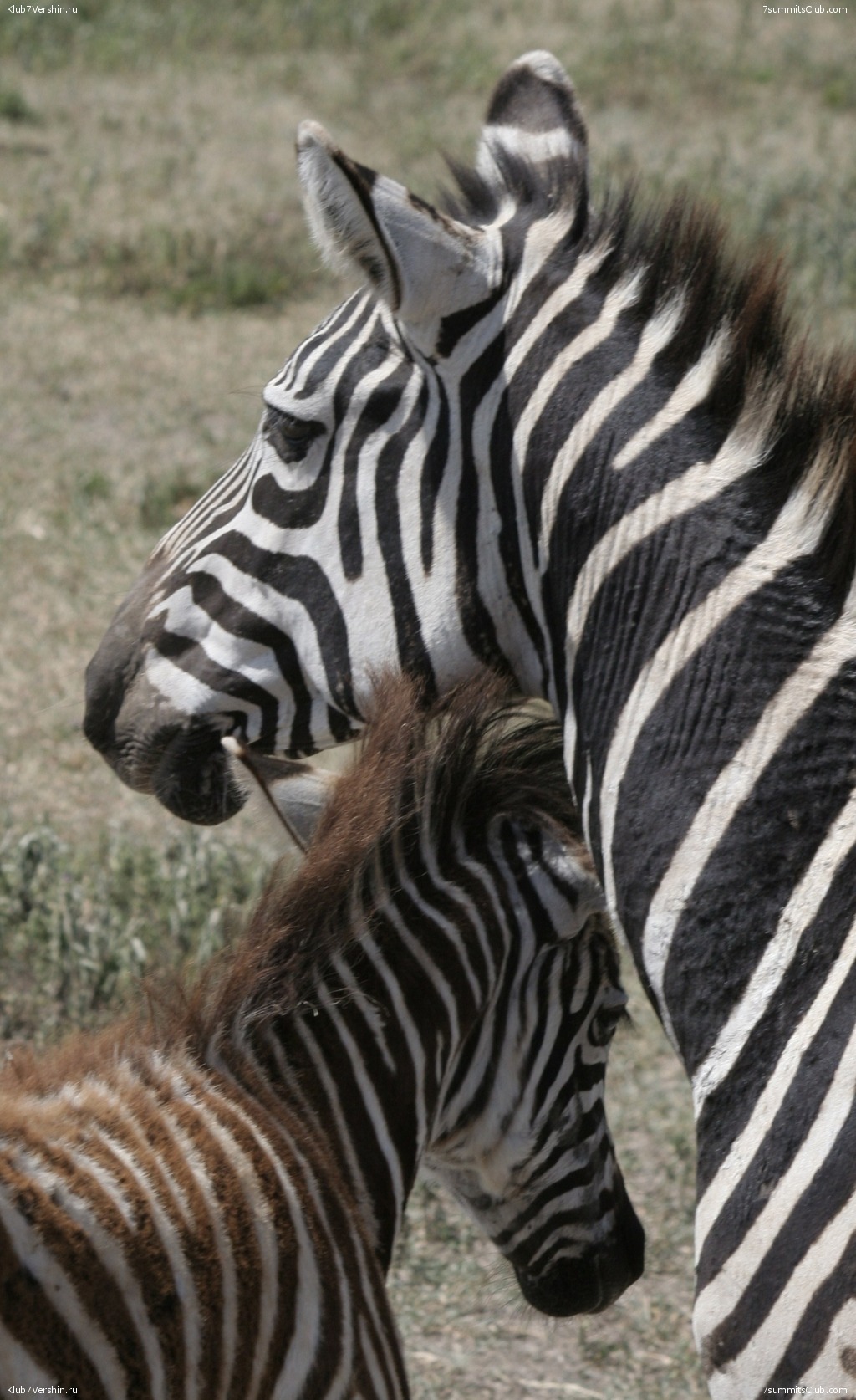
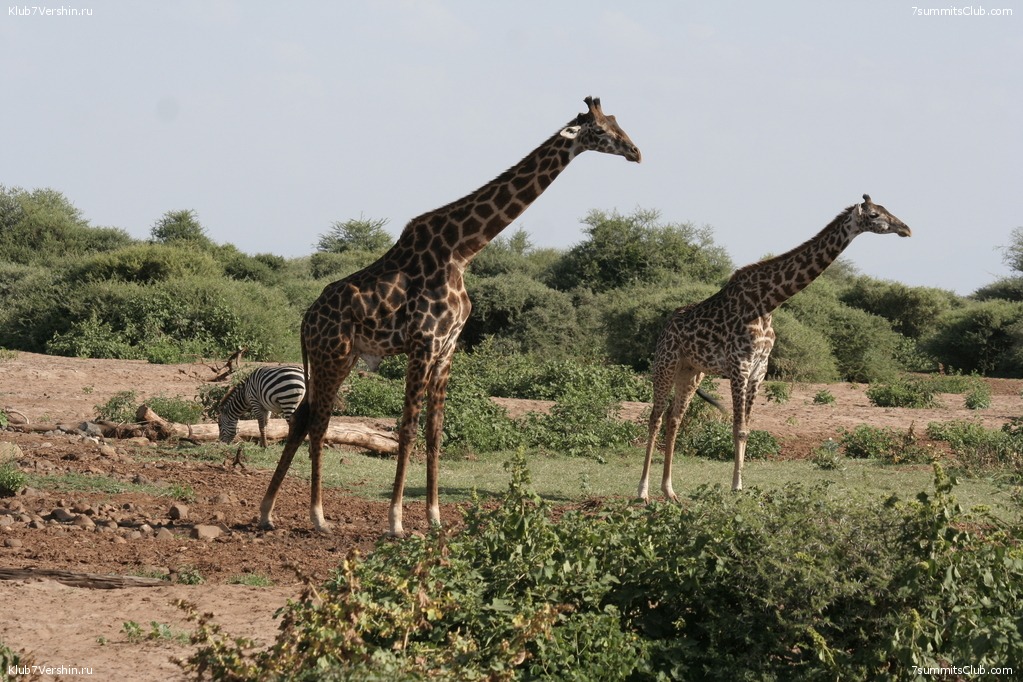
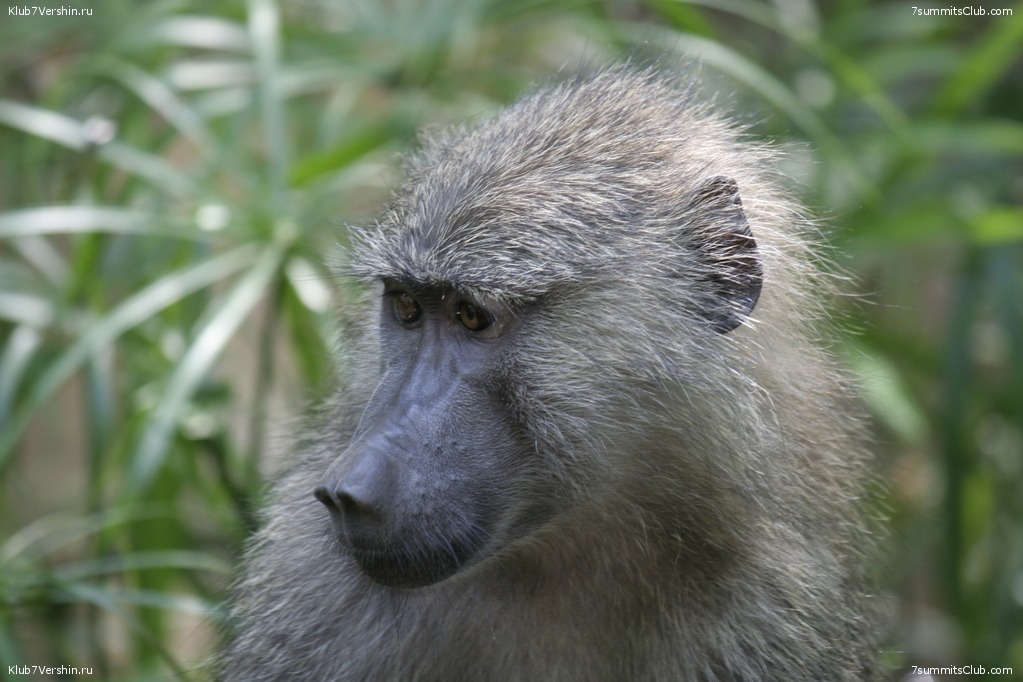
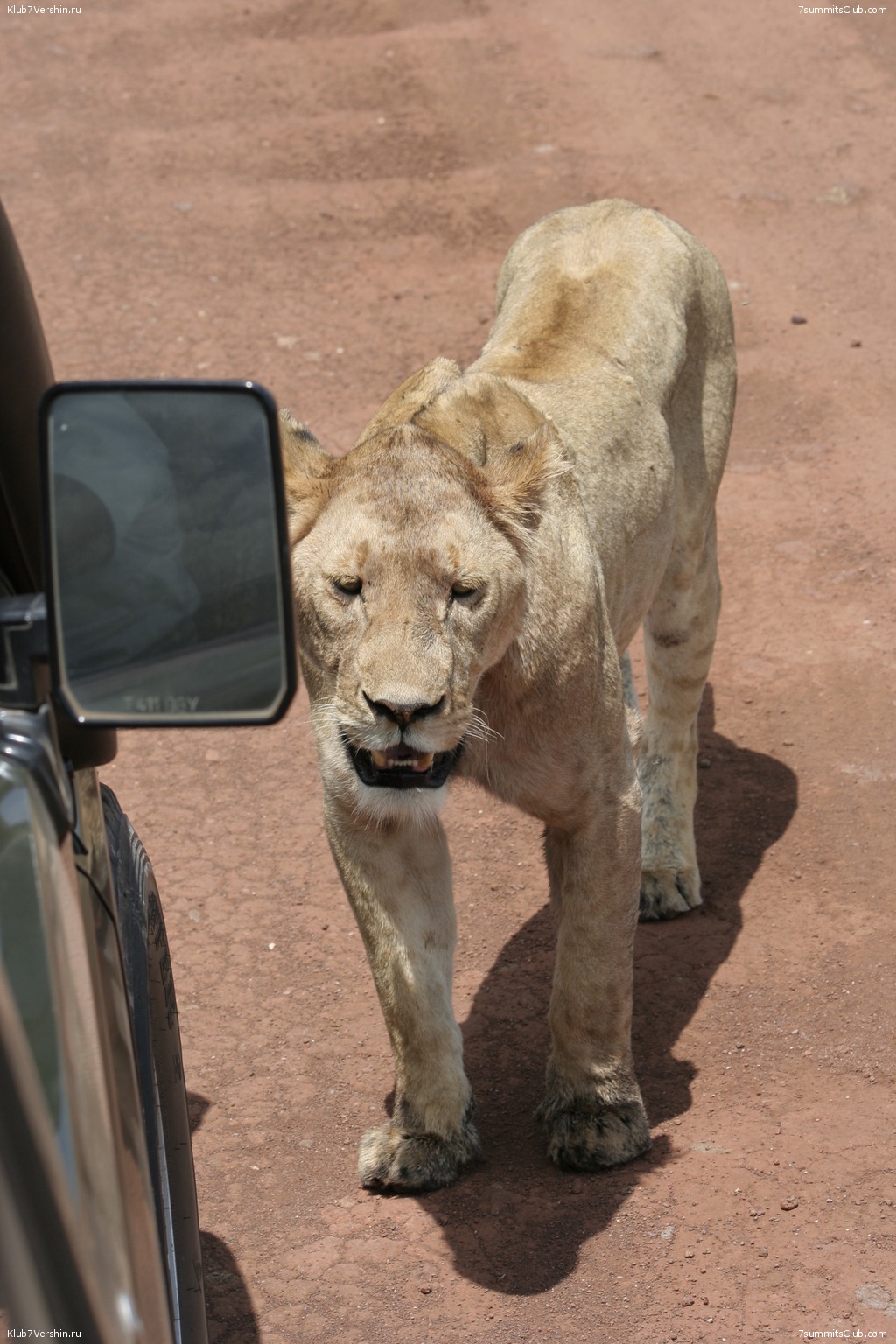
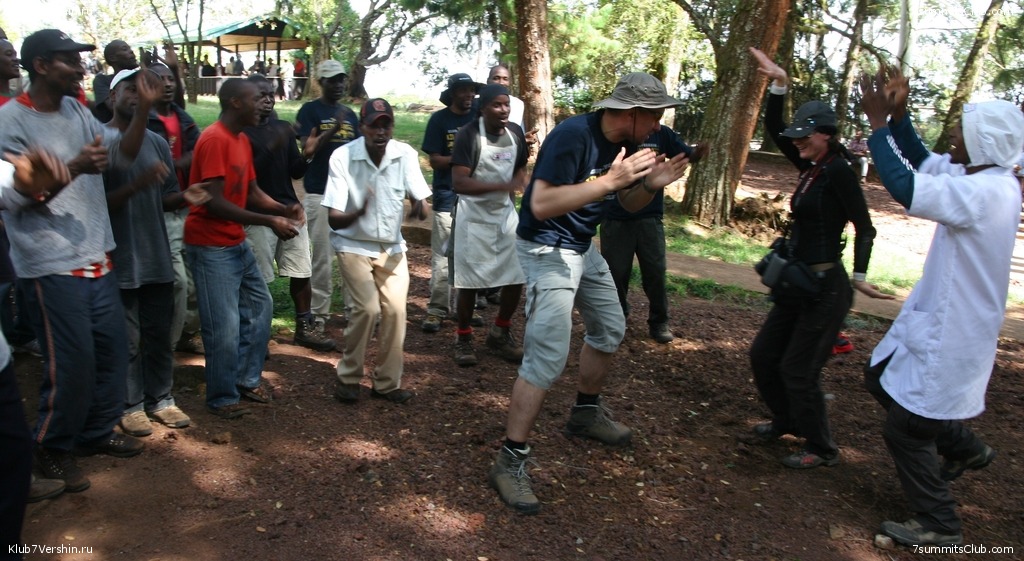
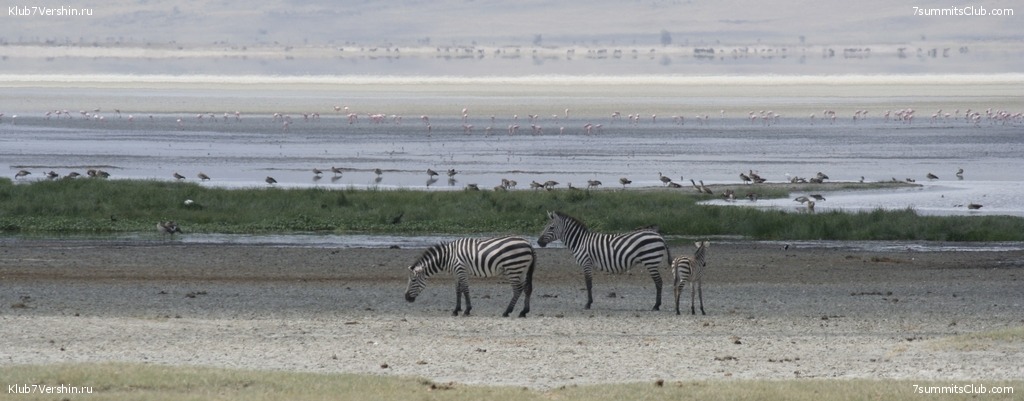
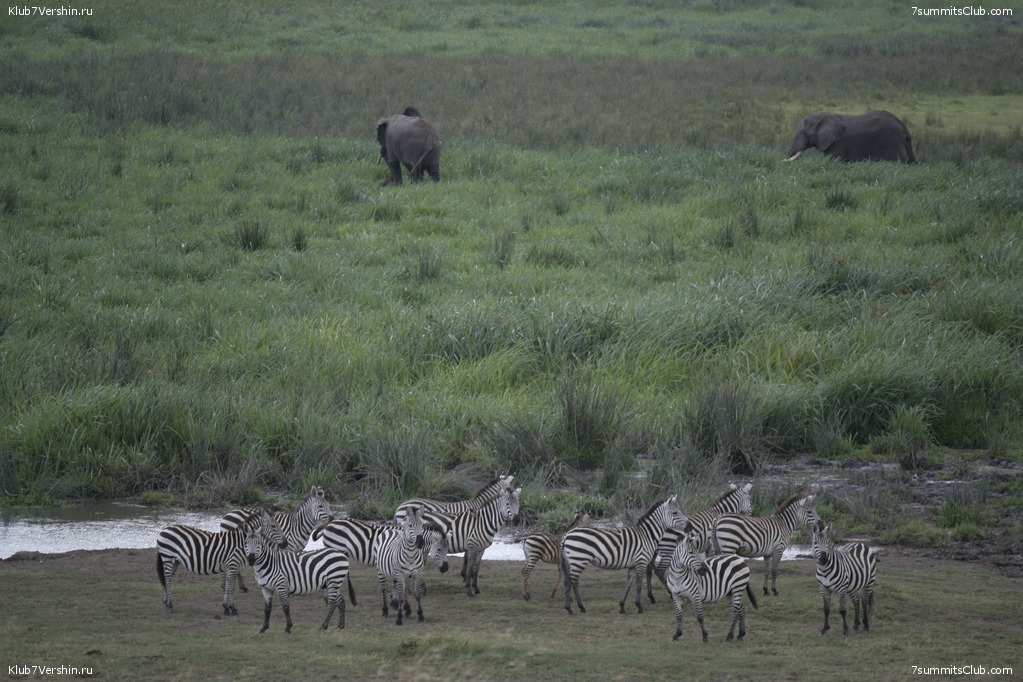
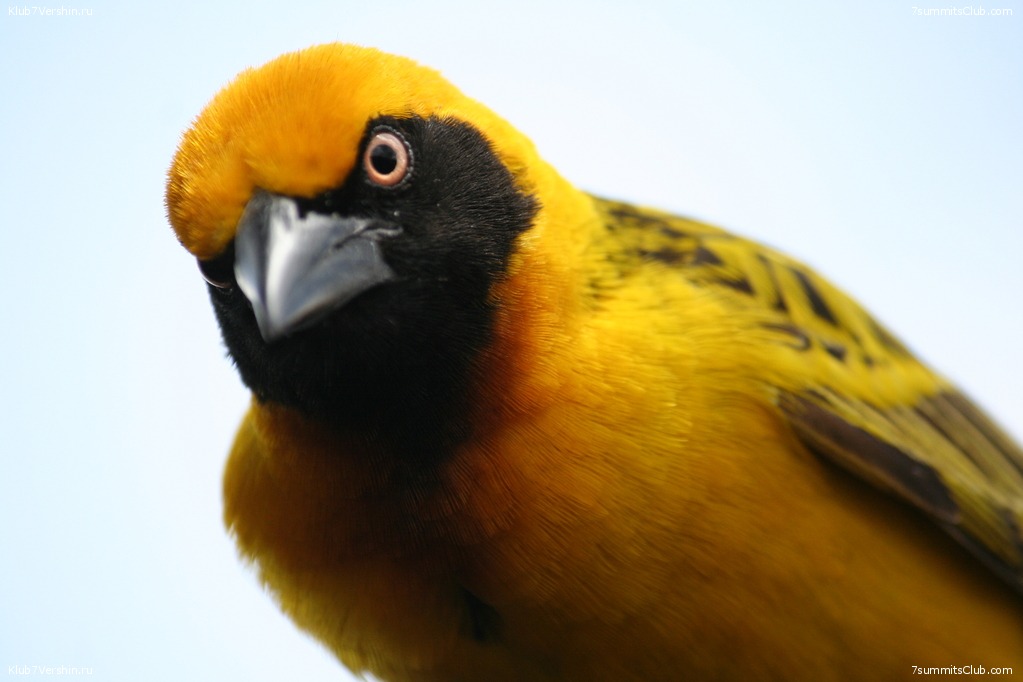
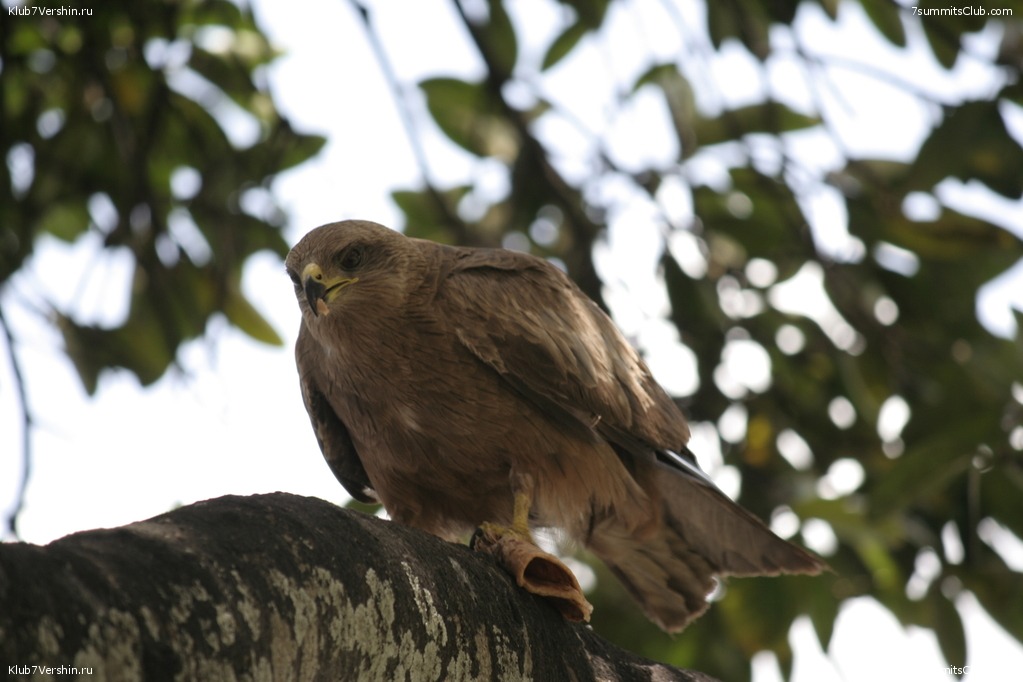
In Tanzania (Marangu route on Kilimanjaro and Manyara National Parks and Ngorongoro Conservation Area) walked and fell into the frame: Dennis Kiriyenko, Maria Kiriyenko, Alexander Poliakov, Natalie Petkina, Jacov Tebenkov,Nadezhda ...
In Tanzania (Marangu route on Kilimanjaro and Manyara National Parks and Ngorongoro Conservation Area) walked and fell into the frame:
Dennis Kiriyenko, Maria Kiriyenko, Alexander Poliakov, Natalie Petkina, Jacov Tebenkov,
Nadezhda Tebenkova, Maria Tokalova, Oksana Kozhushnaya, Dmitry Khodak ....
P.S. Weather was really excellent, and all were satisfied, and we coped with our tops, accumulated vivid impressions, which, perhaps, will be enough until the next trips





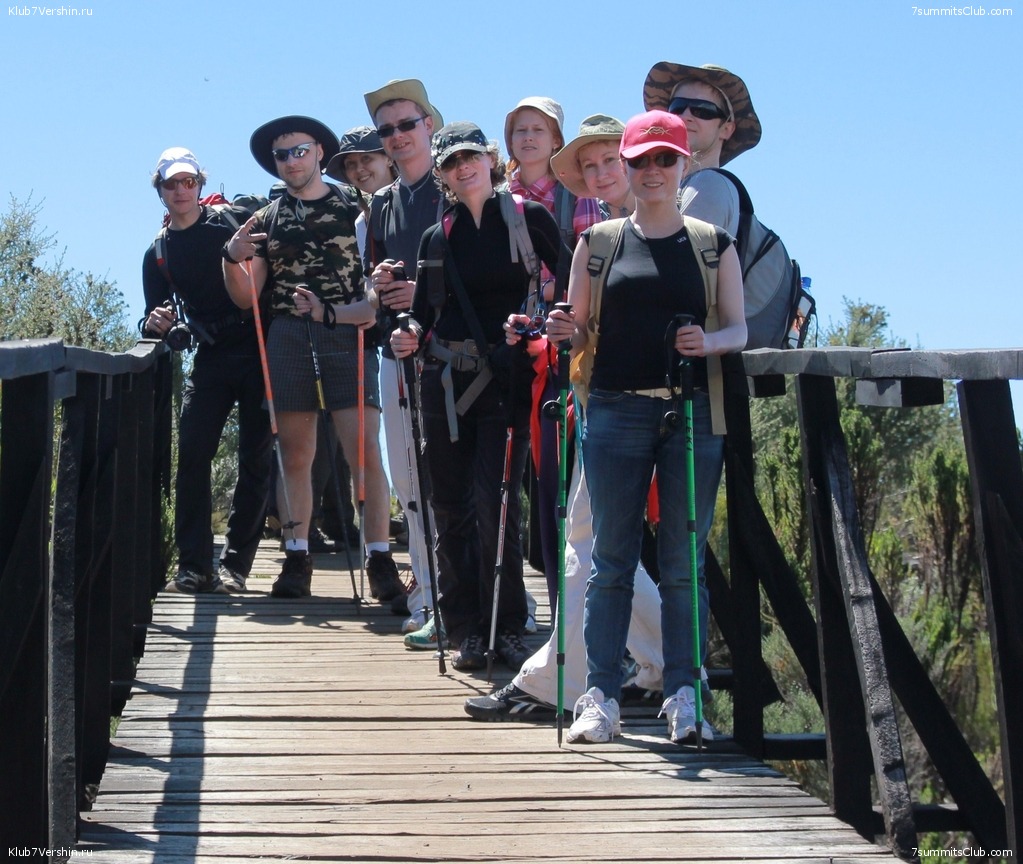
Artem Rostovtsev's team goes down after climbing Mt. Kilimanjaro
Kilimanjaro.
Hi, everybody! This is Artem Rostovtsev, practically from the top of Kilimanjaro. We were ten minutes ago on the highest point. All group left today on the storm … Unfortunately, two girls were compelled to turn back, without having ...
Hi, everybody! This is Artem Rostovtsev, practically from the top of Kilimanjaro. We were ten minutes ago on the highest point. All group left today on the storm … Unfortunately, two girls were compelled to turn back, without having reached the top ….
Photos from the American team Alpari
Kilimanjaro.
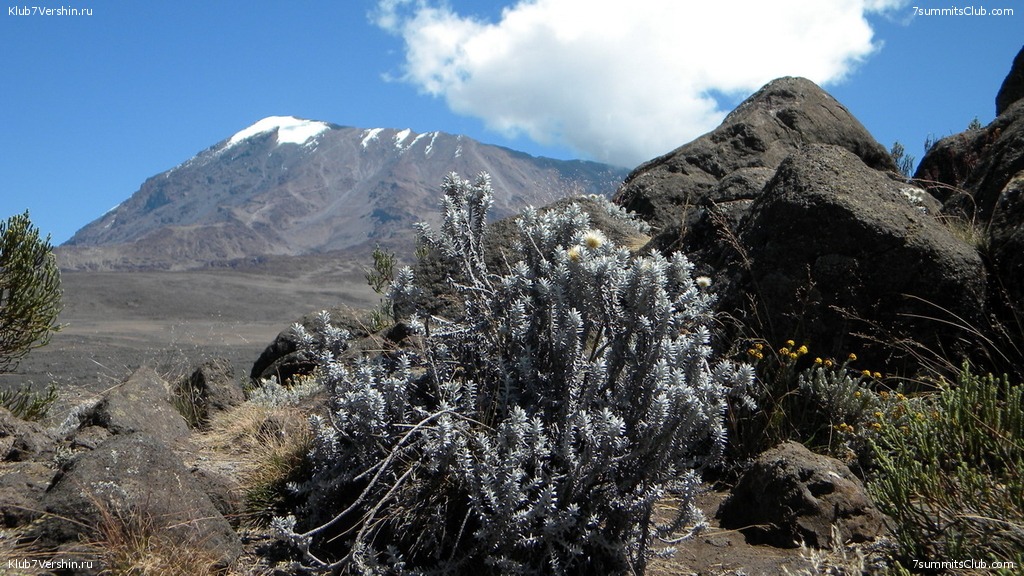
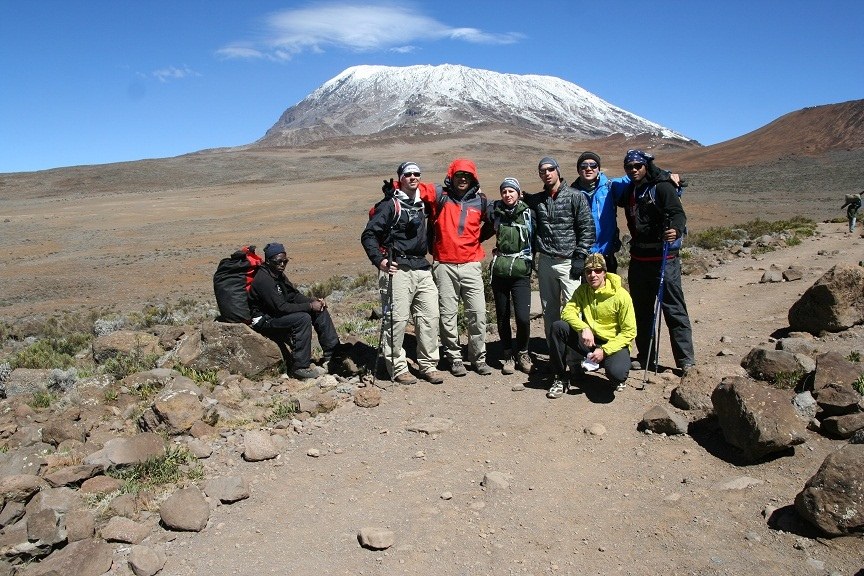
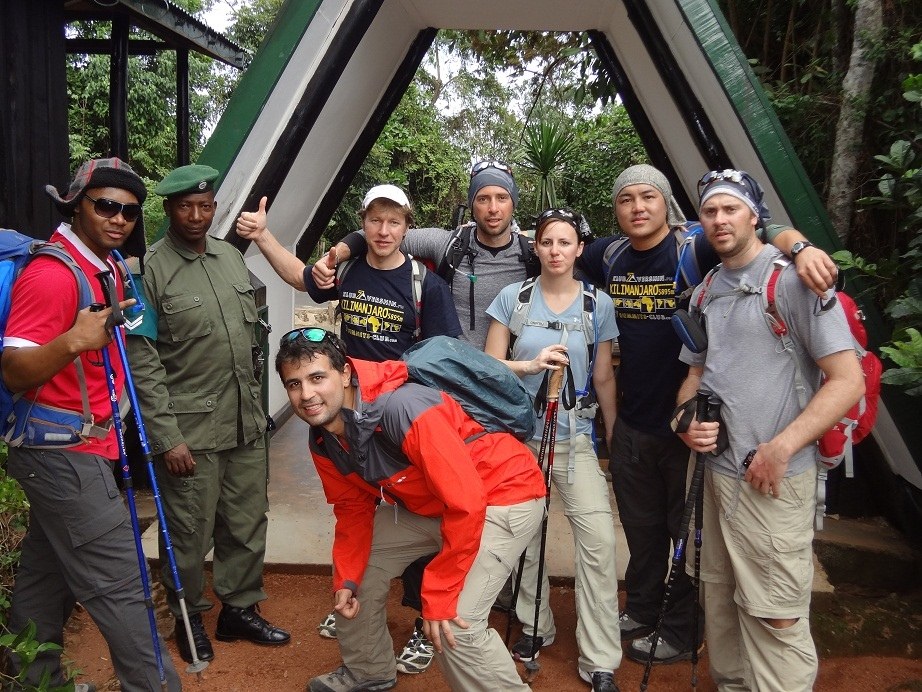
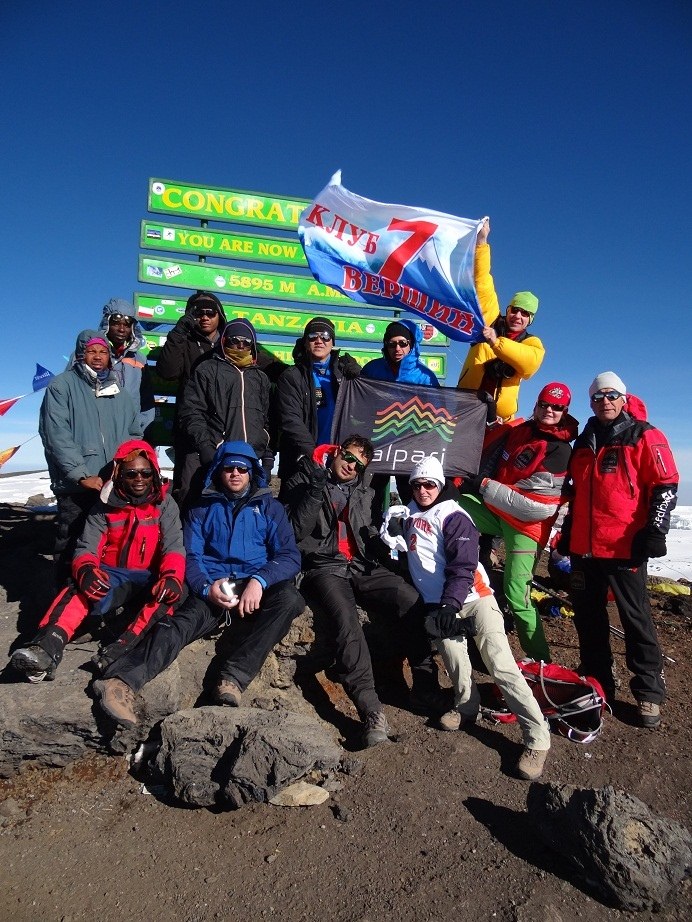
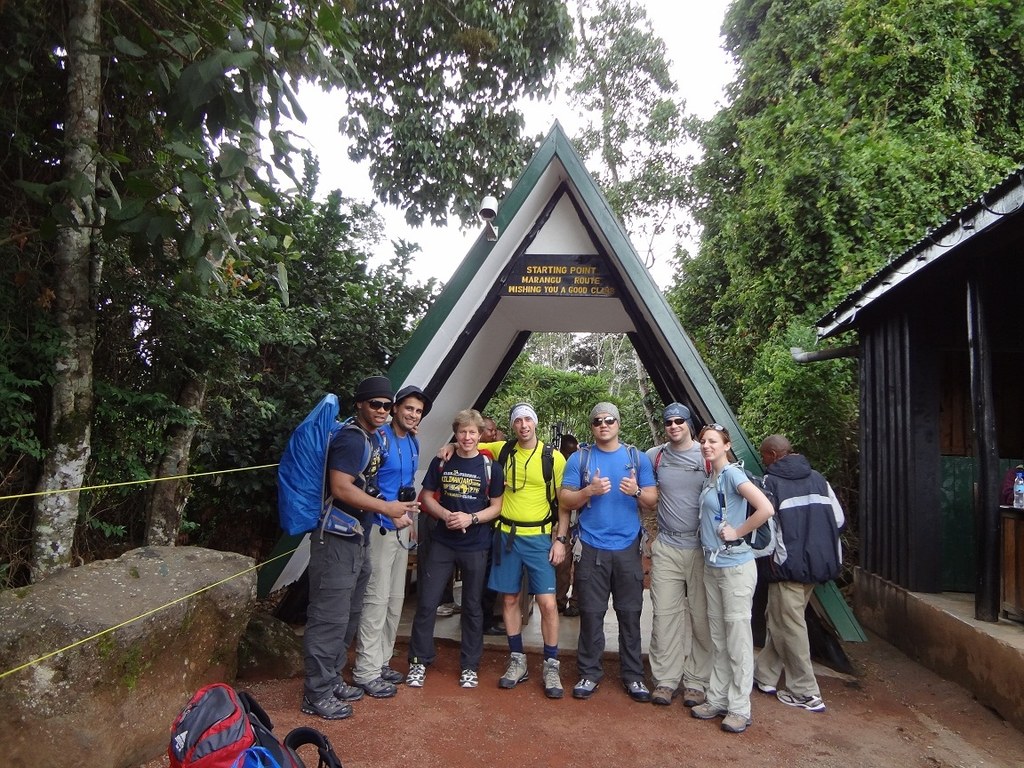
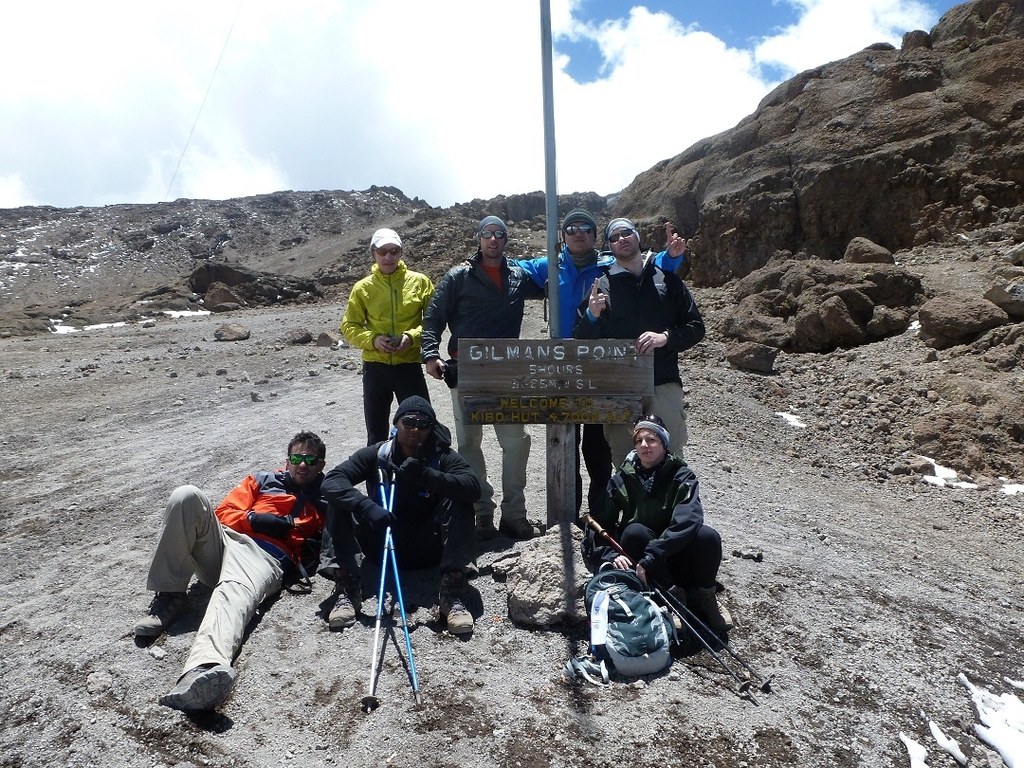
Climbing tour on Kilimanjaro, a group of Alpari officers from U.S. was successfully finished. All were on the top, although a month ago no one even thought of it. The weather was favorable, there was no rain during the daytimes, it was just ...
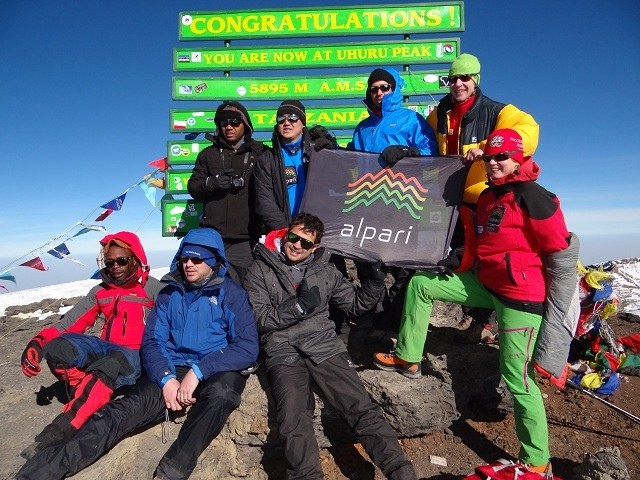
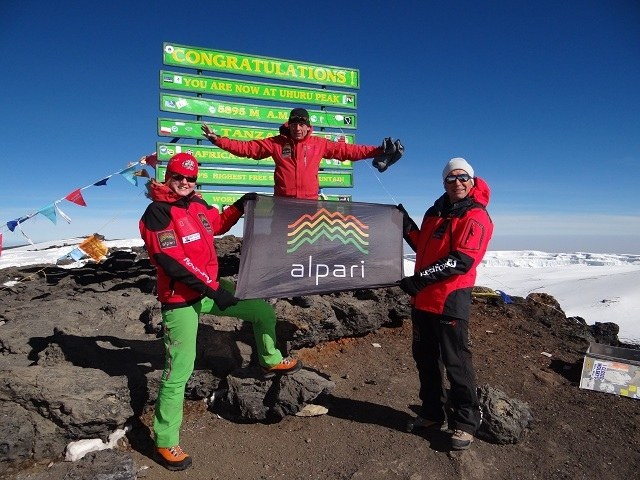
Climbing tour on Kilimanjaro, a group of Alpari officers from U.S. was successfully finished. All were on the top, although a month ago no one even thought of it. The weather was favorable, there was no rain during the daytimes, it was just a little wet at night. Snow and hail were only after the climb and a short rest at Kibo Hut. On the climbing day boys proved themselves as true heroes. None of them had never been before even at an altitude of 2000m, no one had any serious training. But all have shown tenacity and reached the summit. At the top the group met three Russian climbers engages in project "7 summits in 300 days" with the support of Alpari.
Artem Rostovtsev – a guide of the 7 Summit Club
Team:
Jaclyn Cole
David Makoso
John Wang
Jacob Plattner
Stan Klebaner
Mushegh Tovmasyan
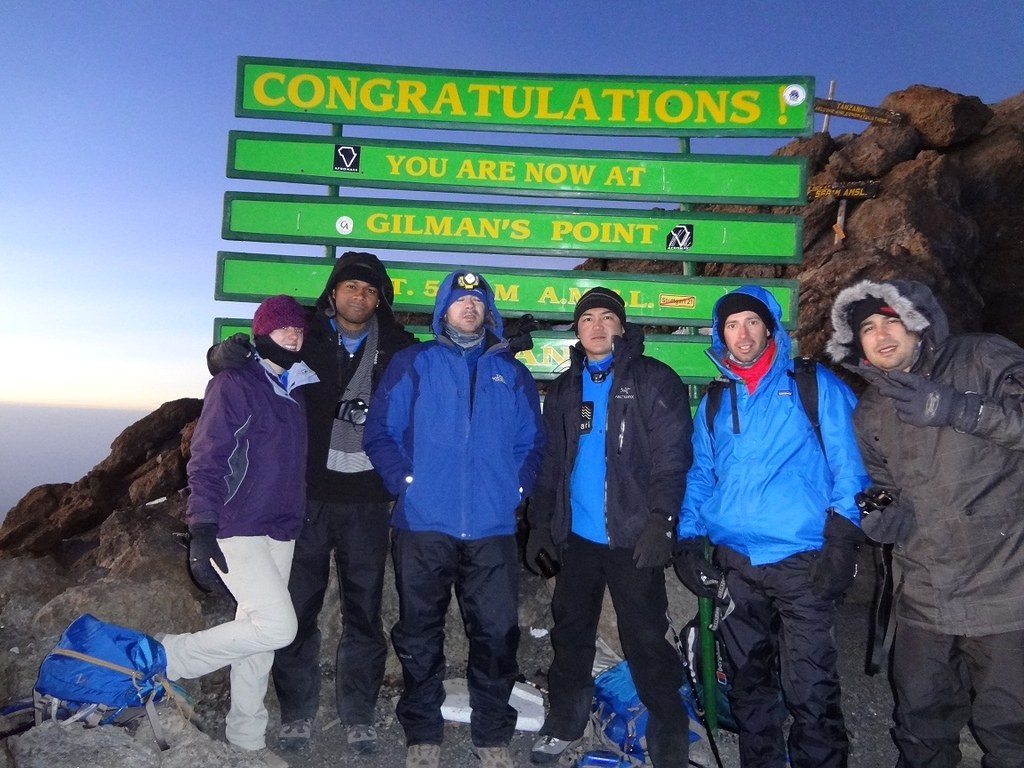

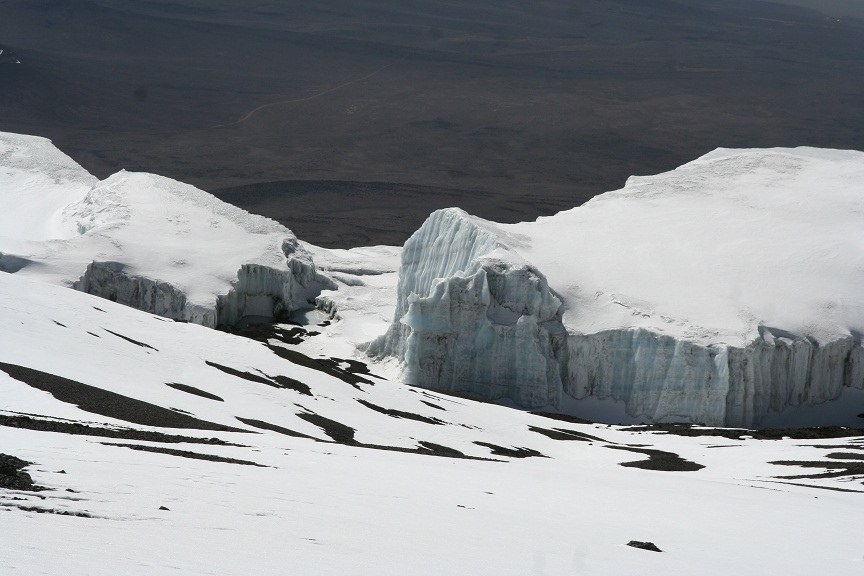
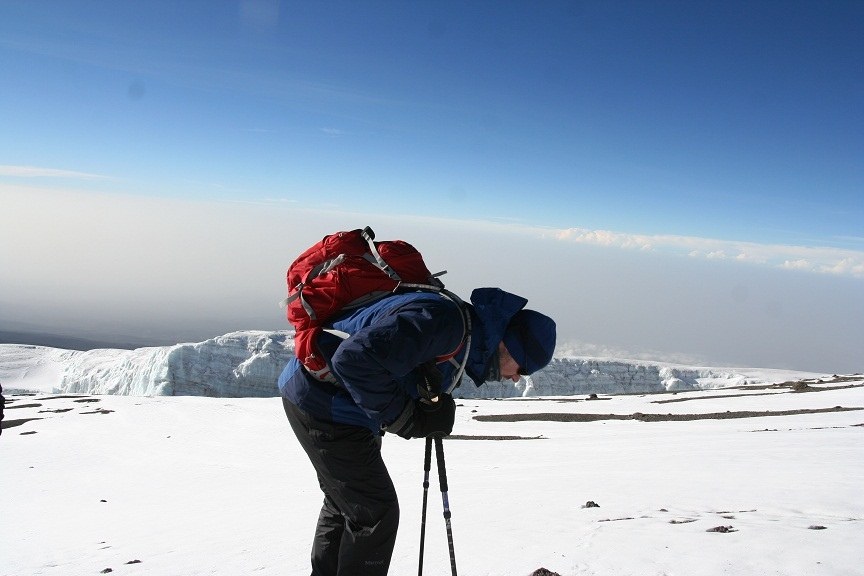

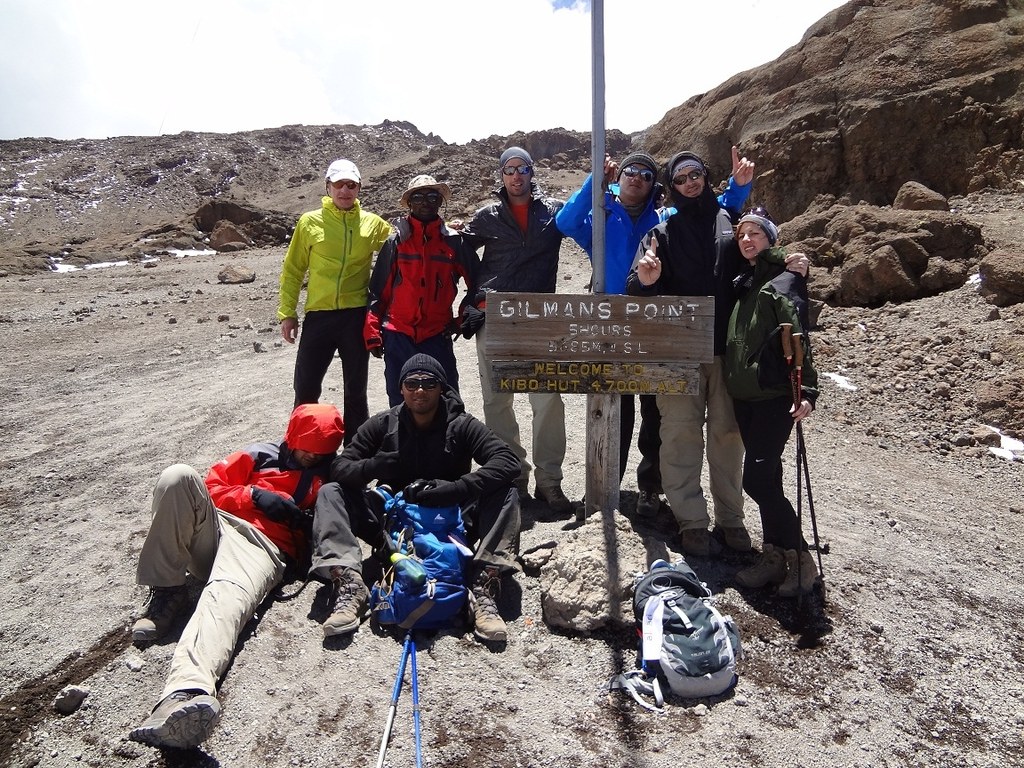


Ivan Dusharin Found Time to Write in His Journal
Kilimanjaro.
Alpari-life.ru. Africa… Kilimanjaro… Mountain climbing… These things just don’t seem to mix. But Team Alpari: On Top of the World is already here in Tanzania. It didn’t take long to figure out all of the ...
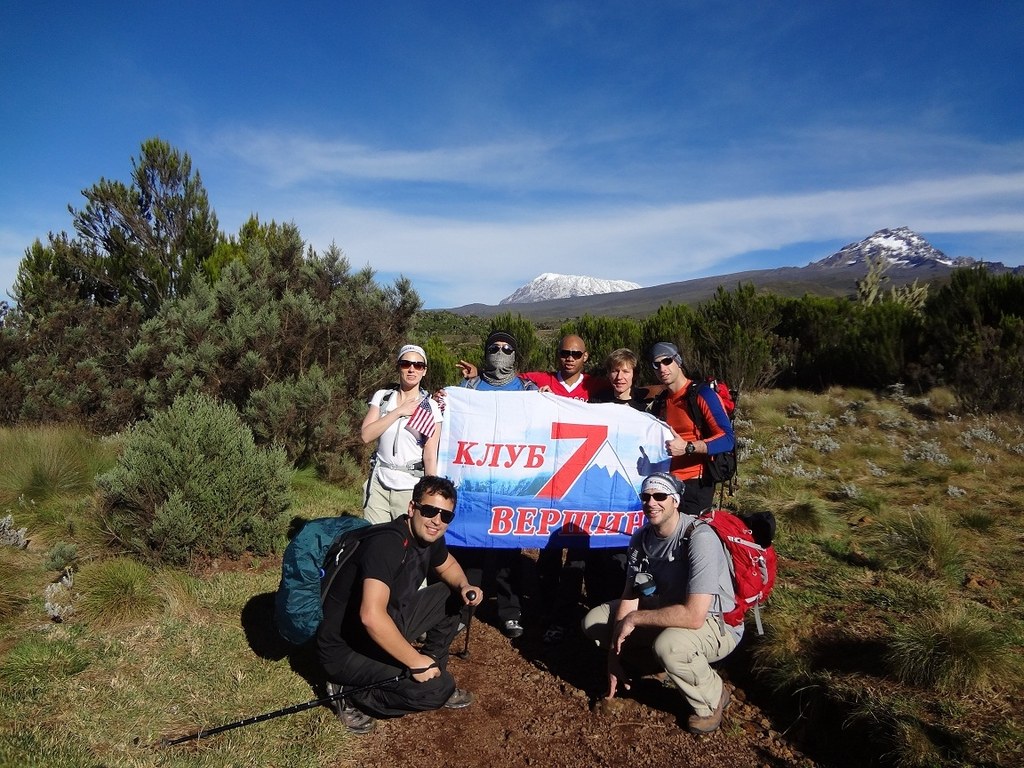
Alpari-life.ru. Africa… Kilimanjaro… Mountain climbing… These things just don’t seem to mix. But Team Alpari: On Top of the World is already here in Tanzania. It didn’t take long to figure out all of the logistical issues. The Seven Summits Club really knows what it’s doing. We’re already on our way.
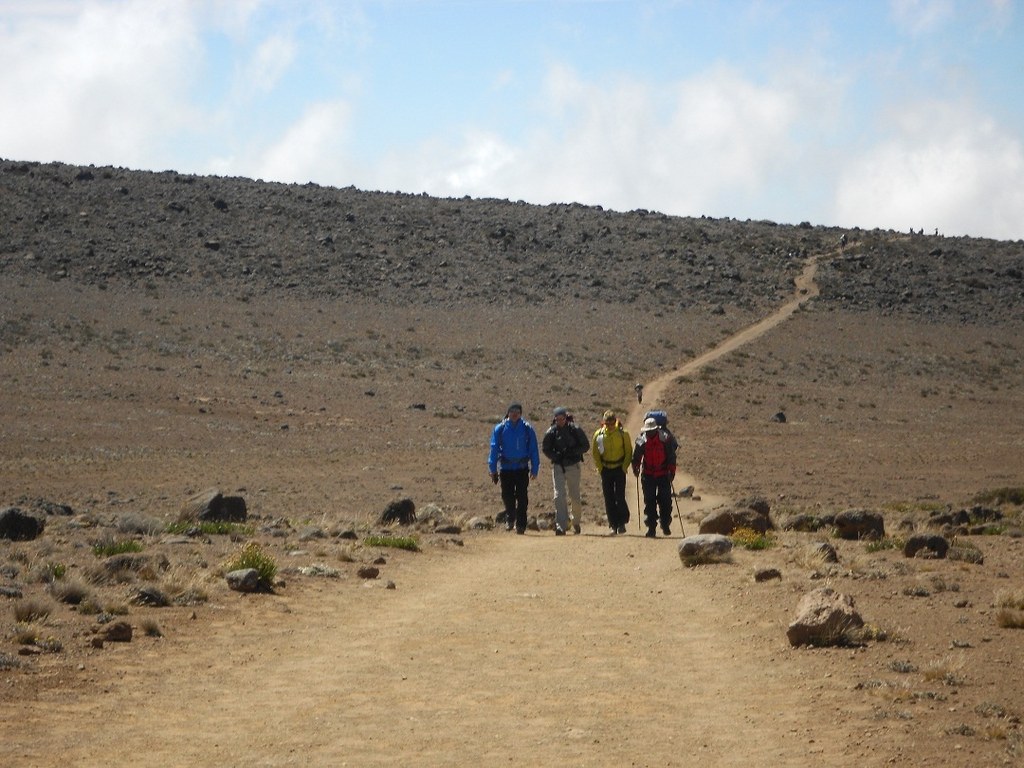
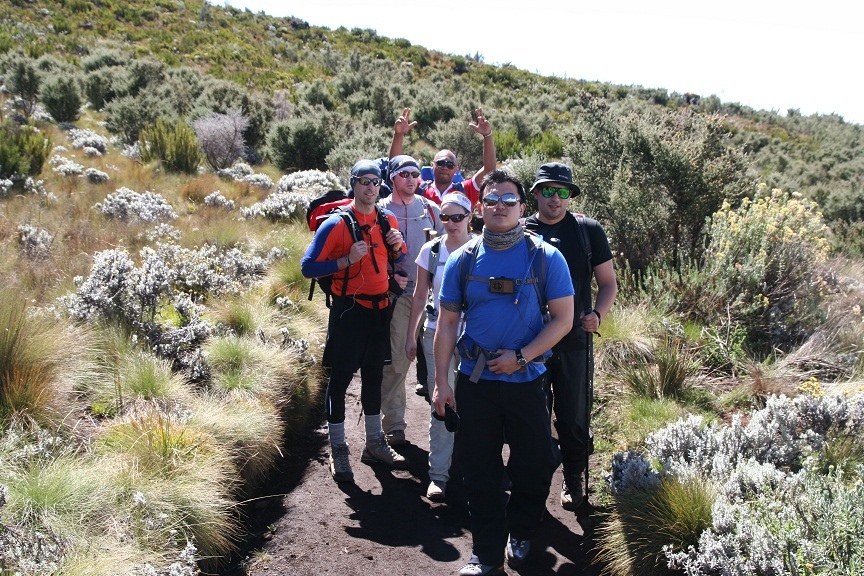
It’s the 8th of March. In Russia, people are taking the day off. But we’re headed upwards, forging ahead along the steep and resilient jungle paths. There hasn’t been a single gentle slope or downhill section yet. We have a 1,300-meter climb ahead of us, a special Women’s Day gift. And this is only the beginning.
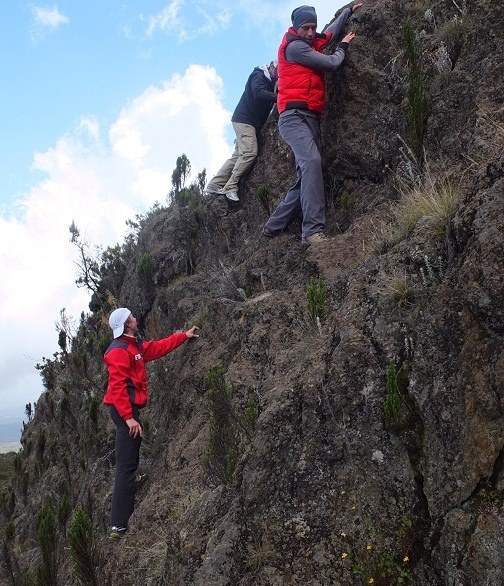
… An overnight, an early climb, then upwards again. And it’s only getting steeper. In all seriousness, we’ve had to actually “climb” part of the way. There are actually hooks in the rock. There may have even been a railing too at one point. We’re the only ones on this route. This isn’t a path for beginners. It’s really steep. Lyudmila is good at picking out the routes for the team. You can’t take it easy. You have to keep grinding away, even here on Kilimanjaro. We’re leaving the jungle now. We have a spectacular view of the mountain!
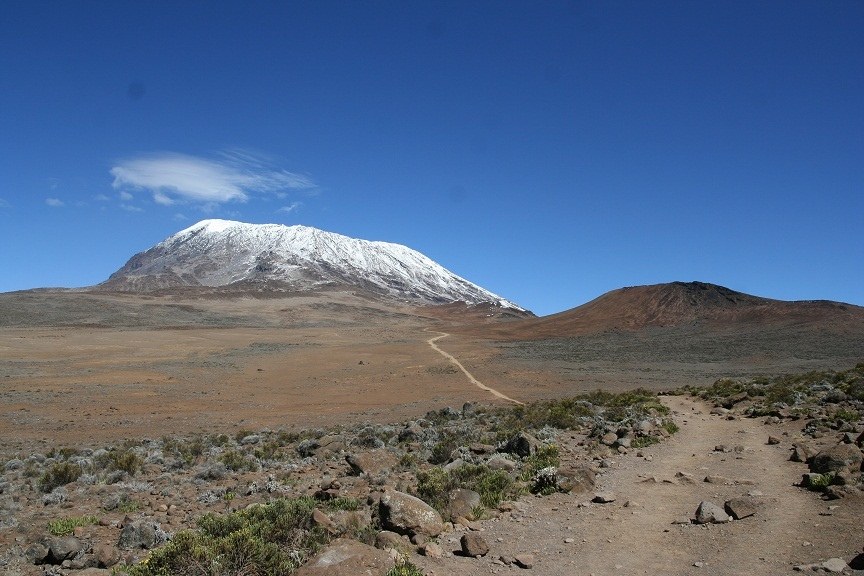
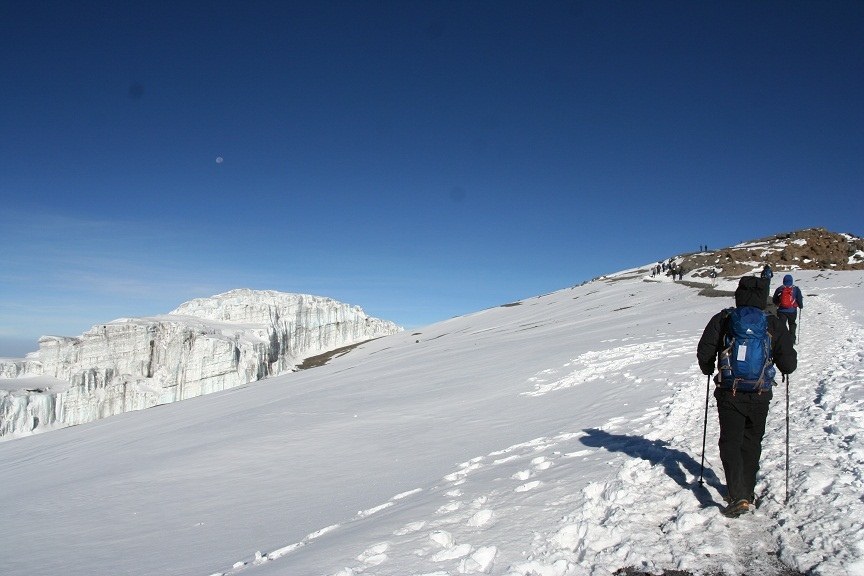
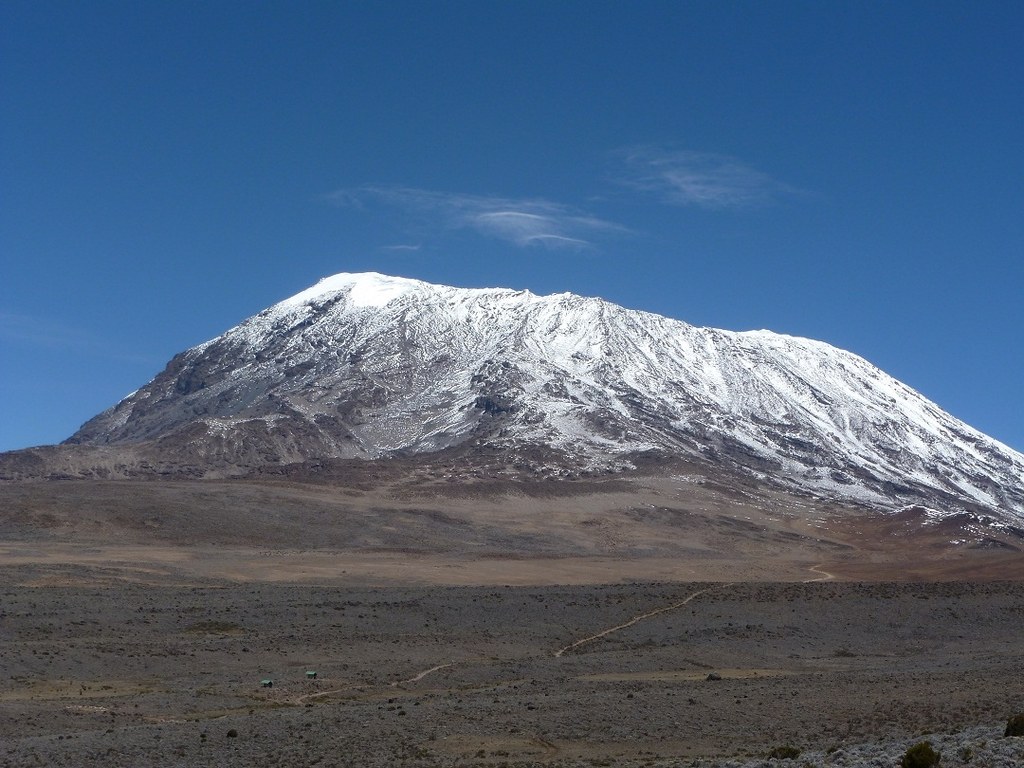
Fantastic! The beauty and grandeur of the mountain and the nature of the climb have been impressive. The rocky slopes, the icy ditches left by glaciers… it all feels so natural. Not many people get the chance to see this side of the mountain. We’re already at 3,900 meters. And it’s only been 2 days!
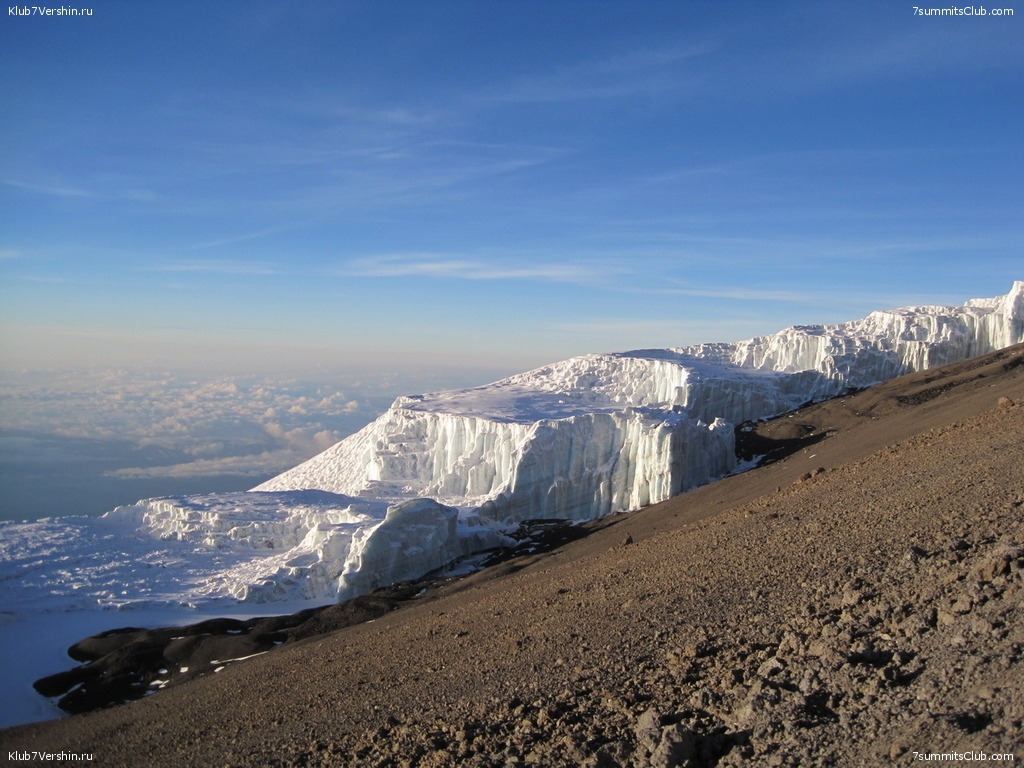
10.03 Today we have our most difficult climb ahead of us. As if it could get any harder! We have to climb to 4,600 meters, and in doing so, circle around to the other side of the mountain. You can’t make it to the summit from this side. Normally, this takes 2 days or so, but we need to do it in one. Oh well. We’re on our way. But wait! There’s a 200-meter rock wall ahead of us. It’s scary, something we’re not used to seeing. But it should be interesting. We’ll just have to climb it. Looking at the wall from the side is frightening, but it can be done. The rocks are monolithic, with passes, steps and safety hooks, so it should be relatively safe. We made it. Now it’s back down again, then up… By the evening, we made it to where we needed to go. We’ll have dinner and go to sleep.
11.03. We left at 1:30 at night to continue our ascent. With yesterday’s difficult climb and our anxiety before our storm of the summit, we didn’t get much sleep. But our commander is strict. We left at 1:30 sharp, the moon illuminating the path ahead of us. It all feels kind of mystical – the stars, the mountain, the glowing moonlight… We’re getting higher and its getting colder. Strange, huh? Africa… cold? Anyways, it’s cold. We’re wearing our down jackets. That helps a bit. But we still have to shake our legs periodically. It’s either that or “I froze in Africa”. And that wouldn’t be too funny, would it?
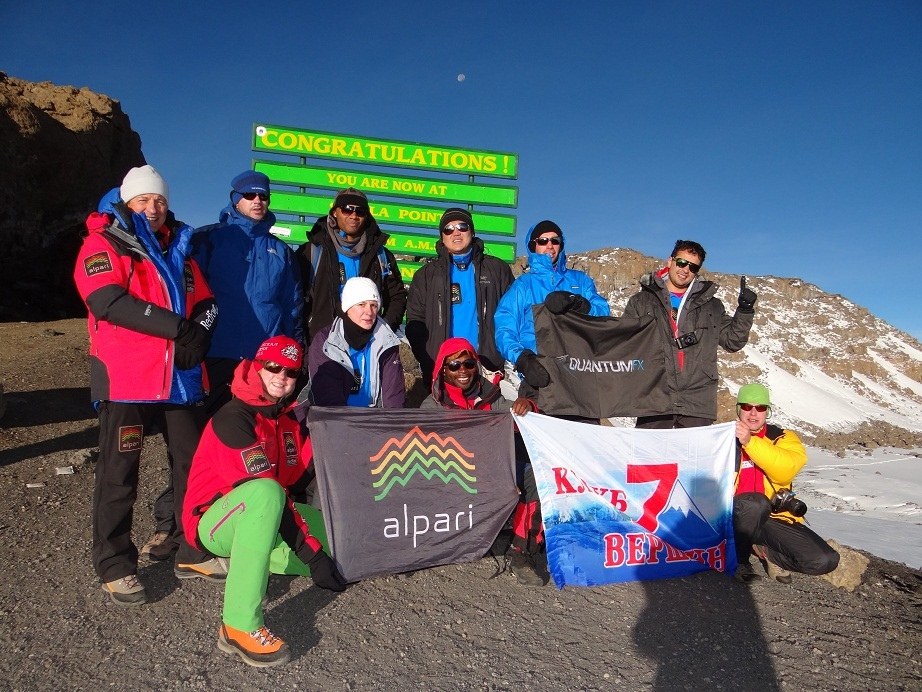
Just before 6:00 we made it to the brim of the crater. This is where we planned to meet the Alpari US team, which took the classic route. They weren’t there yet. We waited an hour and a half. We were about to freeze to death. Naturally, we were elated when they finally showed up. We continued onward together, reaching the summit of Kilimanjaro (5,895 m) in full strength. Hooray!

Photos and videos from Kilimanjaro
Kilimanjaro.
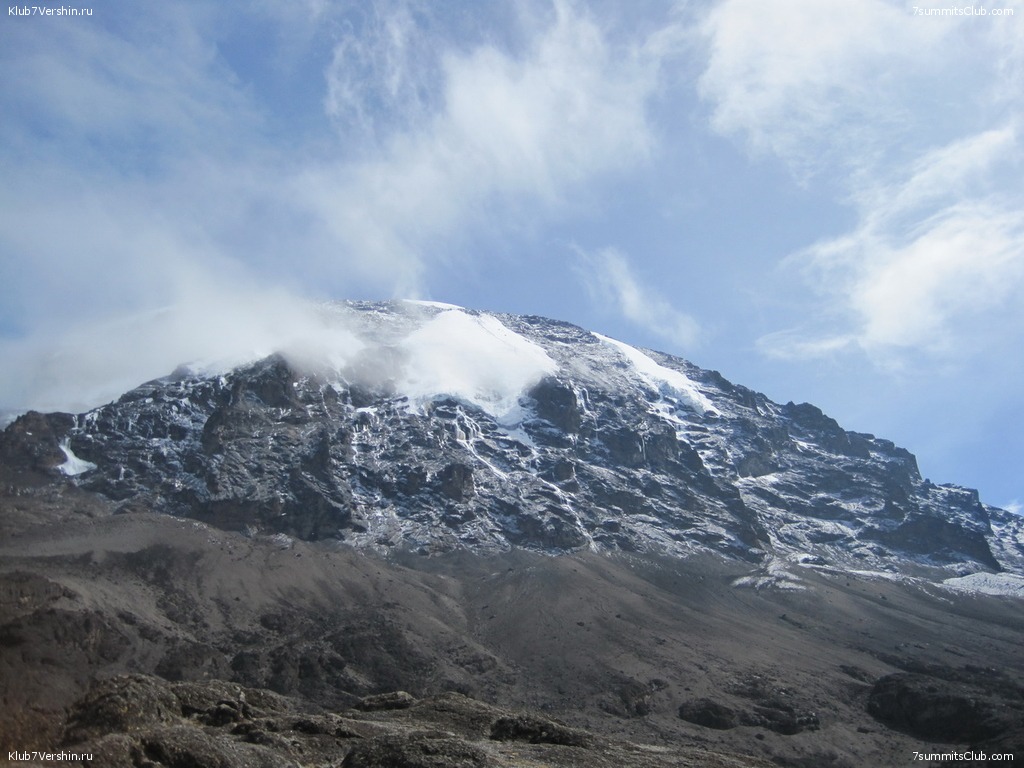
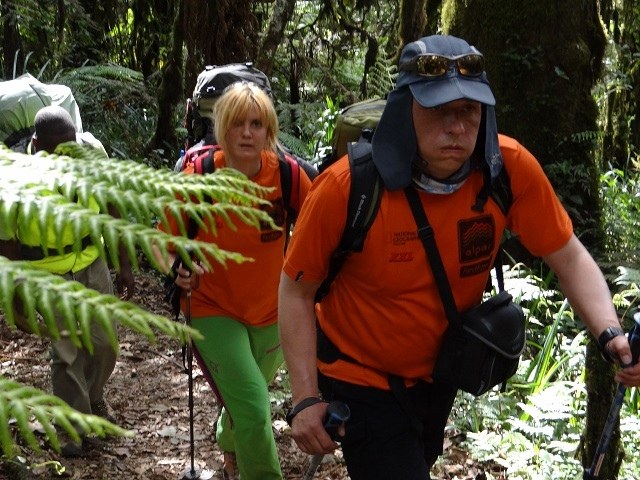
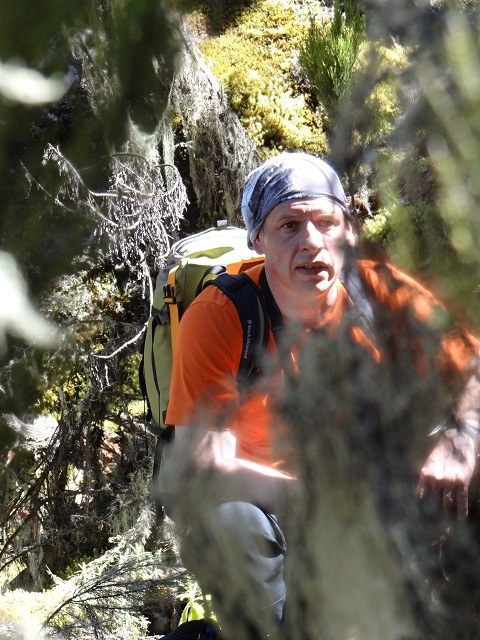
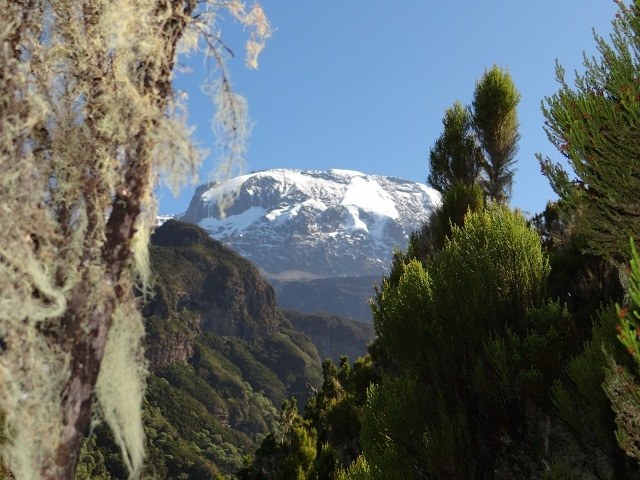
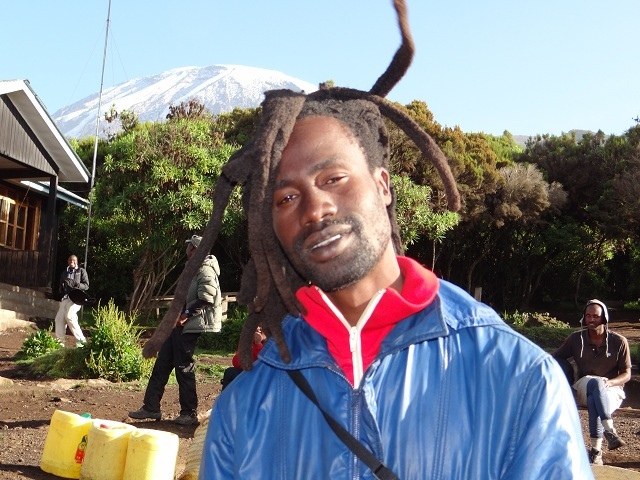
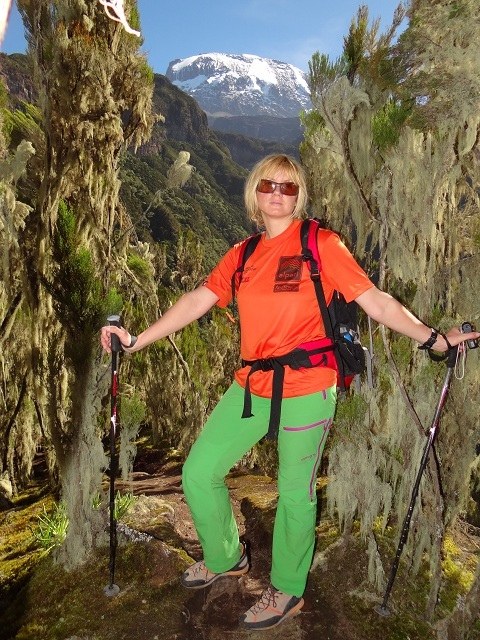
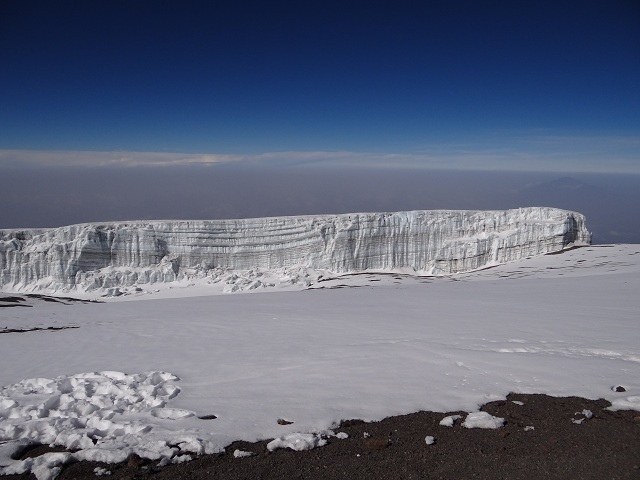
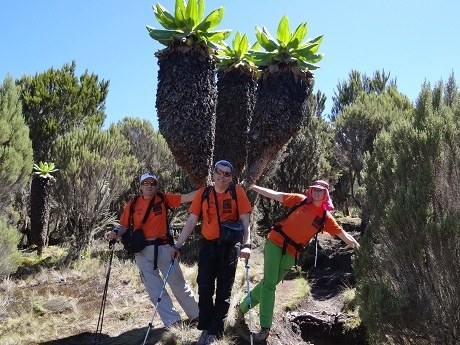
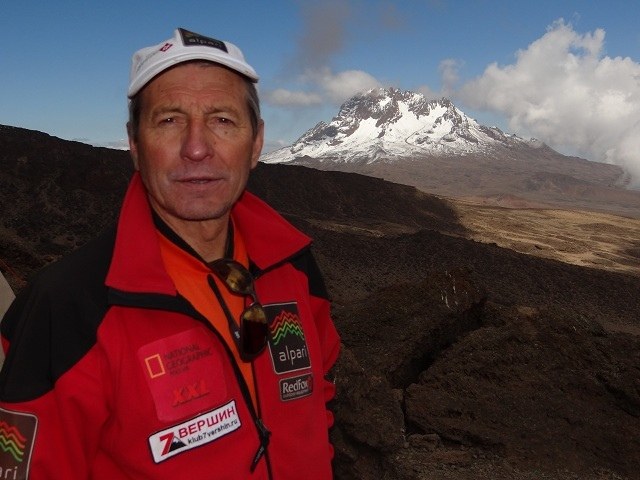
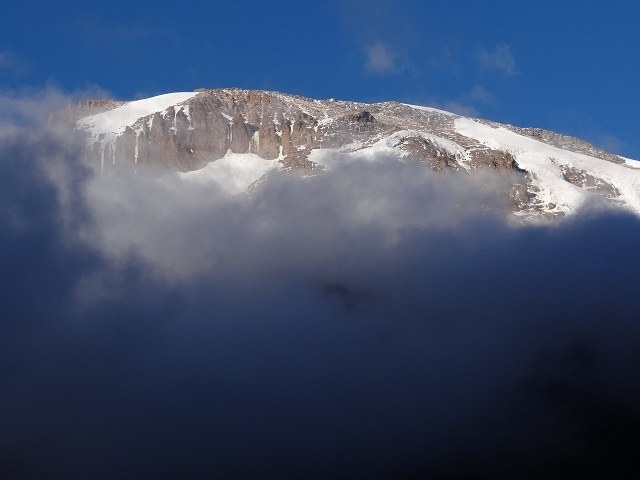
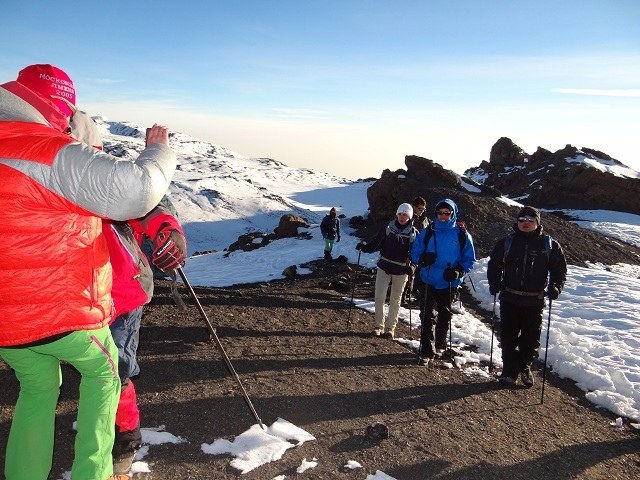
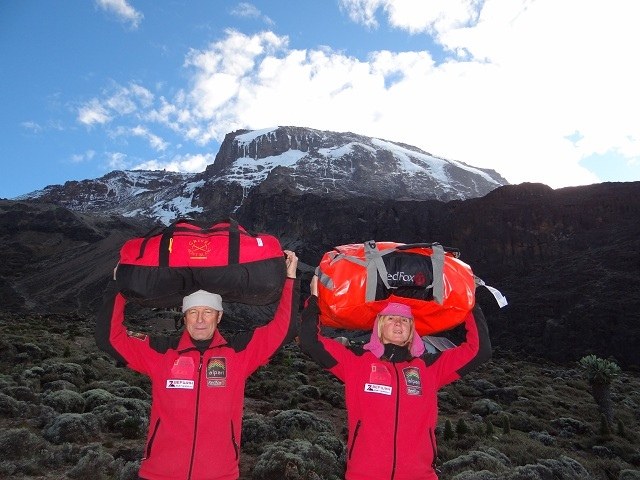
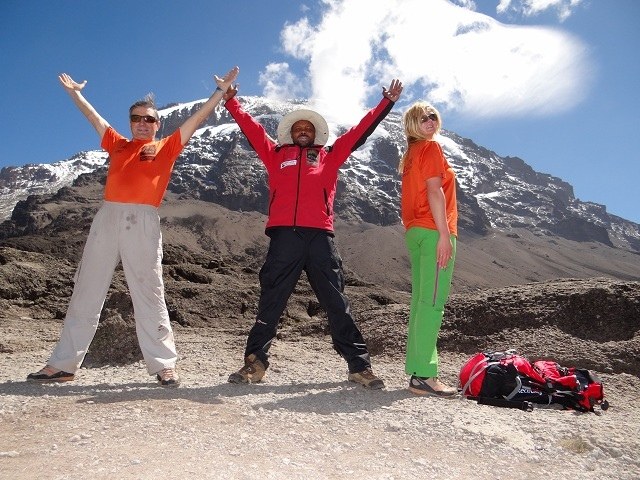
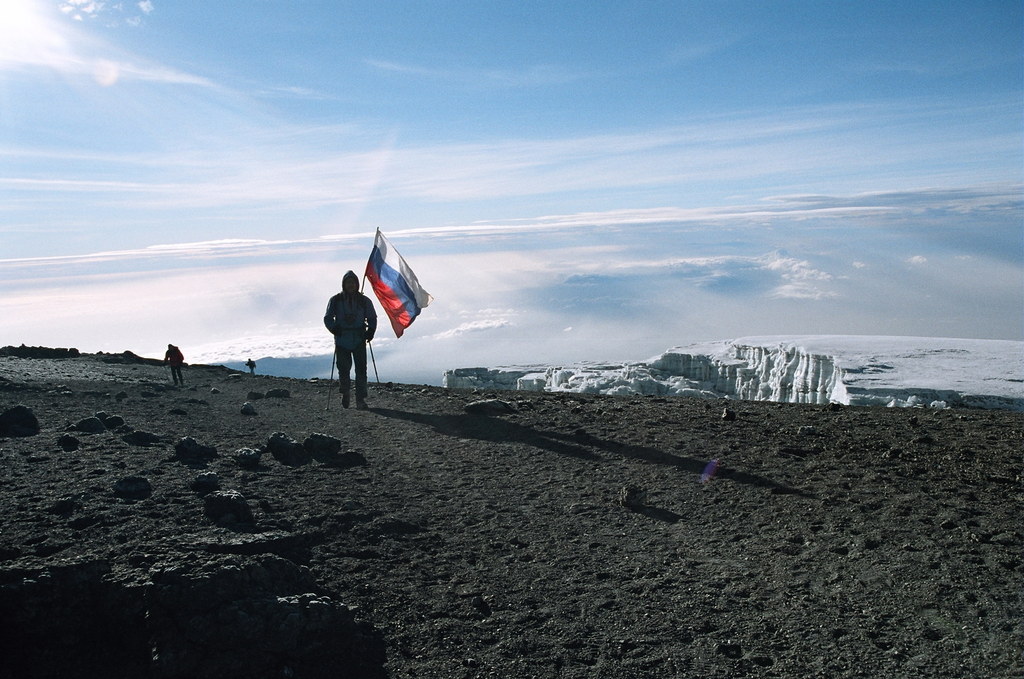
The first visual impression of the expedition "Alpari on top of the world." The first batch of photos and a video clip. No comments. Simply beauty. More pictures can be viewed at the project site: http://www.alpari-life.ru/kilimanjaro/ ...
The first visual impression of the expedition "Alpari on top of the world." The first batch of photos and a video clip. No comments. Simply beauty. More pictures can be viewed at the project site:
http://www.alpari-life.ru/kilimanjaro/








President Dmitry Medvedev led a meeting dedicated of tourism in the Northern Caucasus
Elbrus.
Today (11.03. 2012) Krasnodar hosted a meeting chaired by Russian President Dmitry Medvedev dedicated to the development of Russian resorts. The meeting was also attended by Deputy Prime Minister of Russia Alexander Khloponin, Economic ...
Today (11.03. 2012) Krasnodar hosted a meeting chaired by Russian President Dmitry Medvedev dedicated to the development of Russian resorts. The meeting was also attended by Deputy Prime Minister of Russia Alexander Khloponin, Economic Development Minister Elvira Nabiullina and Minister of Sport, Tourism and Youth Policy Vitaly Mutko, as well as heads of the regions of South and North Caucasus districts and representatives of foreign companies.
After receiving the data from Vitaly Mutko that only 59 subjects of the Russian Federation have developed a tourism program, Dmitry Medvedev has demanded to develop a realistic program for the development of tourism in every region of the Russian Federation, stressing that "there should be mutual responsibility."
The leaders of Dagestan and Ingushetia asked the president to increase the authorized capital of the "Resorts of the North Caucasus" in connection with the recent inclusion of these two republics in the program, RIA Novosti reports. Medvedev instructed the Minister of Economic Development Elvira Nabiullina to prepare a final report with calculations of how much money will it take to develop resorts in the two republics.
Nabiullina promised to prepare a report, but added that according to the preliminary assessment, "the inclusion of Dagestan in this program will cost about 40 billion rubles from the federal budget alone."
Russian President Dmitry Medvedev supported the presidential envoy to the North Caucasus Federal District Alexander Khloponin on the need to develop the Caspian coastal area with beach resorts.
The participants of the meeting discussed a wide variety of issues related to the development of tourism in Russia.
France ready to invest in N Caucasus
French companies are prepared to massively invest in helicopter building and also in the hospitality and holiday industries on Russian territory.
French presidential envoy for Russia ties Jean-Pierre Thomas spoke about this at a meeting with President Dmitry Medvedev in Krasnodar in southern Russia on Sunday.
He sits on the board of a joint company which is hoping to attract at least $10bn worth of investment in the holiday industry in the Russian Caucasus.
(TASS)
Russia developing resorts in the North Caucasus
Foreign companies have invested over 3 billion U.S. dollars to develop resorts in the North Caucasus. Russian investors have contributed almost a similar amount. Russian President Dmitry Medvedev revealed these figures addressing a conference in the southern Russian city of Krasnodar dedicated to promoting tourism in the North Caucasus.
Several resort zones in Southern Russia united under the “Resorts of the North Caucasus” will be turned into winter sports and year-round resorts. These zones are Lagonaki, a beautiful plateau located in Krasnodar region and Adygee, Arkhyz in Karachaevo-Cherkesia, Elbrus-Bezengi in Kabardino-Balkaria, Mamison in Northern Ossetia-Alania, Matlas in Dagestan and Tsori and Armkhi in Ingushetia. A network of resorts will also appear along the Caspian Sea shore in Dagestan.
The “Resorts of the North Caucasus” are a grandiose project in terms of territory and the amount of construction work. The overall length of Alpine ski runs exceeds 1,100 kilometers. Despite difficulties, many investors, especially foreigners, expressed readiness to go into this project. This has become possible owing to the businesslike work of the government which has done a lot to attract investors and partners, says Dmitry Medvedev.
“A government mechanism supporting the project was developed and amendments were made to the federal law on special economic zones in the Russian Federation. This law paves the way for solving the most difficult tasks. There was no such mechanism before. The residents of tourist and recreation type economic zones in the North Caucasus enjoy tax and duty breaks. Concrete results of this activity can be seen even now. The construction of the year-round resort of Arkhyz is in full swing, and it plans to receive tourists in the winter season of 2012. Construction of other resorts is now underway,” says Dmitry Medvedev.
At present, some of the tourist projects in the North Caucasus have already worked out their business plans with leading foreign companies. Among these are the French bank Caisse des Depots et Consignations, South Korea’s state-run energy company Western Power and companies in Singapore. The prestigious MIRIM Asia Awards-2011 International Developers competition assessed the project, describing it as the best project for the future.
Despite the rosy picture there are many problems related to the involvement of investors and the launch of construction, says Dmitry Medvedev.
“Among these problems are providing the resorts with contemporary infrastructures, their transport accessibility, the construction of roads, railways and airports. All this is very important for the attraction of tourists to the North Caucasus and the Caspian Sea. We will have to reconstruct at least 6 existing airports and build four new ones. It’s crucial to increase the passenger flow. At present, the capacity of the airports in North Caucasus is about 20,000 passengers a day. But this figure has to be increased five times to implement the large project, Dmitry Medvedev said.
The “Resorts of North Caucasus” is a very expensive project. It is financed under the principle of government and private partnership. At present, only a part of the necessary amount has been collected. According to experts, investments in the North Caucus tourist project will be paid off in 5-10 years. In short, the profitability of the project is up to 15 percent.