Asia - Page 102
Alex Abramov after first night on the Col
Everest.
Hello! This is Alex Abramov from Everest. Today we spent a night at the North Col (7000m). I do not remember last few years such a heavy night. A very strong wind was, beater, very cold. The North Col, we climbed in the feather ...
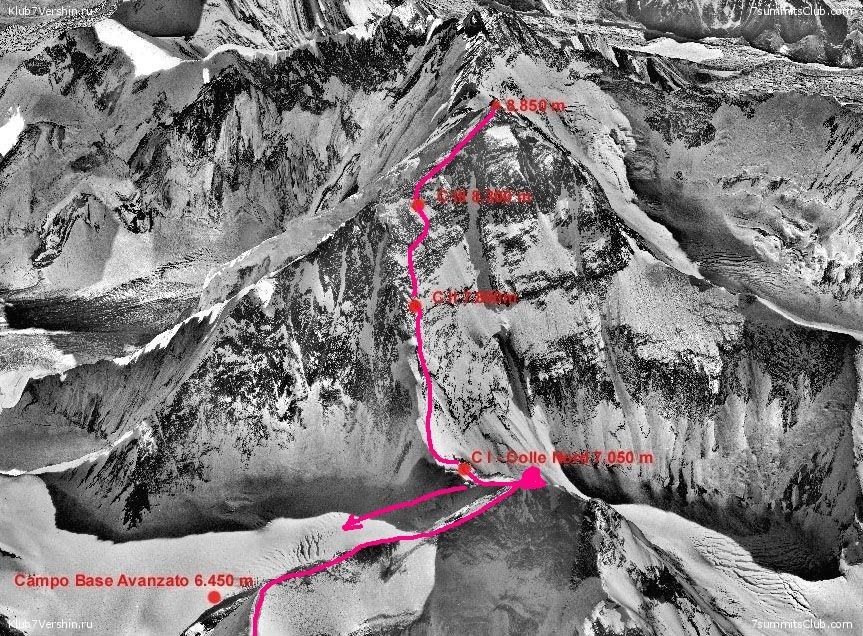
Hello! This is Alex Abramov from Everest. Today we spent a night at the North Col (7000m). I do not remember last few years such a heavy night. A very strong wind was, beater, very cold. The North Col, we climbed in the feather suits, and nobody wanted to take them off. Even at night. Now we went down. In the advanced base camp several tents is broken down. A very strong wind was here. But in general, all is as always, I mean according to plan. Before the ascent, we have about 20 days, all things will changed to better. Today, our second team, the team of Ingushetia, goes up to sleep on the North Col for acclimatization. Next in two days, we must once again climb the North Col. Then try to climb the summit of Changtse. This is North Peak of Mount Everest. The height of 7550 meters. Good-bye!
Dmitry Ermakov from Lhasa
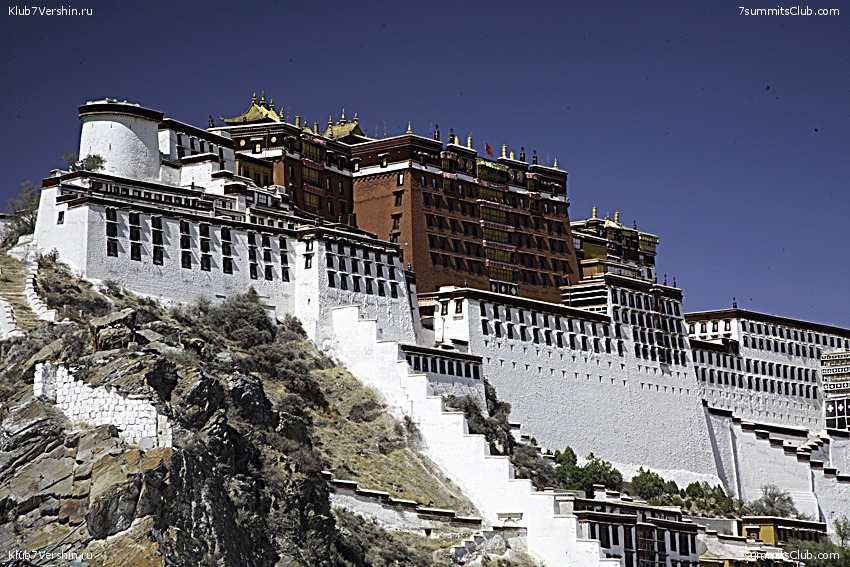
This is Dmitry Ermakov from Lhasa. Today, it is our second day in the capital ofTibet. Today we visited the Potala Palace of the Dalai Lama, made a walk through the city, visited the center of Tibetan medicine .. Tomorrow we go further ...
This is Dmitry Ermakov from Lhasa. Today, it is our second day in the capital ofTibet. Today we visited the Potala Palace of the Dalai Lama, made a walk through the city, visited the center of Tibetan medicine .. Tomorrow we go further along our route to Kailash, and will be in Shigatse. All participants feel good, everuthing is OK. Hello!
Alex Abramov from camp ABC: in a trap
Everest.
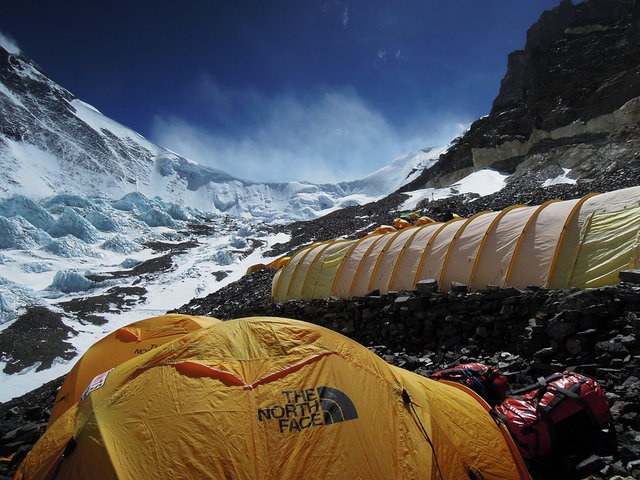
Hello! This is Alex Abramov from camp ABC. For three days we are in the advanced base camp of Everest. Wind is very strong and, in general, such a trap it ...
Hello! This is Alex Abramov from camp ABC. For three days we are in the advanced base camp of Everest. Wind is very strong and, in general, such a trap it is. We will not go down, still we want to go to acclimatize to the North Col and Changtsze. Up, but, we could not go, because in the horizontal field before a beginning of steep slope at the North Col there is a real hurricane

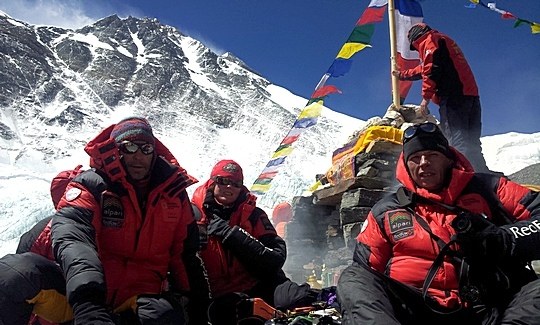
Photo of the Alpari Team from alpari-life.ru


Digest and photos from Alex Abramov
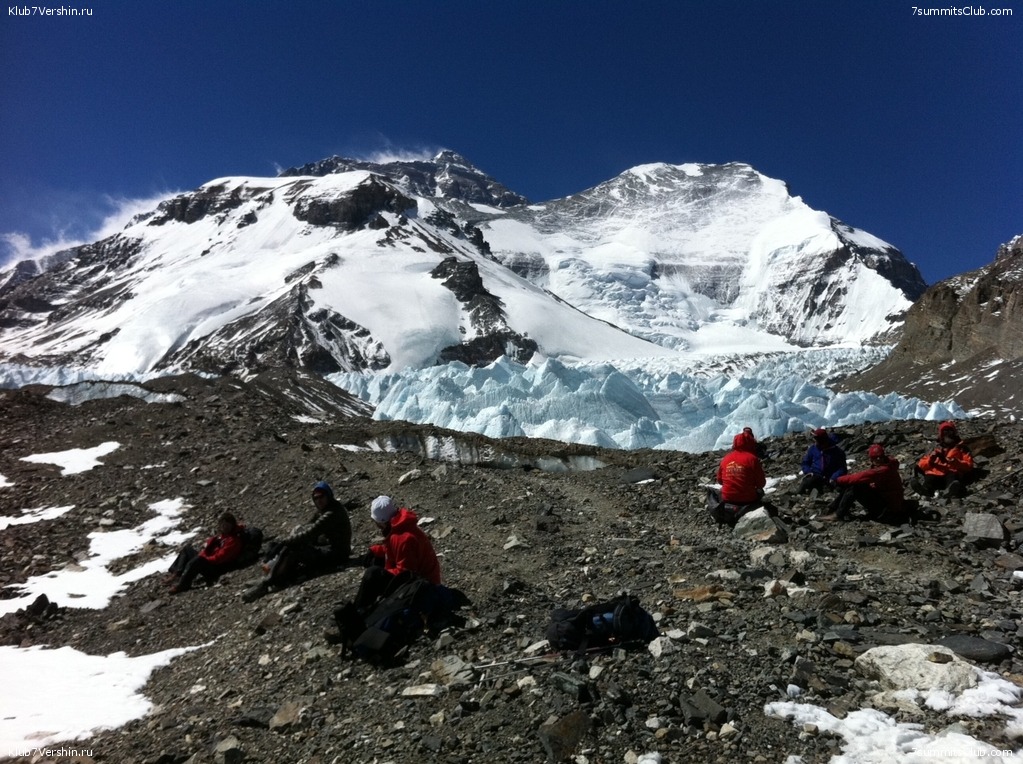
It is Alex Abramov from Everest. A few days ago we went down to the base camp, and then our team went on vacation 50 kilometers below the base camp at 4200 meters altitude. There we rested well. We stayed two nights in Tashidzhong, we ate ...
It is Alex Abramov from Everest. A few days ago we went down to the base camp, and then our team went on vacation 50 kilometers below the base camp at 4200 meters altitude. There we rested well. We stayed two nights in Tashidzhong, we ate mutton meat, useful for mental activity.
And finally, we reached the ABC camp at the height of 6400 meters. There are very strong wind, then we spent the past two days, two nights here ... Today, the second team comes from the bottom up.
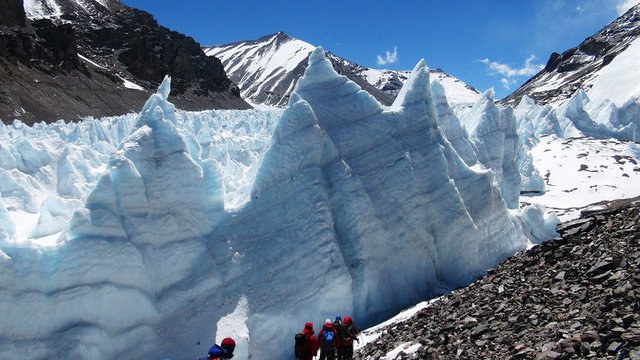
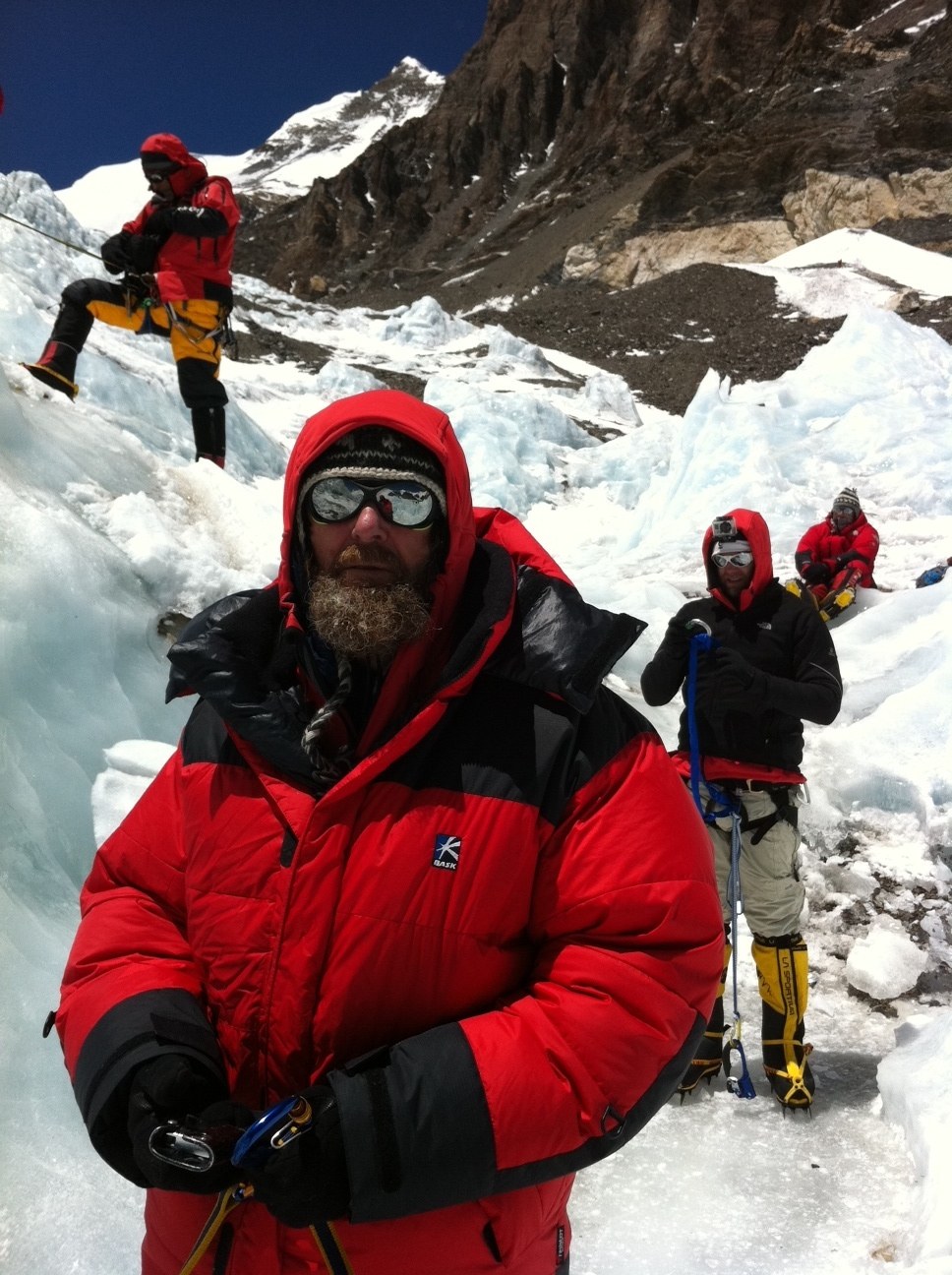
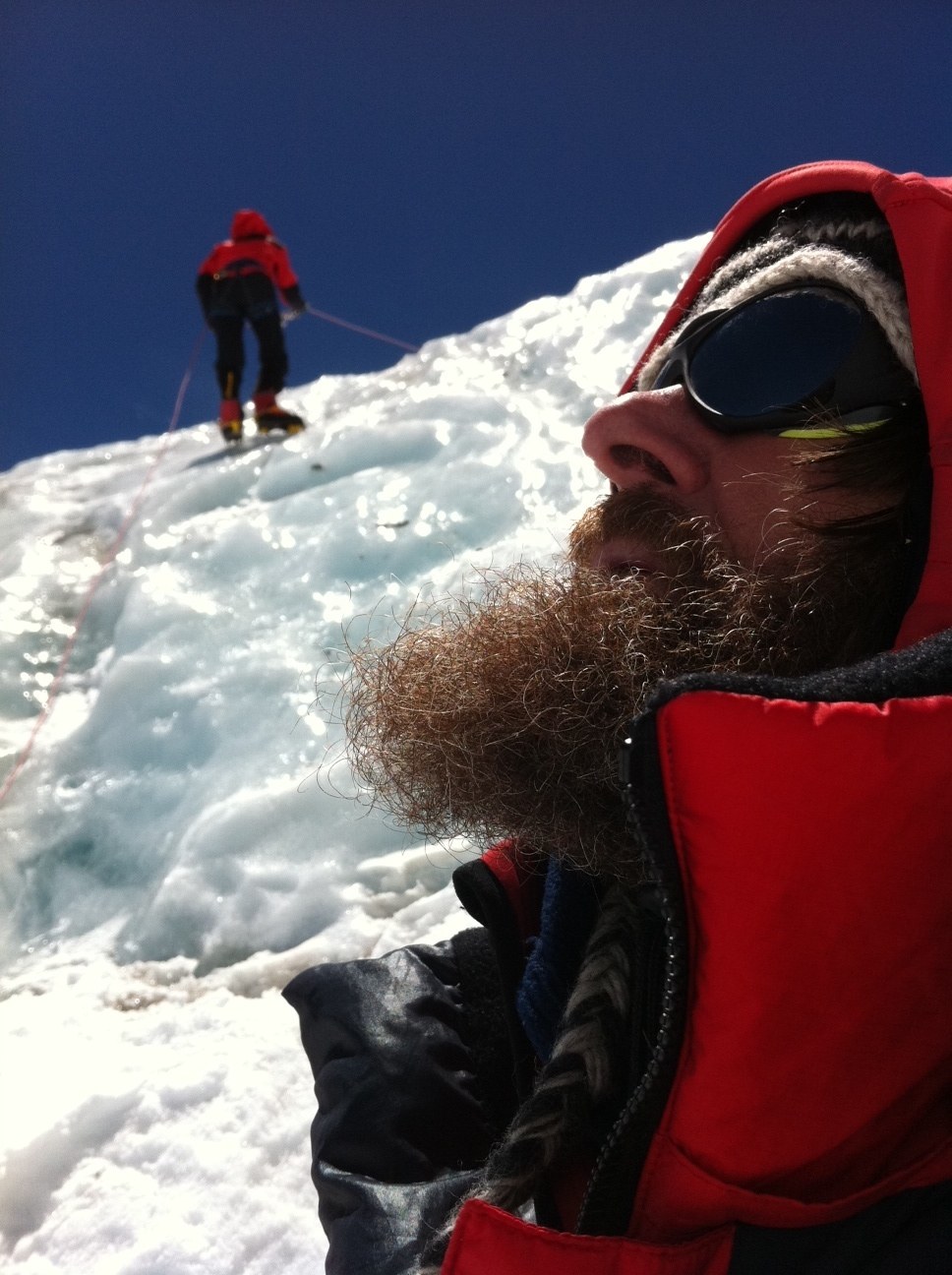
Today our first team conducted studies on the natural ice. On the ice slopes we climbed up, then traverse across the ice, using ropes and went down. So a several times. It was quite useful.
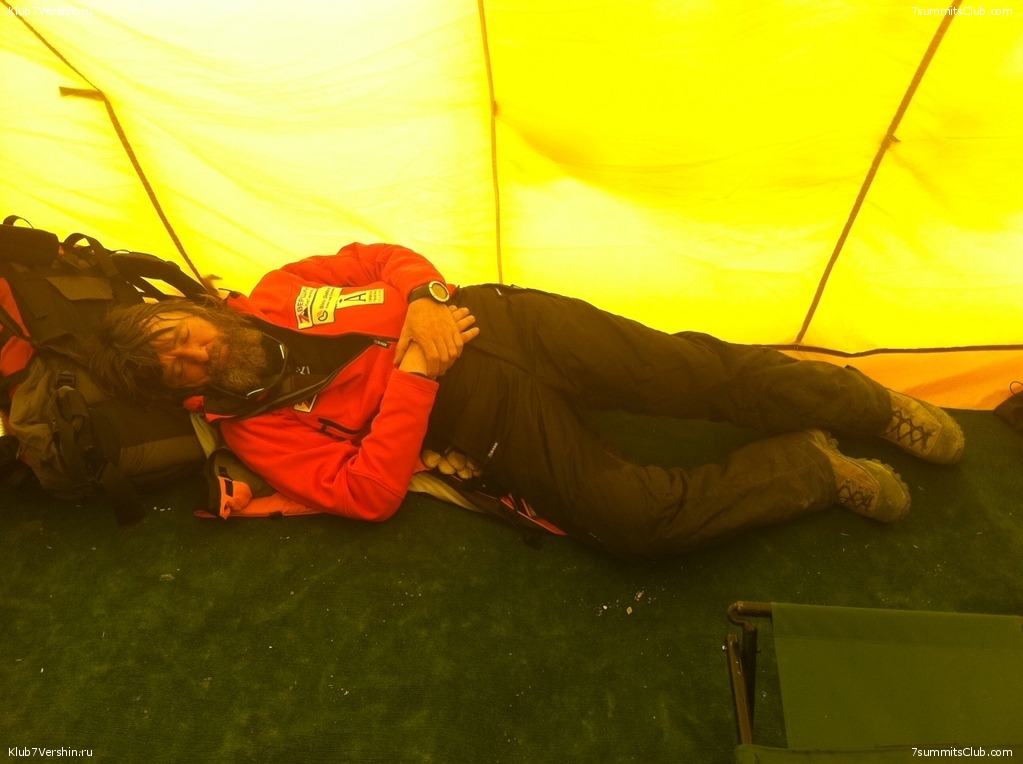
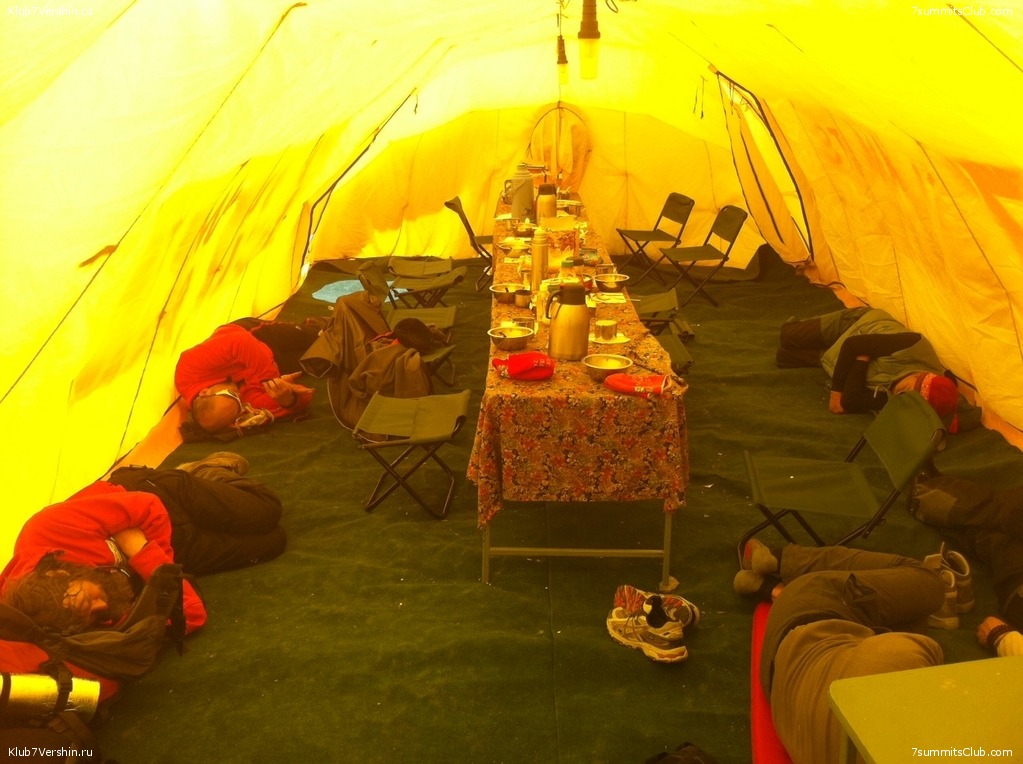
Now on the North Col, where we're going to go to sleep, it is very strong wind. Half of the tent is broken. Our tents are all, because Sherpas have put them down in order to not break. Well we'll see. Well, until we have a plan to spend a night on theNorth Col.




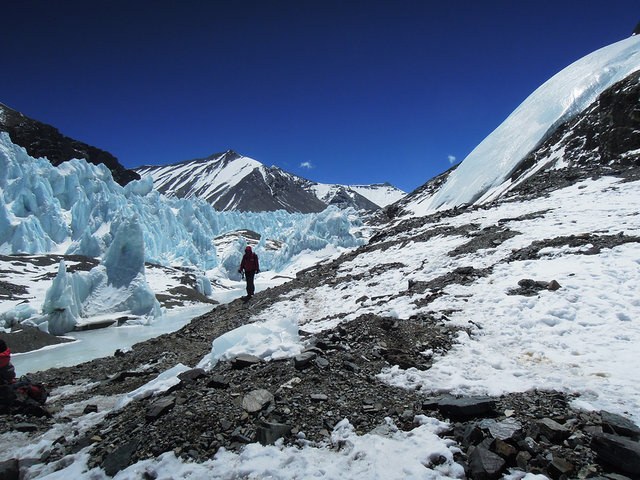

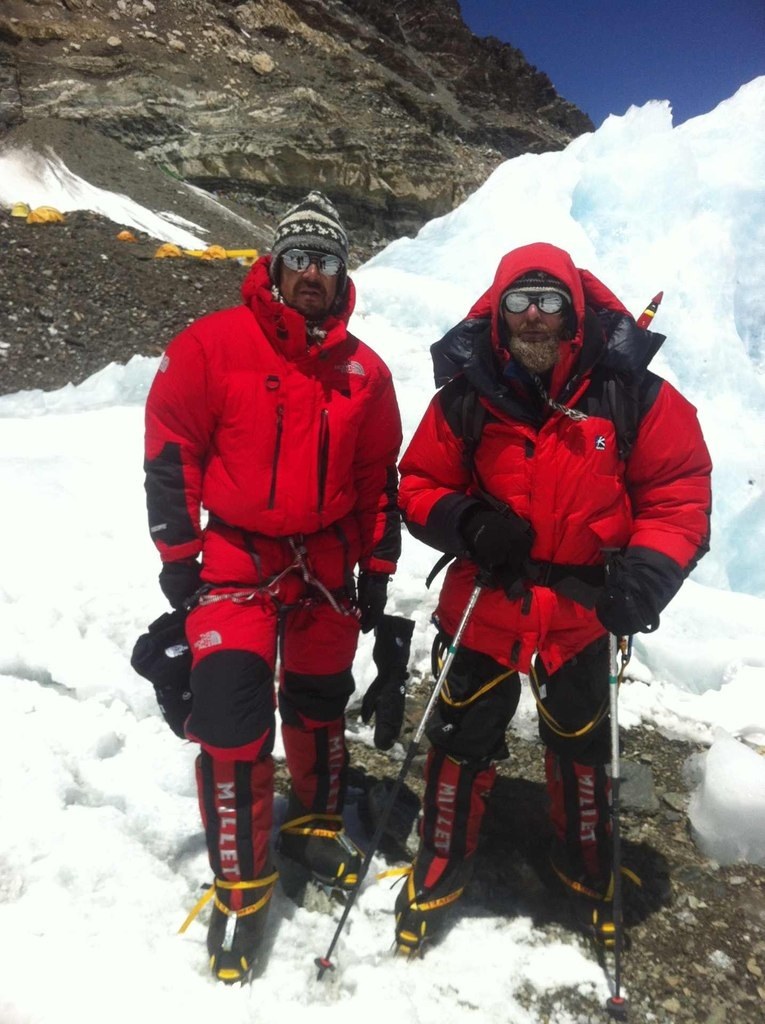
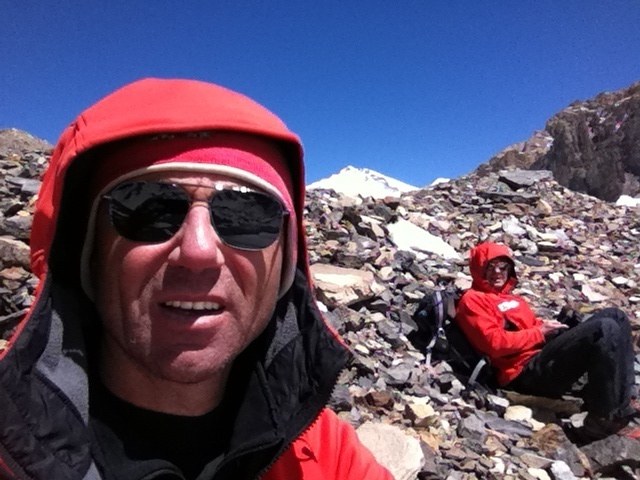

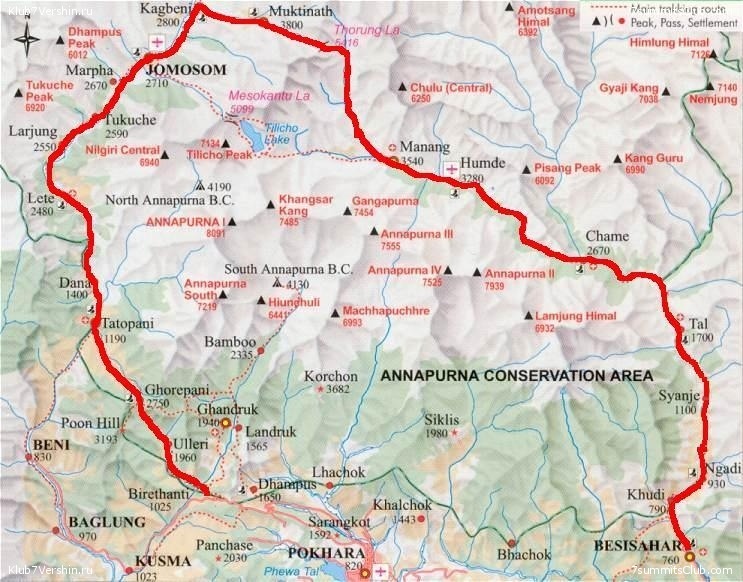
Start of a new trekking program Around Annapurna
Today, April 28, a new our Nepal program began: Trekking aroundAnnapurna. During the day the members arrived in Kathmandu, where they were met by 7 Summits Club guide Olga Rumyantseva. Almost immediately from the plane all people went for a ...
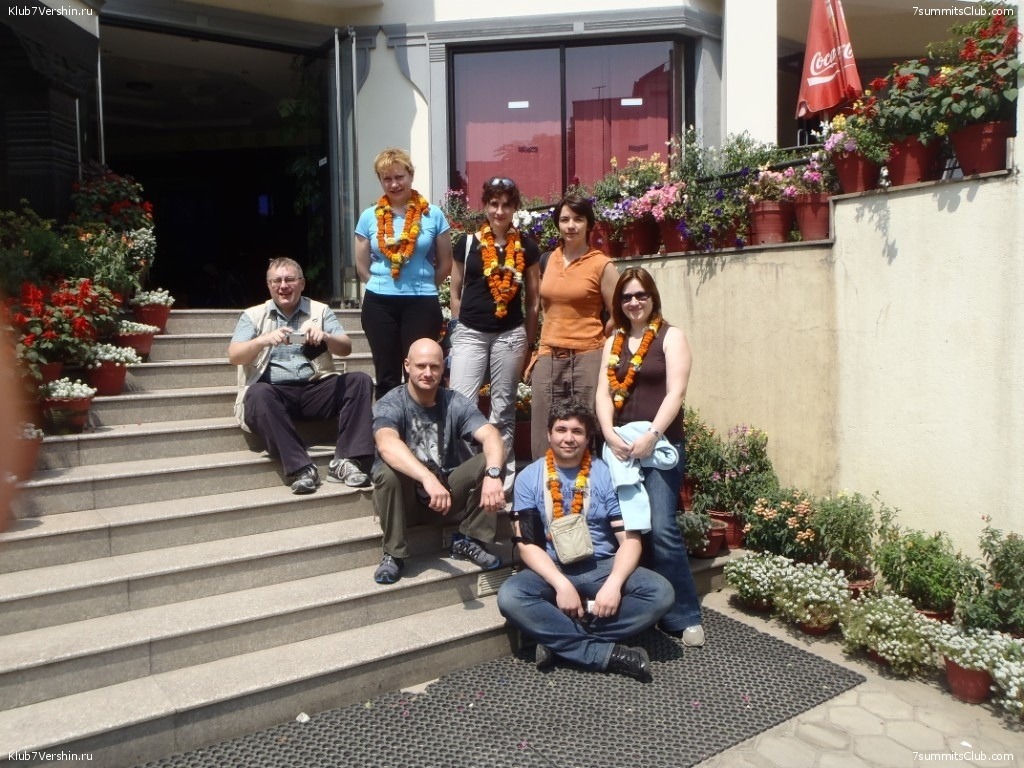
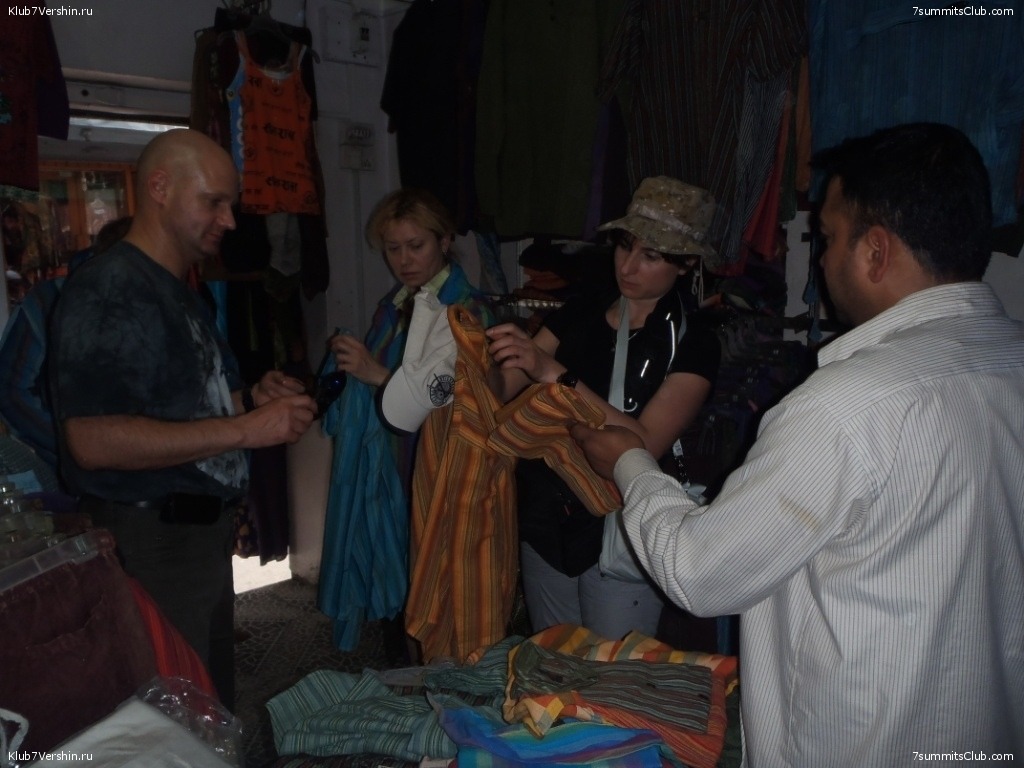
Today, April 28, a new our Nepal program began: Trekking aroundAnnapurna. During the day the members arrived in Kathmandu, where they were met by 7 Summits Club guide Olga Rumyantseva. Almost immediately from the plane all people went for a walk on Tamel and buy a shirt for trekking. In the evening dinner will be arranged in a Nepalese restaurant. And tomorrow we will go towardsAnnapurna. Group members: Denis Nenakhov, Maria Nenakhova, Eugene Ganja, Alena Ganja, Maxim Gorbunov and Elena Gorbacheva.

On the way to Baruntse
April, 24 A team of 7 Summits Club Victor Bobok (guide) and Andrey Filkov flew to Nepal to climb Mount Baruntse 7129 mThe ascent is planned via the normal route - the Southeast Ridge. Baruntse of is located between Everest and Makalu ...
April, 24 A team of 7 Summits Club Victor Bobok (guide) and Andrey Filkov flew to Nepal to climb Mount Baruntse 7129 m
The ascent is planned via the normal route - the Southeast Ridge. Baruntse of is located between Everest and Makalu (8471m). The approach to base camp is a multi-day trekking. The nature of the route, mostly snow and ice. The steepness of the ice can reach 50 degrees. One steep step is above 7,000 meters. Route is avalanche dangerous after snowfall. In the spring, it is often equipped with fixed ropes. But it depends on the number of climbers who have subscribed to this program.
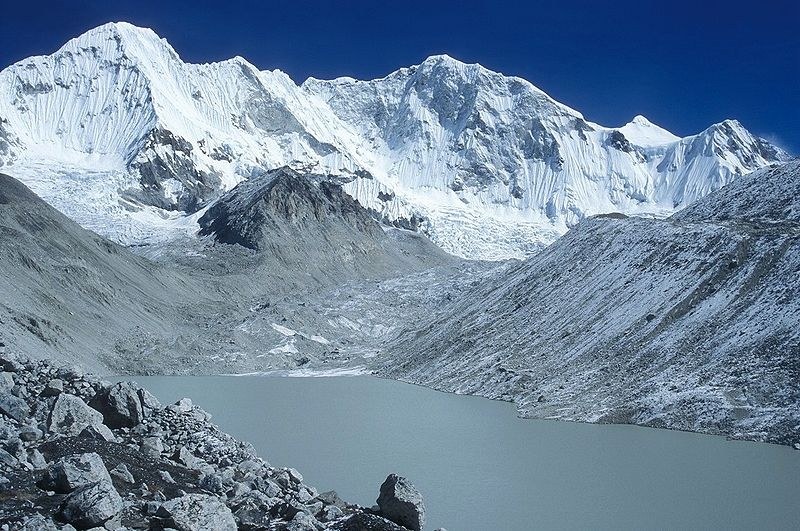
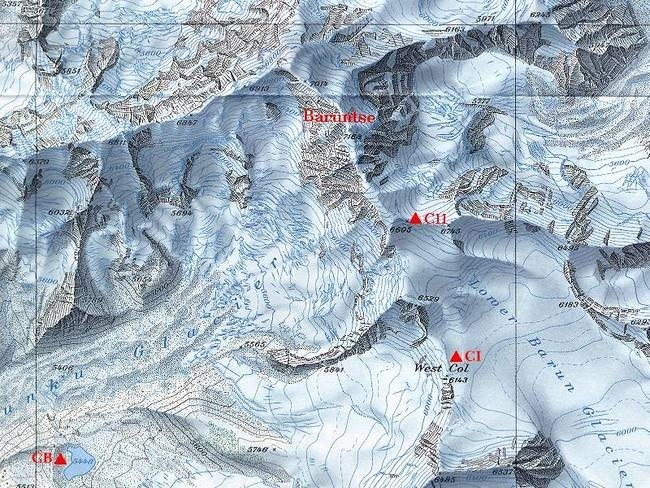


Photo from an exploration of a new route and other news from Everest
Everest.
Hello! This is Alex Abramov from Everest. We are now at an altitude of 6400 meters in advanced base camp. This is the first team. The second team is in the intermediate camp at 5800 meters. Weather, in general, it is not bad. The sun is ...
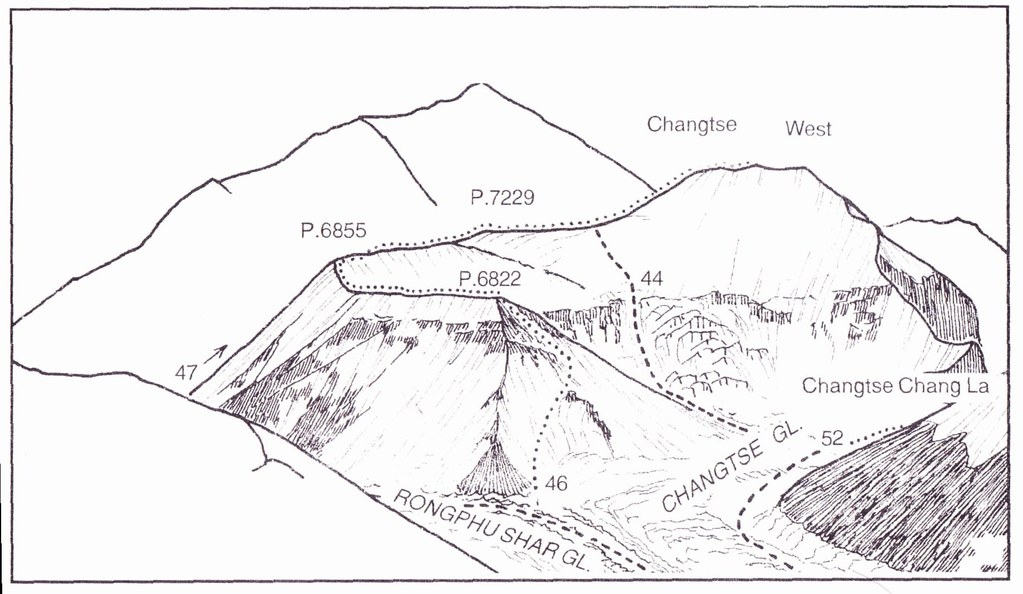
Hello! This is Alex Abramov from Everest. We are now at an altitude of 6400 meters in advanced base camp. This is the first team. The second team is in the intermediate camp at 5800 meters. Weather, in general, it is not bad. The sun is shining, however, the clouds in the afternoon. Today we made a reconnaissance, we want to make a new route across the top of Changtse ascent on Everest. Today we made an exploration ...
Puja is a one of the most important part of the expedition
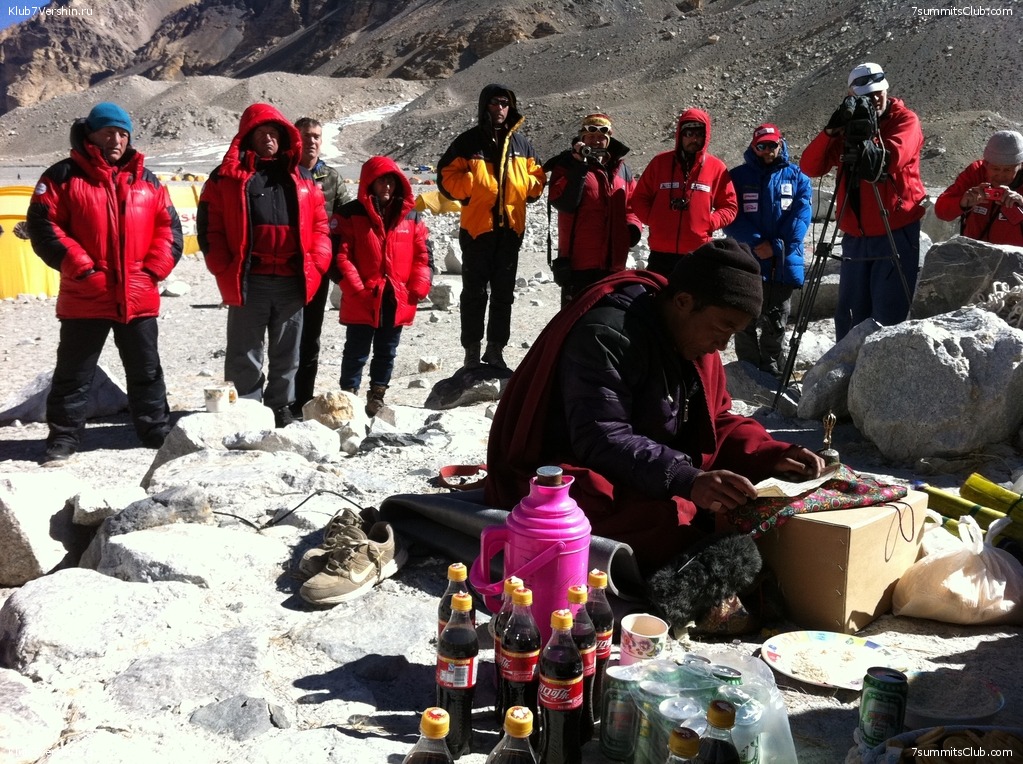
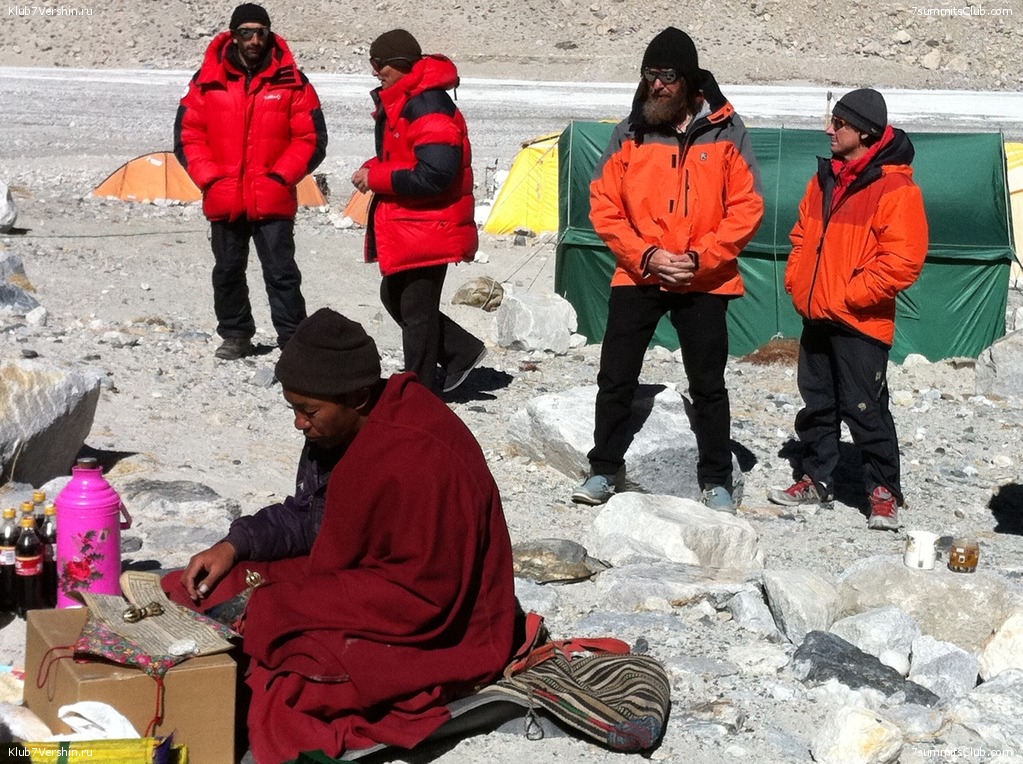
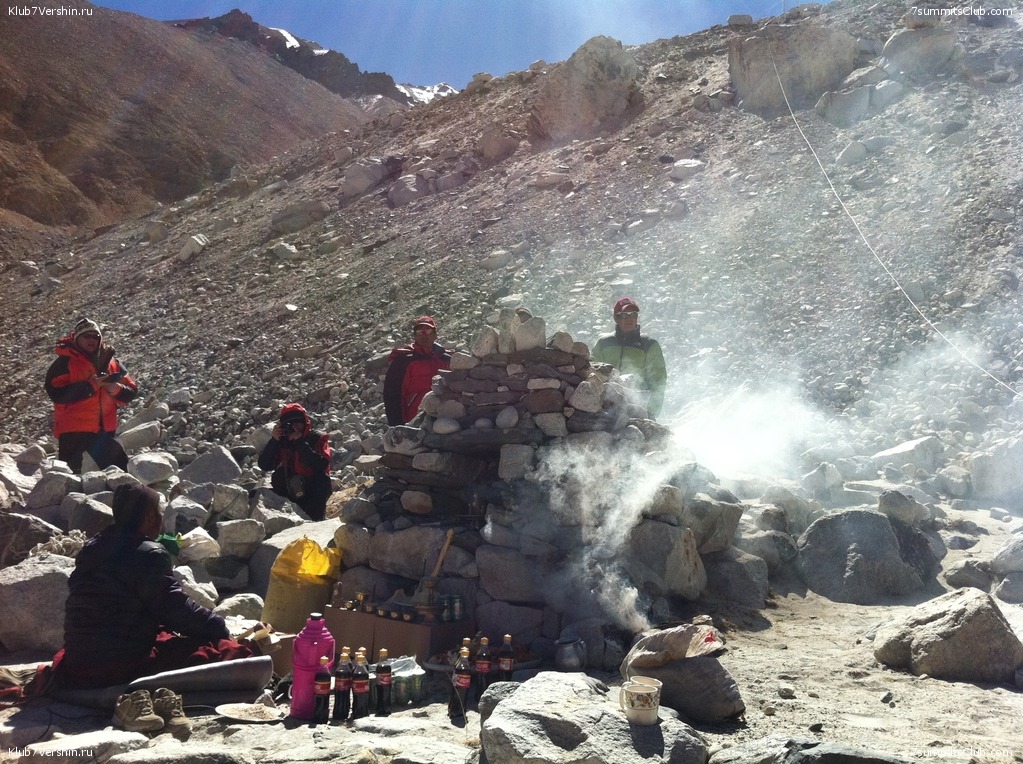
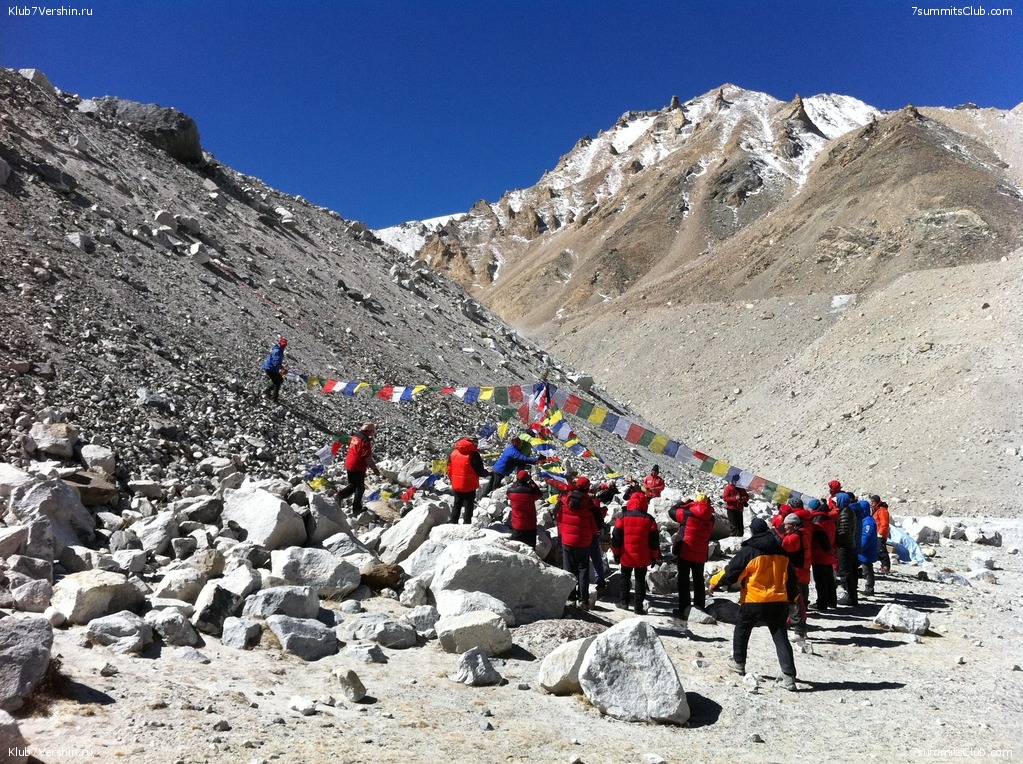
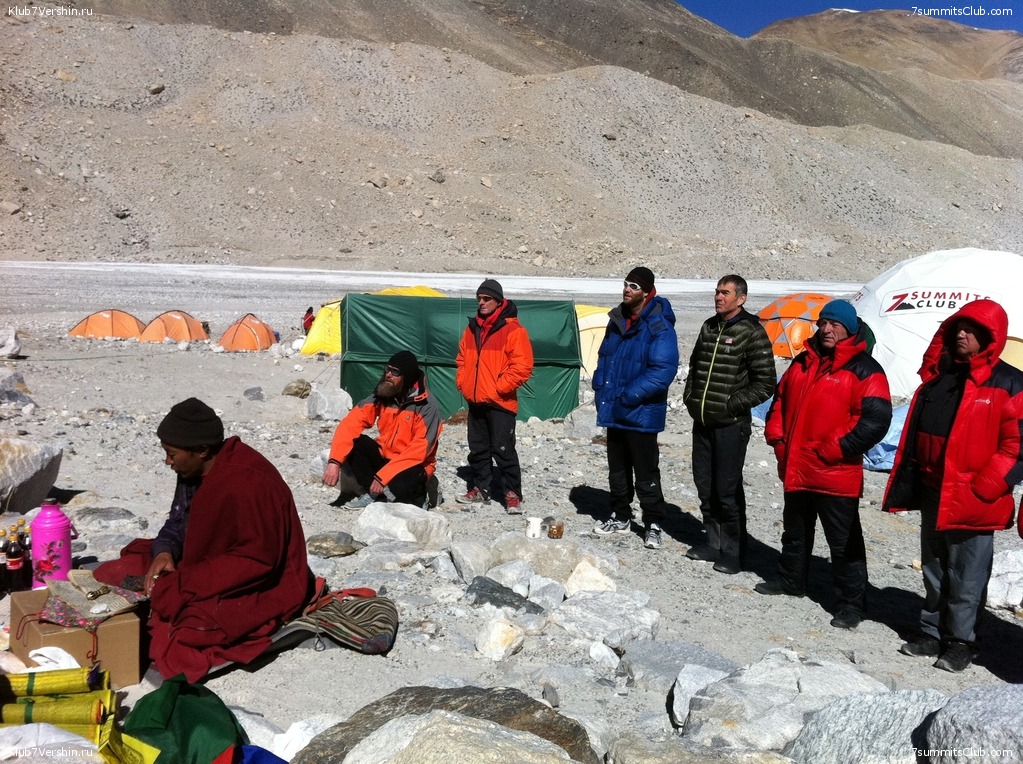
Puja ceremony was held this morning. It was a prayer for the success of the expedition. Wind was blowing to the top - up the hill. So, it is time to go up. Now cooks prepare our traditional borshch (beet-root soap). The first group goes up ...
Puja ceremony was held this morning. It was a prayer for the success of the expedition. Wind was blowing to the top - up the hill. So, it is time to go up. Now cooks prepare our traditional borshch (beet-root soap). The first group goes up to an intermediate camp, and tomorrow to the Advance Base Camp at 6400m altitude. Today, Semion Deyak has to come back from Dzhangmu. We sent him down with symptoms of acute mountain sickness. We think it is all good now. Alex Abramov.


Start a new expedition to Nepal
Everest BC (Nepal).
Today, a large group of 7 Summits Club flies from Moscow to Kathmandu. They are members of the trek programs Everest Base camp and ascent of Island Peak. Guide of the 7 Summits Club Denis Saveliev rested after a heroic climb of Mera Peak ...
Today, a large group of 7 Summits Club flies from Moscow to Kathmandu. They are members of the trek programs Everest Base camp and ascent of Island Peak. Guide of the 7 Summits Club Denis Saveliev rested after a heroic climb of Mera Peak and is ready to meet the group.
List of the members.
Island peak:
Petryaev Alexander
Emelyanov, Elvira,
Lutikov Alexander
Aglitsky Constantine
Lerner Roman
Lerner Julia,
Moiseeva Lola.
Trek to Everest base camp:
Manizada Jamil,
Tinin Yuri
Kovalenko, Ruslan.
Good luck, good weather, a good trip!


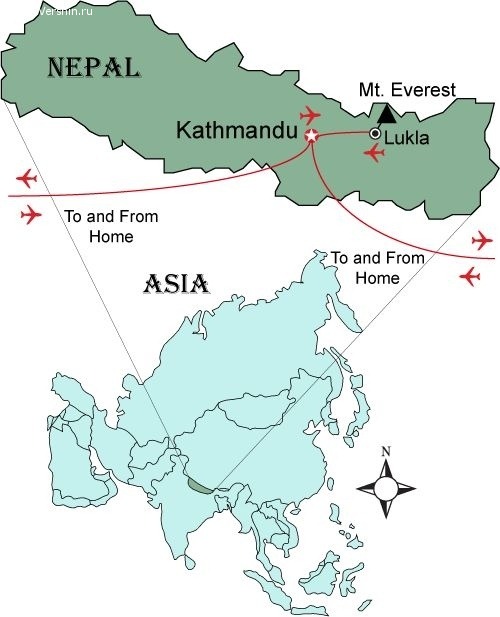
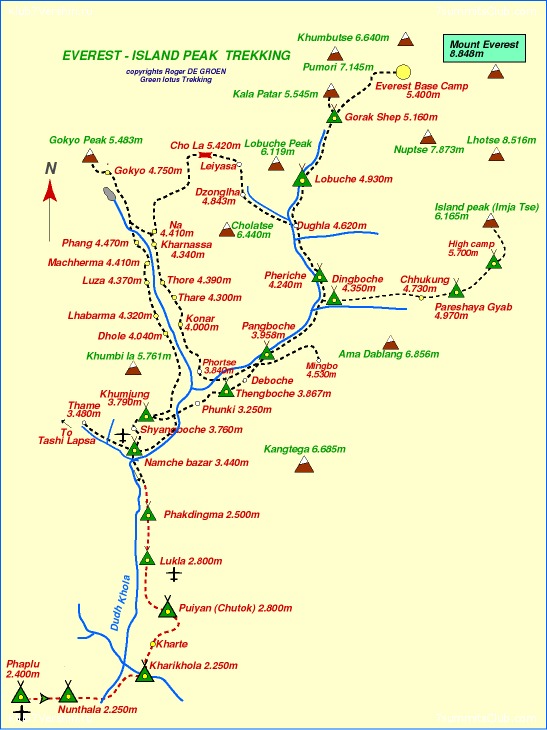
Ludmila Korobeshko from Xegar (4200)
Everest.
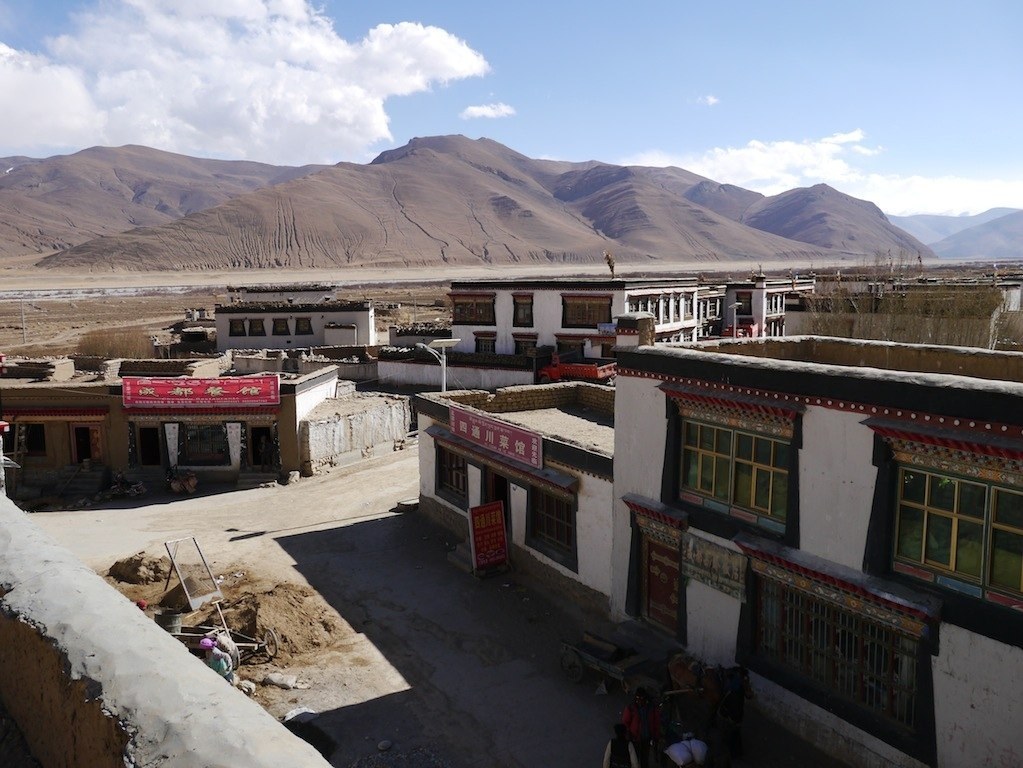
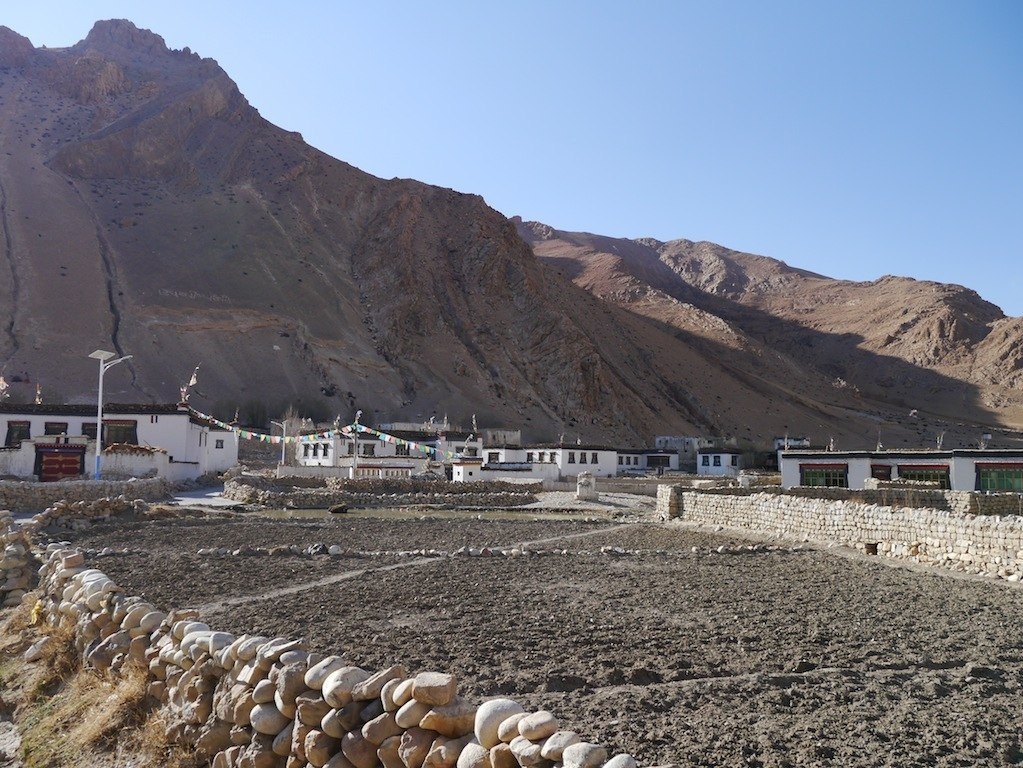
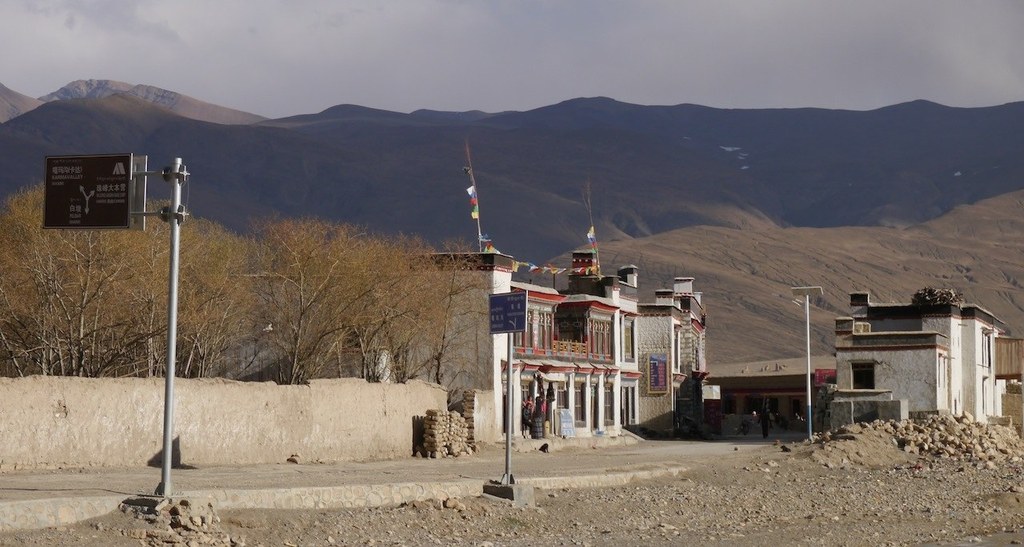
Today there was a lot of things "at first" First, we made the first serious acclimatization climb. Hooray! Shegar Dzong was climbed to the top (4800 m). This mountain name is translated as Fortress Xegar and it is very unusual. At ...
Today there was a lot of things "at first"
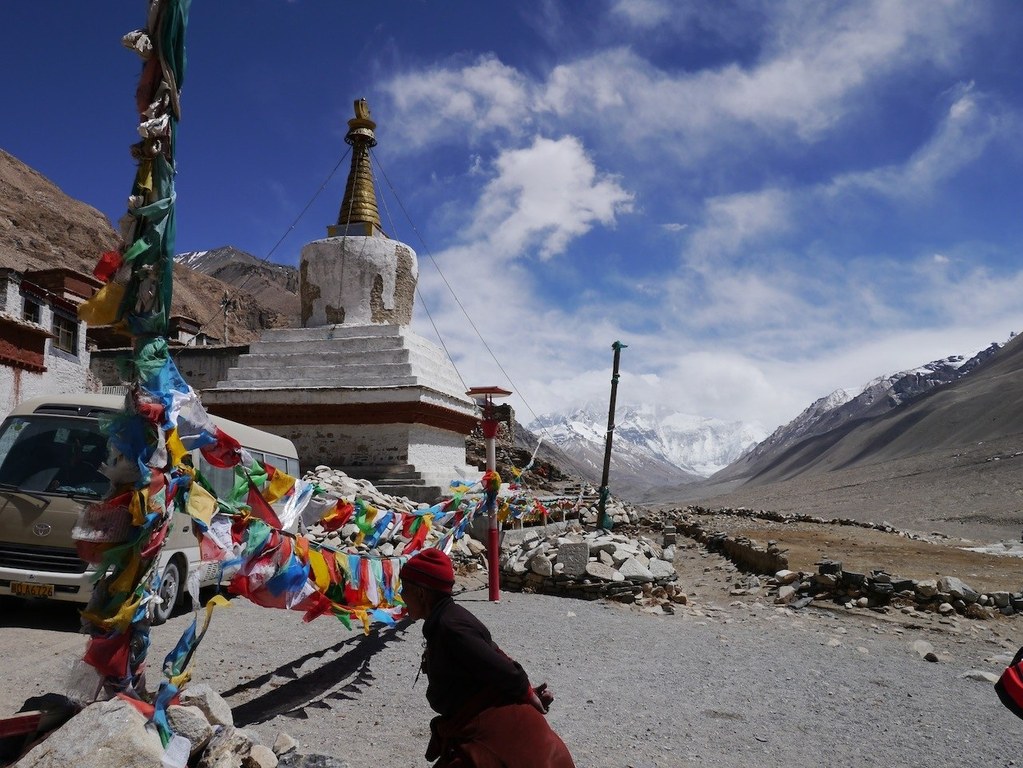
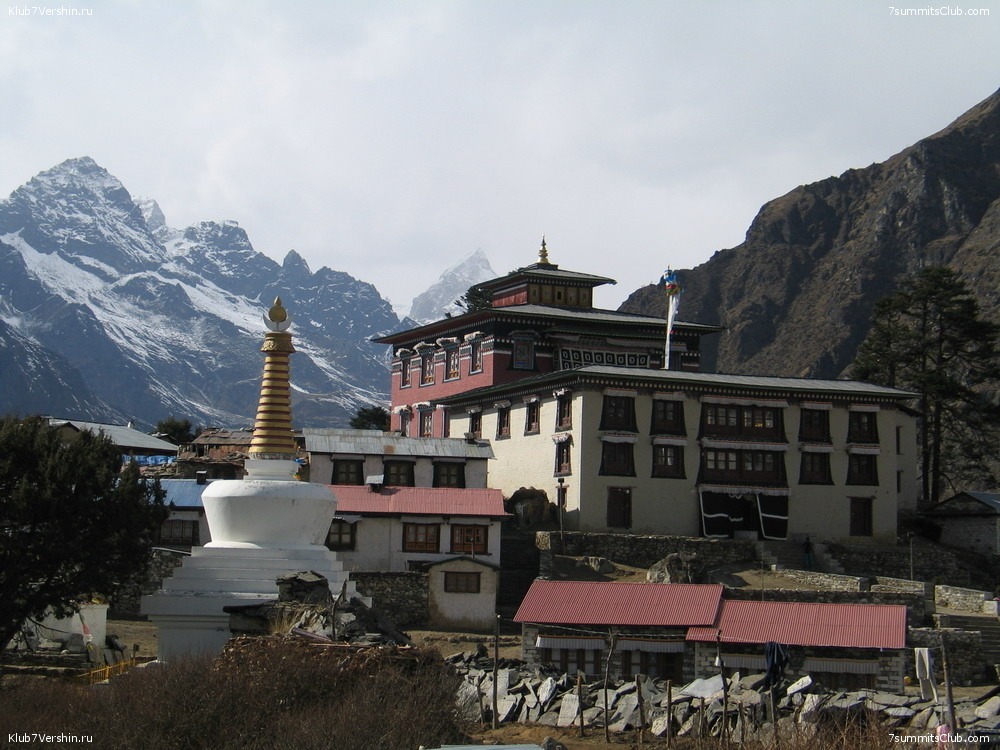
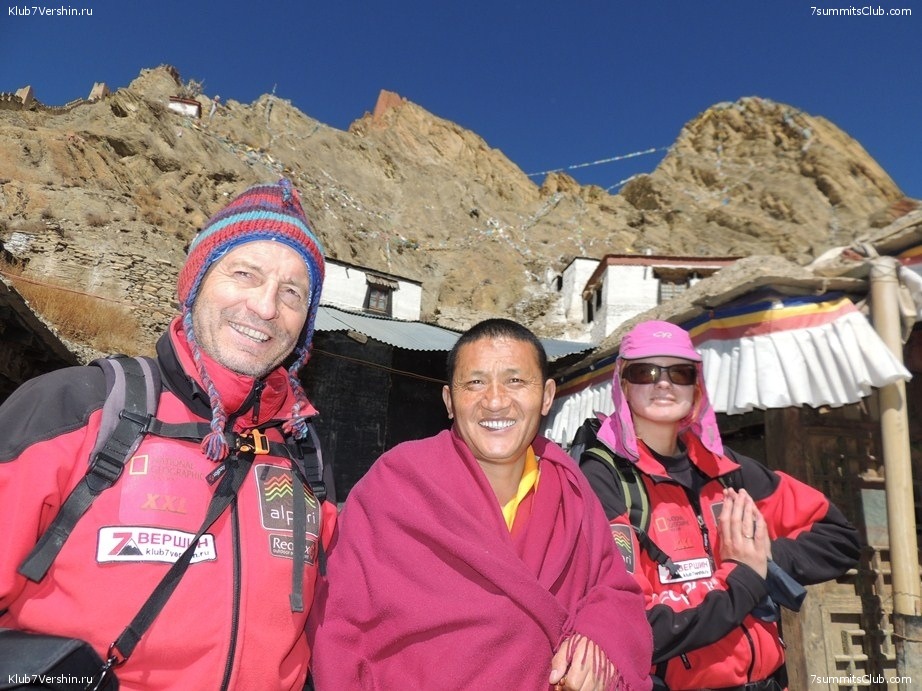
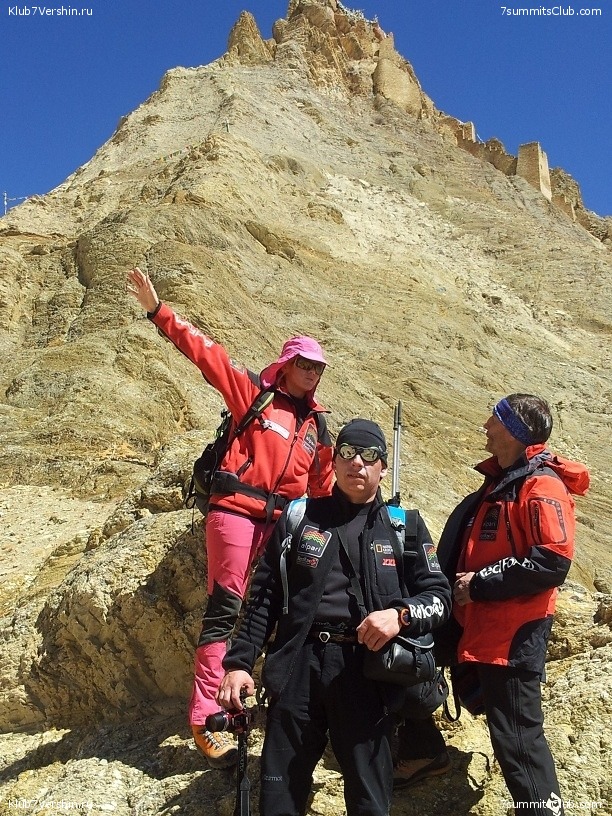
First, we made the first serious acclimatization climb. Hooray! Shegar Dzong was climbed to the top (4800 m). This mountain name is translated as Fortress Xegar and it is very unusual. At its base there is an ancient Buddhist monastery school gelukpa - Xegar. And on the top we met a stupa and prayer flags. The last few tens of meters to go the top led by a very steep scree slope. And from the top we have a stunning view of the Himalayan mountain range and on ...
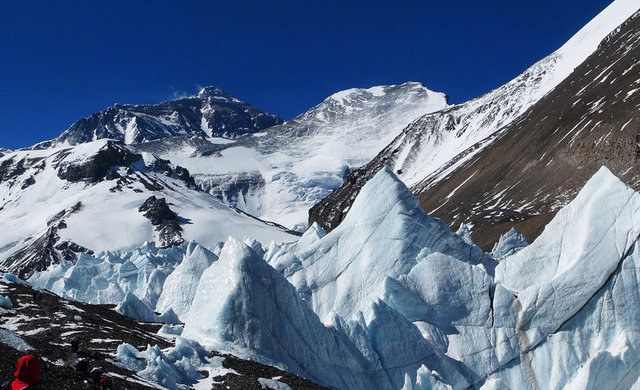
Yes, yes - this is the second "first" ... we saw Mount Everest. The majestic pyramid with a huge white flag. Probably a strong wind blows the snow off the slopes.
We hope that to the time of our climb the storm will be over.
Tomorrow we go to the base camp of Everest. That is, tomorrow we'll spend the night in 5100. With headaches of course, what would be a good for acclimatization.
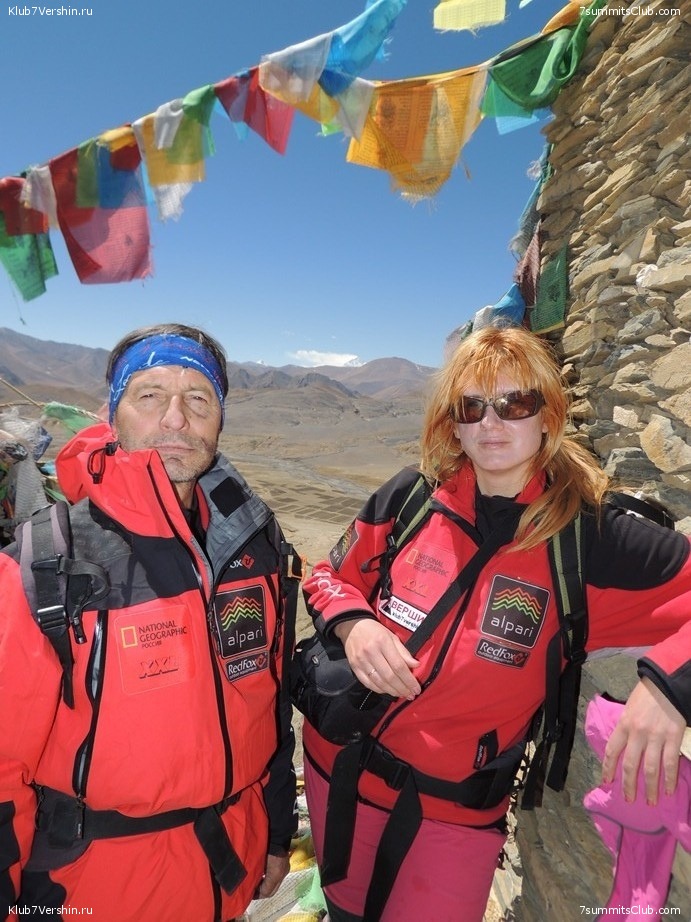

Our expedition passed through Shigatse to Xegar
Everest.
The Everest expedition 7 Summits Club Everest meets the Easter holidays in the heart of Tibet. We spent a day in the city of Shigatse (3900m). It was very successful day. Nice sunny weather favored sightseeing tour, acclimatization, food ...
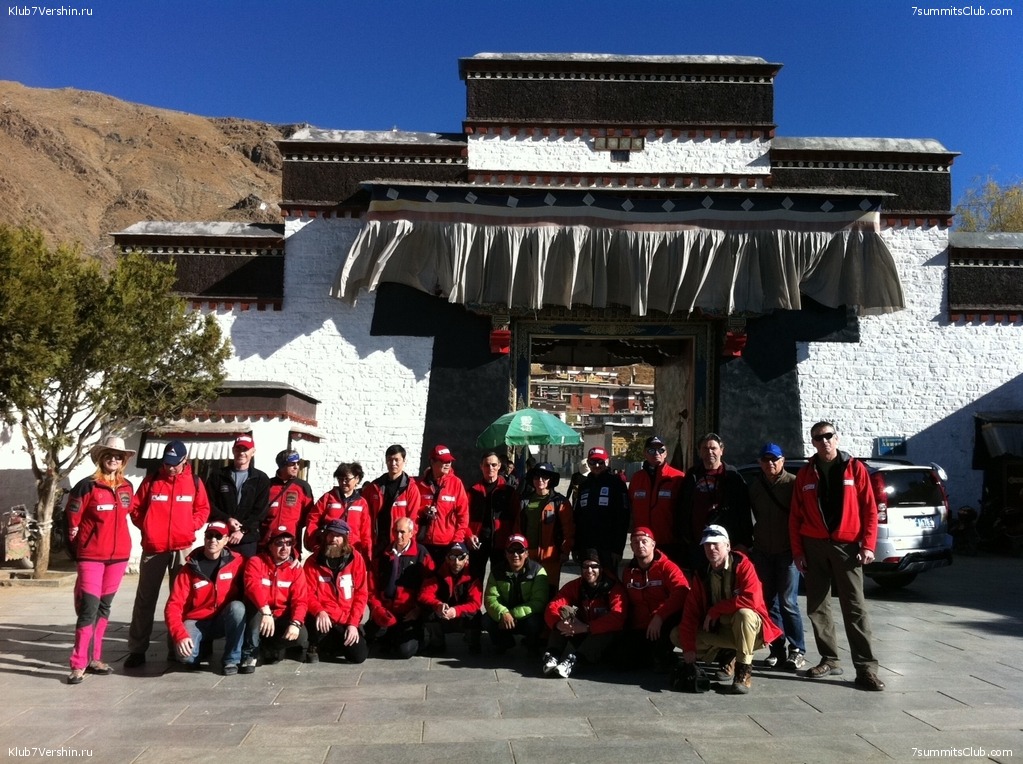
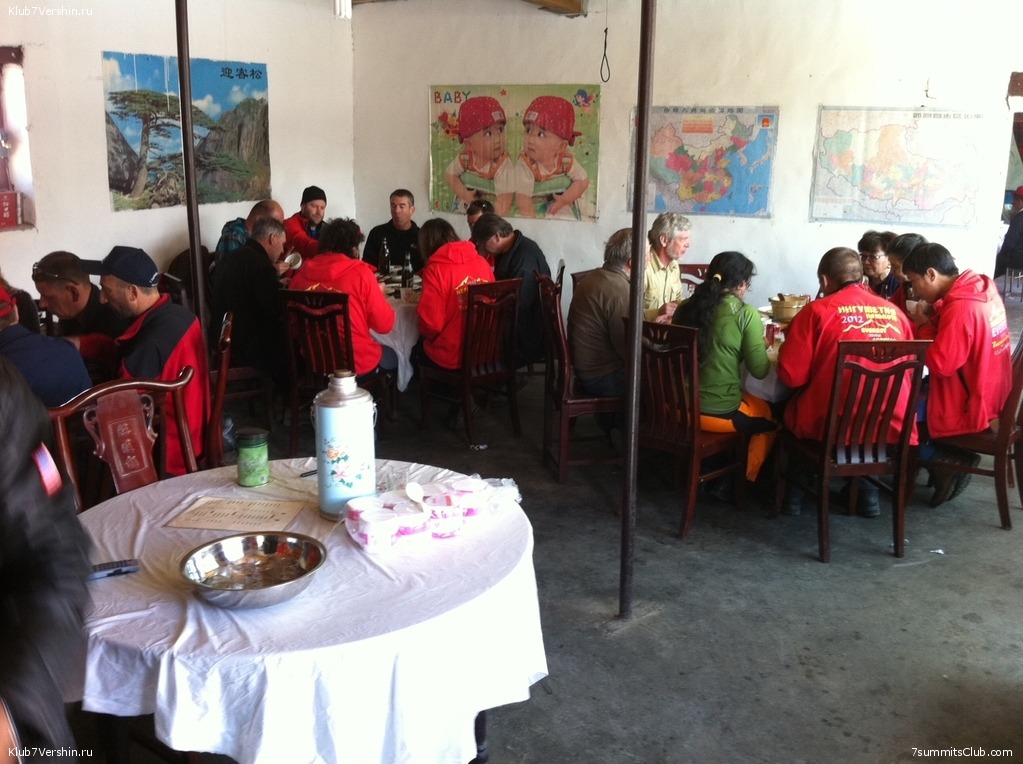
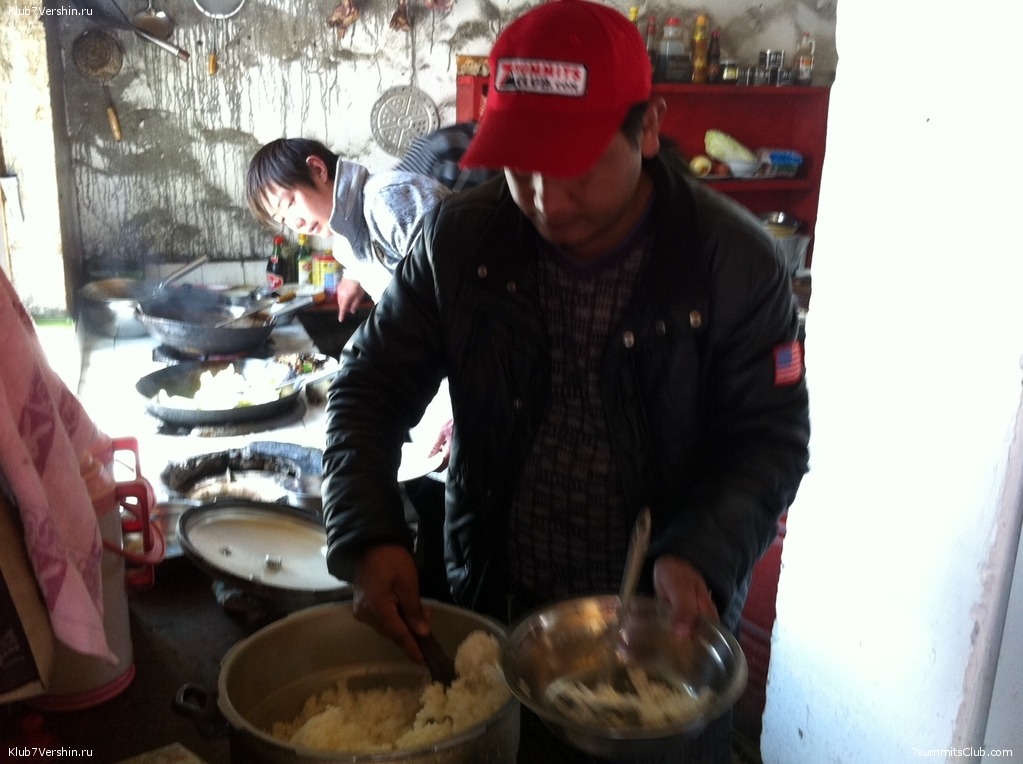
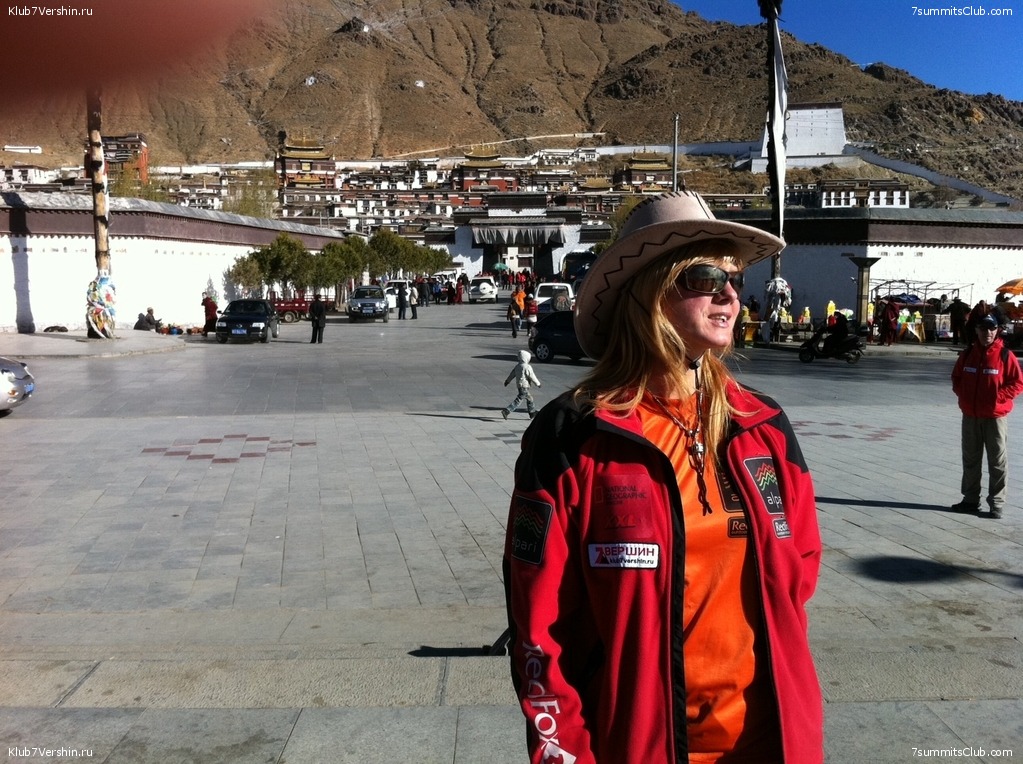
The Everest expedition 7 Summits Club Everest meets the Easter holidays in the heart of Tibet. We spent a day in the city of Shigatse (3900m). It was very successful day. Nice sunny weather favored sightseeing tour, acclimatization, food intake and religious reflection on the eve of Easter. Next stop is Xegar (4200m).


Happy Day in Lhasa
Everest.
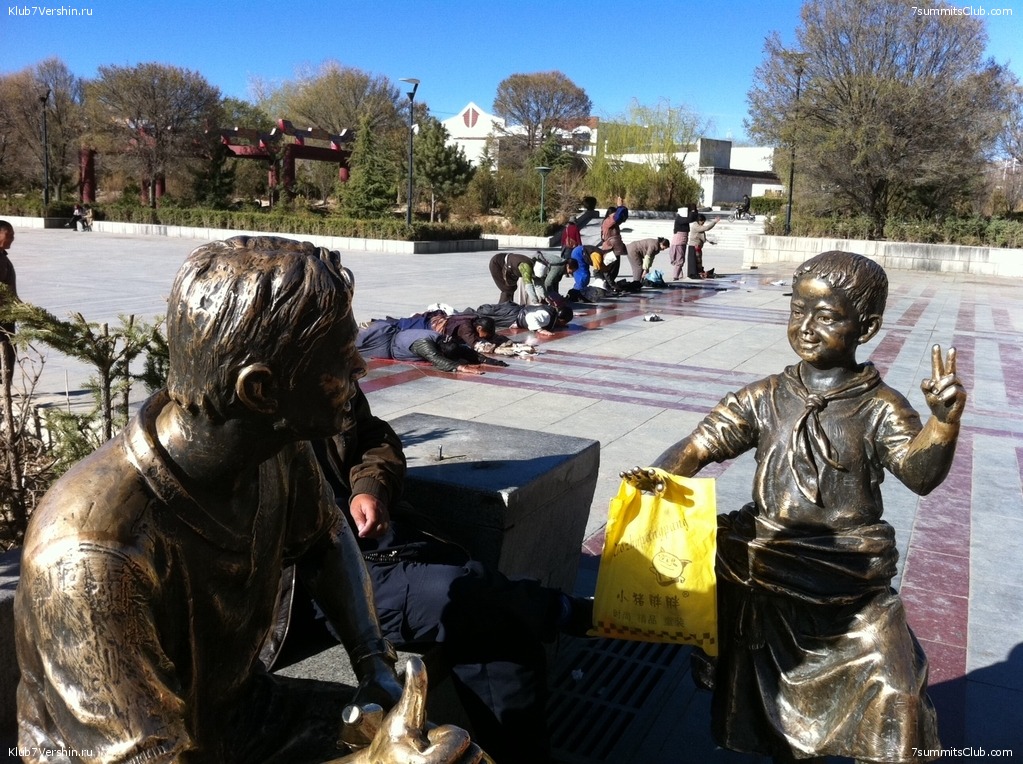
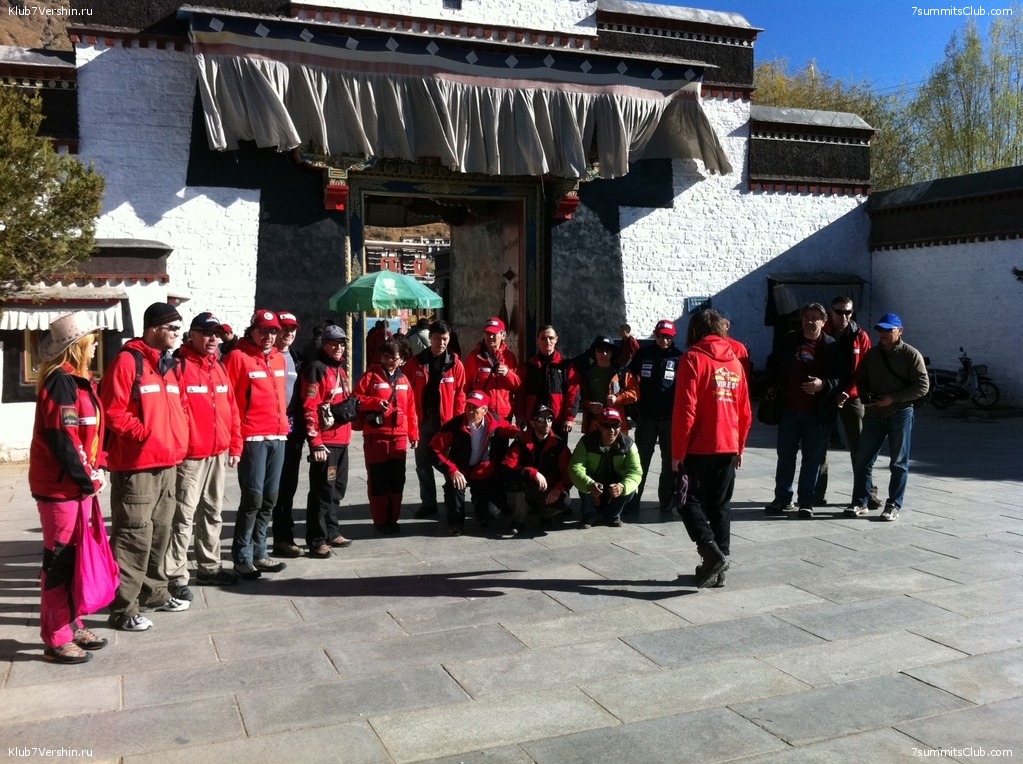
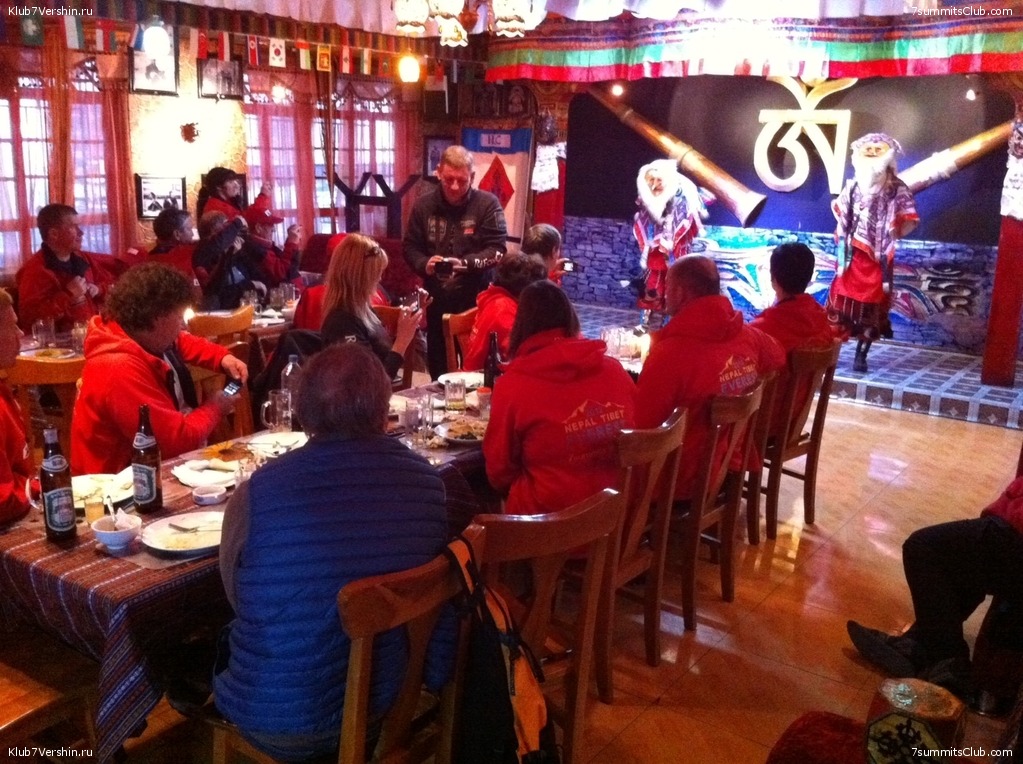
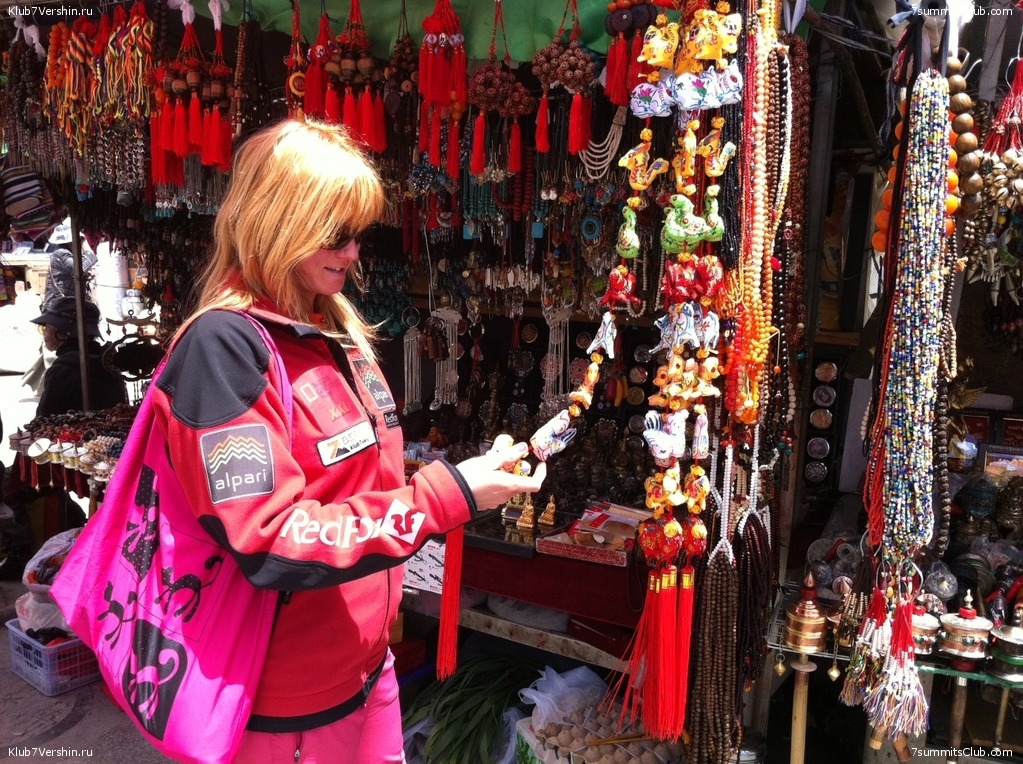
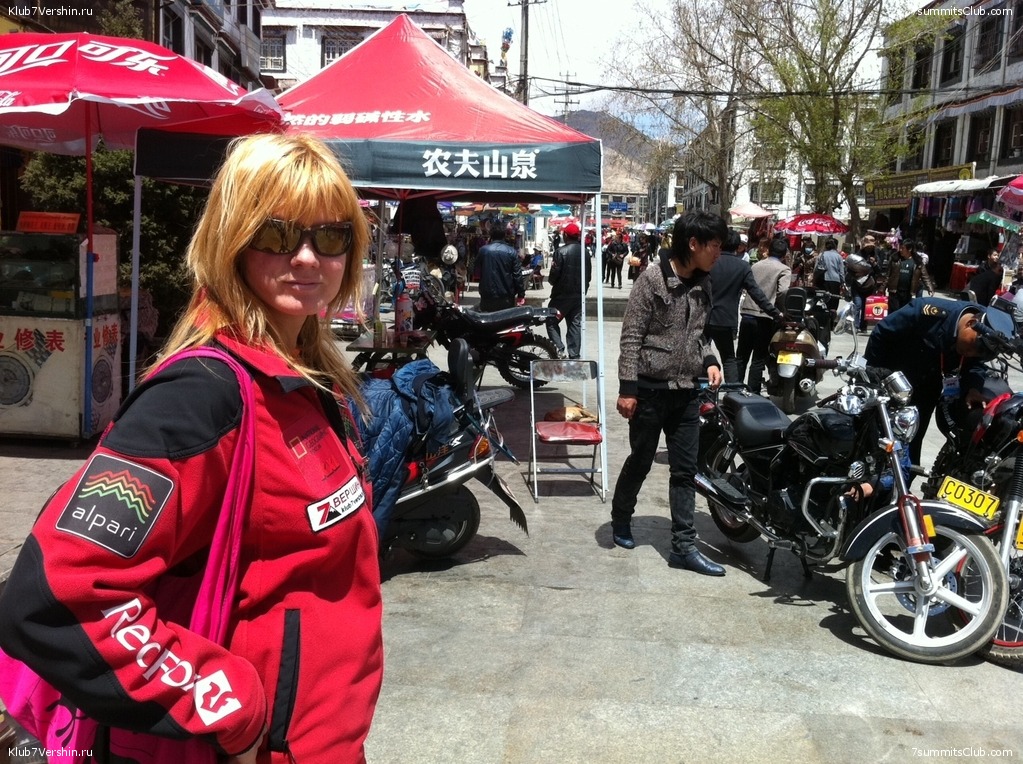
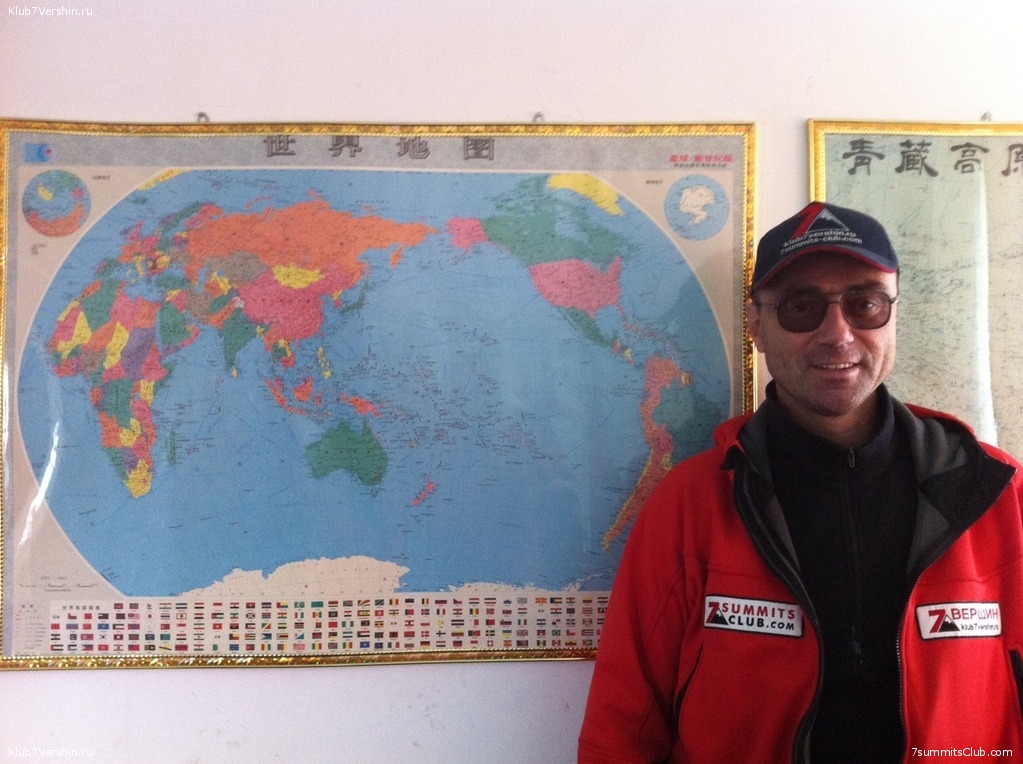
Today the Everest team of the 7 Summits Club visited the Potala, the former palace of the Dalai Lama. All members were delighted. We note a good attitude, hospitality of Tibetans.Everything in this country seems unusual. Even the World Map ...
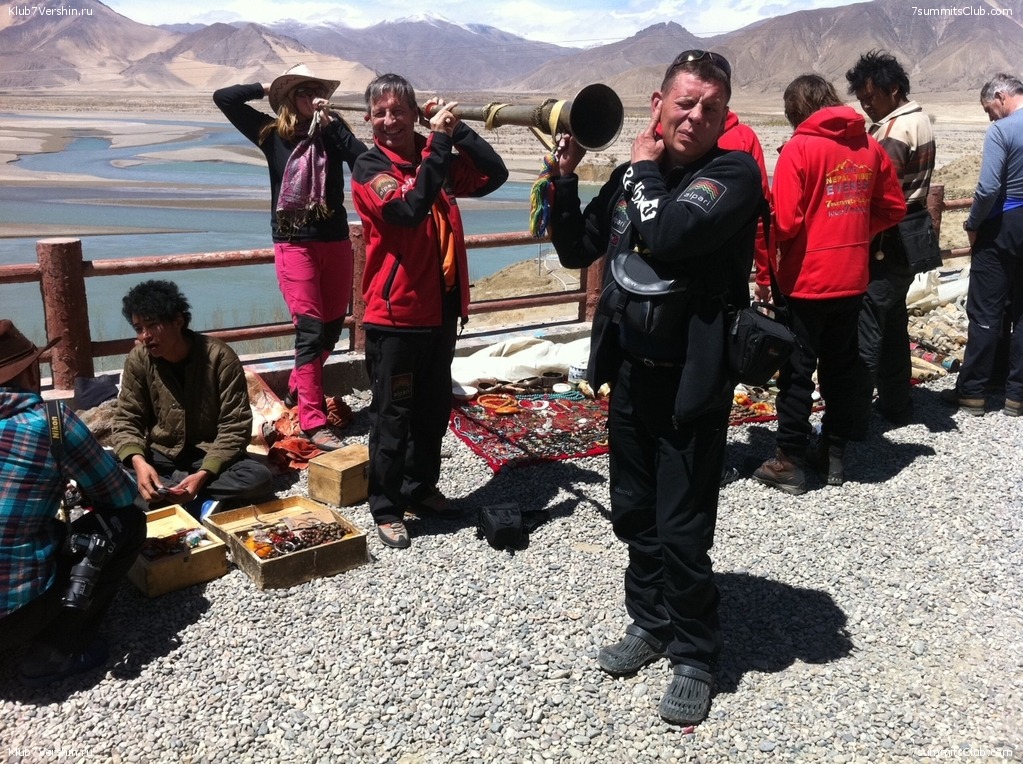
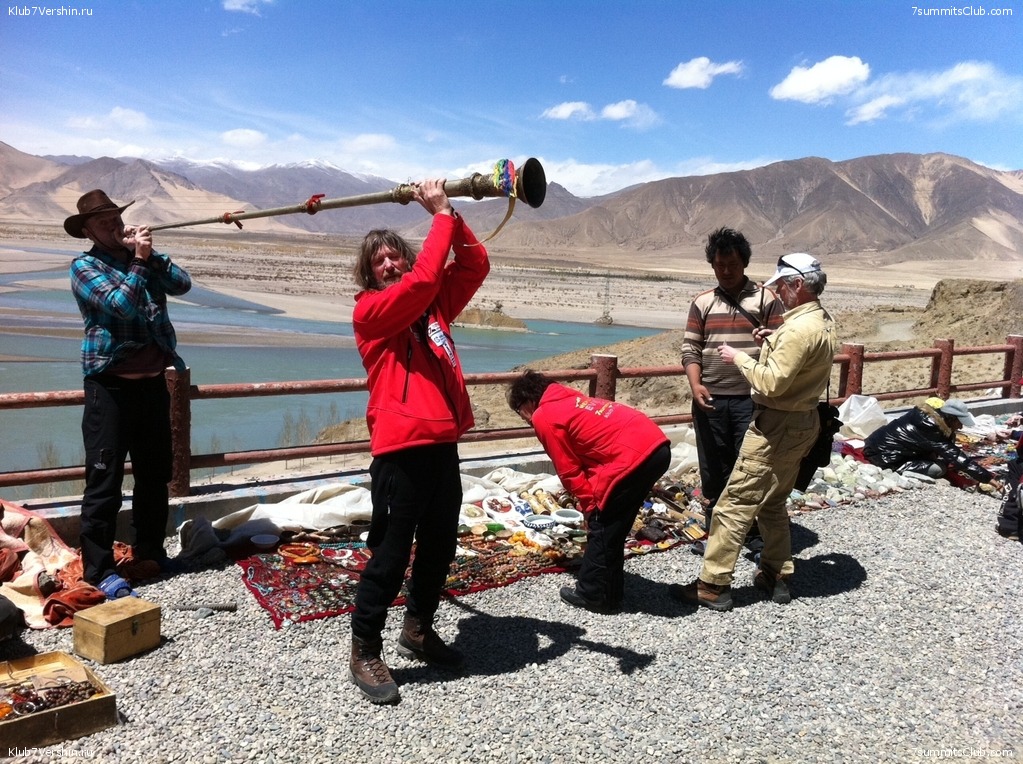
Today the Everest team of the 7 Summits Club visited the Potala, the former palace of the Dalai Lama. All members were delighted. We note a good attitude, hospitality of Tibetans.Everything in this country seems unusual. Even the World Map they have unusual ....
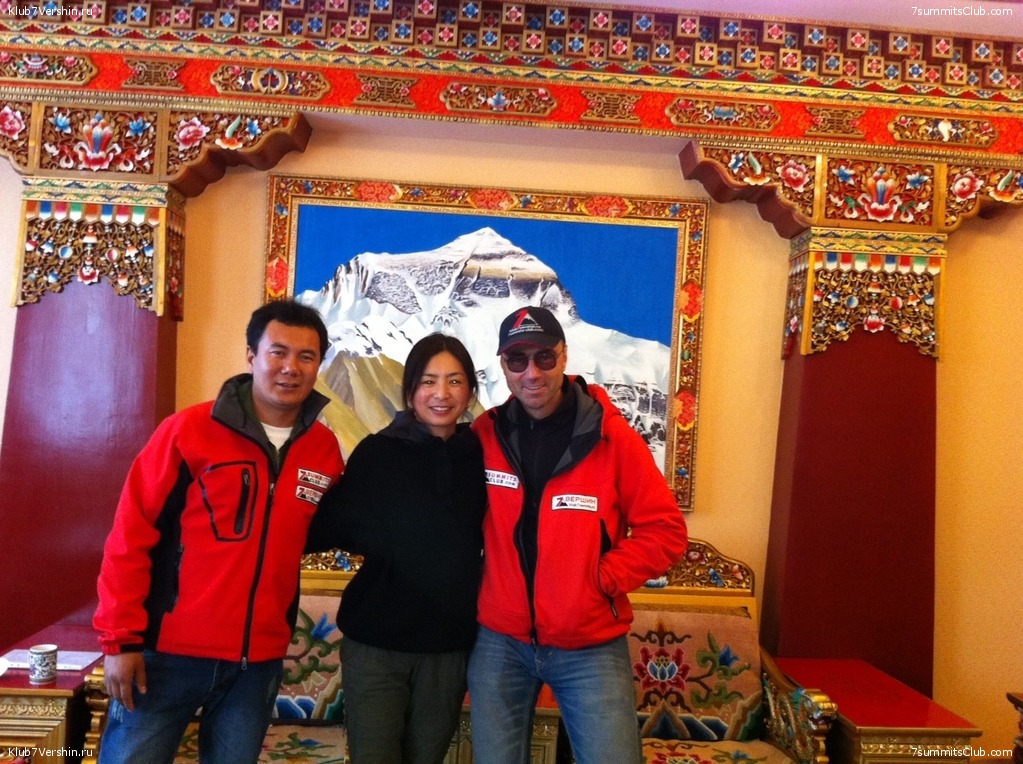
Alex Abramov and Mingma (Director 7 Summits Adventures) visited the STMA - Tibet Climbers Alliance, which organizes our Everest expedition. We met with the chairman of the STMA Mr. Chang. And the manager, whose name is Tsedron. The meeting was held in a friendly atmosphere.


Arrival in Kathmandu
Everest.
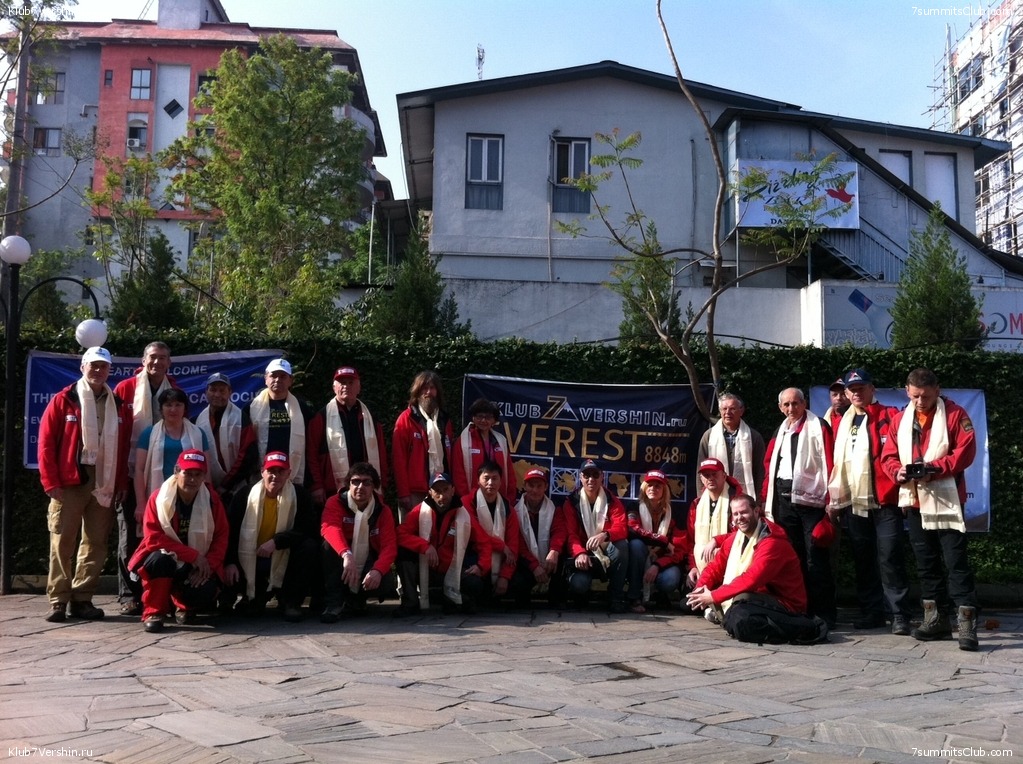
On April 10, after a sleepless night, our team finally landed in Kathmandu, the capital of Nepal. Our layover in Delhi turned into a battle with the representatives from Jet Air, who, after rummaging through our luggage, decided that we ...
On April 10, after a sleepless night, our team finally landed in Kathmandu, the capital of Nepal. Our layover in Delhi turned into a battle with the representatives from Jet Air, who, after rummaging through our luggage, decided that we were carrying dangerous cargo and told us that they couldn’t take our equipment any further. We told them about our expedition to Everest and explained how important that hardware is to us.
We finally got them to come around, but only after giving them our autographs and a couple of Alpari t-shirts (and showing their managers the site).
When we got into Kathmandu, we were met with a flurry of commotion, rickshaws and rain.
This evening we are going to unwind with a nice dinner. Tomorrow we’ll pack up our things. On April 12, we fly out to Lhasa, Tibet.
-Lyudmila Korobeshko
Five minutes after we got the message from our captain, Maxim called to describe the team’s emotional state. Not everything he told us is suitable for print, so we’ll leave you with a few choice excerpts: “unpleasant”, “over weight”, “couldn’t get any sleep”, “Dusharin has gingivitis”.
We hope a decent meal will help cheer you guys up.


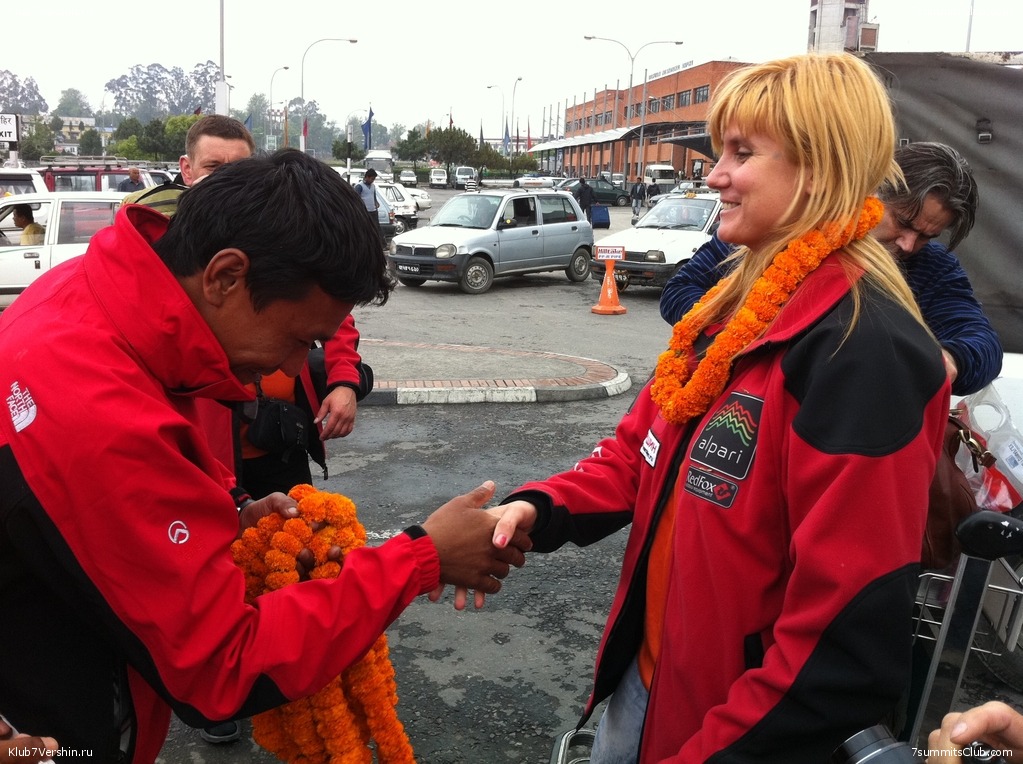
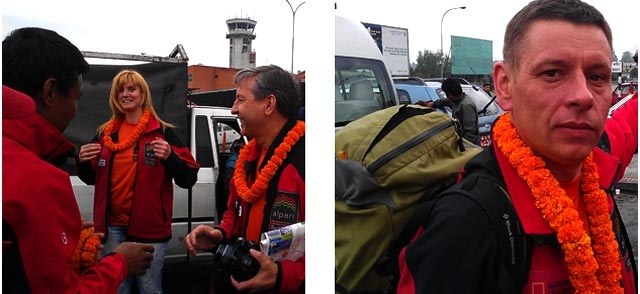
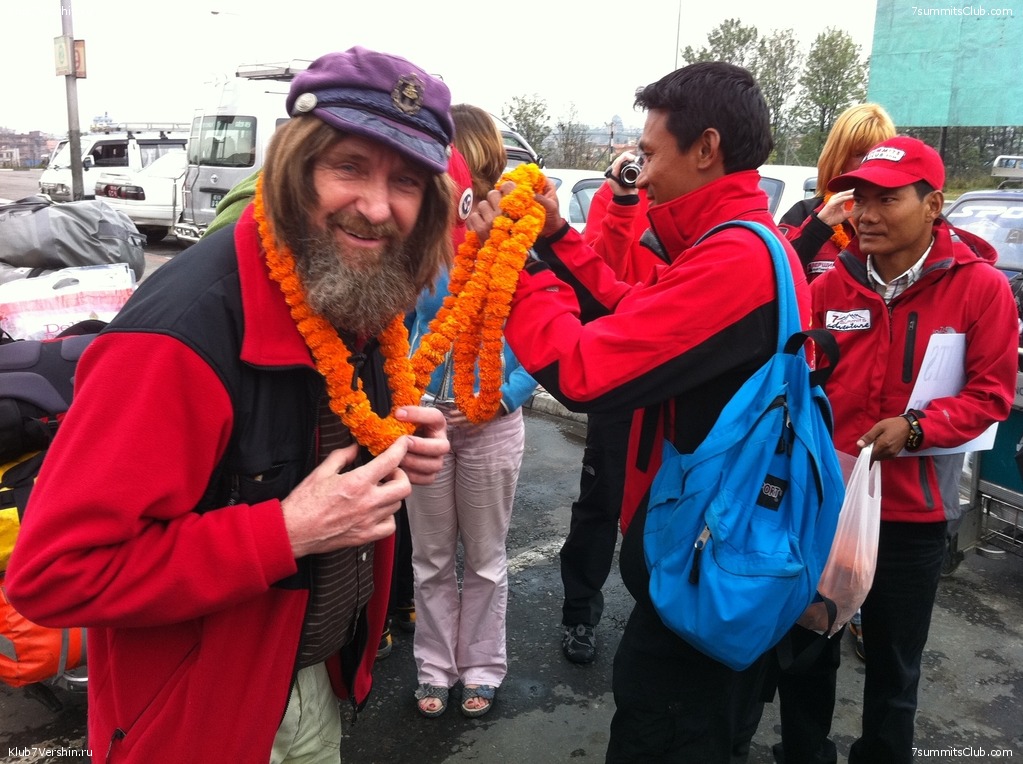
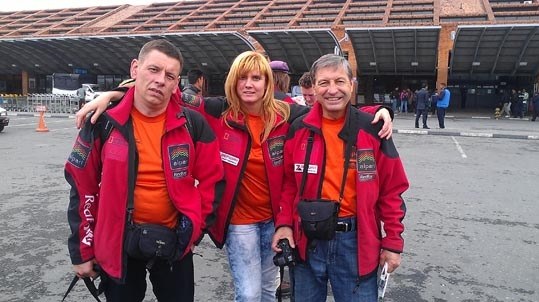
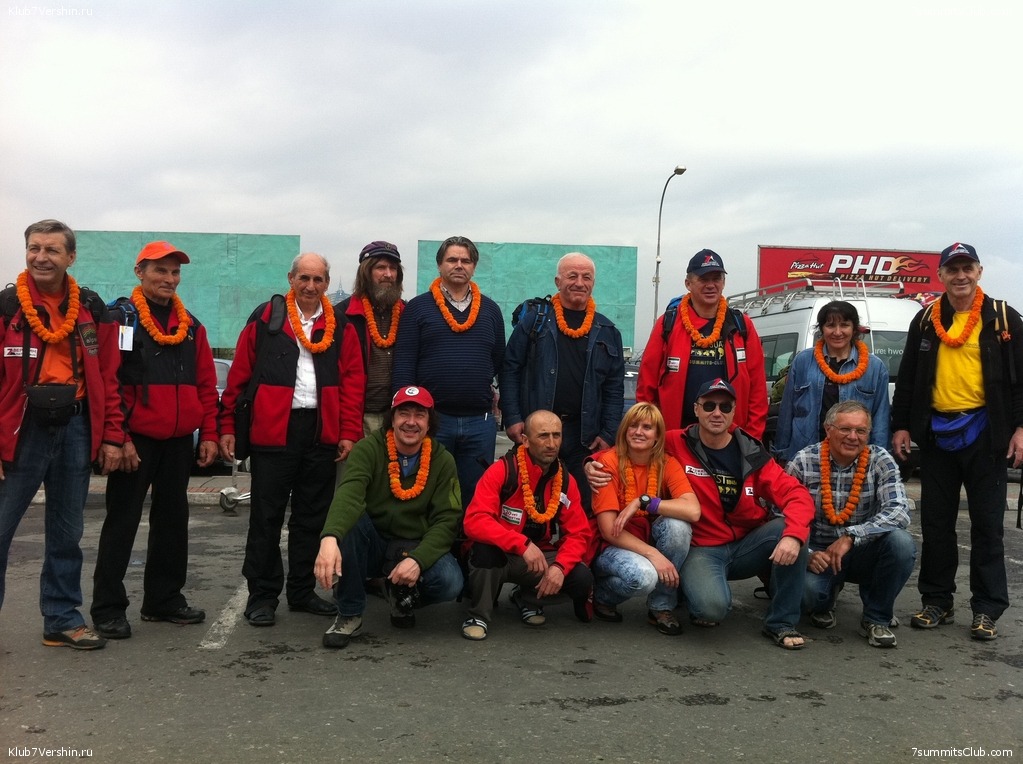
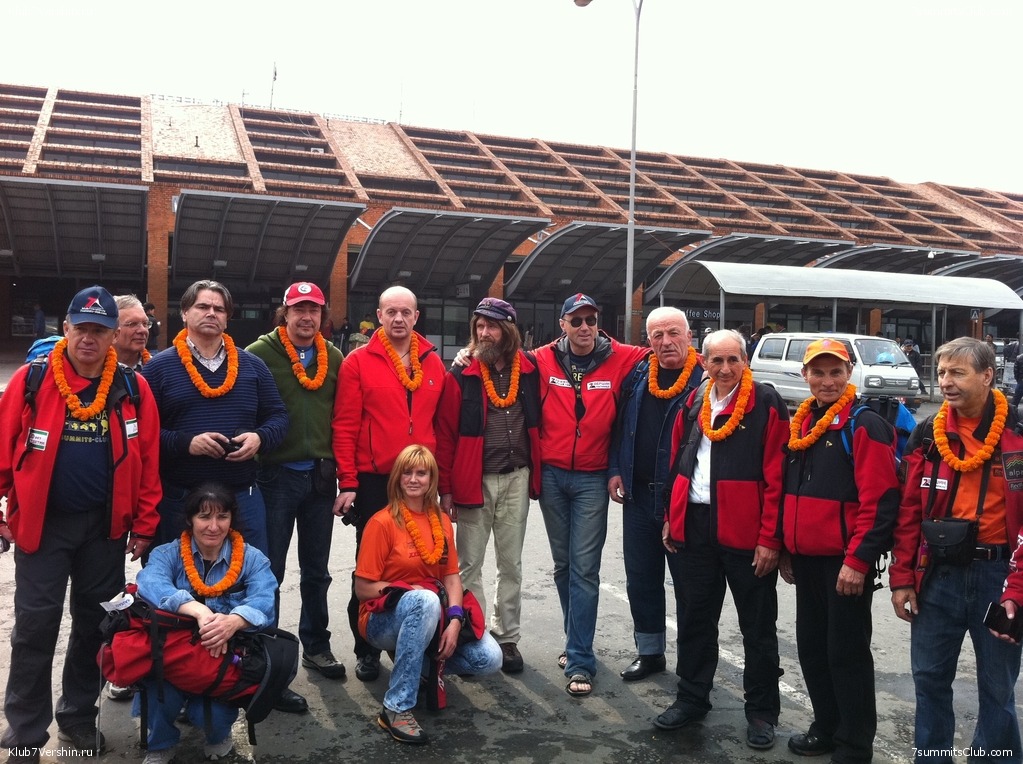
Start the 10th (anniversary) Everest expedition of the 7 Summits Club
Tonight most of the 7 Summits Club expedition members took off from rainy Moscow in the direction of Nepal. According to the plan, tomorrow they should be solemnly met at the airport in Kathmandu. And on the 12th April we have tickets to ...
Tonight most of the 7 Summits Club expedition members took off from rainy Moscow in the direction of Nepal. According to the plan, tomorrow they should be solemnly met at the airport in Kathmandu. And on the 12th April we have tickets to the capital city of Tibet Lhasa. From there it begins the path to the base camp of Mount Everest on motor vehicles. The first group of Sherpas from our expedition had already gone to arrange the base camp.
Guides and members of the expedition:
Permit Everest:
Guides (4):
Expedition leader Alexander Abramov (48), Sergey Bogomolov (61), Noel Hanna (Ireland, 45), guide and doctor Sergei Larin (51).
Members (16):
Visa Yusupov (60), Leila Albogachieva (42), Aznor Khadzhiev (40), Vladimir Korenkov (56), Magomed Aushev (59) Musa Hadziev (57) - a team of Ingushetia.
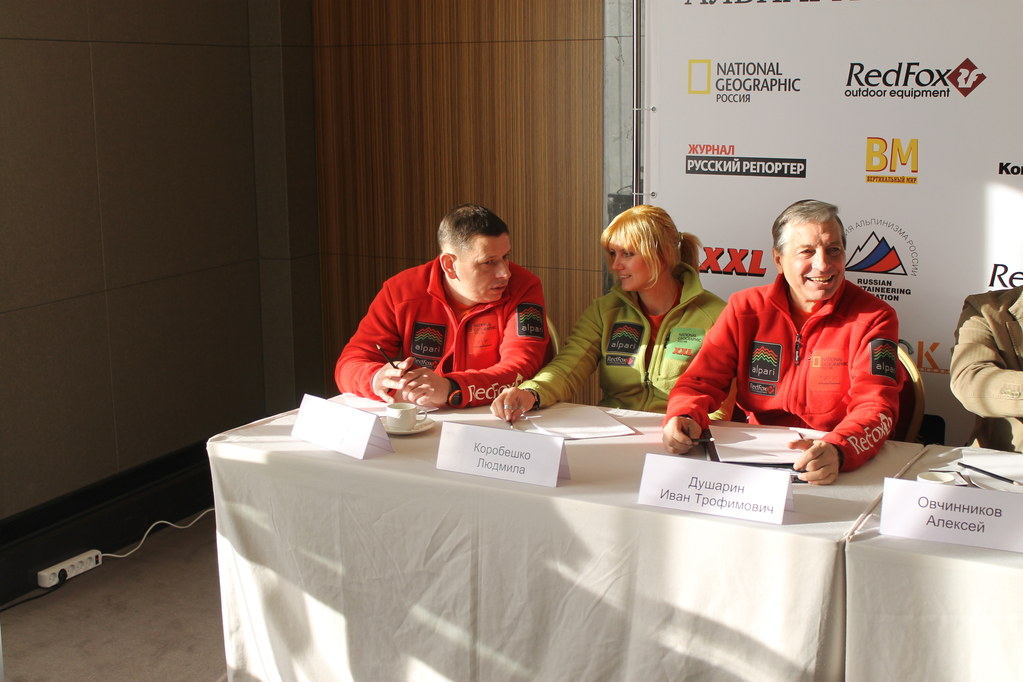
Ludmila Korobeshko (37), Ivan Dusharin (64), Maxim Shakirov (44) - Team "Alpari on the tops of the world."
Berdychowski Zygmunt Wladyslaw (Poland, 51), Schneider Nathaniel Raymond (U.S. 33), Pratt III Joseph Hyde (U.S. 56)
Igor Kadochin (42), Cyrille Muraviev (40), Fyodor Konyukhov (60), Vladimir Zaitsev (58).
Permit Changse (North Peak of Mount Everest) - 2.
Semen Deyak (50), Sergei Schekoldin (56).
Trekking Permit - 3.
Marian Surunchap (50), Machuca Tomochkanov (37), Maadyr-ool Khovalyg (64) – Tuva Republic Team

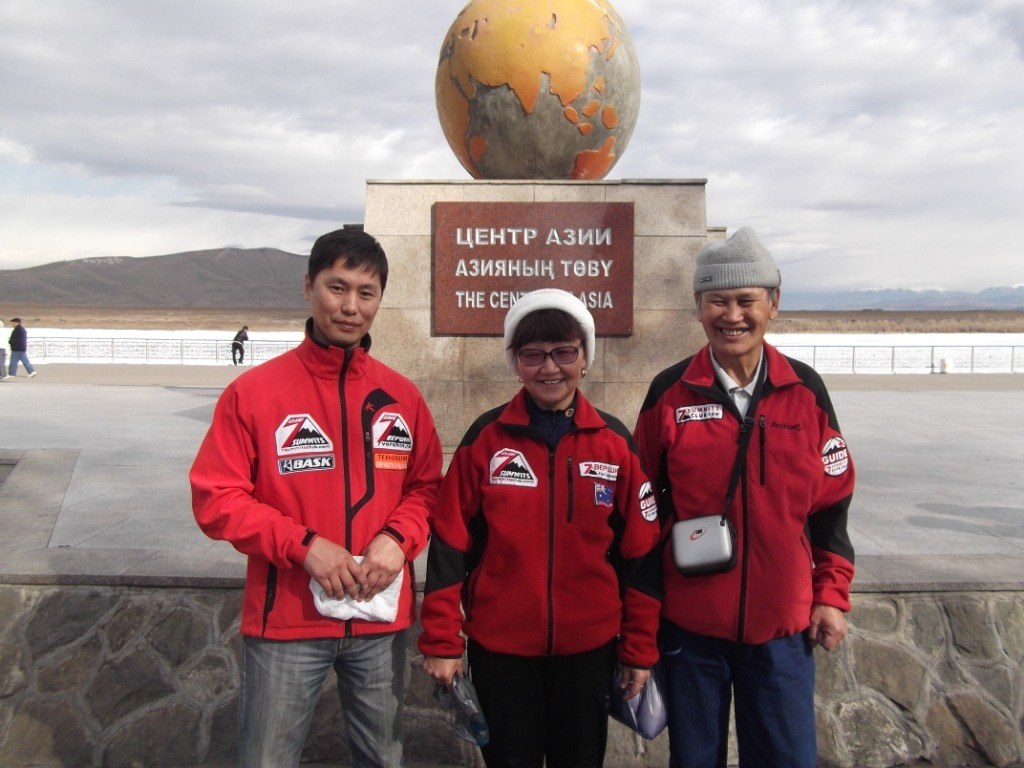
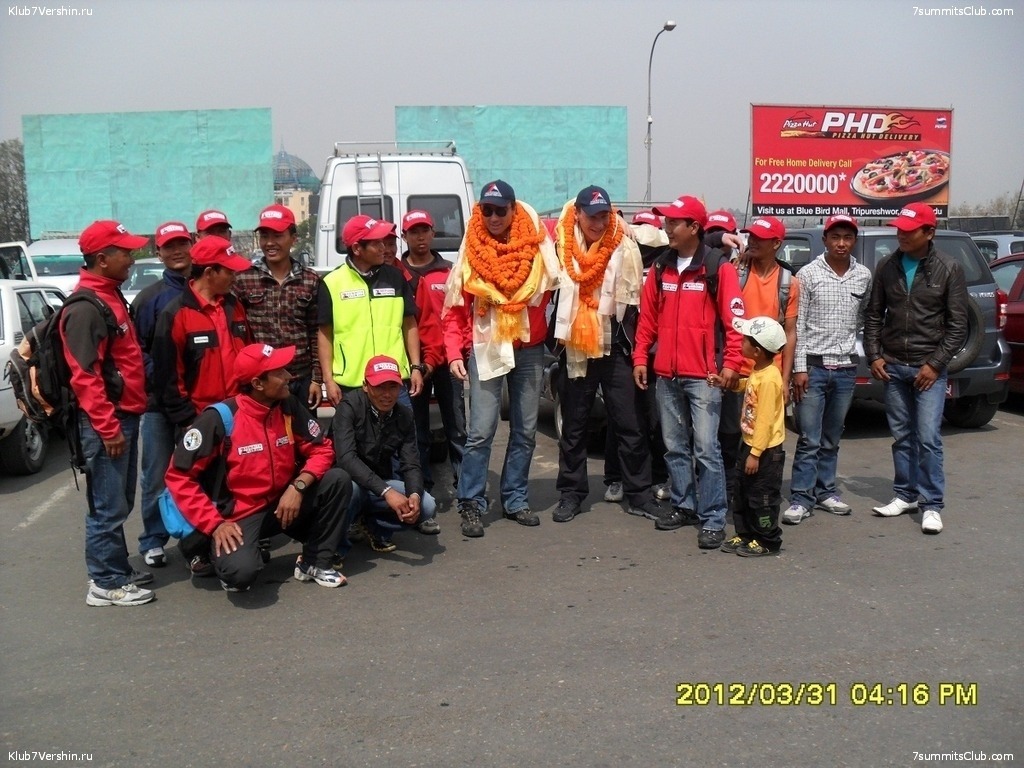
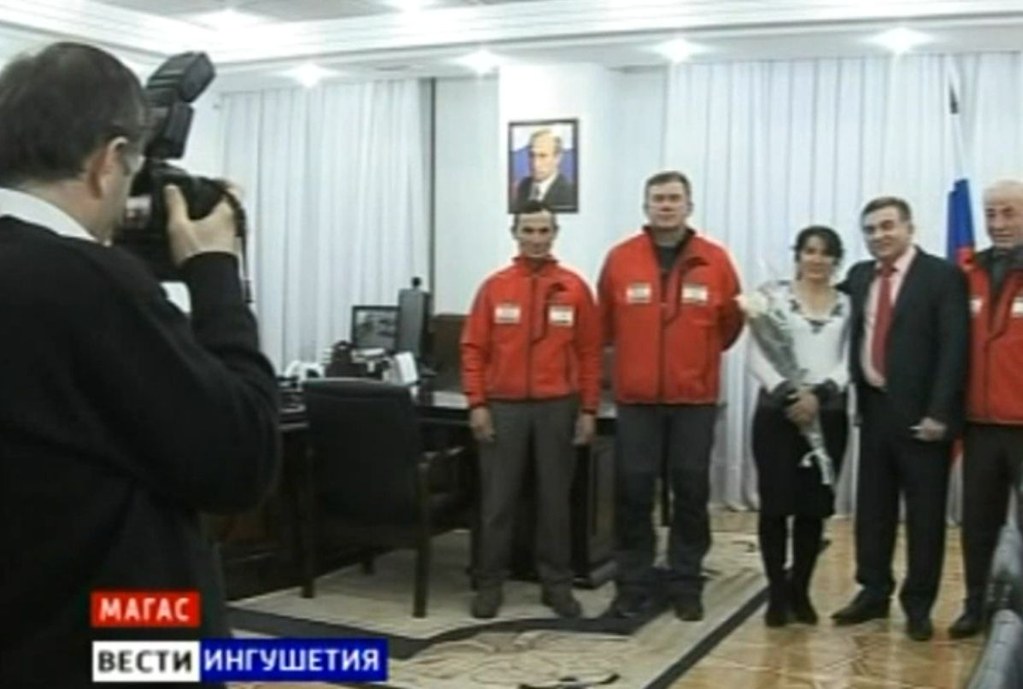
Alex Abramov from Katmandu
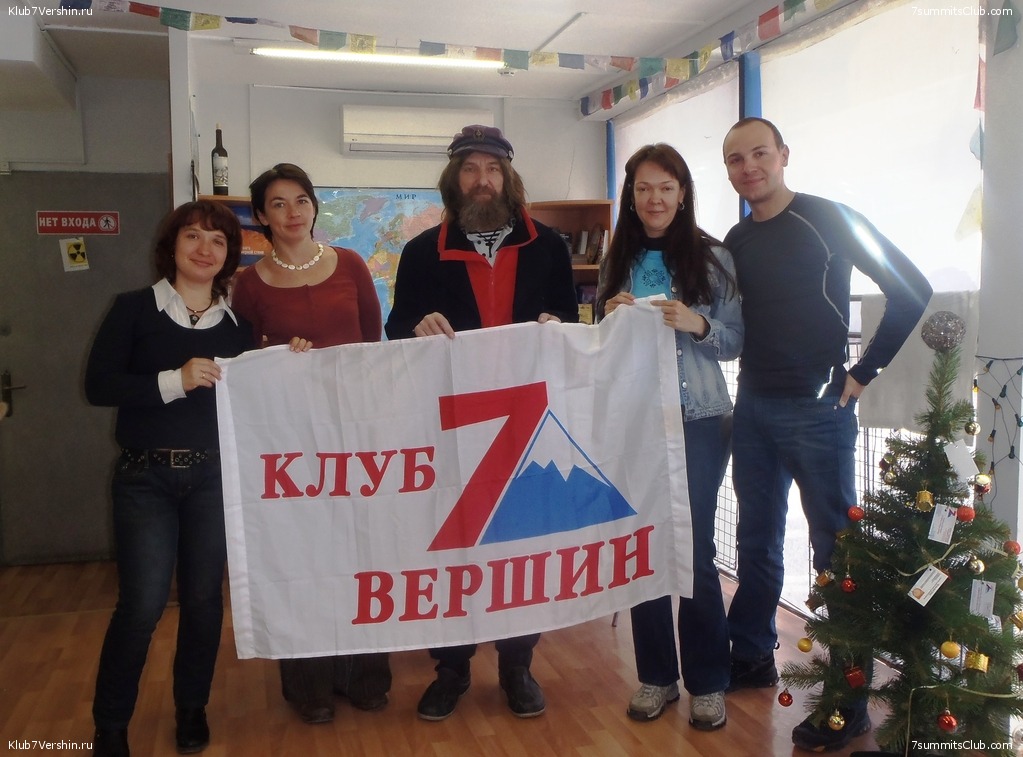
Hello! Alexander Abramov from Kathmandu, Expedition Everest - 2012. Today, Sergei Larin was due to arrive, but his flight was detained. He is still in Delhi. Yesterday 20 of our Sherpas had already left to the base camp. They will establish ...
Hello! Alexander Abramov from Kathmandu, Expedition Everest - 2012. Today, Sergei Larin was due to arrive, but his flight was detained. He is still in Delhi. Yesterday 20 of our Sherpas had already left to the base camp. They will establish a base camp. And with them went our guide Noelle Hannah. Tomorrow the first members of the expedition began to arrive. This two Americans, Nathan Schneider and Jozeff Pratt ... And the next day all of our expedition arrives. It's about 25 people, all gathered in Kathmandu. The 12th we all fly to Lhasa, and from there to the base camp. Good-bye! We are all well.
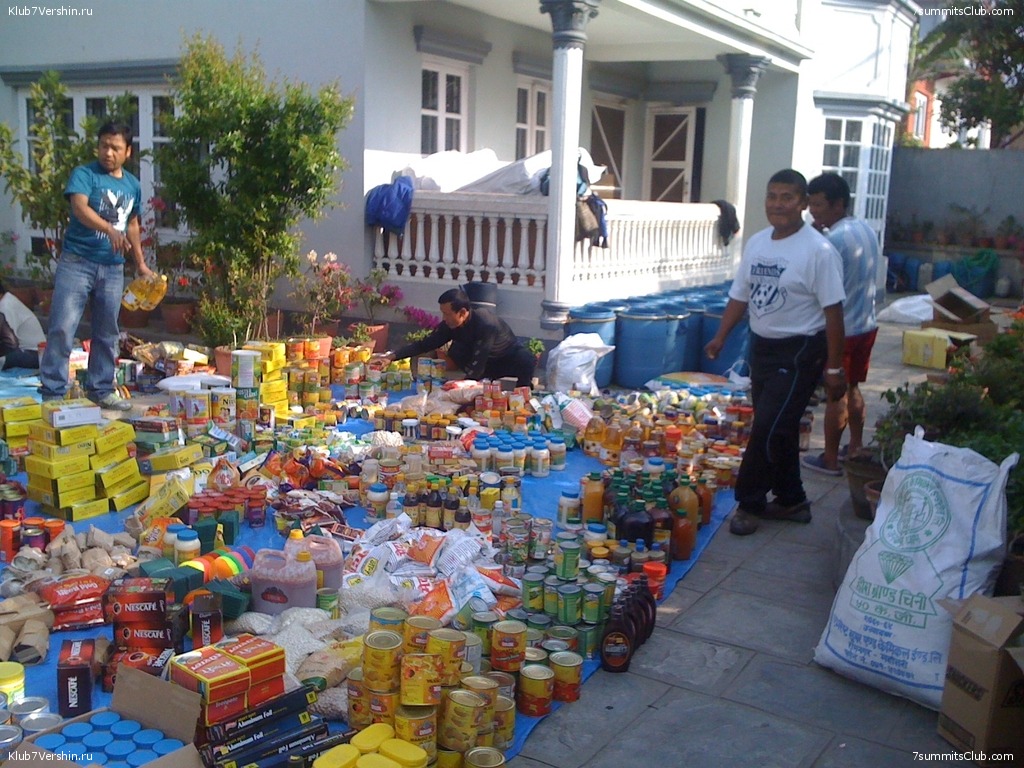
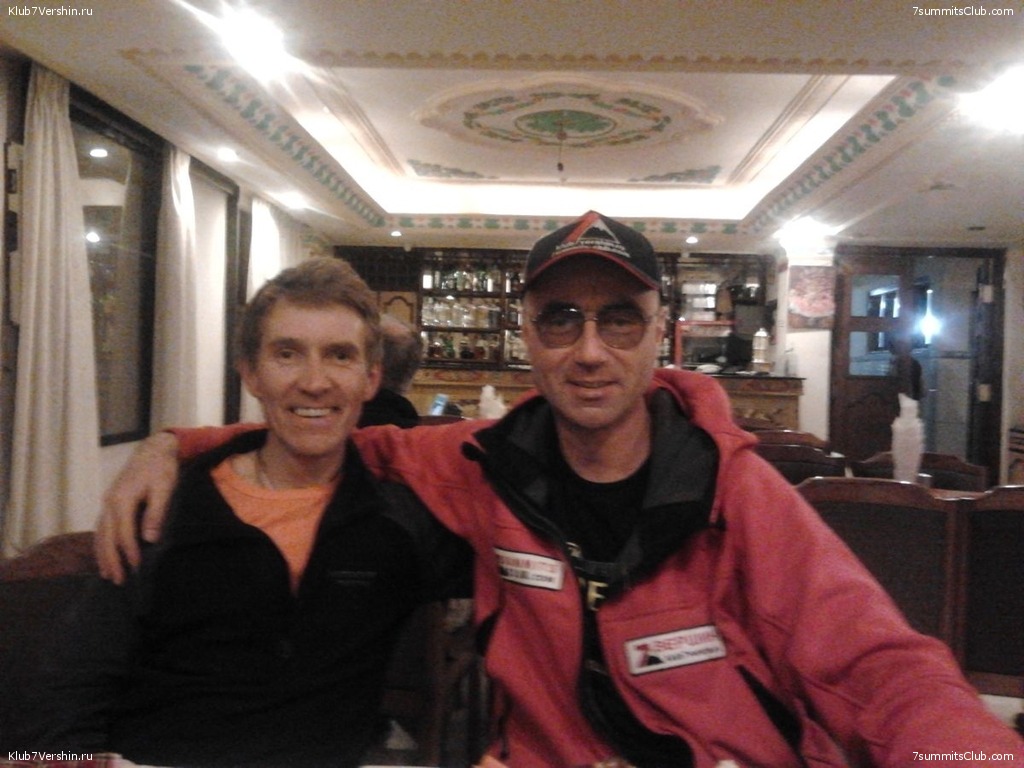
With Valery Babanov


Den Saveliev from the route to Mera Peak
We are at Khare at a height of 5000 meters, the weather is again, bad. Tomorrow the plan is one more part and then we come to the camp. Everybody feels fine. Yesterday we saw coming down the British. They have not reached the ...
We are at Khare at a height of 5000 meters, the weather is again, bad. Tomorrow the plan is one more part and then we come to the camp. Everybody feels fine. Yesterday we saw coming down the British. They have not reached the summit, said that met a kind of opened crevasse, which did not exist before. And they could not get around it ... Now we sit and think what to do next. Probably, we will take an aluminum ladder there.
Everest pioneer's Olympic medal heads to summit
Everest.
UKclimber Kenton Cool will fulfil vow to take medic ArthurWakefield's Olympic medal toHimalayas90 years after tragic prior expedition Peter Beaumont. The Observer, Sunday 1 April 2012 British mountaineer Kenton Cool was ...
UKclimber Kenton Cool will fulfil vow to take medic ArthurWakefield's Olympic medal toHimalayas90 years after tragic prior expedition
Peter Beaumont. The Observer, Sunday 1 April 2012
British mountaineer Kenton Cool was sitting in the check-in lounge at Gatwick airport last Thursday with a locked waterproof box that, if all goes according to plan, will not leave his side until he reaches Everest's summit for a 10th time this spring.
The box contains the Olympic medal awarded to Arthur Wakefield, a medic on the unsuccessful 1922 Everest expedition that ended in tragedy when an avalanche killed seven porters.

If Cool succeeds in climbing the world's highest mountain again, he will have honoured a pledge by Lieutenant Colonel Edward Lisle Strutt, deputy leader of the pioneering 1922 expedition, made to Baron Pierre de Coubertin, who awarded the climbers medals at the 1924 Winter Olympics in Chamonix. Strutt promised to return to Everest and take a medal to the summit, something he never managed.
The attraction of Everest to Cool remains undimmed even if he is ambivalent about aspects of its commercialisation. A professional mountain guide who has climbed Everest more times than any otherUKclimber, Cool was also the first Briton to ski down an 8,000m peak.
"I still really like Everest. I enjoy working with my Sherpa friends. I get to see people at base camp – friends like American climbers who I never see except there. It feels a bit like escapism."
Cool is pragmatic, too. The high prices paid by clients to climb on Everest and the media attention that surrounds every Everest season has allowed him the freedom to be more selective about what he does in his own climbing and what guiding he does in a gruelling profession.
"When I first met my wife Jazz a few years ago she was clever about it and asked me where I saw myself in five, 10 years. I said I wanted to be climbing. When we got to 20 years, she said: 'You'll be crippled by then [by the punishing strain of guiding].'"
In some respects it is remarkable that Cool has done as much as he has. In 1996, he suffered a serious accident in Snowdonia, shattering the bones in his heels and damaging his ankles, which forced him to take a year out of the sport. He still has metal in his limbs, finds running difficult and struggles, he says, with an awkward gait. Despite that he will run one of the relays with the Olympic torch inLondonon 23 July.
After his recovery, Cool was recruited as an Everest lead guide after an ascent of a new route on Annapurna III – which saw his team nominated for the Piolet d'Or mountaineering award.
In an interview last year he recalled reaching the world's highest point for the first time. "The first client was just behind me, so I had five minutes at the top to savour the moment. It was a great sunny day so I sat there trying to pick out all the other nearby mountains. It was a mind-blowing moment."
This year he will be climbing only with a cameraman to record the ascent with the Olympic medal. "I didn't guide during my ascent last year either. I went up to prove that you could make a 3G call from the summit. With no clients it felt very free. I did the whole round trip in 23 days. It was wonderful."
As well as Everest, Cool has guided the polar explorer Sir Ranulph Fiennes up the north face of the Eiger.
What has been less easy, he admits, has been taking leave of his wife Jazz and 22-month-old daughter Saffron. "That was very difficult. I think for the wives and girlfriends who stay behind it is much harder. When you are on the mountain you have to be on top of your game to make sure that no one gets injured."
Two years ago, one of his clients, Bonita Norris, 22, fell close to the summit and lost the feeling in her legs, necessitating a gruelling rescue.
He is not sure he is finished with Everest yet. Next year marks the 60th anniversary since the first ascent by Tenzing Norgay and Edmund Hillary, and Cool would like to be involved with that
--
Kenton's Olympic Everest bid will be 'an emotional ride'
Bob Smith, Editor
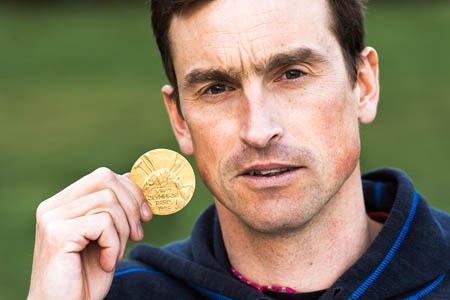
Kenton Cool holds Arthur Wakefield's gold medal. Photo: Vitty Robinson
The British climber who has stood on the world’s highest summit more times than any of his countrymen is setting off on an Everest attempt that will be one his most special ascents.
Kenton Cool will board a plane this morning forNepal, carrying with him a precious disc of gold that he hopes will be in his pocket when he stands on the summit of the 8,848m (29,029ft) peak.
If the 38-year-old Gloucestershire-based mountaineer makes it to the top of Everest, not only will it extend his record of ascents to 10, but will also fulfil an Olympic pledge made 88 years ago.
It will, he says, be an emotional moment.
The World Mountain Guide will take with him an Olympic medal awarded to Arthur Wakefield, a member of a 1922 expedition which got within a few hundred metres of the top of Everest before turning back.
We spoke to Kenton Cool as he prepared for the expedition, which he hopes will see the climbing team set off for the summit push some time in May.
“I’m busy frantically trying to pack as we speak,” he said. “I always leave things to the last minute; it seems to work.”
He explained he and his friend Richard Robinson have been planning this year’s project for two years, ever since Robinson, a childhood friend of Cool’s wife Jazz, came across the pledge made by Lieutenant Colonel Edward Lisle Strutt, deputy leader of the 1922 expedition, to Baron Pierre de Coubertin at the 1924 Winter Olympics in Chamonix.
De Coubertin was the founder of the modern Olympic Games and awarded gold medals to all the members of the 1922 expedition at the inaugural winter games.
Strutt pledged that he would return to Everest and take the medal to the summit – a promise he was unable to keep.
The gold medal that will be heading toNepalwas handed to Kenton Cool inCanadaby the grandson of Arthur Wakefield.
Richard Robinson told us this expedition probably means more to Cool than anything else he has accomplished.
Summitnumber nine came last year. Cool's tenth, if it comes, will be special
“I’d probably agree with that,” the climber said. “Obviously the first time I ever went up there, the last 20 or 30 steps were incredibly special.
“But we’ve been working on this story for two years. One of the things that got me climbing was reading about the climbers in the 1922 and 1924 Everest expeditions. What these guys did was amazing when you consider the gear they had, the boots the equipment – absolutely incredible.
“I remember being quite young and thinking wow, that’s so cool; I want to be an adventurer, a climber like that.
“So to have an expedition now that directly honours those guys of 1922 is really important to me – really, really important.”
The team, which includes a top cameraman, will use the traditional route up Everest.
Cool said: “I’m going up the standard South-East Ridge, the route that Hillary and Tenzing took in 1953.
“In the team I’ve got Keith Partridge, who’s the cameraman who did Touching the Void and The Beckoning Silence. He’s going to record it all, which is going to be incredibly exciting.
“We’ve got a very good friend of mine who’s raising money for St James’s Place Foundation. He’s trying to raise half a million quid.
“And then it’s just my tried and trusted Sherpa friends.
“There will probably be six of us in our summit push.”
He said he is grateful to his sponsor Samsung, who also provided support for last year’s Everest expedition, which saw him Tweeting from the summit using a 3G signal for the first time.
“Samsung have been incredible coming on board to finance the whole thing,” he said. “Everest expeditions are not cheap, but Samsung have done an amazing job of providing me with a platform to do what I want to do.”
He added: “This is so special, it really is – 2012, the Olympics come toLondon– that’s going to be amazing. Unfortunately, climbing’s not really represented any more but climbing and mountaineering encompassed everything Coubertin wanted in the Olympics.
“It’s going to be an emotional ride. Fingers crossed, if we do it, it’s going to be a very, very special summit.
“I think it will be the knowledge that I’ve got a medal in my pocket that was awarded to a very, very special man, Arthur Wakefield. He was a phenomenal person, the one who was perhaps overlooked in that 1922 expedition.
“If you read anything about Arthur Wakefield he was this amazing character. He was a medic; he did some amazing things on the Western Front in the First World War.
“To have this medal which was awarded for his efforts and everybody else’s efforts in the 1922 expedition is going to make it incredible.
“I’m a pretty emotional guy anyway. I’ve been known to burst into tears at the top; it’s all swirling round.
“Then to have this other story – in my mind, it’s such an important thing. We kind of forget what happened in the past sometimes and it’s going to be a very emotional moment and I can’t even begin to think what it will be like.”
Cool knows Everest's summit well. Photo: Sotti CC-BY-SA-3.0
As someone who has made it to the summit of Everest nine times, he is familiar with the elation of getting to the roof of the world.
He said: “When you come over that final little section, I can see it now: you come round a little limestone outcrop, go round it then you just go up a very gentle slope and it plateaus out and it’s then only about 200 yards to the summit and that’s when you know you are going to make it.
“I think getting there in May this year with medal burning a hole against my thigh, it’s just going to be something quite special.”
Richard Robinson, whose mountaineering exploits extend only as far as tackling the Three Peaks Challenge, said the team had already had a goodwill message from Michael Palin on behalf of the Royal Geographical Society and he said it is rumoured London Organising Committee for the Olympic Games boss Lord Coe would be quite pleased to receive a phone call from the summit.
The British Mountaineering Council also gave the Olympic Pledge expedition its thumbs-up, saying: “ In doing so we hope the venture will help foster the adventurous spirit in others and inspire them to similar enterprises on Everest and other mountains.”
It’s a wish Kenton Cool shares. He told us: “My big thing is trying to get people into the outdoors. I’m passionate about the outdoors; I’m a mountain guide and I’m hoping that by getting behind the pledge and participating, we can get the next generation of climbers, mountaineers, hillwalkers out there and climbing their own little hills to start with.
“Then there will be some new person smashing all my records.”
Kenton Cool: 'passionate about the outdoors'
He joked about his advancing years. “I’m getting quite old,” he said. But there are many mountaineers climbing at ages way beyond his.
He added: “A guy I’m always massively impressed with is Victor Saunders. He’s now 62 or 63. He guided Everest the year before last and I think he’s going again this year. He’s in his 60s and he’s still capable of going to the top – incredible.”
He hopes to involve as many people as possible in the effort. “What’s going to be great too is you can pretty much follow it all online. Samsung have done an amazing job and they’re trying to get everyone to participate in it.
“We’re going to be Tweeting all the way. The Tweets will be coming in thick and fast and there will be fairly regular blogs on the Samsung website and on my own personal website as well.”
One of the hardest things for him, he said in one of his most recent Tweets, is leaving behind his daughter Saffron.
Kenton Cool, Keith Partridge and the rest of the expedition members are expected to set off from Base Camp on 14 April and will attempt to supply photos, blogs and Tweets, which will be uploaded to the Samsung site and Cool’s own website.


Our friend Lincoln Hall, who survived the Death Zone of Mt Everest, is died.
Everest.
Our sincere condolences to his wife Barbara and sons! Unfortunately, we didn't meet Lincoln more after expedition of 2006. We saw him in the film, read the book and thought that sometime the destiny will bring together us in Katmandu ...
Our sincere condolences to his wife Barbara and sons! Unfortunately, we didn't meet Lincoln more after expedition of 2006. We saw him in the film, read the book and thought that sometime the destiny will bring together us in Katmandu or in Sydney. Alas, the ruthless illness deprived of us such possibility. Lincoln Hall disappeared in history and took in it the worthy place.
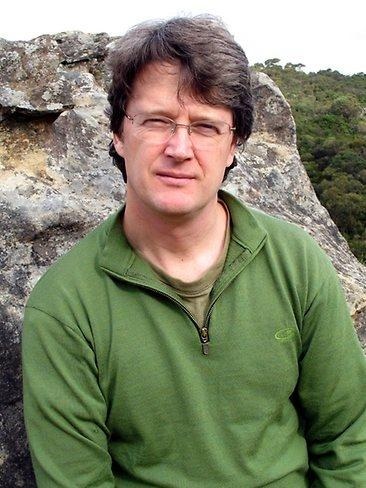
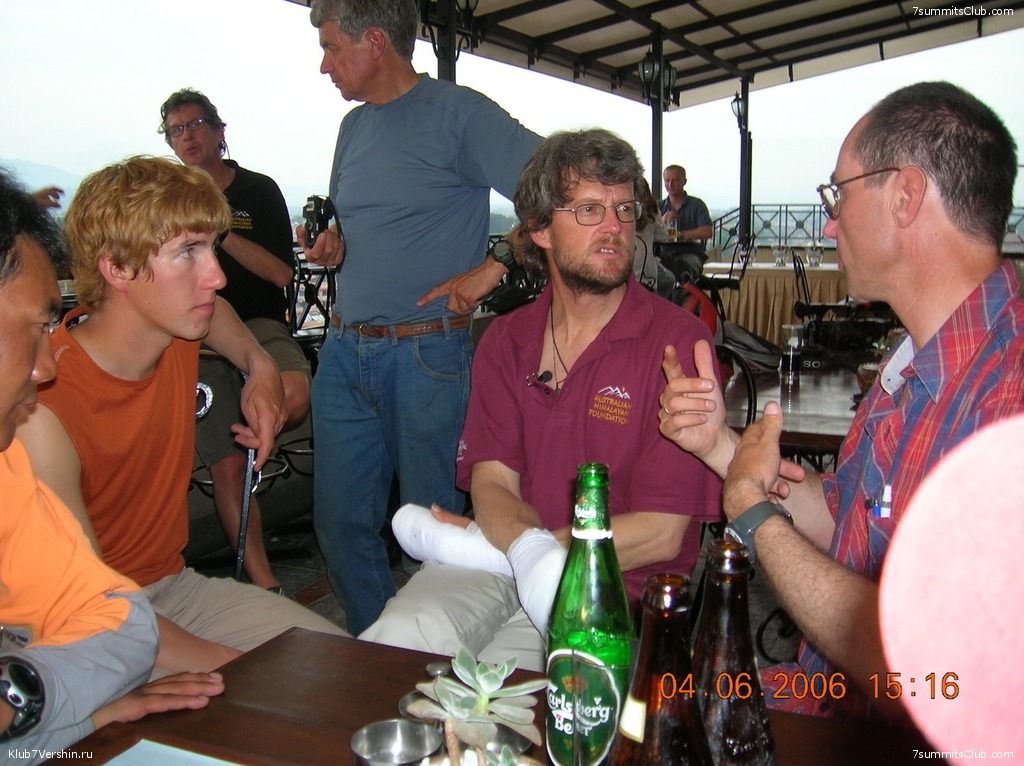
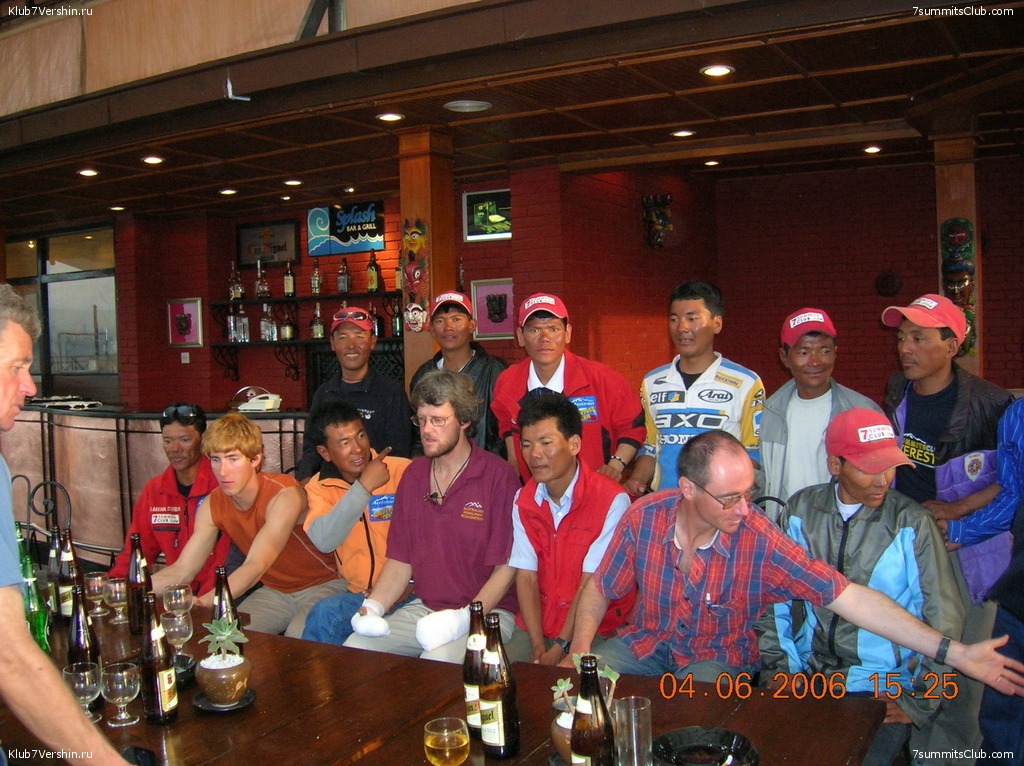
From obituary
AUSTRALIAN MOUNTAINEER, LINCOLN HALL has died last night after a short but typically spirited battle with mesothelioma.
His wife Barbara and long-time friends and fellow mountaineers Tenzing Sherpa and Greg Mortimer were with him. Greg, the Australian Geographic Society's deputy chairman, phoned this morning to deliver the sad news.
"It was very peaceful in the end, around 11.45 last night," Greg said. "Lincoln got into quiet, rhythmic breathing - it was almost meditative - and then he quietly slipped away."
A brilliant, witty and open-hearted man, Lincoln was a key member of the 1984 Australian Everest Expedition that put the first two Aussies - Tim Macartney-Snape and Greg Mortimer - atop the world's highest mountain, and came within a few hundred metres of the summit himself. Lincoln's story of the expedition, White Limbo, is a classic of mountaineering writing and one of the best known of his several books. His successful 2006 climb of Mt Everest and famous survival epic after being left alone above 8000m in caught worldwide attention. His account of the story, Dead Lucky, was published in 2007.
Lincoln served on Australian Geographic's original editorial advisory panel in the 1980s, wrote several stories for the journal and was a great supporter of the AG Society and other Australian adventurers. His service to adventure was recognised by the Society in 2010, when he was presented with the Lifetime of Adventure award. He was also a founding director of the Australian Himalayan Foundation, which strives to improve education, health and environmental outcomes for people of the Himalaya region.
"I was lucky enough to walk with Lincoln in the Everest region in Nepal a few years ago and it's a trip I'll never forget," said AG editor and Society trustee Ian Connellan. "He was so funny and warm, and had such a wonderful, open, uncomplicated honesty. I'm terribly sad to know that I won't get to laugh with him again."
AUSTRALIAN mountain climber Lincoln Hall has died from mesothelioma. He was 56.
The world-renowned mountaineer, who was a member of the 1984 first Australian Everest expedition, died ''peacefully'' in Royal Prince Alfred Hospital in Sydney yesterday, said Australian Himalayan Foundation chairman Simon Balderstone.
His wife, sons and close friend and fellow mountaineer Greg Mortimer were with him.
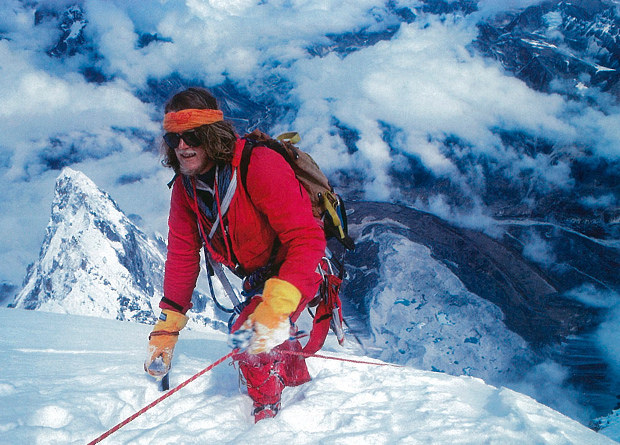
Australian mountaineer Lincoln Hall with his wife Barbara in the Nepali capital after his rescue.
''Lincoln was well-known for his feat of survival on Everest in 2006, when, after summitting the mountain he collapsed just below the summit and had apparently died, only to be found alive the next morning by climbers on their way up the mountain,'' Mr Balderstone said.
Mr Hall's lawyer, Theodora Ahilas, from Maurice Blackburn, which recently concluded an asbestos compensation claim for Mr Hall, said his disease was allegedly linked to asbestos exposure as a child.
''Lincoln was an amazing man who was able to remember a remarkable amount of detail about his exposure to asbestos as a child,'' she said. ''It was alleged that in 1965 and 1966, Mr Hall assisted his father to build two cubby houses using asbestos cement flat sheets on their property in Red Hill in the ACT.''
Canberra Climbers' Association president Zac Zaharias said Mr Hall would always be regarded as a prominent climber. He said Mr Hall would be remembered not only for his amazing feats on Everest, but for his drive and moving writing.
He was also a compassionate man in his role as director of the Australian Himalayan Foundation, set up to help impoverished communities, he said.
In 2006, a rescue team of sherpas helped the veteran climber descend 1700 metres from where he had collapsed after a successful climb to the summit. It had been reported 24 hours earlier that Mr Hall had died on the mountain.
He had to be carried over several obstacles and restrained when he became delirious from altitude sickness. But word got back from the highest camp on the peak that he had walked the last few hundred metres into North Col camp before collapsing. He was left for dead on the mountain at 8700 metres when he broke down while descending from the 8848-metre summit. Those with him could not move him after he became delirious, a sign of oedema, or fluid on the brain. His companions in a Russian-led expedition were forced to leave him on the mountain overnight.
The next morning another group of climbers found him, still clinging to life, and a rescue party brought him down.
In a 2007 interview on ABC TV's Enough Rope, Mr Hall said he was attracted to climbing mountains because of the physical dangers, but also the challenges, like ''mental fortitude, physical fortitude, judgment''.
''It's the intensity of the experience, at a sustained level. The experience is incredibly intense because it is so dangerous,'' Mr Hall said. Away from the mountains, Mr Hall said his wife and their two sons made ''the world go round''.
Asked how she felt when her husband left the family to go climbing, his wife, Barbara Scanlan, said she knew she could never change that part of him. ''I guess climbing and, more so, mountaineering is such an integral part of Lincoln and what makes him tick,'' she said.
National Geographic 2012 Winners: Sano Babu Sunuwar and Lakpa Tsheri Sherpa
Everest BC (Nepal).
The votes—nearly 72,000 of them—are in, and we're pleased to announce that Sano Babu Sunuwar and Lakpa Tsheri Sherpa are the 2012 People's Choice Adventurers of the Year. Their Ultimate Descent expedition to climb Everest, ...
The votes—nearly 72,000 of them—are in, and we're pleased to announce that Sano Babu Sunuwar and Lakpa Tsheri Sherpa are the 2012 People's Choice Adventurers of the Year. Their Ultimate Descent expedition to climb Everest, paraglide down, and paddle to the sea truly embodies the spirit of adventure. With borrowed gear and a bare-bones budget, there were no corporate sponsors nor social media campaigns, just the essentials for adventure—vision, creativity, and friendship.
The Ultimate Descent: Lakpa Tsheri Sherpa and Sano Babu Sunuwar
Two Nepalis complete a mission to launch a paraglider from Mount Everest’s summit and kayak the Ganges to the Indian Ocean.
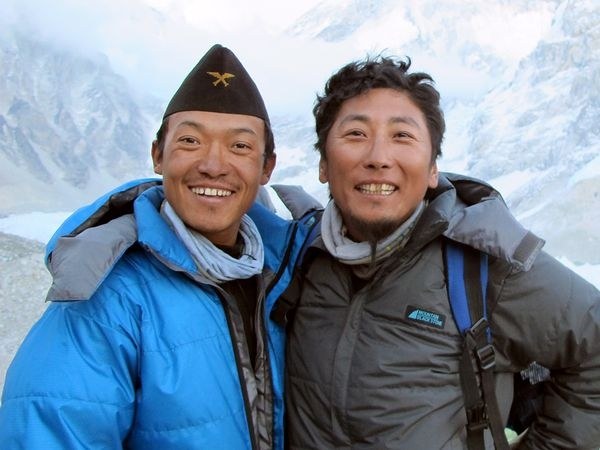
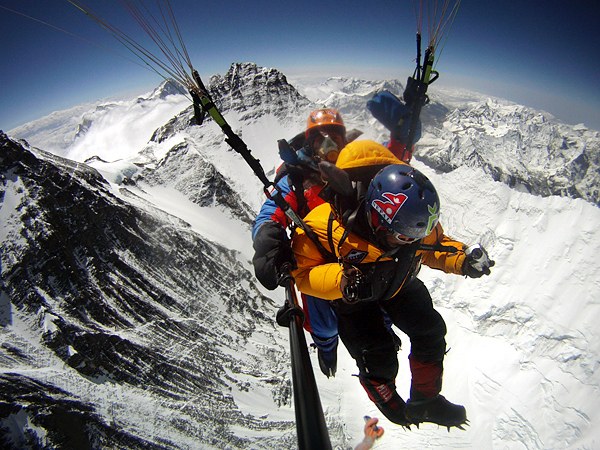
When Lakpa Tsheri Sherpa first saw paragliders arrive in the Himalaya, he dreamed of flying above the massive peaks of his home—the Khumbu region. After his third successful summit guiding trip on Everest, he viewed paragliding as a simpler, faster, and more graceful way of descending through the peak’s perilous slopes.
In October of 2010, Lakpa borrowed a paraglider, got a few pointers, and launched from a hillside above his home. He promptly crashed into a tree. With his paraglider wing badly damaged, Lakpa set out for the town of Pokhara, considered to be the gathering spot for paragliders, to seek repairs and find a mentor. He ran into Sano Babu Sunuwar, whom Lakpa had met years earlier on Island Peak. Babu repaired the glider and the two men hatched the plan for the Ultimate Descent.
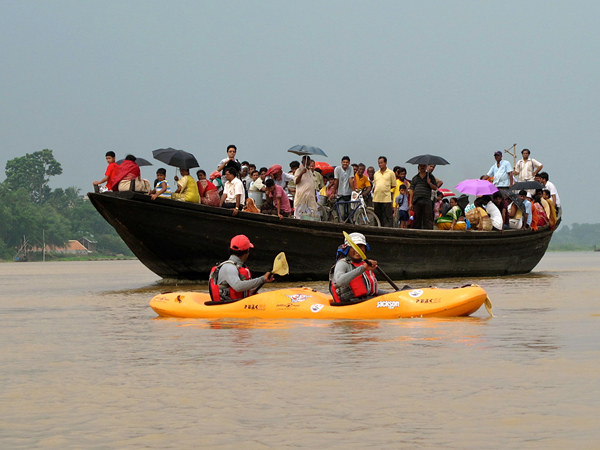
They would climb to the world’s highest point, launch a paraglider and fly for as long as possible, bicycle to a point where streams gathered into rivers, kayak across the Nepali border into India, and paddle the Ganges River all the way to the Indian Ocean. It would be an unprecedented first, but it was the overall combination of sports, audacity, and friendship that drew the duo to the idea. Babu, 28, had no climbing experience. Lakpa, 39, had never kayaked and didn’t even know how to swim.
In April of 2011, the duo had borrowed gear, slapped a basic plan together, and began their ascent of Everest. On May 21, they became the third party to launch a paraglider from the summit and set a new world record of 8,865 meters for free flight in the process. On the Kosi River’s Class V rapids, Babu got caught recirculating in a massive whirlpool in their two-man kayak, while Lakpa floated down river. Once they reached the Ganges, they paddled flatwater through unfamiliar country. They were robbed at knifepoint and had to live off fruit trees. After 850 kilometers, Lakpa and Babu reached the Bay of Bengal. On June 27, they became the first people to complete the descent from Everest’s summit to the Indian Ocean.
“When we arrived on the beach, we were frightened. We were surrounded by giant red scorpions,” says Babu. Later after showing pictures to friends, he would learn that these “scorpions” were in fact harmless crabs.
The Ultimate Descent team earned recognition from the international paragliding community, and the Nepali press hailed them as national heroes. Western adventurers admired their spunk, simplicity, and bare-bones budget. There were no social media campaigns, corporate sponsors, or expedition websites, just the essential ingredients for adventure—vision, creativity, and friendship.
—Fitz Cahall
THE INTERVIEW
Adventure: Babu, as a kayaker and paraglider, what was the most difficult part of the journey?
Sano Babu Sunuwar: On Everest I felt a great deal of discomfort. It was hard to breathe. Lakpa told me, “You are Sherpa. Be strong.” I am not a climber, but this was a great dream of mine to climb Mount Everest. Lakpa had done this many times. He helped me a great deal.
A: What was the most intimidating part of the journey?
Lakpa Tsheri Sherpa: The bugs. The ants. All animals—so active. Insects—so active. They are also busy. People so active. In the mountains, all creatures move slowly. In India, all the animals and the people move so fast. They are not still. I did not like the bugs. When we reached the ocean and took the kayaks to shore, the beach was covered in giant red scorpions. I was scared then, but we learned later that they were crabs and harmless. I also had a hard time breathing in the low elevation.
A: While the flight from Mount Everest might be the most eye-popping part of your adventure, it sounds like the Ganges and India were also difficult?
SBS: Sometimes whole villages would come down. We were robbed. They came with knives. We protected the camera, but gave them money. They left, but we paddled very fast. We could hear them coming with a motorboat. We found an island with tall grasses and hid. We slept in the kayaks the whole night.
LTS: We ate fruit from the trees, but the water was bad. We were not used to seeing dead bodies. In Nepal, we burn our dead. In India, they are put in the river. We would see two or three bodies a day.
A: For each of you, was there a favorite part of the journey?
SBS: Taking off from the highest point in the world. At first it was really windy, but the wind calmed. When we lifted off we were carried immediately upward.
LTS: The flight. I like to sing while I fly. We were very happy. We were both singing. This was a dream for both of us.
A: The "ultimate descent" earned you some attention both in Nepal and abroad. There was a short film made about your flight. What has it been like to be recognized for your achievement?
SBS: We love getting to share our dream. We came to Europe to show the film at a film festival. We feel a little like movie stars. People wanted to shake our hands. We were very happy to share our story.
LTS: When we got home, we were very excited to share our story not just with Nepal, but all over the world. It felt like a million people. There were a lot of foreigners who came to set records. We weren’t after a record, we just wanted to do all these things, climbing, paragliding, kayaking in one continuous trip

Fyodor Konyukhov has agreed to become the protagonist in the evening 7 Summits Club!
Everest.
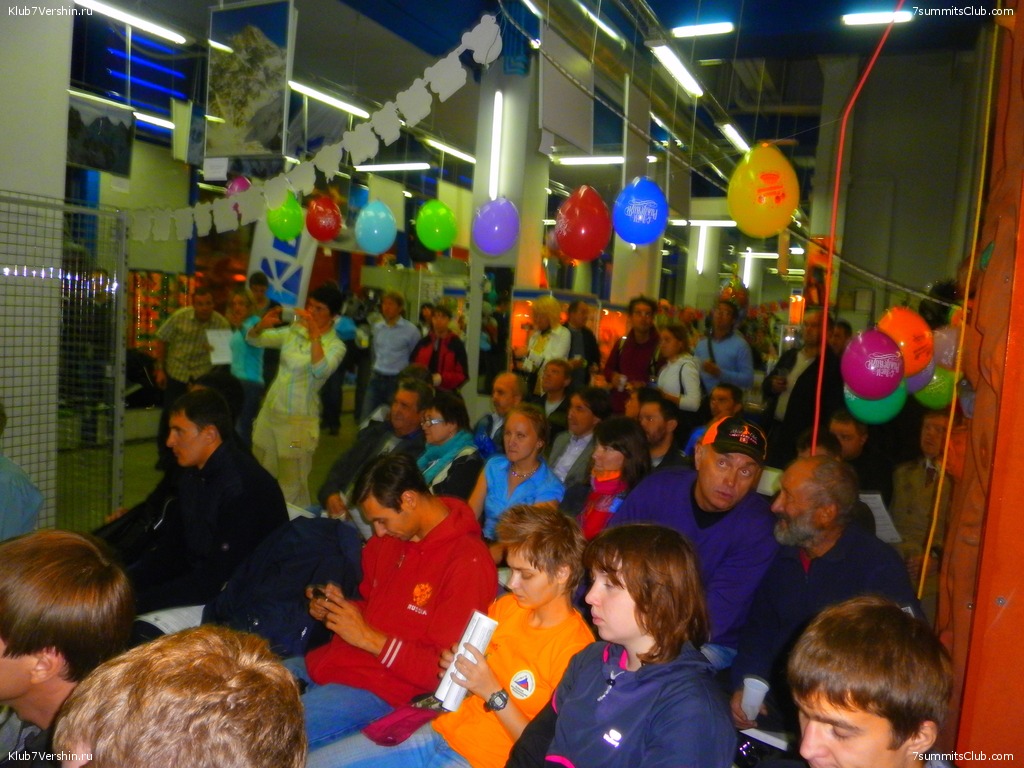
Traditional meeting of friends of 7 Summits Club will be held March 15 at 20:00. The place is the same: store "Activny Otdykh" on the Great Pereiaslav Street, Building 7. We will tell you about our achievements over the past few months. ...
Traditional meeting of friends of 7 Summits Club will be held March 15 at 20:00. The place is the same: store "Activny Otdykh" on the Great Pereiaslav Street, Building 7. We will tell you about our achievements over the past few months. Let's try to highlight the most interesting and significant record of our many trips. We also formally introduce our expedition to Everest and wish the participants good luck.
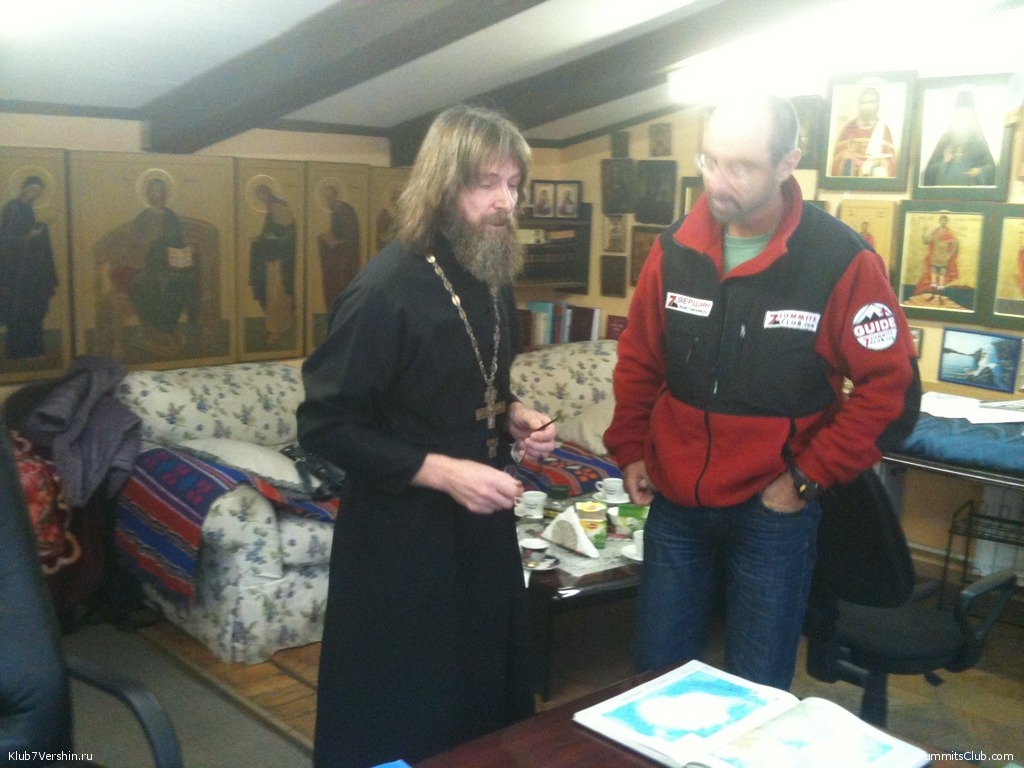
But the main event will be the performance on the evening of the great Russian traveler Fyodor Konyukhov, who takes part of our expedition to the highest peak in the world.