"7 Summits + 2 Poles" project news - Page 153
Photos report from the Alpari Team
Vinson.
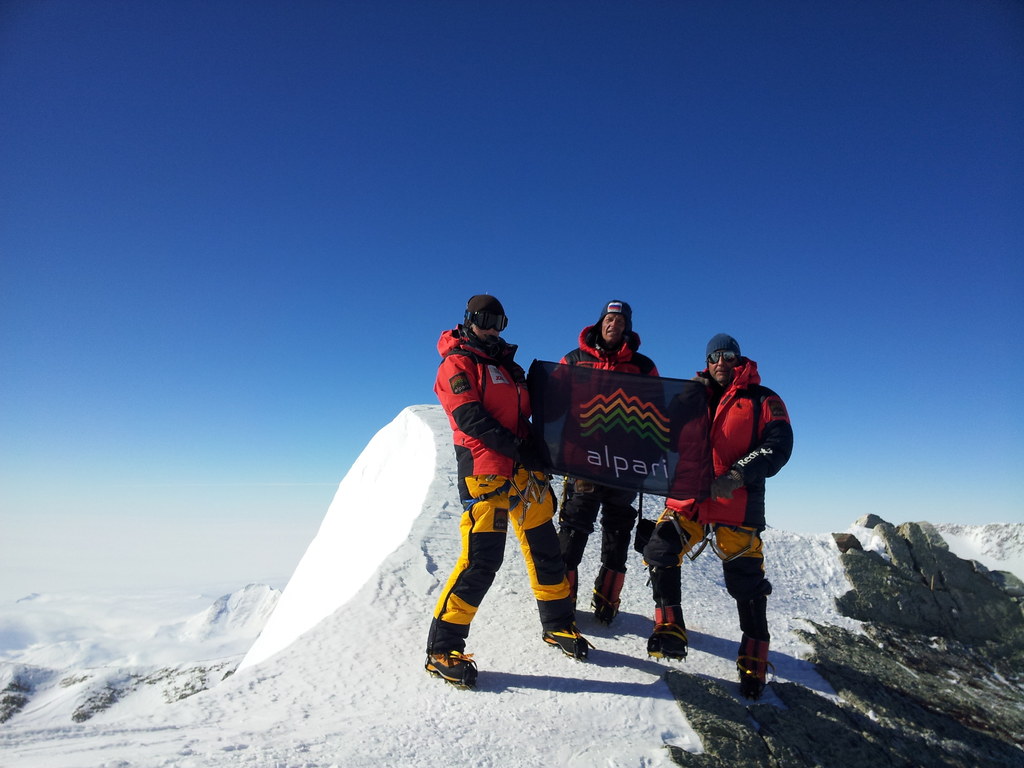
Coming from Antarctica to Punto Arenas, first of all Lyudmila Korobeshko sent us a photo report about their climb of Mount Vinson. Lyuda, Ivan and Max reached the top of Antarctica 11th of December. They finished their program "7 ...
Coming from Antarctica to Punto Arenas, first of all Lyudmila Korobeshko sent us a photo report about their climb of Mount Vinson. Lyuda, Ivan and Max reached the top of Antarctica 11th of December. They finished their program "7 Summits for 300 days"
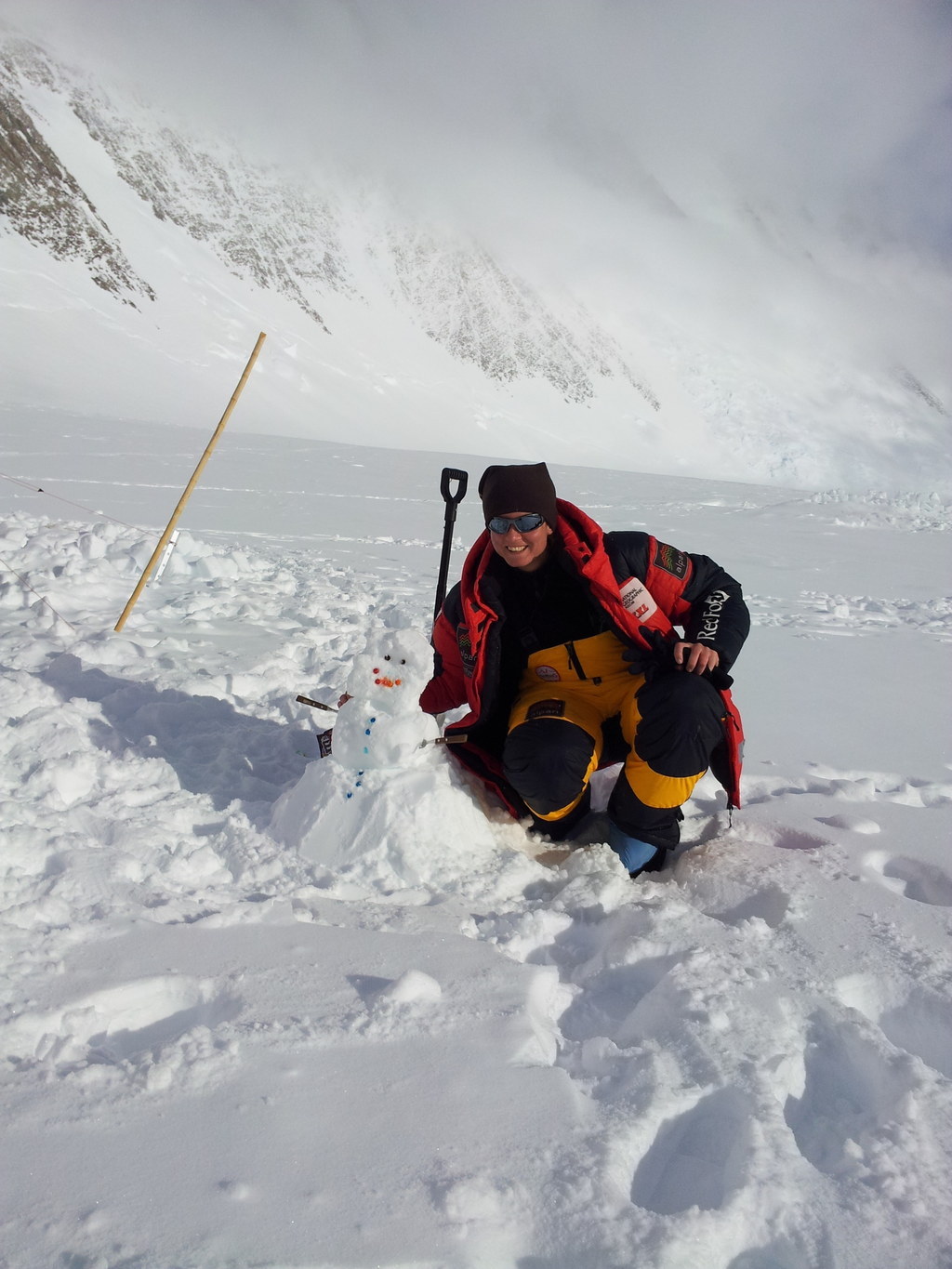

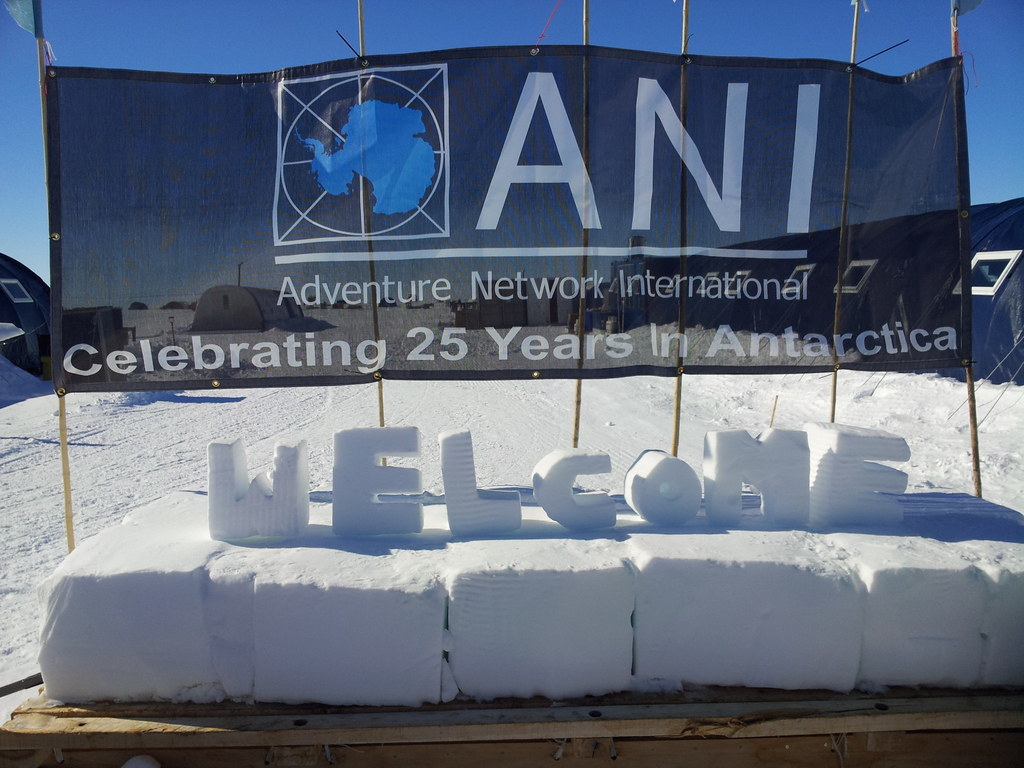

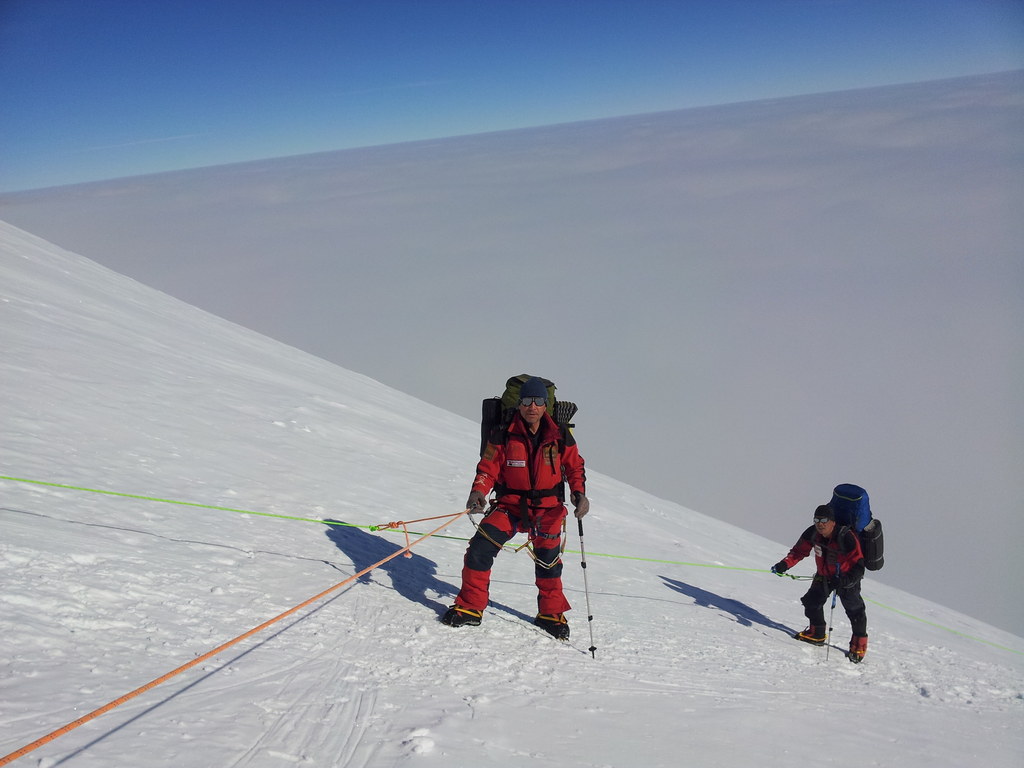
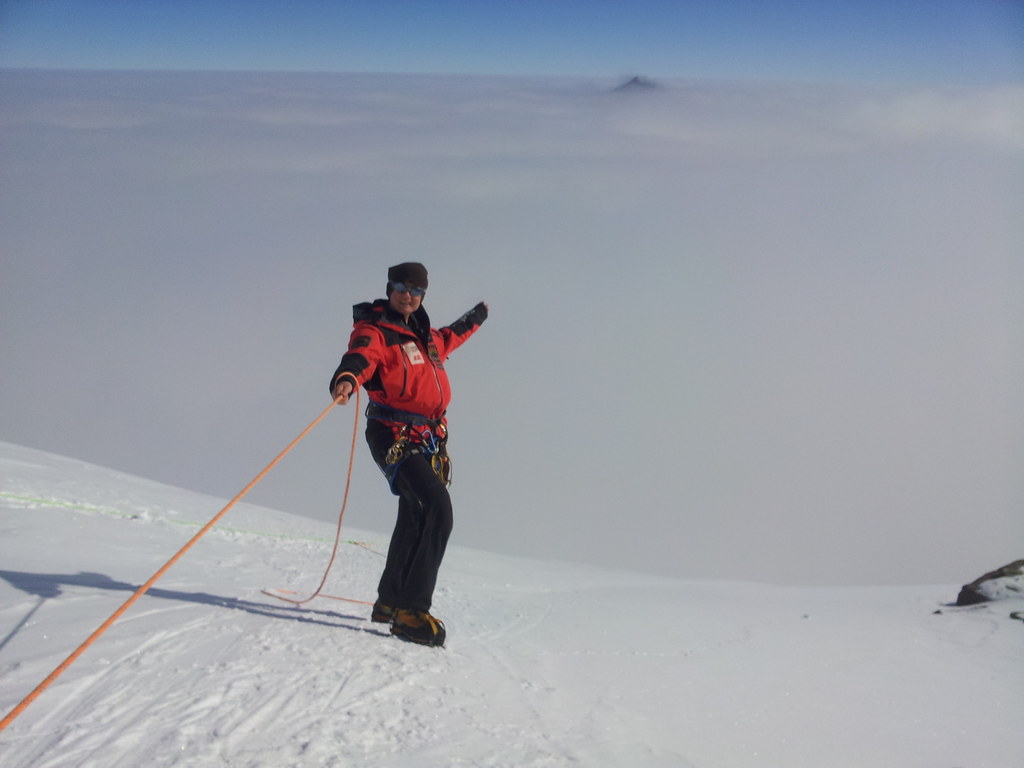
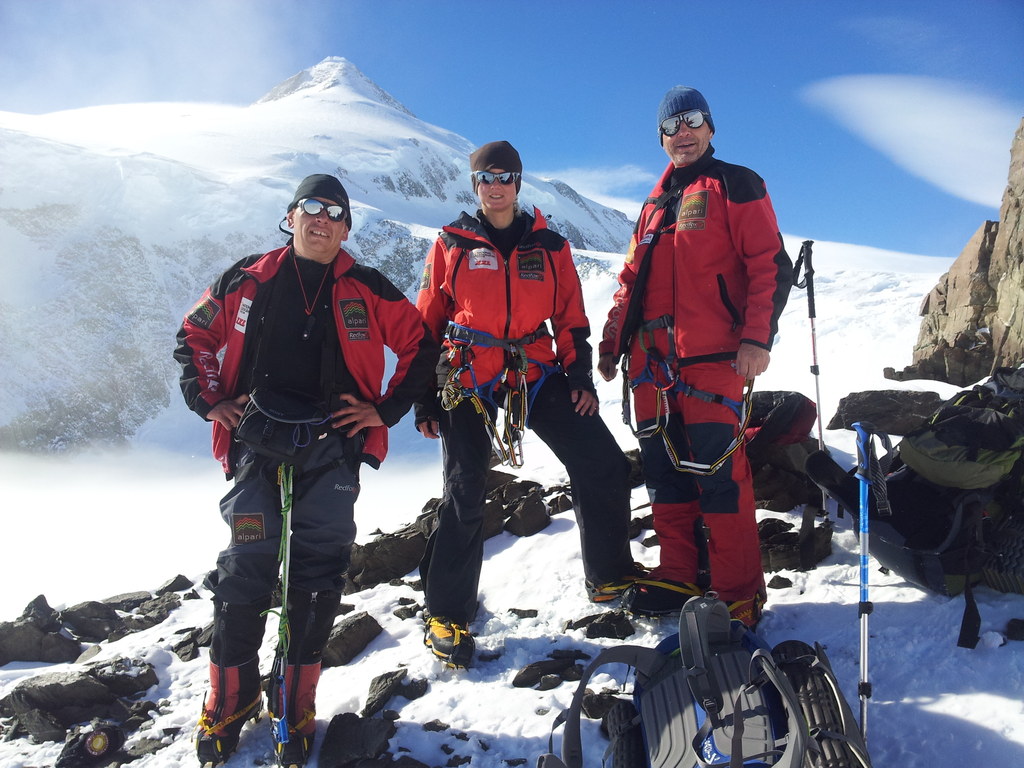
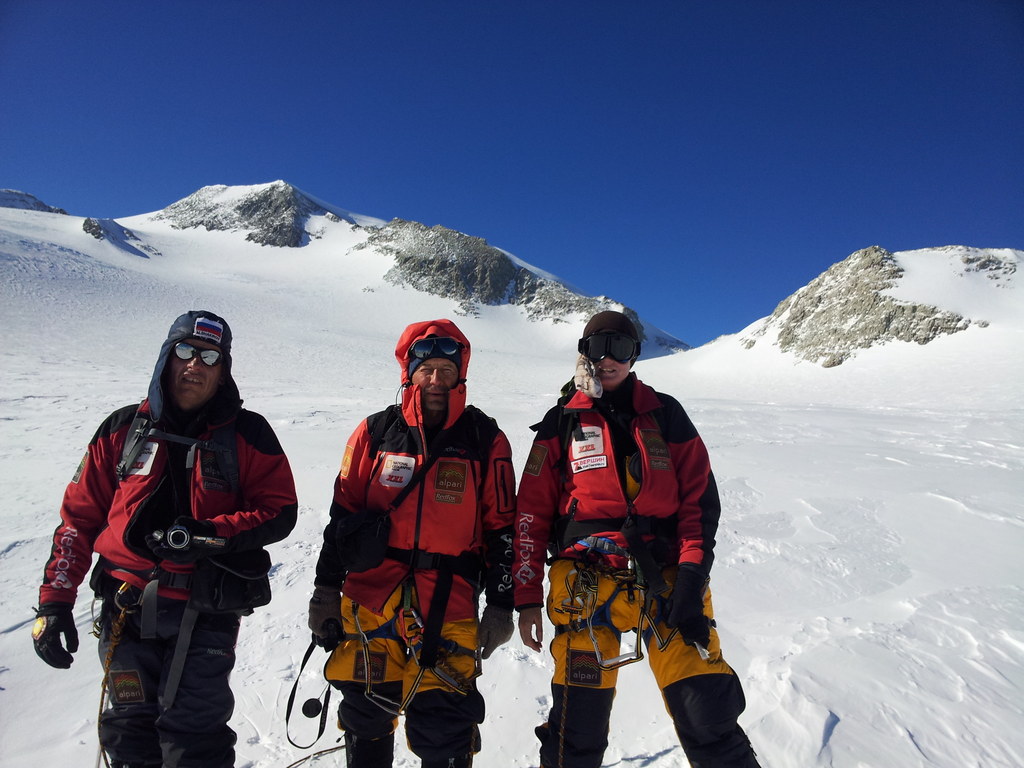
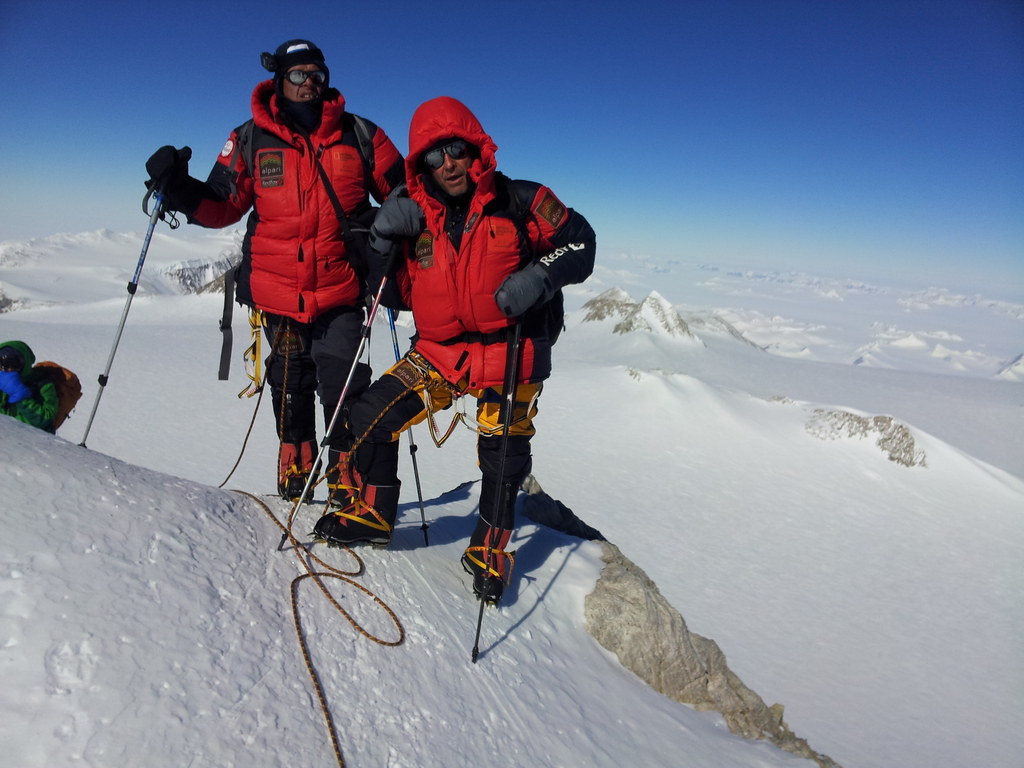
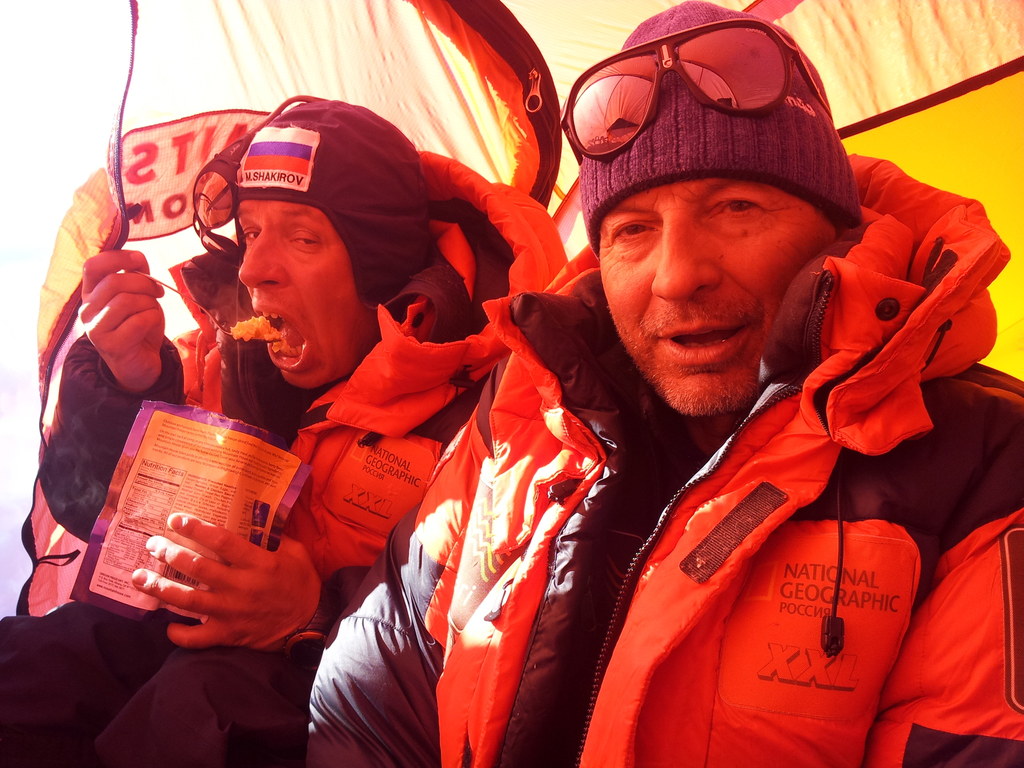
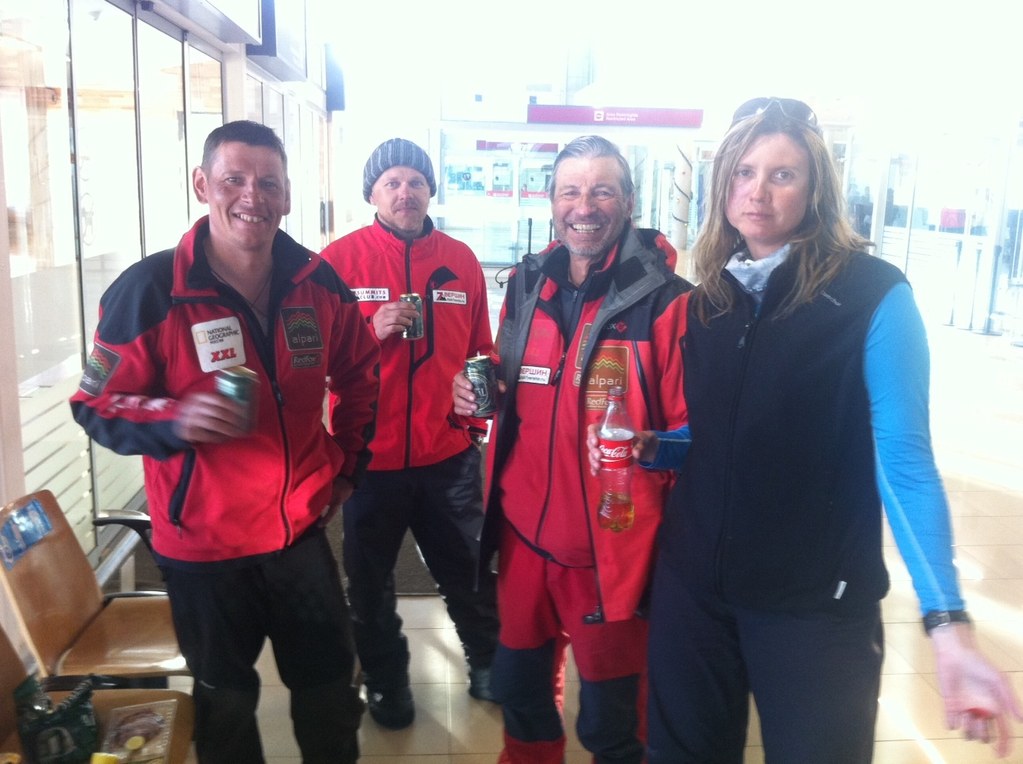
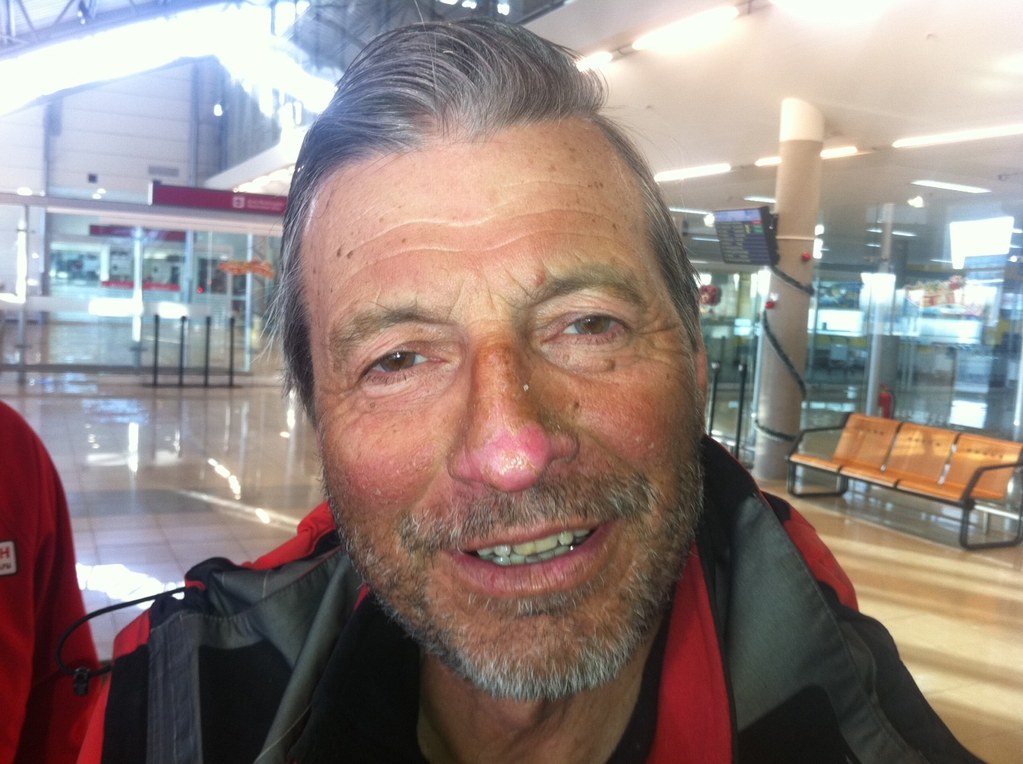
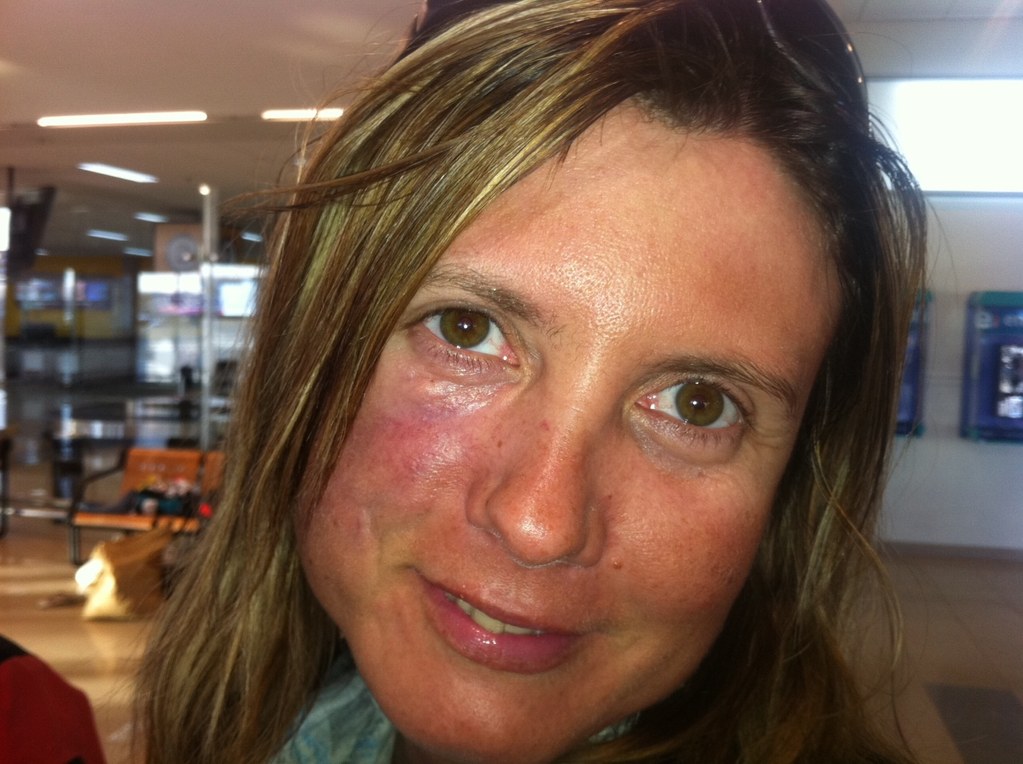
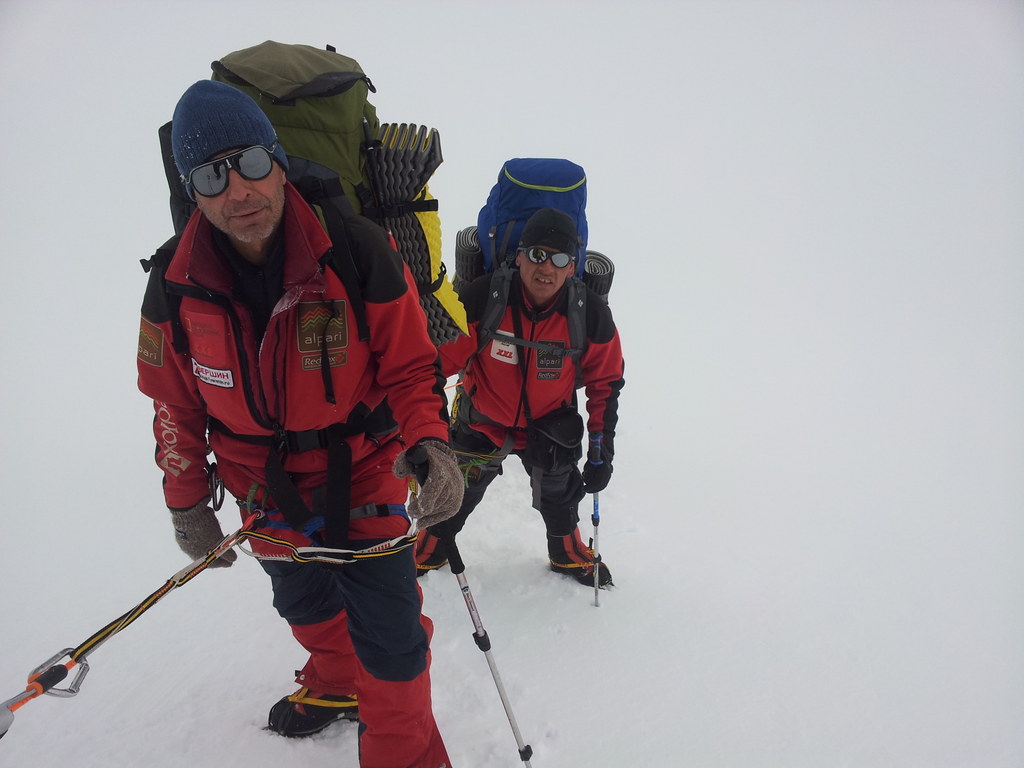
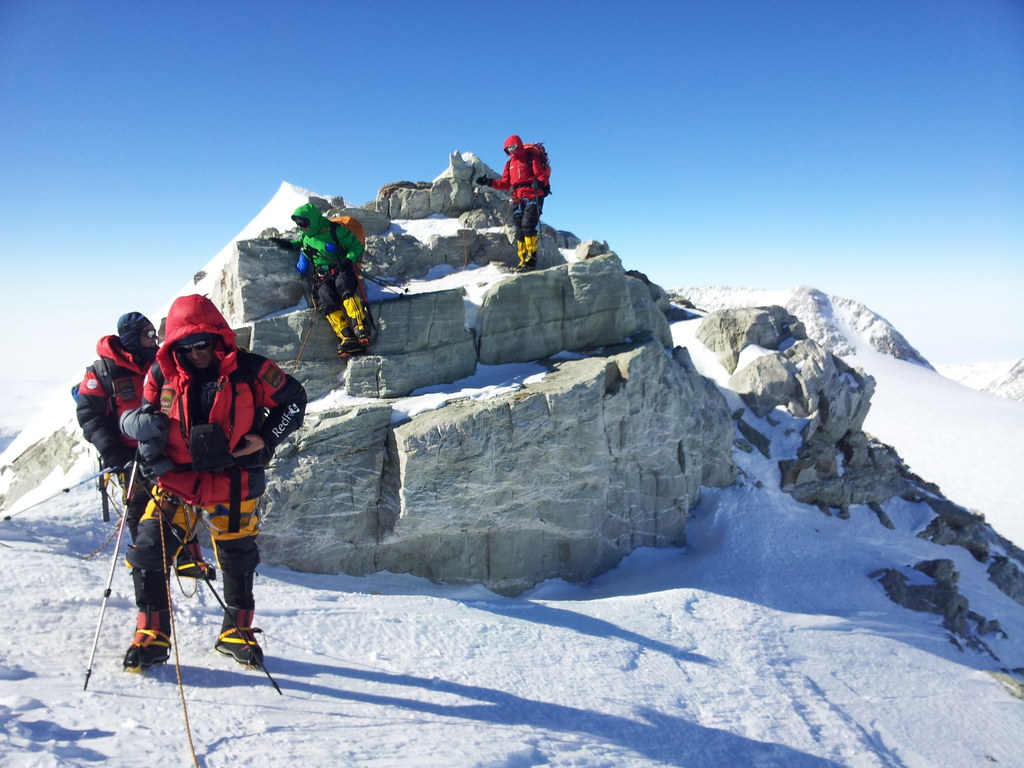
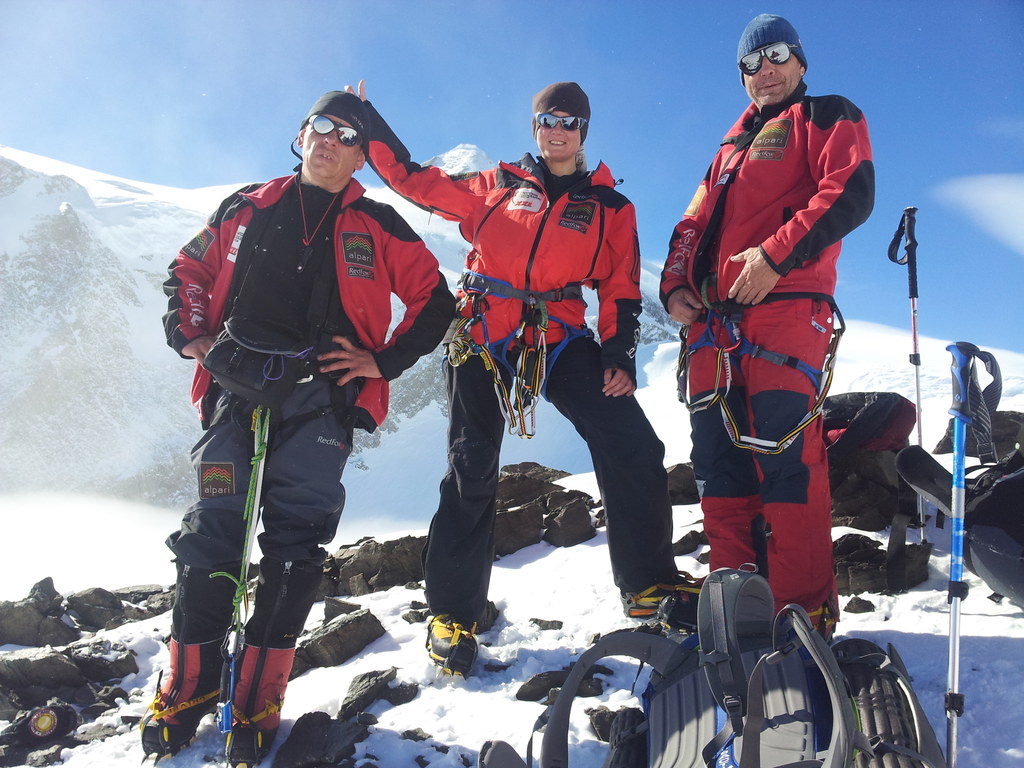
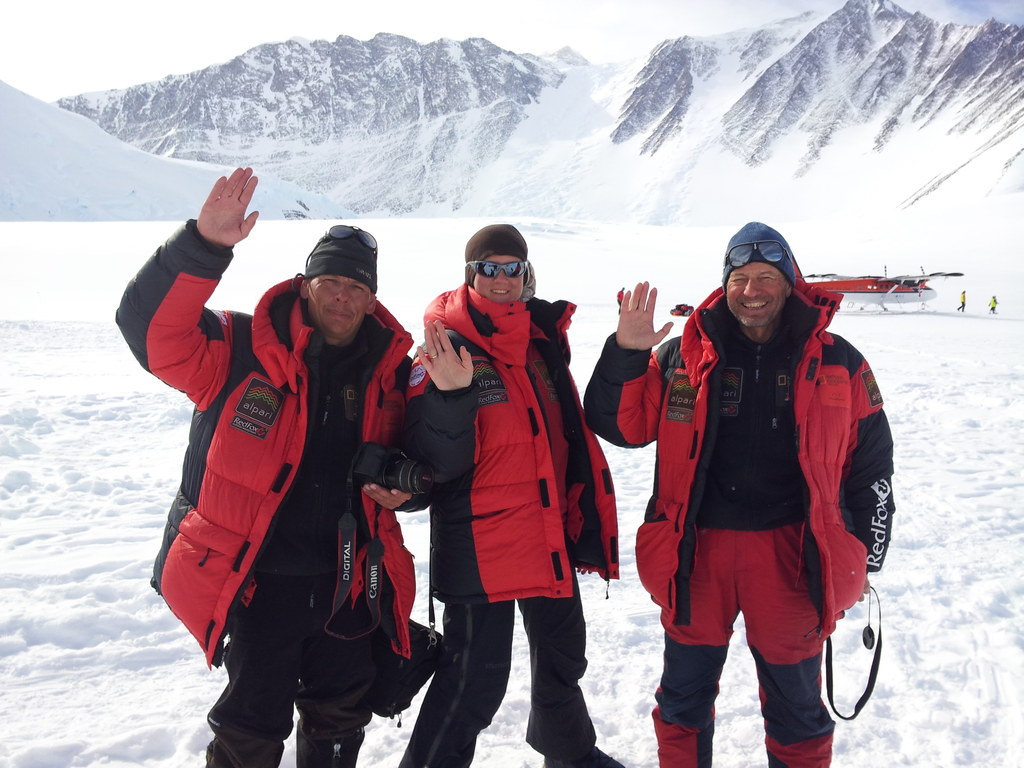
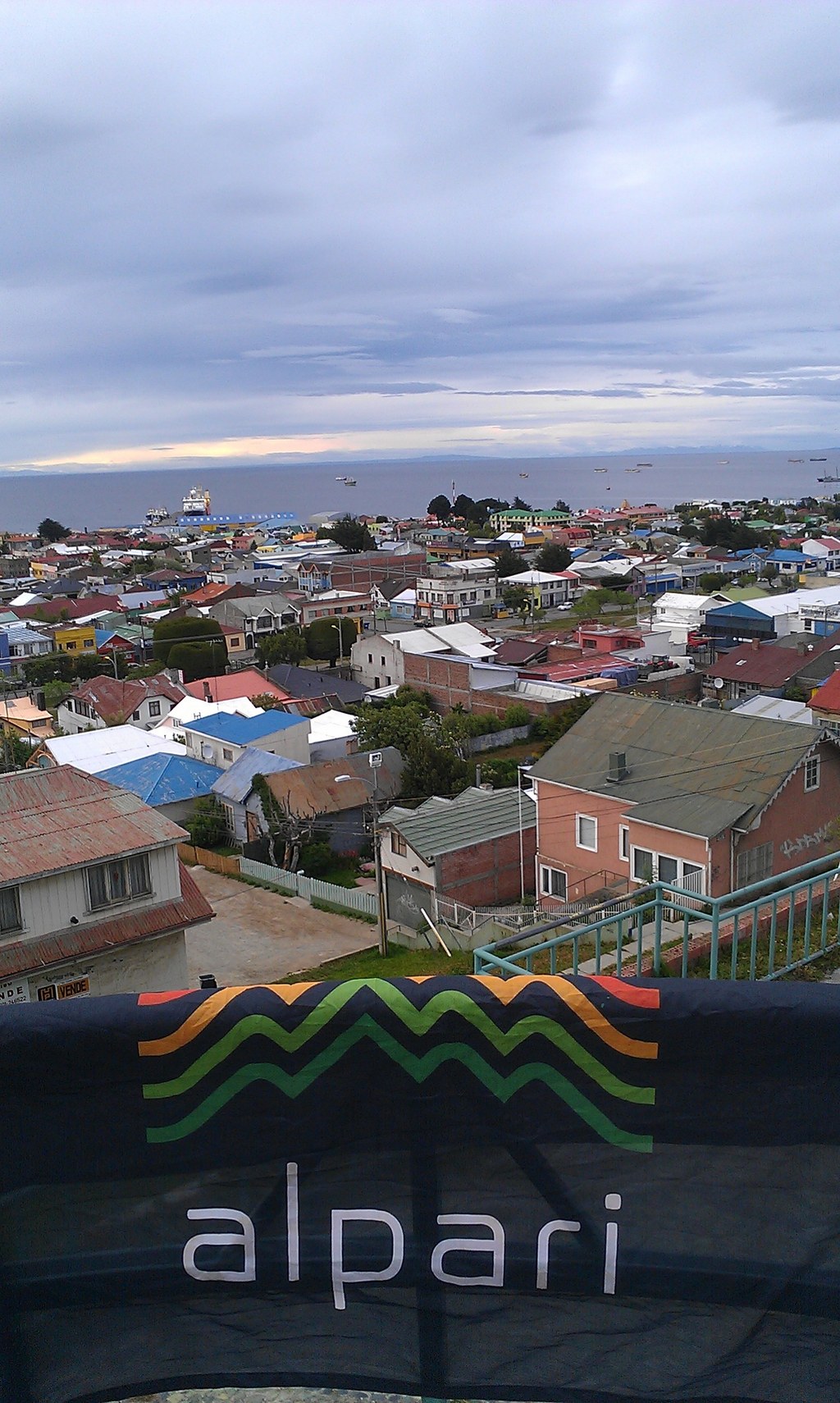
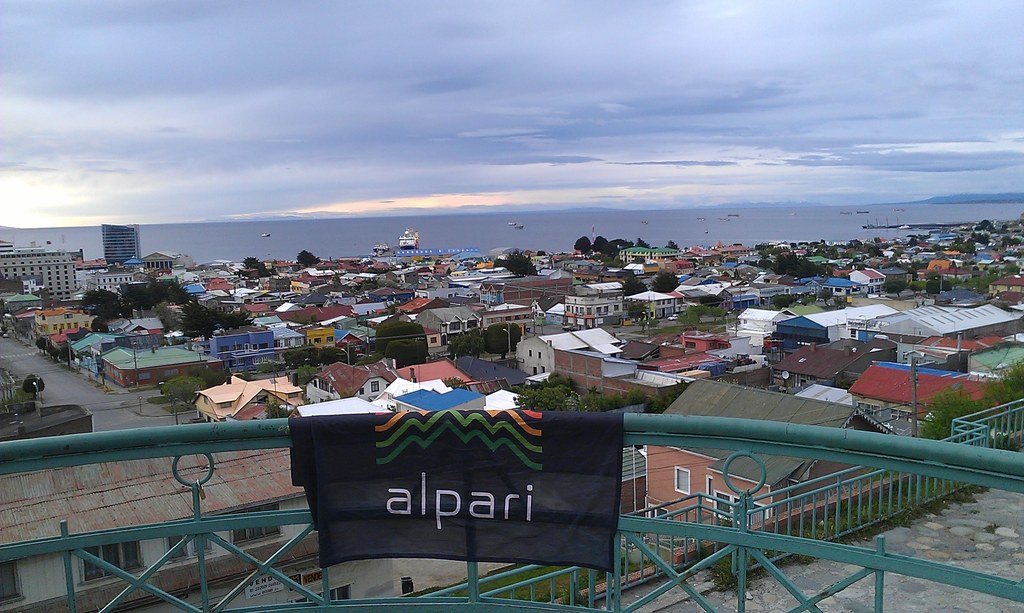
The team of Alpari landed at Punto Arenas
Vinson.
Lyudmila Korobeshko, Ivan Dusharin and Maxim Shakirov ended their travel to Antarctica, the last part of the program "7 summits for 300 days" (292 days 2 hours and 2 minutes). Climbing the Mount of Vinson, they made a new world speed record ...
Lyudmila Korobeshko, Ivan Dusharin and Maxim Shakirov ended their travel to Antarctica, the last part of the program "7 summits for 300 days" (292 days 2 hours and 2 minutes). Climbing the Mount of Vinson, they made a new world speed record for climbing seven summits for women and for a team of three climbers.
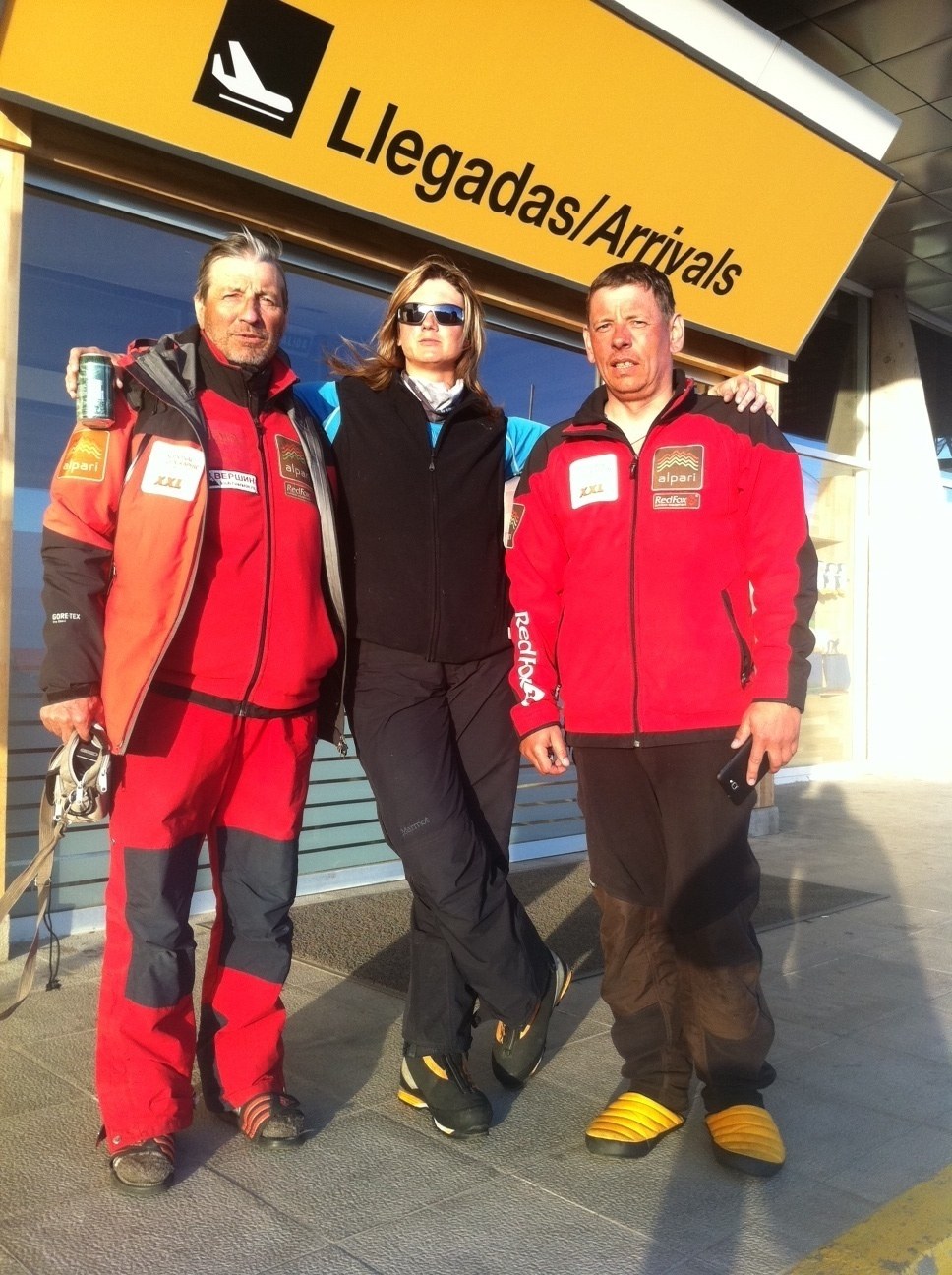
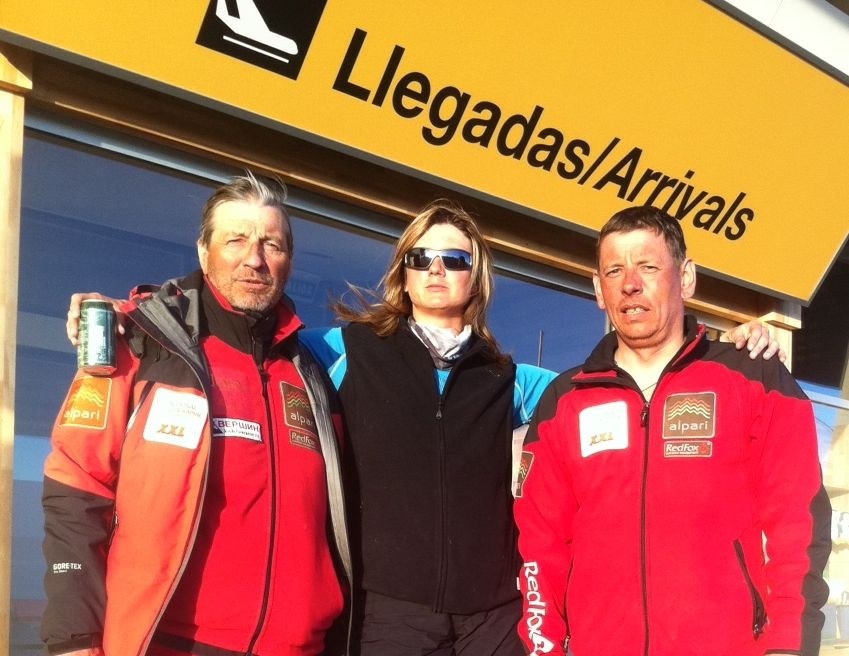
The "Alpari on top of the world" in Punta Arenas
Igor Stolyarov also climbed Mt. Vinson
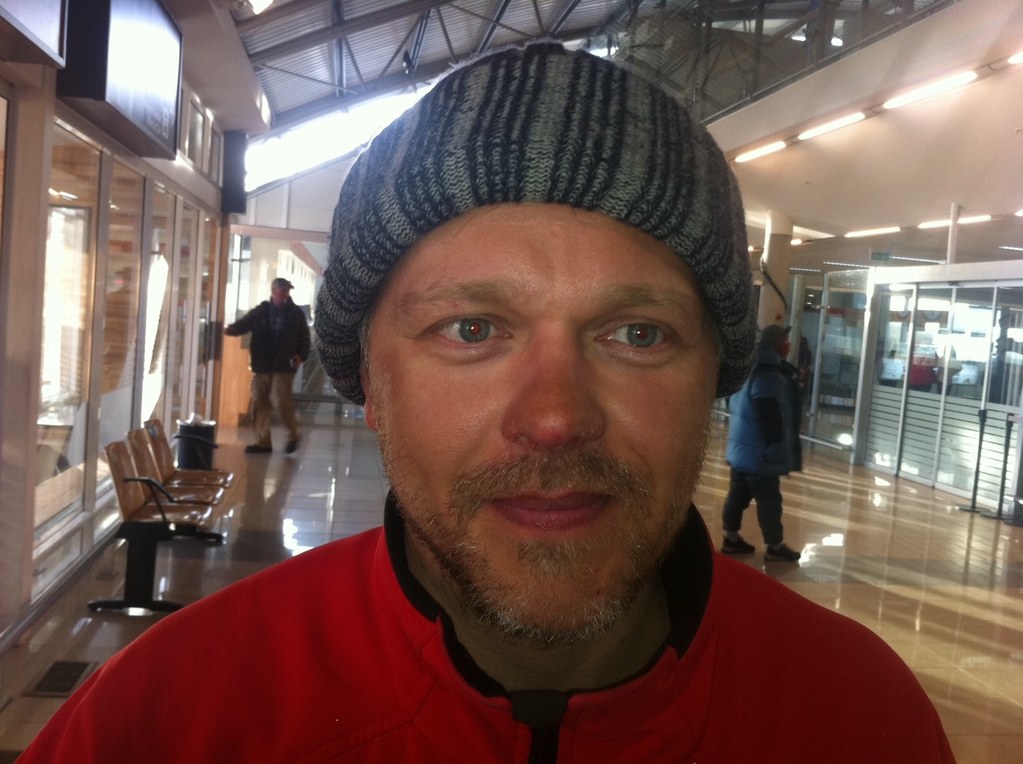
Alex Abramov met Harry Kikstra in Punta Arenas

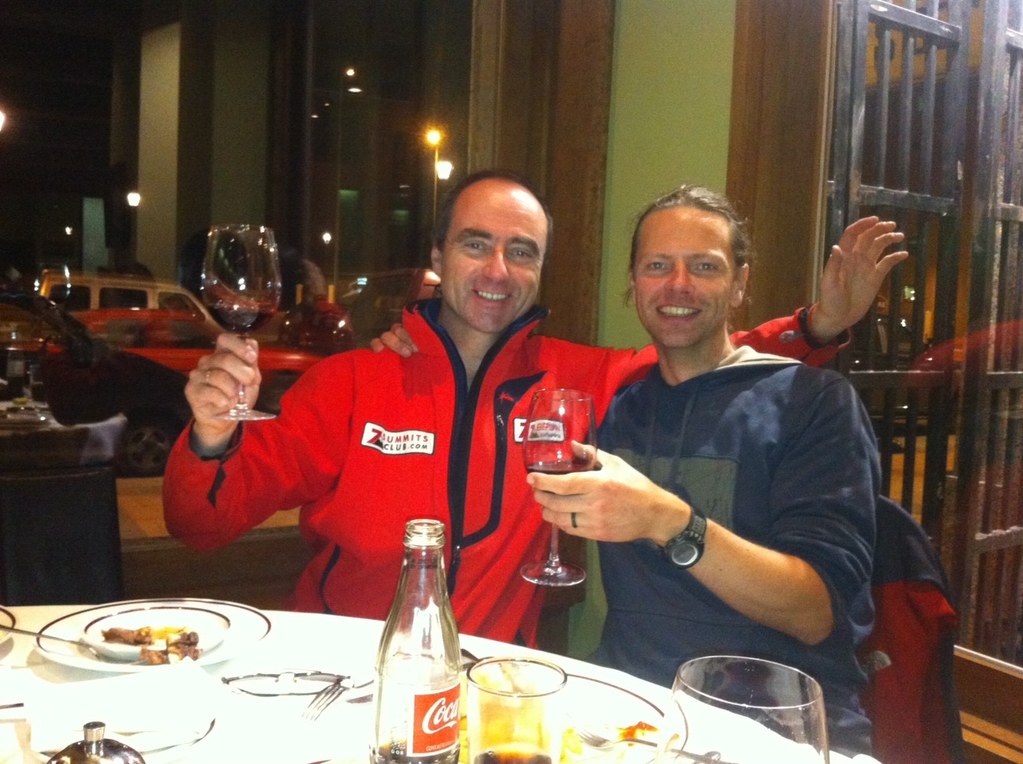
The plane took a second group at Union Glacier. We are waiting for the return flight with the Alpari team
Vinson.
This morning, our second group flew to Antarctica. They are: Anatoly Stegney, Vitaly Simonovic, Dmitry Sokov and Alexander Lozhkin. Guide the group Olga Rumyantseva awaits them in Antarctica. The weather is good, we hope that the return ...
This morning, our second group flew to Antarctica. They are: Anatoly Stegney, Vitaly Simonovic, Dmitry Sokov and Alexander Lozhkin. Guide the group Olga Rumyantseva awaits them in Antarctica.
The weather is good, we hope that the return flight will be not delayed. We are waiting for the return of our team Alpari from Antarctica. They have to go back tonight.
I imagine how they want to celebrate the successful completion of the project “7 Summits for 300 days”!
We are waiting!
Alex Abramov from Punto Arenas

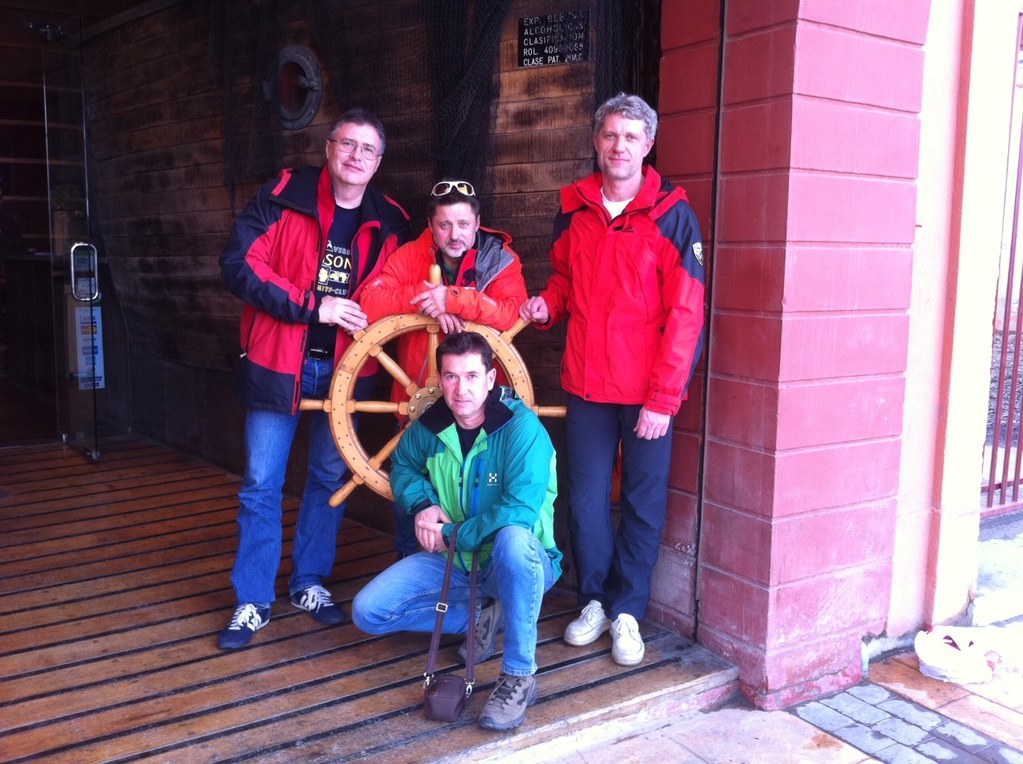
New group at Vinson: briefing and start of flight waiting
South Pole.
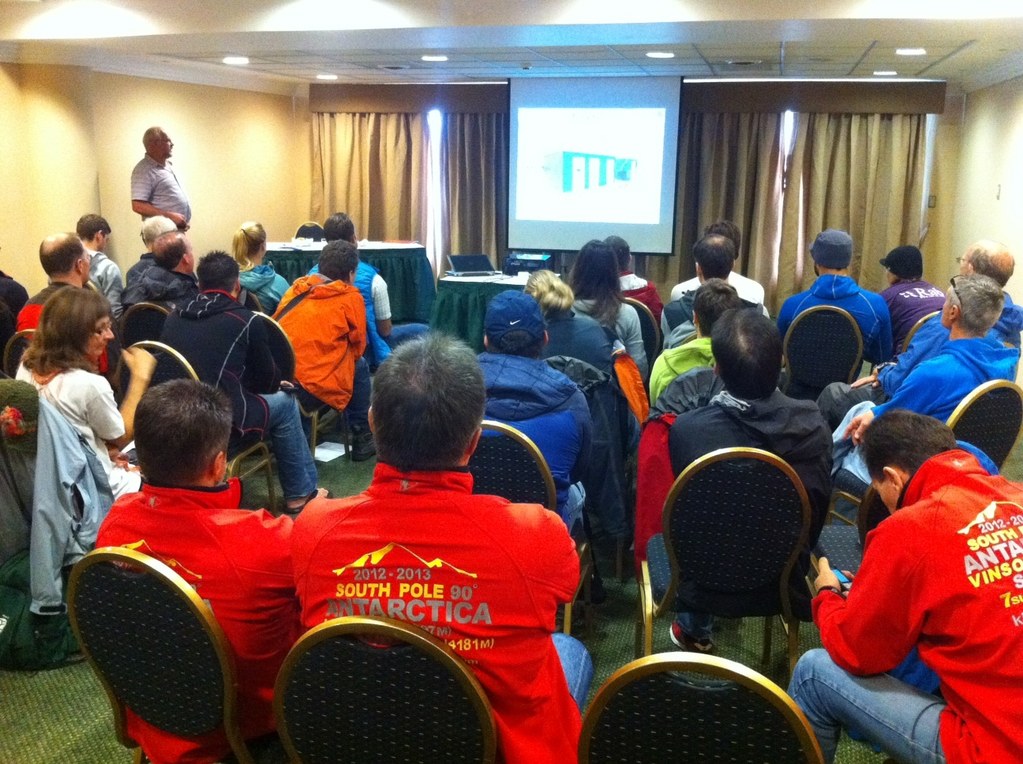
Alex Abramov met a new group of the 7 Summits Club inPunta Arenas. They came for the program Climbing Mt. Vinson. The team consists of: Anatoly Stegney, Vitaly Simonovic, Dmitry Sokov and Alexander Lozhkin. Our Guide Olya Rumyantseva awaits ...
Alex Abramov met a new group of the 7 Summits Club inPunta Arenas. They came for the program Climbing Mt. Vinson. The team consists of: Anatoly Stegney, Vitaly Simonovic, Dmitry Sokov and Alexander Lozhkin. Our Guide Olya Rumyantseva awaits them in theAntarctica, at the Union Glacier base..
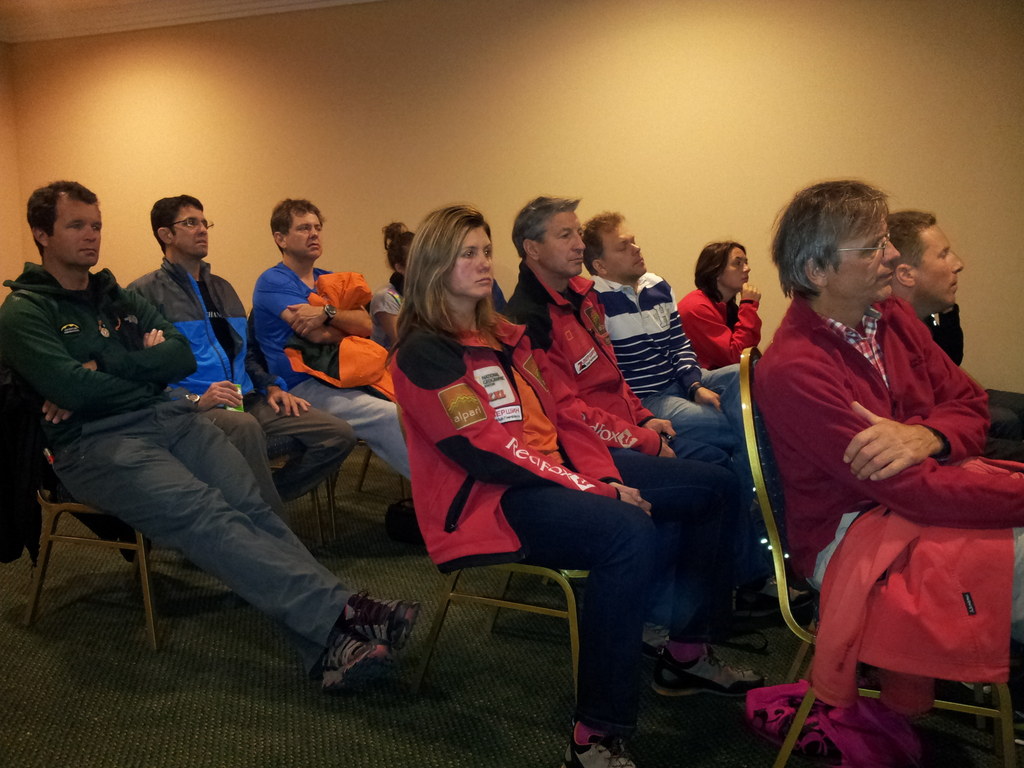
Today, the company ALE organized a briefing and our team listened all in pure American English. This was the first hard test.
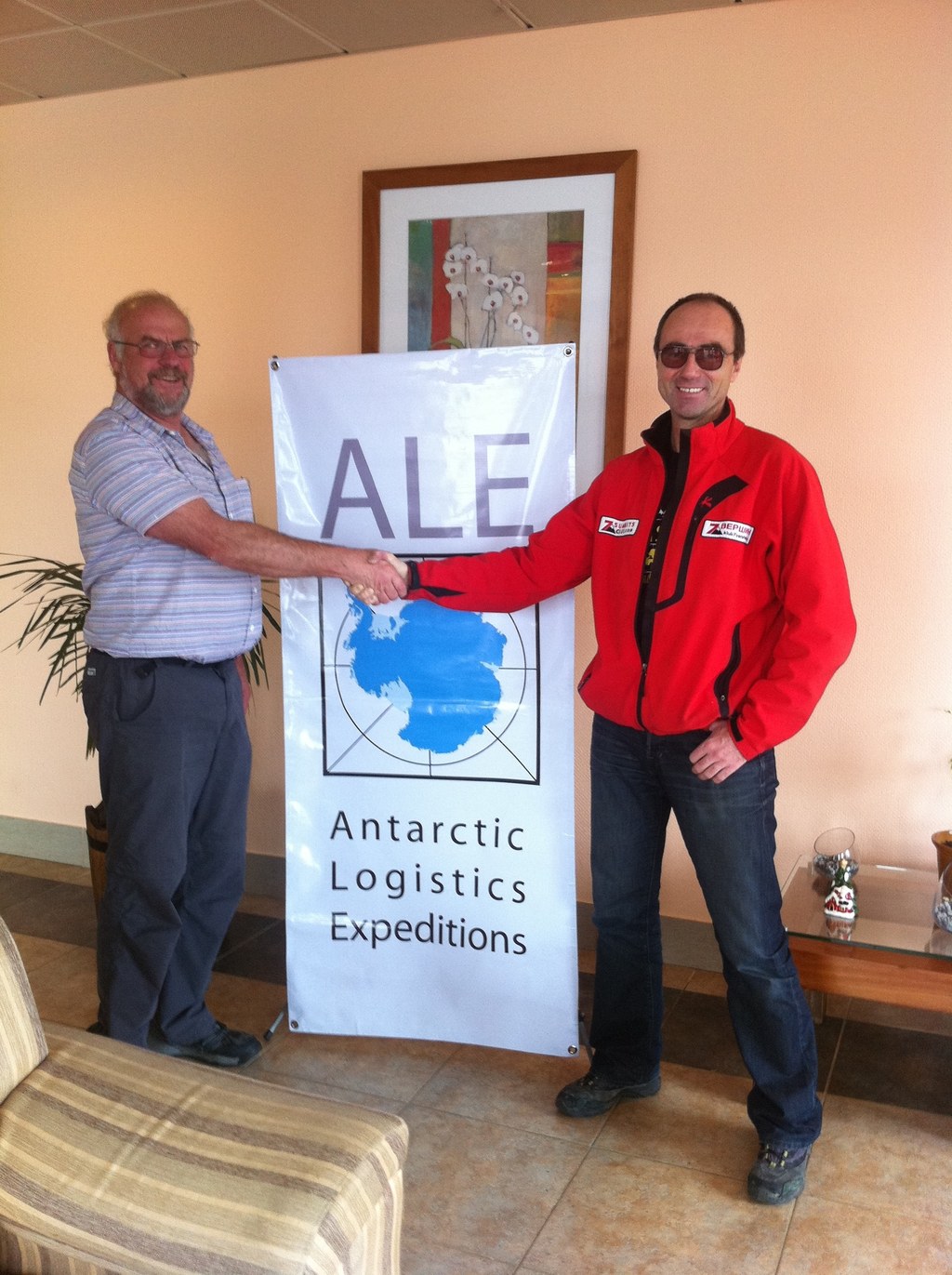
Alex had a friendly conversation with Mike Sharp, co-owner of ALE.


New Superintendent of Denali NP and permofrost
McKinley.
Don Striker Named New Superintendent of Denali National Parkand Preserve. The National Park Service has named Don Striker as Denali National Parkand Preserve's new superintendent. Striker has been the superintendent atNew River Gorge ...
Don Striker Named New Superintendent of Denali National Parkand Preserve.
The National Park Service has named Don Striker as Denali National Parkand Preserve's new superintendent.
Striker has been the superintendent atNew River Gorge National River,West Virginia, for the past five years, and brings a strong background in both business and resource management to his new position.
Since 2007, Striker has managed New River Gorge along with the nearby Bluestone National Scenic River and the Gauley River National Recreation Area. The parks annually see more than one million visitors, and include four visitor centers and more than 100 access points.
He has been instrumental in improving relationships with state government and local partners, building a large cadre of volunteers, and managing significant construction projects. Prior to working in West Virginia, Striker served as a special assistant to the Comptroller of the National Park Service, as superintendent of Mount Rushmore National Memorial (South Dakota), as superintendent of Fort Clatsop National Memorial (Oregon), and comptroller at Yellowstone National Park.
"I am deeply humbled to have been asked to serve as the chief steward of one of our country's most spectacular and iconic parks," Striker said. "My wife, Gretchen, and I are excited to be moving toAlaska, a goal we've long held. We are really looking forward to becoming productive partners in our new community." Striker will move to Alaskain January.

NPS Alaska Regional Director Sue Masica said that Striker's accomplishments over more than 15 years with the Service position him well for theDenalijob. "Denali is a complex park, with many major business and resource decisions coming up. Over the next couple of years, the park will be looking at implementing its new road management plan, rebidding the main concession contract and continuing to work on a variety of wildlife issues with the State of Alaska and others. Don brings the talents we need to lead the Service on these issues."
Denali National Park and Preserve is Alaska's most recognized park, hosts more than 400,000 visitors every year, and encompasses more than 6 million acres that includes Mount McKinley, North America's highest peak. Striker replaces Paul Anderson, who retired this fall. Jeff Mow has been the acting superintendent.
Source: http://www.nps.gov/dena/parknews/new-supt.htm
Hope we can get permission and establish monitoring site at West Buttress!!
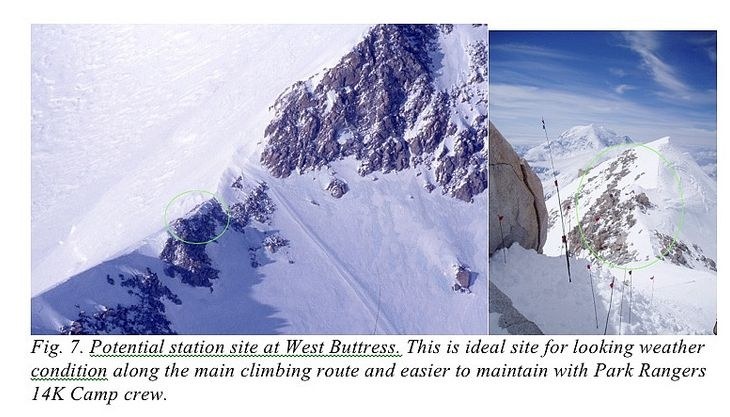
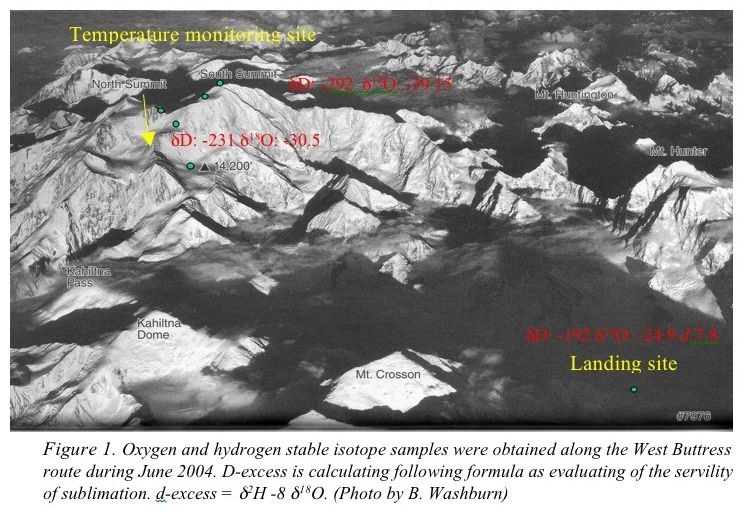
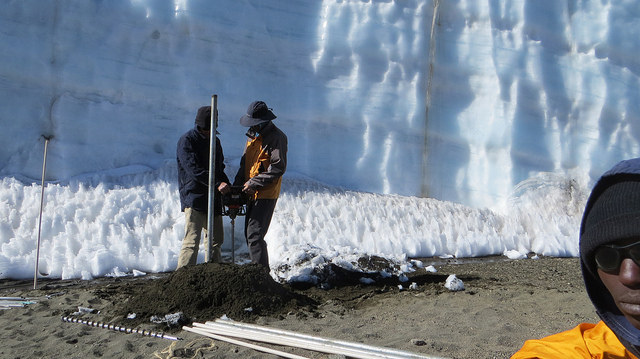
We need finalizeDenaliproposal very soon for next summer (June). Idea is that to install (just) temperature sensors on air, ground surface and ground with Iridium based satellite datalogger simmilar like Kilimanjaro setting.
Around 14K Camp (medical Camp) is another candidate (picture below). But steep and narrow open sky for satellite communication…
We try to develop 3D visualization material for 100 years glacier & permafrost history on Kilimanjaro working with Vavilov Institute for the History of Science and Technology of theRussianAcademyof Sciences
http://ffky.edublogs.org/category/alaska-permafrost/
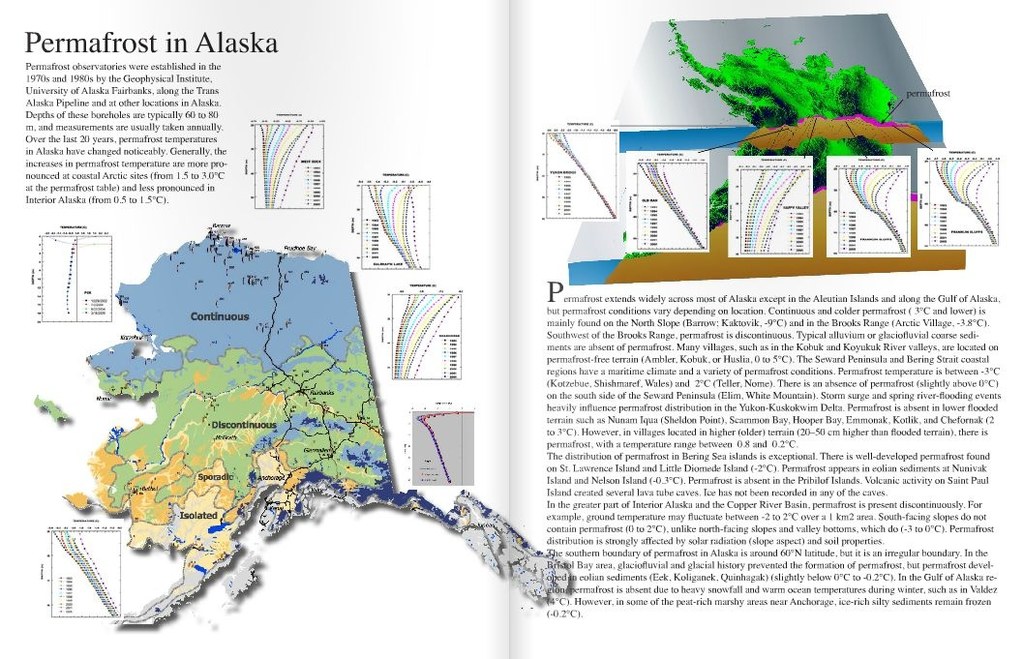
Permafrost book
http://issuu.com/permafrostbook/docs/permafrostbook/99

Kilimanjaro permofrost


Our team landed at Union Glacier
Vinson.
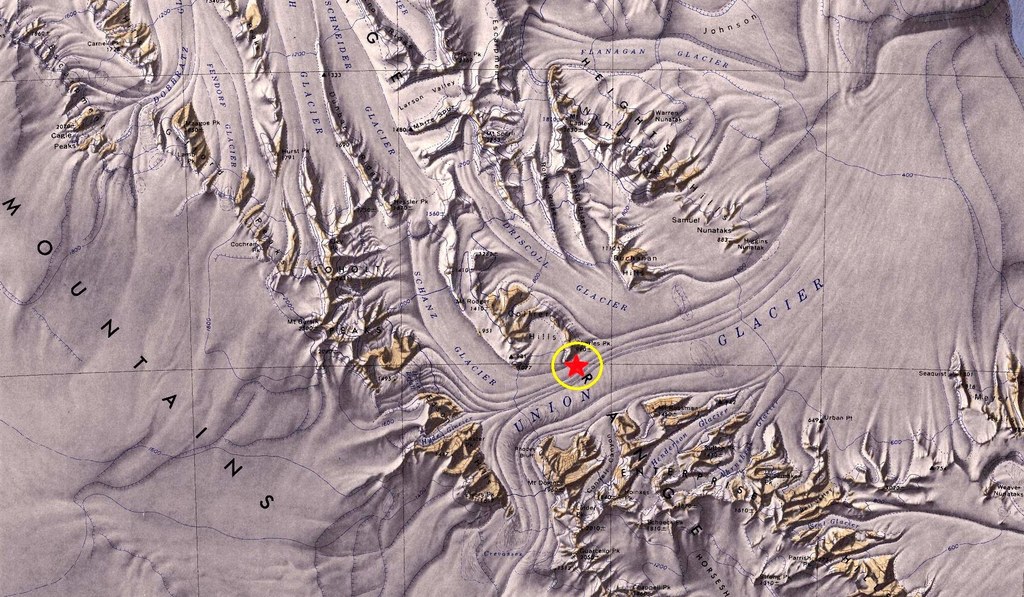
The united group Alpari - 7 Summit Club was taken today from the Vinson base camp to Union Glacier. Now they could relax, waiting for a plane to Punta Arenas. Alex Abramov today arrived in Punta Arenas. He will wait for our ...
The united group Alpari - 7 Summit Club was taken today from the Vinson base camp to Union Glacier. Now they could relax, waiting for a plane to Punta Arenas. Alex Abramov today arrived in Punta Arenas. He will wait for our heroes and next group. In his plans - to climb some peaks in Bolivia and then to lead a ski-tour to the South Pole. Olga Rumiantseva in Union Glacier will wait for the next group to Vinson.

Alpari on top of the world: 292 days 2 hours and 2 minutes for Seven Summits
Vinson.
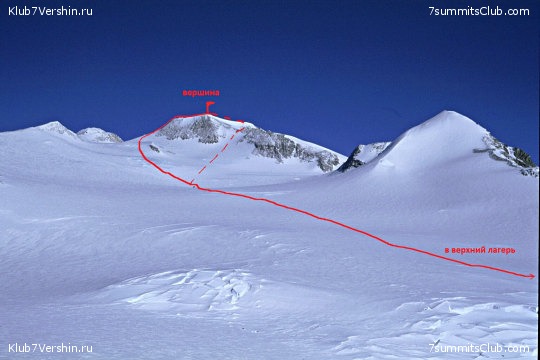
On December 11, in the International Day of mountains, the team "Alpari on top of the world" - Ludmila Korobeshko Ivan Dusharin and Maxim Shakirov, at 22-32 Moscow time, climbed the top of the Antarctica Mt. Vinson and planted the Alpari ...
On December 11, in the International Day of mountains, the team "Alpari on top of the world" - Ludmila Korobeshko Ivan Dusharin and Maxim Shakirov, at 22-32 Moscow time, climbed the top of the Antarctica Mt. Vinson and planted the Alpari flag there!
From a telephone call of Lyudmila Korobeshko:
We climbed up rather quickly, despite of cold and wind. Now we are starting to go down. We congratulate all on successful completion of the project!
According to our calculations, the world speed record for climbing seven summits for women and for a team of three climbers is now 292 days 2 hours and 2 minutes.
This is also the absolute speed record for Russia. Ivan Dusharin - the recordsman of Russiaon age (65).
First press conference of February 8, 2012

Aconcagua. February 23, 2012. 19-30 Moscowtime
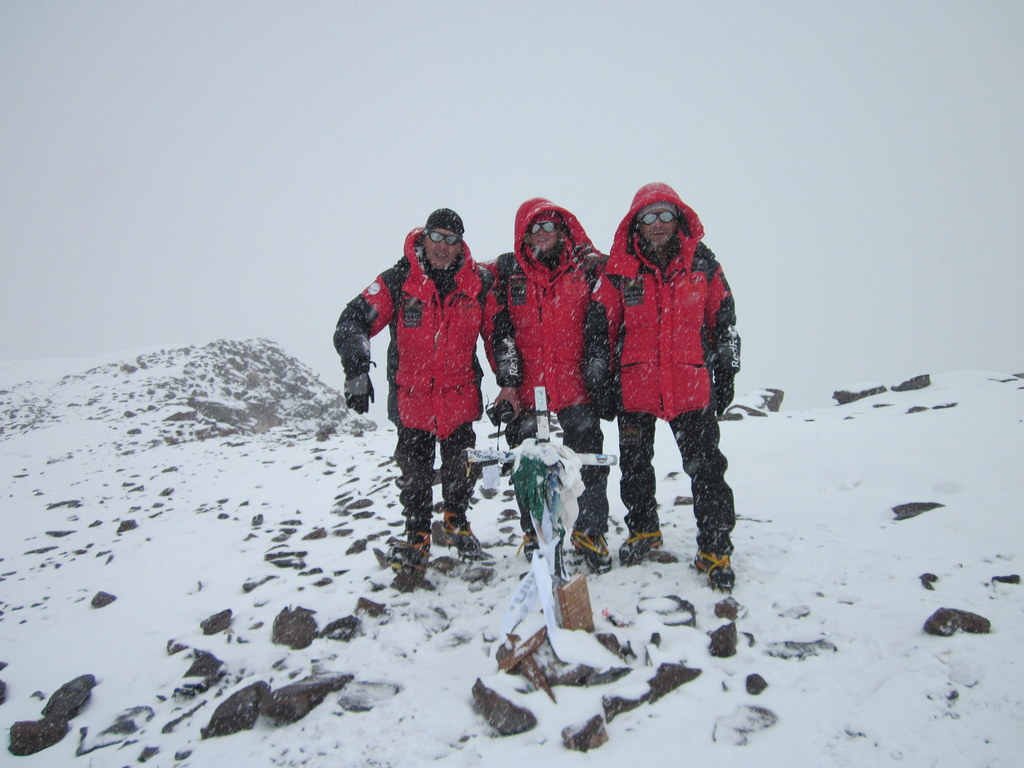
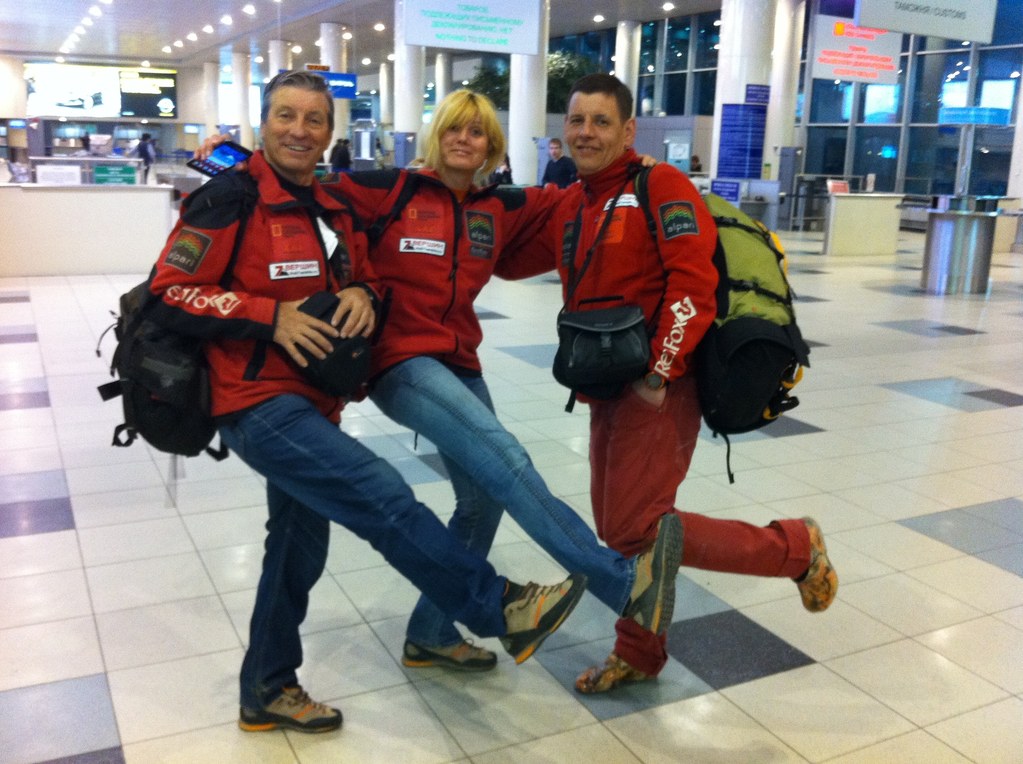
Kilimanjaro. March 11, 2012
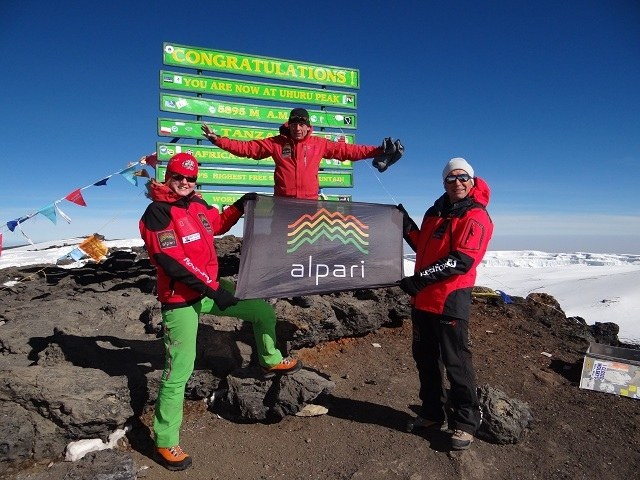
Everest. May 19, 2012
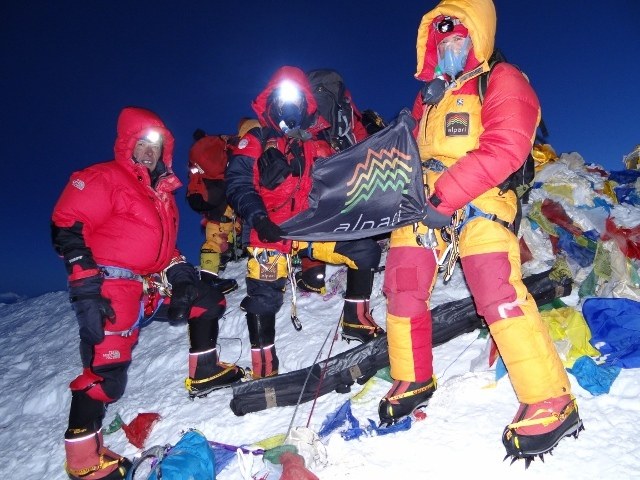
McKinley. June 30, 2012
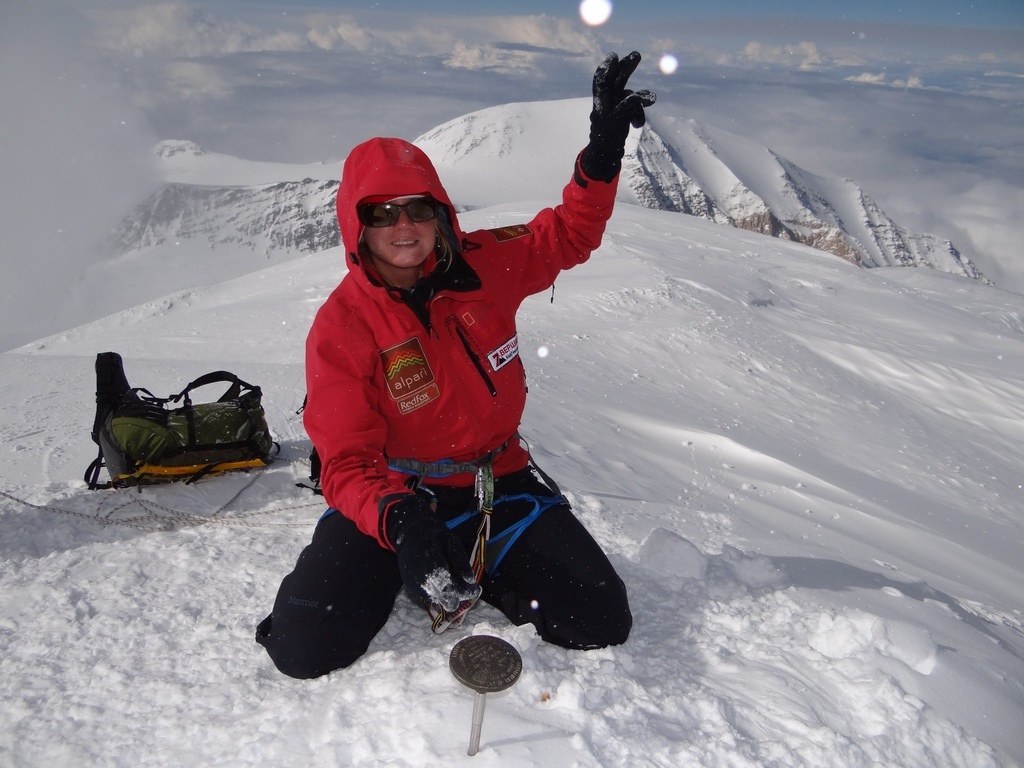
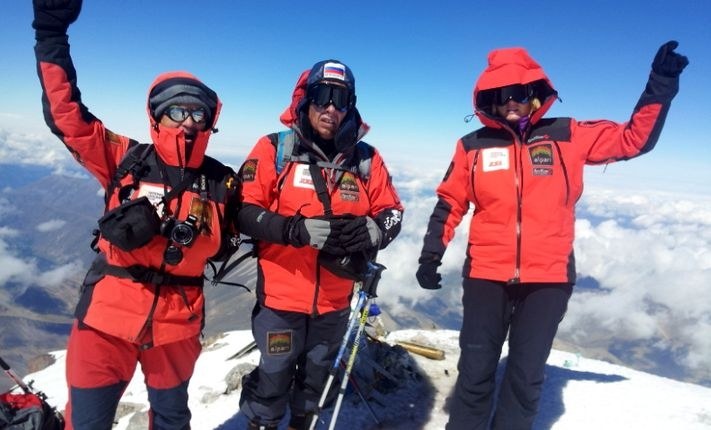
Elbrus. September 8, 2012
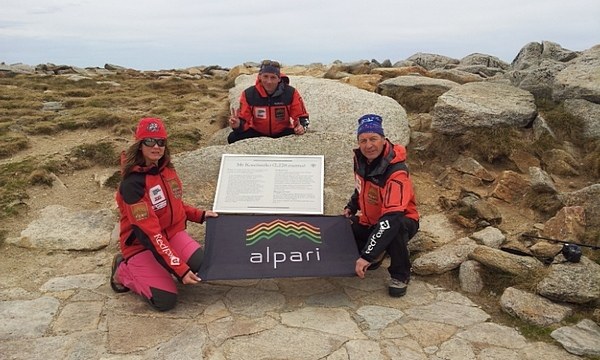
Kosciusko. November 5, 2012
Vinson December 11, 2012, 22-32 Moscow time.
My calculation: 292 days 2 hours and 2 minutes ..
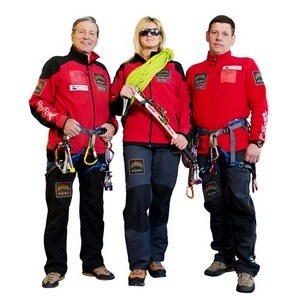
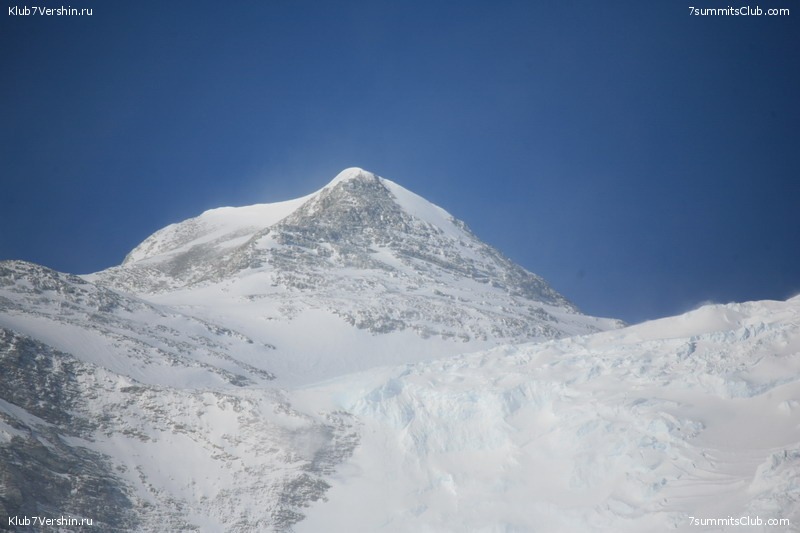



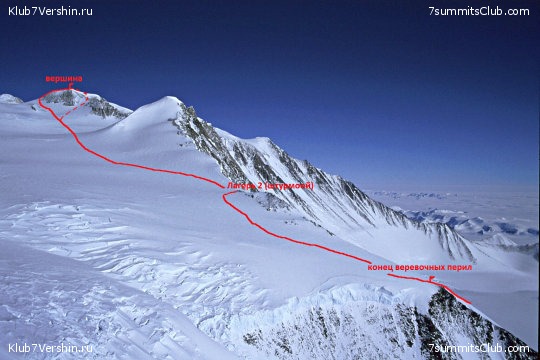
Our group climbed to the High Camp on Mt. Vinson
Vinson.
Today our group reached the High Camp on Mt. Vinson. Tomorrow they plan to climb the highest peak of Antarctica. Climb of Mt.Vinsonis it is the final stage of the epic "7 summits in 300 days” for Lyudmila Korobeshko, Ivan ...
Today our group reached the High Camp on Mt. Vinson. Tomorrow they plan to climb the highest peak of Antarctica. Climb of Mt.Vinsonis it is the final stage of the epic "7 summits in 300 days” for Lyudmila Korobeshko, Ivan Dusharin and Maxim Shakirov.
Collectors of Mountains: Seven Summits and more….
Carstensz Pyramid.
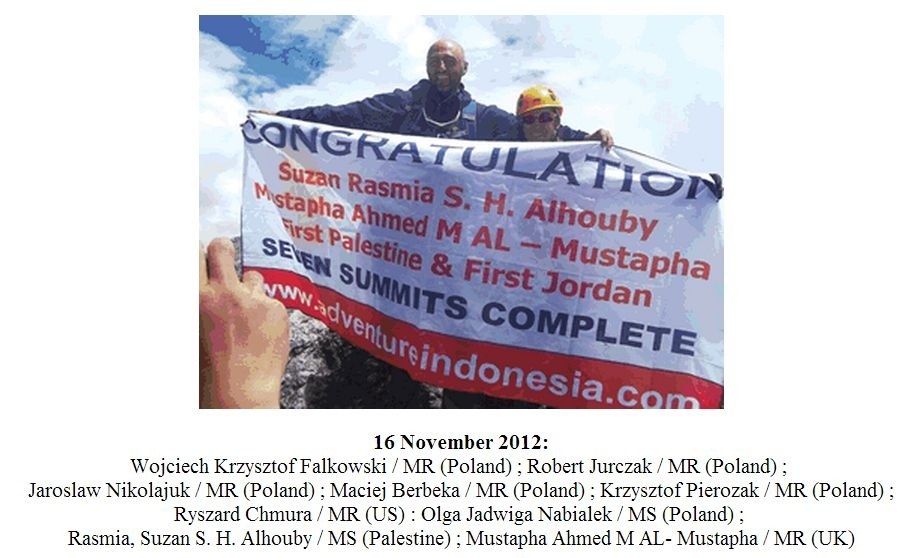
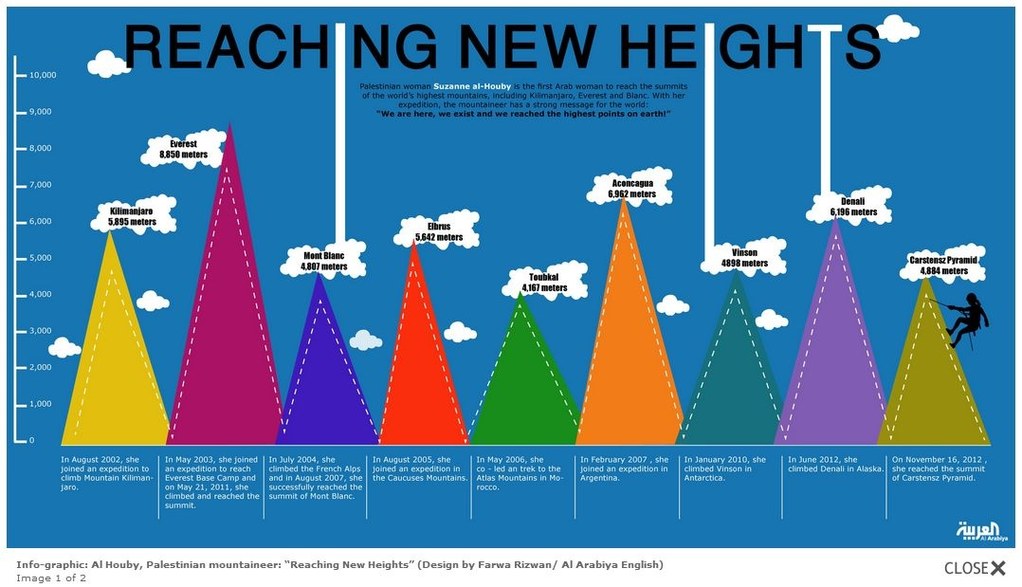
UAE-based adventurer scales Carstensz Pyramid in Oceania. DUBAI: The UAE-based adventurer Suzanne Al Houby, a Palestinian, has returned from her latest expedition with another world record as the first Arab woman to scale Carstensz Pyramid ...

UAE-based adventurer scales Carstensz Pyramid in Oceania.
DUBAI: The UAE-based adventurer Suzanne Al Houby, a Palestinian, has returned from her latest expedition with another world record as the first Arab woman to scale Carstensz Pyramid (Puncak Jaya), the highest mountain in Oceania, peaking at 4,884 metres.
Al Houby is famous for becoming the first Arab woman to climb Mount Everest last year and with this latest climb she has now officially conquered six of the Seven Summits — the highest mountain on each of the seven continents. Compared to previous expeditions, Al Houby has embarked on a pursuit of her goal, Carstensz Pyramid, located inPapua,Indonesia, which offers its own set of unique challenges.
The approach for this climb is known as the most difficult in the world.
The area is extremely inaccessible, with the journey beginning in a multi-hour flight acrossIndonesia, with as many as six stops, before landing on theislandofPapua, where the mountain is located.
From there, Al Houby and the rest of her expedition made a gruelling six-day trek across steep terrain through rainforests, swamps, mud slides and rock walls just to get to the base camp.
The expedition was supported by tribal porters from the Dani tribe, a people who live outside of modern civilisation and who have practised cannibalism well into the 20th century.
During the trek, the expedition had to pay sums of money to tiny villages as they passed through for fear of animosity towards them.
“The weather conditions were really bad because of continuous heavy rains,” says Al Houby.
“We were wet all the time and the rain made steep sections difficult to cross.”
“The continuous deterioration in weather affected the health of some of the climbers.
“This made me develop a nasty lung infection that began to make me weaker each day until we reached the base camp,” she said.
After reaching the base camp and taking a day’s rest, Al Houby pushed through on her attempt to the summit.
“I climbed the vertical rock walls until we were high up on the summit ridge. There we stood in front of one of the highest mountain obstacles in the world: a 12-metre gap between two rock pinnacles with hundreds of metres drop in between.
Along with Al Houby on the expedition was another Arab climber, the Jordanian Mostafa Salameh.
“This was the first time I’ve ever had another Arab climber in the team with me and the camaraderie was just amazing.
“We had a great time and we crossed the most challenging section higher up together,” she said.
Besides being the first and only Arab woman to ever climb Mount Everest, the highest mountain on earth at 8,850 metres, Al Houby was also the first Arab woman to climb Mont Blanc, Elbrus, Aconcagua, Vinson (the highest mountains in Western Europe, Europe, South America and Antarctica), in addition to Kilimanjaro and Toubkal, the highest mountains in Africa and North Africa respectively, amongst others.
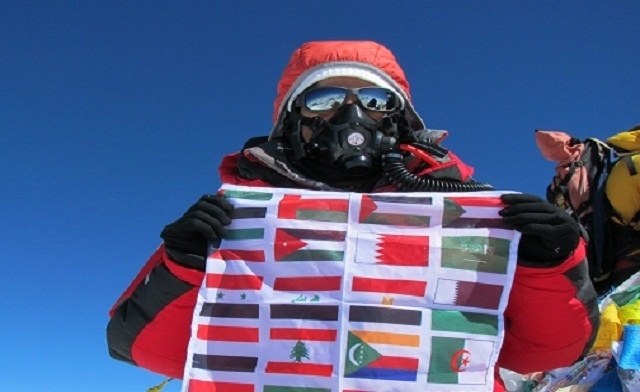
The summit of Mt. Everest
----------------------------------------------------------------------------------------
Everest hero Mostafa turns attention to charity and poles hikes
Mostafa Mahmoud
By David O’Leary
A FORMER city hotel worker who quit his job to climbMount Everesthas become the first Jordanian to scale the highest peaks on each of the world’s continents.
Mostafa Mahmoud Salameh, from Bruntsfield, resigned from his job as food and beverages manager at the Sheraton in 2004 to embark on the life-altering challenge of scaling the world’s highest mountain.
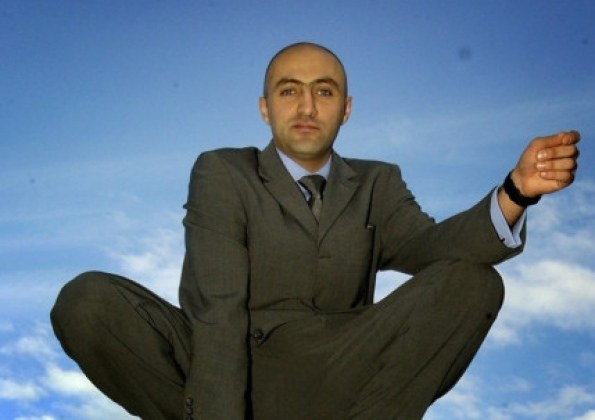
Not content with just reaching the 8850m summit, however, the 42-year old has gone on to complete the Seven Summits challenge and become a Jordanian national hero into the bargain – he has been knighted by the Middle Eastern state.
Last Friday, the Queen Margaret University graduate reached the summit of the Carstenz Pyramid in Indonesia, finishing an eight-year odyssey which has seen him scale Everest along the border of Nepal and Tibet/China; Mount McKinley in Alaska; the Vinson Massif in Antarctica; Aconcagua in Argentina; Kilimanjaro in Tanzania and Mount Elbrus in Russia.
He said: “It’s a relief to finally complete them all. I head toJordannext week to hand the flag back to the king ofJordan. It was easily the toughest trek I’ve ever done, just getting to the mountain through dense Indonesian jungle was an ordeal.
“It would take us a whole day just to complete 200 metres, there are also about 50 different tribes living in the area and we would have to stop and trade with each one.
“Everest base camp was a walk in the park in comparison.”
He added: “After weeks with no shower, eating rice for breakfast lunch and dinner, I finally made it to the top of a giant, jagged rock, raising the Jordanian flag on the last of my Seven Summits.”
The intrepid explorer still callsEdinburghhome, though, and regularly returns to the city.
He said: “Edinburghis my base and I return every couple of weeks. The next time I’m back I will go to a few schools and give some talks. My wife is pregnant at the moment and we are going to have a second child in four weeks time so this will be my next summit.”
Following the birth of his child, Mostafa will begin training for his next adventure in January and is planning a 60-day hike to the South Pole before flying toNorwayto begin a journey to the North Pole.
He added: “If successful I will become one of only 25 people in the world to complete both the Seven Summits and both poles. My plan is to complete the South Pole in November 2013 and finish the North Pole in April 2014.”
Next April, Mostafa will also lead 20 Jordanian celebrities to Everest base camp to raise more than a million dollars (?625,000) for the King Hussein Cancer Foundation.
---------------------------------------------------------------------------------------------
Blind climber receives Hillary grant for Seven Summits
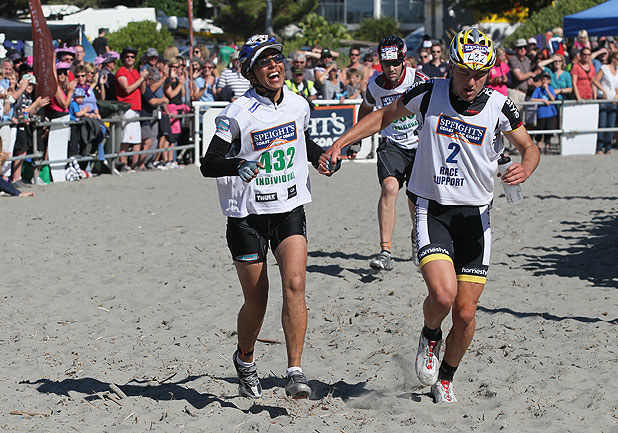
Blind runner Neelusha Memon and helper Olly Marshall finish the Coast to Coast race at Sumner
News Pursuit leads to Hutt drugs, weapon bust Auction decides fate of family's farms Licence suspension rescheduled around tournament Kapiti killing accused appears in court Rare whisky remedy memorable, says doctor Post mortem for burnt-out car death Officers' actions played role in prisoner's death Wellington Santa Run raises cash for kids DOC hikes Kapiti Island fees to increase returns.
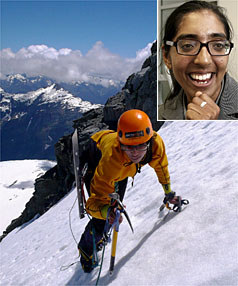
Legally blind adventurer Neelusha Memon’s dream of conqueringSouth America’s highest peak is one step closer thanks to a Hillary Expedition Grant.
Today it was announced she was one of seven teams to receive a Hillary grant, which provides funding from Sport New Zealand for Kiwis to undertake outdoor challenges.
The 28-year-old Wellingtonian has set out to summit the seven highest mountains across the seven continents, starting with the 6960m-high Mt Aconcagua.
Ms Memon said she was thrilled to receive the grant, which would help to fund her ascent of the Argentinian mountain with support guide Gavin Lang.
‘‘I didn’t think it would ever really go ahead, based on the fact we couldn’t get funding, so to get this grant is a massive thing for me.’’
The worldwide expedition was a personal challenge for Ms Memon, the ‘‘ultimate test’’ of her physical and mental endurance.
But she was also hoping to set an example for others to follow.
‘‘I’ve got impairments but I’m still able to complete my dreams, with the right support.
‘‘Once they realise it, pretty much everyone is limitless in what they can do.’’
When she was 16, Ms Memon lost 70 per cent of her vision after a post-viral autoimmune response caused her to fall into a four-month coma.
She also lost her sense of balance, and had to learn how to walk, talk and swallow again.
A lifelong fan of the outdoors, Ms Memon has been setting herself adventure challenges since 2010, when she climbed Mt Aspiring in the South Island.
In February this year, she became the first legally blind runner to complete the Coast-to-Coast race.
She hopes people will track her fitness, balance and altitude training as well as the November 2013 ascension of the peak on the Hillary Expedition website, and will be inspired themselves.‘‘I wantNew Zealandto come along on the journey with me, and be part of this – to encourage people to get out in the outdoors.’’
After reaching the summit of Aconcagua, Ms Memon planned to climb Mt Kilimanjaro, Elbrus, Carstensz Pyramid,Denali, Vinson and Everest, over the next five years.
THRILL-SEEKERS
- Sarah Wilson will complete a Cook to Cook multi-sport expedition, climbing Mt Cook, cycling to Picton, then kayaking acrossCook Straitin January 2013.
- Brothers Nathan and Nigel Watson will climb 21New Zealandmountains over 2000m in 21 days in February, in theNelsonLakesNational Park.
- In April, Rob Frost, Ben Dare, Andrei van Dusschoten, and Scott Blackford Scheele will attempt to be the first Kiwi team to summit Himalayan peak Anidesha Chuli, also known as the White Wave.
- Kayaking team Jordan Searle, Barny Young and Shannon Mast will make a record-breaking attempt in April for the first kayak descent of the Grand Canyons of theChimbuRiverinPapua New Guinea.
- In May, Mayan Smith-Gobat will free-climb ‘‘The Nose’’ wall inCalifornia’sYosemite Valley, and will try to break the current speed record of 2 hours 26 minutes.
- Christine Burke will attempt to become the firstNew Zealandwoman to reach the summit of both the Gasherbrum1 and 2 mountains on the Pakistan-China border, in June.
--------------------------------------------------------------------------------------------
To be the first sevensummiter in Colombia

Colombian climber Manolo Barrios prepares himself for one of the biggest challenges of his storied career: climbing the tallest mountain inAntarcticaby himself, reported local media on Tuesday.
In 2001, Barrios became one of only four Colombians to ever reach the top ofMount Everest. Such a feat would usually be the peak for any adventurer, but for Barrios it was not enough.
"What now?" Barrios asked after scaling the world's tallest mountain.
The idea of 'The Seven Summits' originated after Barrios and others scaledMount Everest. The idea is simple -- reach the highest point on every continent.
"We climbed Kilimanjaro in Africa, Mount McKinley in Alaska, Aconcagua in Chile and Elbrus in Russia. But in my case," said the 55-year-old Barrios, "I need only this mountain [Antarctica's MountVinson] and one in New Guinea."
Located on the Ronne Ice Bank 1,200 miles from the South Pole,MountVinsonis 15,256 feet above sea level.
Barrios plans to climb the ominous peak in December, when the weather can be even more unforgiving than normal. Sunlight shines 24 hours a day and winds can reach speeds of up to 180 miles per hour. In addition to the hurricane winds and the unyielding brightness, Barrios will have to deal with the cold and the solitude.
"It is one thing to talk about it, it is another to live it," as Barrios put it.
If all goes according to plan, Barrios will make it to the top of Mount Vinson, the sixth of his 'Seven Summits', by the end of December and will plant the first Colombian flag onAntarctica.
But as Barrios himself admitted, summiting the mountain is dependent on one thing.
"The mountain will decide when I turn back."
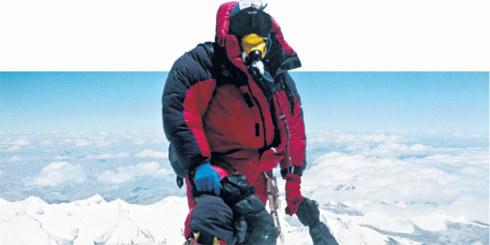
On Everest
---------------------------------------------------------------------------------------------
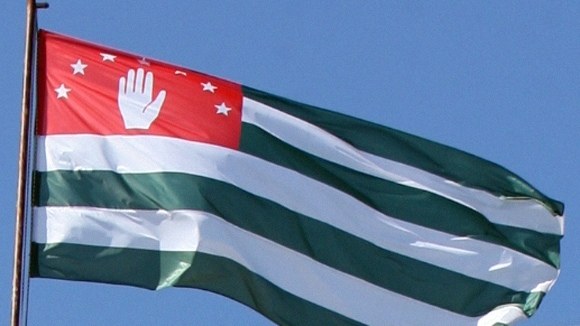
Abkhazia declared a climbing war to Georgia
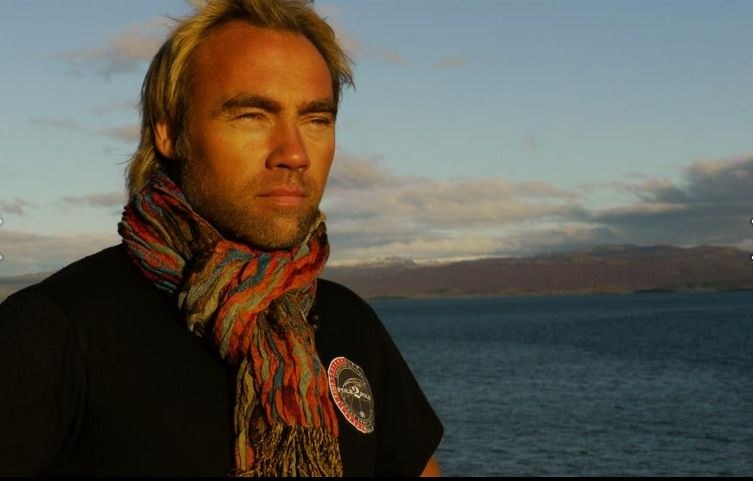
Mount Aconcagua (6962 m altitude) in Argentina become a theater of a climbing war between Georgians and Abkhazians. December, 20 four Abkhaz mountaineers (led by specially invited to this project famous Swedish explorer Johan Ernst Nilson) starts an expedition to conquer the tallest summit of America. Abkhazians want to plant on the top a flag of their country, Georgia's breakaway autonomy. Before the first trip to the Andes, the Abkhaz climbers have already set flags on Elbrus (5642 m) and Mount Kilimanjaro (5,895 m).

Abkhaz Foreign Ministry has decided to support the project with public funds and businessmen of the republic.
In January 2012, the well-known Georgian climber and politician George (Gia) Tortladze planted on a top Akonkagua not only Georgian flag but a banners with the words "Georgiawithout occupation." Later, in April, he climbed Mount Everest (8,848 m), setting on the highest peak in the world similar exposition with an extension, which added the words "Russiaget out from Georgia!".
- Due a weather conditions any flag or banner do not stay long on the tops, the main thing - to capture it all on film - George Tortladze told to the newspaper "Izvestia". - Then show it on different channels - this is a great response.
Tortladze criticized Swedish climber for taking part in the Abkhaz ascent.
Influential politician - George (Gia) Tortladze. Two times Everest Summiter
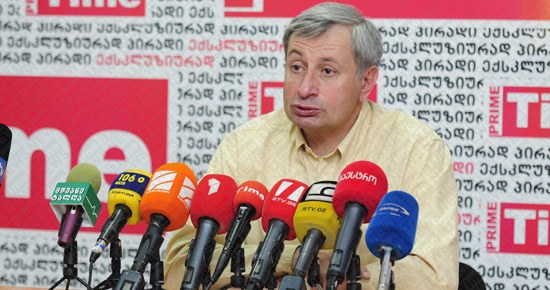
- I think he will get big money for this expedition. And if he did take part in the promotion of separatism, I put this in the world of travelers. Nielson will regret - said Tortladze.
Tortladze also continues his sports-political exploits. With the Georgia flag and an anti-Russian banner, 52-year Georgian plan to climb the fifth summit of planet - Makalu (8485 m) in the Himalayas. This will be in spring with an international team of 10 climbers.
Sir Ranulph Fiennes' 'coldest journey' begins
South Pole.
By Matthew Priceю BBC News. The team face a 2,000-mile journey acrossAntarctica, which they hope to start in March next year. Sir Ranulph Fiennes is leading a team of five other explorers in a quest to achieve a feat no other human ...
By Matthew Priceю BBC News. The team face a 2,000-mile journey acrossAntarctica, which they hope to start in March next year.
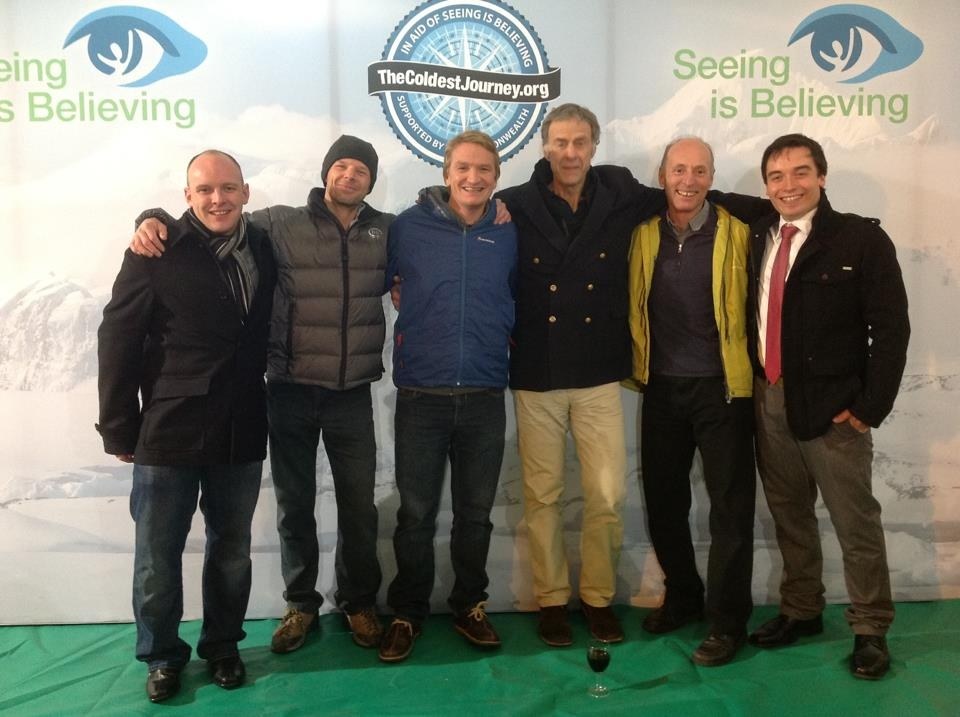
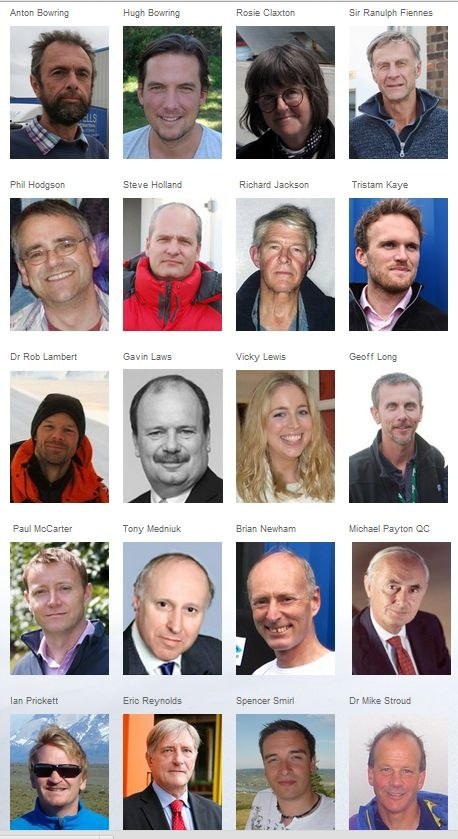
Sir Ranulph Fiennes is leading a team of five other explorers in a quest to achieve a feat no other human has managed - to walk across Antarctica in the near permanent darkness and super low temperatures of winter.
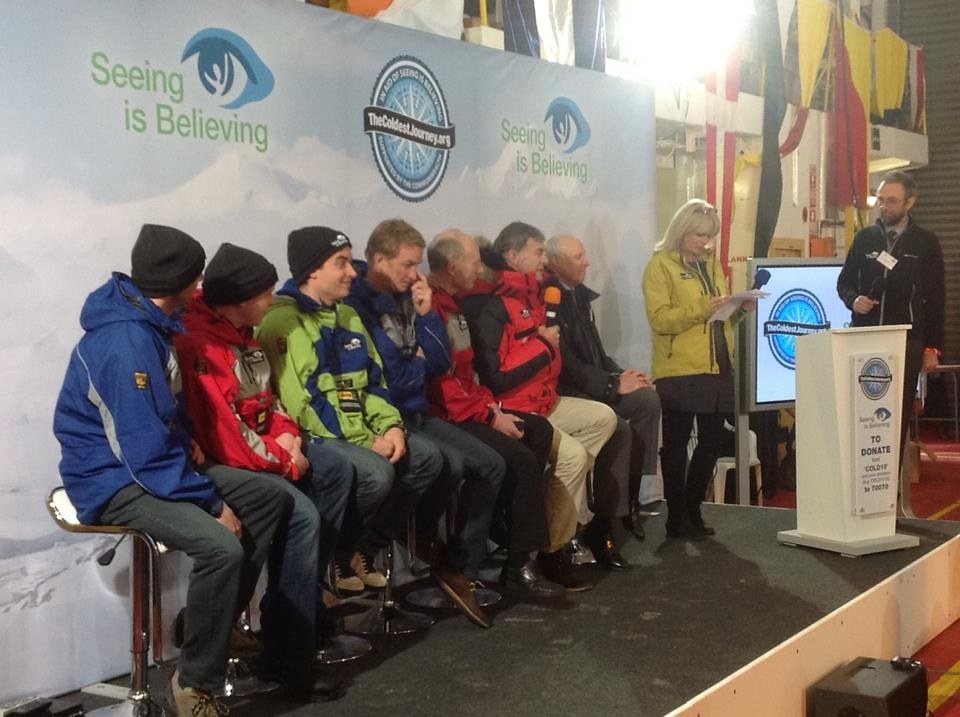
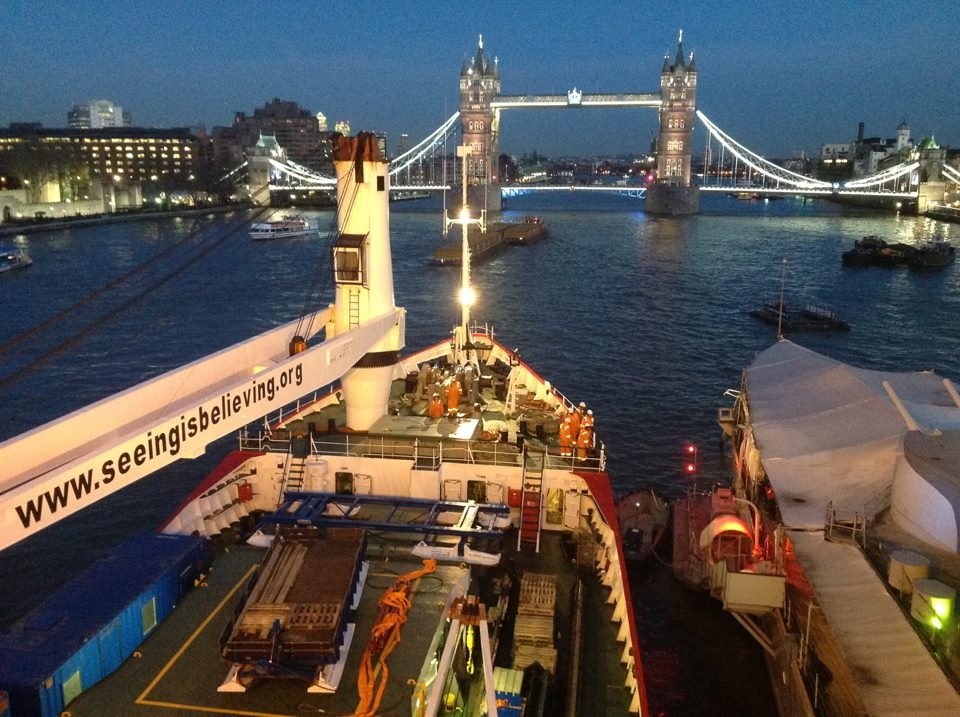
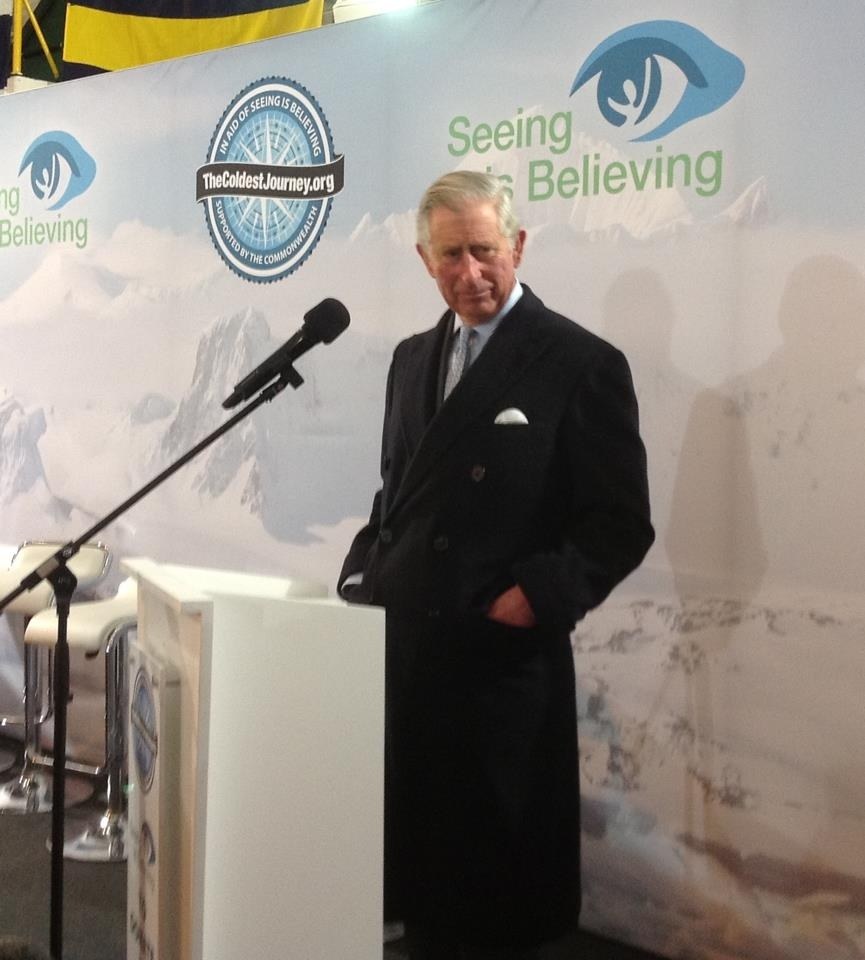
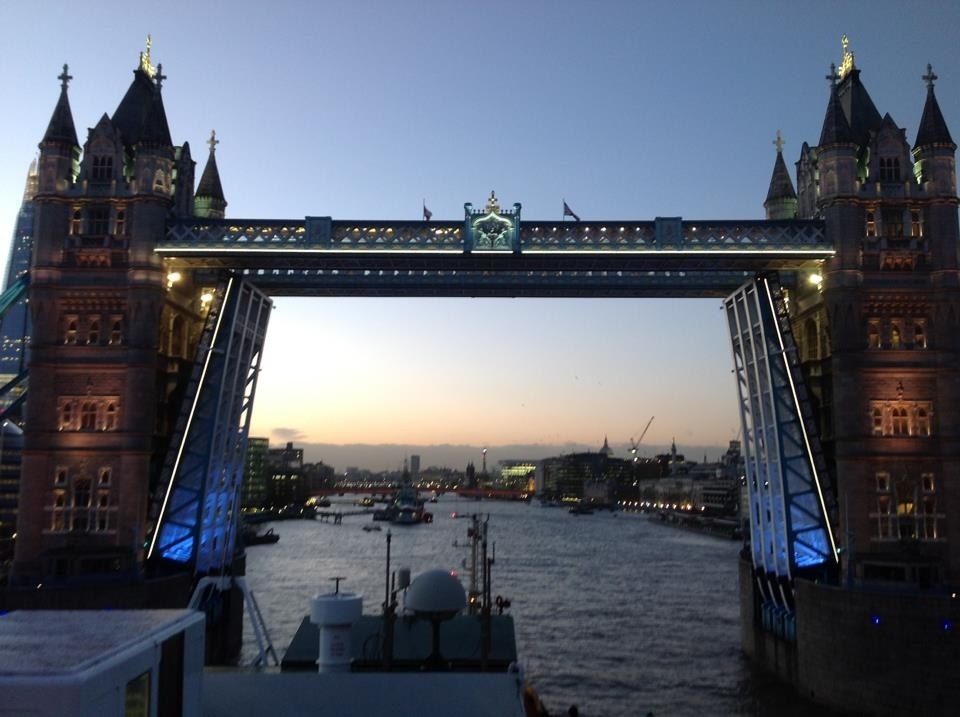
Phase one of The Coldest Journey expedition - which aims to raise millions of pounds in donations for the Seeing is Believing charity to tackle avoidable blindness - begins later when the icebreaker SA Agulhas sets off from the River Thames.
The journey from a wintry Thames to the ice shelf ofAntarcticawill take just over a month.
During their sea voyage, team members will obtain data on marine life, oceanography and meteorology.
On Thursday afternoon, after a suitable send off, the SA Agulhas will weigh anchor and slip beneathTowerBridgeon its way to the world's coldest continent.
The expedition force is led by the man known as the world's greatest living explorer - 68-year-old Sir Ranulph Fiennes.
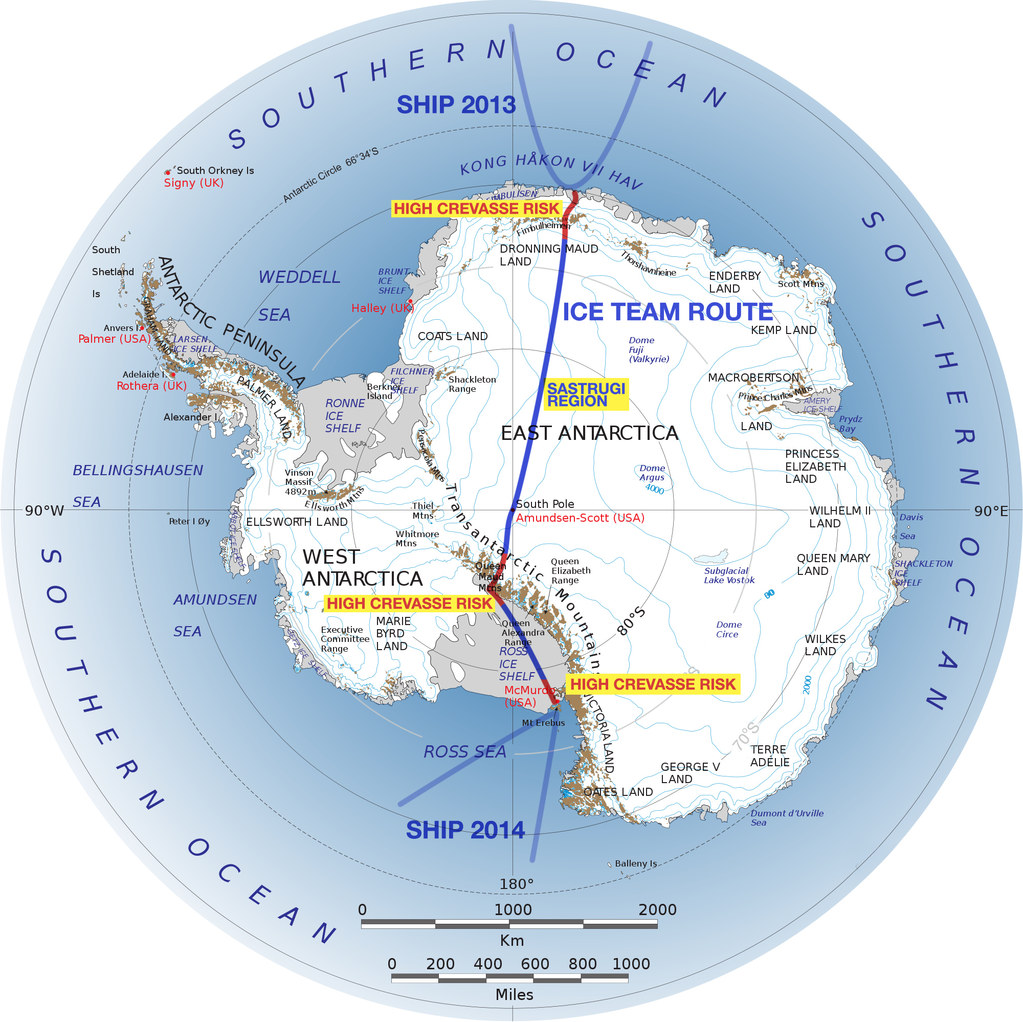
It's an expedition that's been in the planning stages for years, Sir Ranulph says on the bridge of the ship, while looking at a map of his route.
"The idea came up about four-and-a-half years ago. We started approaching the Foreign Office for permission to go and we finally got it 10 days ago."
Aboard the SA Agulhas is a giant crane. It will be used to lift some 200 tonnes of equipment onto the ice ofAntarctica.
The BBC's Matthew Price has been aboard the SA Agulhas to see how preparations have been going
It consists of three huge industrial sledges - each with a modified shipping container placed on top.
Inside two of them are living quarters, and supplies. In the third, a science lab.
Behind these there'll be another 14 smaller sledges, each transporting fuel.
That will power the two bulldozers that have been specially re-equipped for this expedition, in the hope they can drag the entire team across 2,000 miles of some of the world's most inhospitable terrain.
In front of this whole procession, two skiers will lead the way, pulling a small ground-penetrating radar system that will help them locate crevices. That will be crucial if they are to make it across.
The expedition proper - from the Russian base of Novolazareskaya to theRossSea- is due to begin on 21 March and is expected to take six months.
----------------------------------------------------------------------------------------------
Supplies
165 rolls of toilet paper (12 sheets per man per day)
20kg of dried egg
7,300 tea bags
4,400 packets of soup
30 toothbrushes
230kg of chocolate
600 metres of rope
15 pairs of boxer shorts per man
Boots with electrically-heated insoles
-----------------------------------------------------------------------------------------------

"The vehicles are a bigger potential problem than the people," believes Sir Ranulph. "Minus 80 could be damaging to lung tissue when you're breathing while skiing."
But he says that, "in the vehicles you have steel and rubber which don't like minus 70 - never mind when they're towing everything - so there is an unpredictable element there".
To get Foreign Office permission to go toAntarcticathey had to prove they could be self-sufficient. That's why the vehicles must be used to tow everything they might possibly need. In the Antarctic winter there's no way of being rescued.
Sir Ranulph wants to beat Norwegians to new Antarctic record
"That means everything from vehicle spares down to a toothbrush," says Brian Newham, who'll be on the team crossing the continent, and who's also been organising the gear for the expedition.
He's even been counting the number of sheets on a toilet roll.
"We're taking 165 rolls. That's one for all of us for every 2.25 days," he says.
Is that enough?
"I'd better have it right," he smiles.
Everything they take with them will be removed from the ice at the end of the expedition. Including the human waste.
There's enough food for each of the six-person team to last 365 days if it's necessary. They hope it won't be.
The food consists of specialist dried fruits, sports nutrition products, and normal dried foods like lasagne. They can't take tins with them as they'd freeze and burst.
"I can't say I think we can make it," admits Sir Ranulph.
"I don't know it's possible - it's rather like the Americans when they went to the moon. Was it possible? They didn't know."

Source: http://www.bbc.co.uk/news/uk-20619050
Fox News
Departure
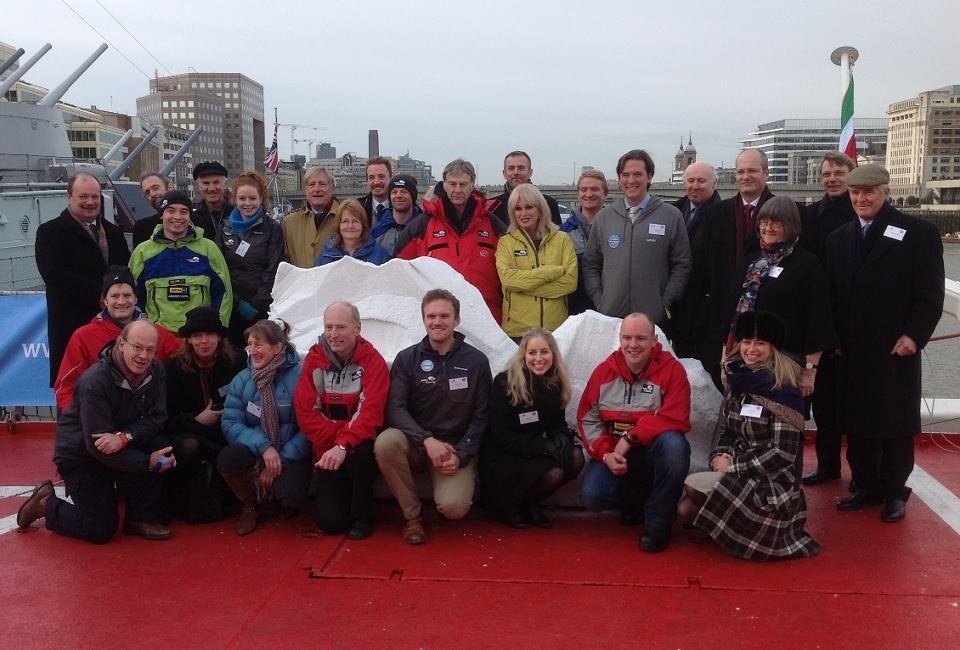
The team of Alpari in the Low camp of Vinson
Vinson.
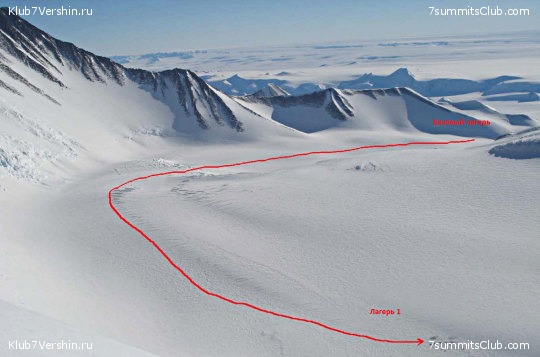
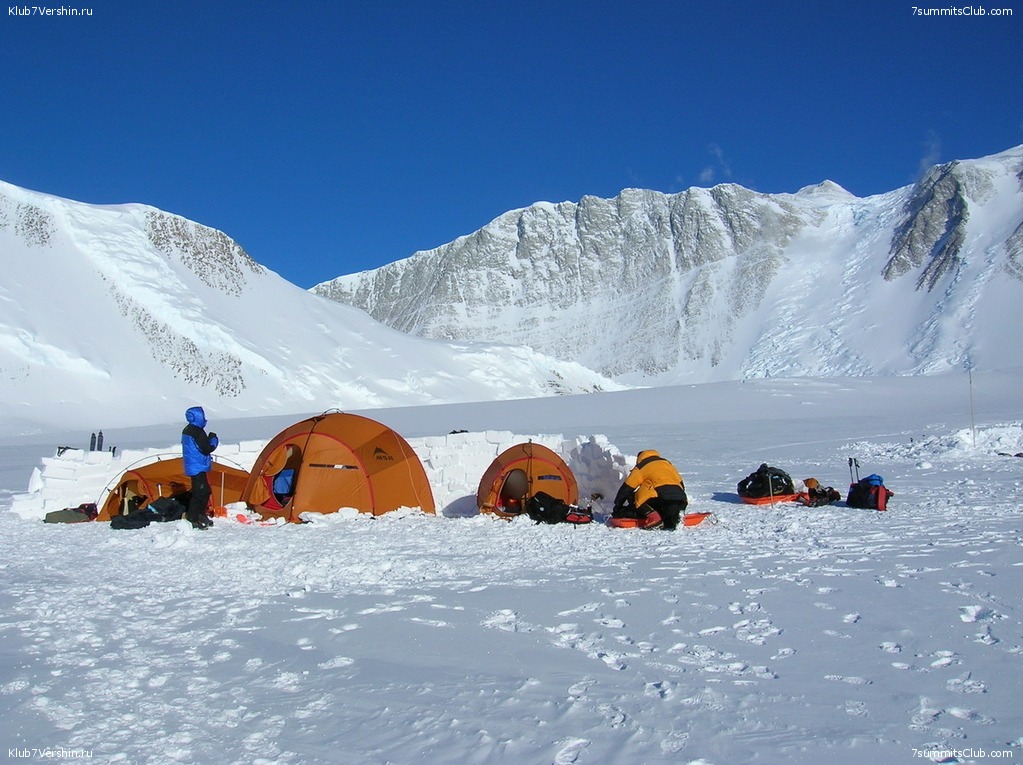
Hi! This is Lyudmila Korobeshko from the expedition "Alpari on top of the world." So, we are in Antarctica under the Mt.Vinson massif. Yesterday we arrived at base camp, spent a night, and today went up to the next camp, the so-called Low ...
Hi! This is Lyudmila Korobeshko from the expedition "Alpari on top of the world." So, we are in Antarctica under the Mt.Vinson massif. Yesterday we arrived at base camp, spent a night, and today went up to the next camp, the so-called Low Camp. It was quite a difficult trip. We're spent about 7-8 hours. Walking was difficult, because we have a heavily laden sledge. The back of Ivan Dusharin still hurts, but we hope that soon he will get better. The weather is still good. Near the camp in the morning quite a large avalanche came down ... But we are not affected.
Greetings for all.
Best regards !
Source: http://www.alpari-life.ru/low-camp/
Climb of Mt.Vinson is the final stage of the epic "7 summits in 300 days” for Lyudmila Korobeshko, Ivan Dusharin and Maxim Shakirov.
Graham Hughes, British Adventurer, Becomes First Man To Travel To Every Country Without Flying
On January 1, 2009, Graham Hughes set out on his mission to visit every sovereign state on Earth without flying, and become a Guinness World Record holder in the process. Nearly three years later, on November 26, he achieved that feat after ...
On January 1, 2009, Graham Hughes set out on his mission to visit every sovereign state on Earth without flying, and become a Guinness World Record holder in the process.
Nearly three years later, on November 26, he achieved that feat after his passport was stamped with the markings of the world's newest country,South Sudan.
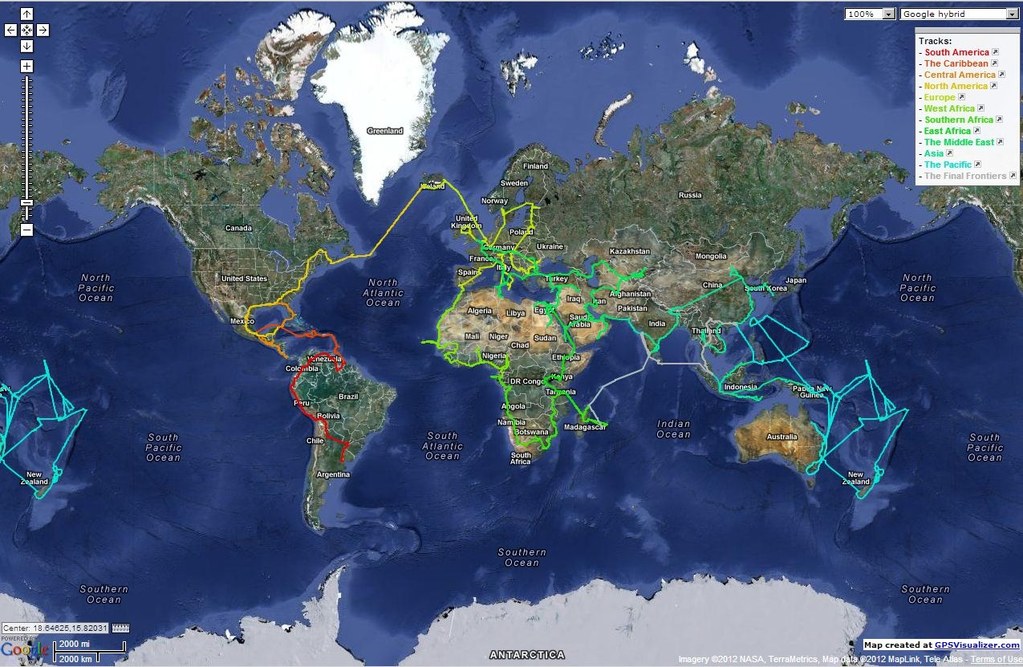
Hughes, 33, has visited all 193 United Nations member states, as well as Taiwan, Vatican City, Kosovo, the Palestinian territory, and Western Sahara -- all by train, bus, taxi or ship, spending an average of 10 pounds per day, reports The Telegraph. Need proof? He has photographed every page of his passport as of June 2011.
"The main feeling today is just one of intense gratitude to every person around the world who helped me get here, by giving me a lift, letting me stay on their couch or pointing me in the right direction," Hughes told The Daily Telegraph from Juba, the capital of South Sudan, after achieving his goal.
Of his journey's challenges, Hughes said: "People asked me how I was going to get to Afghanistan or Iraq or North Korea, but they were the easy ones, you don't even need a visa for Iraq, you just walk across from the border in Turkey...The really tough ones were places like Nauru, and the Maldives and the Seychelles, island countries where there were also pirates."
Along the way, Hughes raised money for WaterAid and filmed for the National Geographic Channel. Check out his very complete travel map of the world here and his interview with a New Zealand TV station below.
Source: huffingtonpost.com
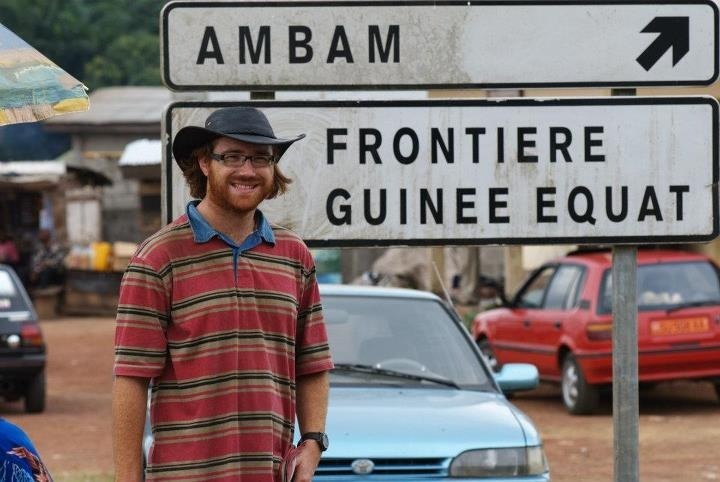
Just last week, Graham Hughes became the first person to visit every country on earth without flying. After almost four years of travel, the 33-year-old fromLiverpool,England, set foot in his 201st and final country,South Sudan. When he began his challenge, the country did not even exist, but now it represents the crowning glory of a long and frustrating journey.
It started as a mad dash, one-year trip, back toAustraliato be with his girlfriend, captured on the TV show, Graham’s World, on the National Geographic Adventure Channel. But things did not turn out quite as planned. Hughes broke up with his girlfriend, the show ended, and the journey took almost four times as long as intended, but he has finally achieved his goal.
Hughes caught the travel bug early, visitingEastern Europewith his family as the Iron Curtain was coming down, and has not really stopped since. He does not, however, really have the look of a modern day adventurer. There’s no army physique or weathered features, just a typical looking English guy in a fedora, the hat made famous by Indiana Jones. Indeed, Hughes has dubbed himself the "Thinking Woman’s Indiana Jones," but it is another one of his fictional role models that he most resembles, Phileas Fogg. The 19th-century protagonist of Jules Verne’s Around the World in 80 Days was an unflappable charmer and schemer, able to think on his feet and talk his way around the world. Like Fogg, Hughes will return toLiverpoolby boat, having succeeded in a scheme, very much in the vein of a late Victorian adventurer.
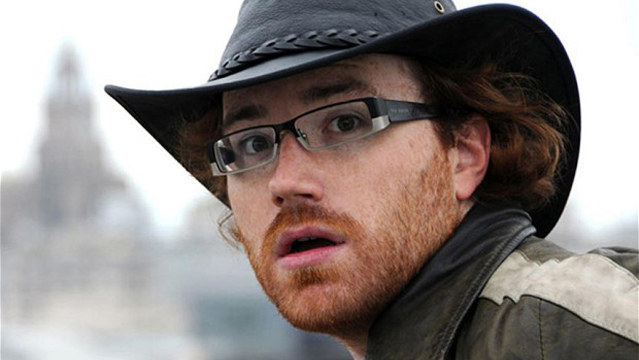
Here, Hughes tells us why theUnited Stateswas one of the hardest places to enter, what pieces of equipment have been indispensable to him over the past four years, and what he plans to do if new countries are created.
Why did you embark on this journey?
I think it’s the same sort of reason people give for Everest: because it’s there. The challenge was there and no one had done it before. It was a Guinness World Record I knew that I had the ability to achieve and I thought it was possible. I’d traveled before starting this and I wanted to do at least one amazing thing in my life—and now I’ve done it.
You’ve said it was a decade-long dream. How did it come to fruition?
I got the concept for it when I went backpacking in 2002. I’d bought an around the world ticket and went to a lot of places. I had the most amazing experience. I said after that, Would it be possible to get to every country in the world without flying?
Throughout the 2000s, as the world was getting more peaceful and wars were ending in West Africa andCentral Africa, I realized the world was getting a bit more easy to get around. By 2008, I realized I could do this in the next couple of years. I spoke to people at Lonely Planet Television inAustraliaand they really liked it and said you could probably do it. They commissioned me to make a TV series that was on National Geographic a couple of years ago, the first year of my adventures.
It’s taken almost four years to do. Did you ever think about quitting at any point?
I never thought about quitting. I had some difficulty last year because my sister passed away. After that I didn’t want to quit, but I wanted someone to take the reins and sort of deal with the complicated stuff and arrange things for me. For the whole trip I’ve been a kind of one-man band. It was a lot of responsibility to keep it going, but there wasn’t a point where I thought I was going to give up. I felt like it would be letting so many people down, people who had helped me on the journey.
Did you have any indispensable bits of equipment that kept you company throughout your travels?
My GPS logger is still with me. My trusty camcorder has been with me all the way. There are bits of equipment that really are indispensable when you’re traveling, like a Swiss Army Knife, wet wipes, a bank card, and a passport. But I travel pretty light.
Which was your favorite country?
A little island state calledPalau.
Which was the hardest country to get in to?
The U.S.A. now, because I need some crazy visa! But other than that, the Seychelles because of the Somali pirate situation. I tried from about seven different places in the world to get to theSeychellesbefore I actually cracked it.
What was the issue with the U.S.?
I was on a ship going to Micronesia and Palau. It stopped in Guam, which is part of the U.S.commonwealth, but they wouldn’t let me off the ship. They said I needed a special visa waiver that costs $100 and I had to apply for it three days in advance. How is that not a visa?
What was the most dangerous experience or place?
I was inSenegaland I had to get some fishermen to take me over toCape Verdeon a pirogue, a wooden canoe with an outboard motor on it. I was on it for four days in the open ocean with no radio, no distress signal, no satellite phone, and no means of communication if anything went wrong.
Was it terrifying?
It was fine, I suppose. There was no storm or anything. I watched the movie The Perfect Storm a few weeks afterwards. If I’d watched it before, it might have been a different story.
Who were the friendliest immigration officials?
Mauritius was OK. They were pleased to see me. Going into Afghanistan, the guy was laughing. The border guard asked me what I was doing there. I said, "I’m a tourist." He said, "You’re no terrorist, we have too many terrorists here." That kind of thing. Some places people have been really welcoming. In Sierra Leone, the guy on the border basically gave me a hug because I’m British. It was because of the conflict there that was ended in 2002. He said the British saved his life.
What aspect of this journey would you consider your greatest achievement beyond the title and the record?
Not going home in four years—that’s a pretty good achievement! I think having the determination to see it through to the end when things got very difficult. In the first two years, I traveled through 184 countries. In the last two years, I’ve been to 17. That’s because they’re all islands in the middle of nowhere. Or places like theSeychellesand theMaldivesthat are in pirate areas.
The record might not be static. Are you scanning the map to look at the potential for new countries to come into existence?
Yes. I want to do this for the rest of my life. The idea is that every time a new country gets created, I go and visit it overland. I’ll take three or four months out of my life to go and do that. I kind of like that idea. I’m keeping an eye on things.
Are you driven by the idea of fame and creating attention as an adventurer?
Long term I want to make feature films and tell stories, so that’s not that important to me. I do like that idea, but it’s not the main reason I did this. I did this more than anything because I wanted to get in the Guinness Book of World Records, and it had never been done before, and it was something that I’m good at. I’m really good at travellng! I don’t get ill when I travel, I can sleep anywhere. I’m great about waking up when I need to get on a train. I seem to be naturally adapted very well to this kind of lifestyle.
Do you have any role models as an adventurer or a traveller?
My role models are obviously Phileas Fogg, Michael Palin, and my father. Those are my inspirations.
Your journey was different from most people’s experience of travel. How meaningful is as a travel experience when you constantly have to think about the next country or the next challenge?
Obviously, there’s a difference between traveling for the sake of traveling and going on holiday because you need to relax from work. I don’t feel like I’ve been on holiday for four years at all. I feel like I’ve been working for four years toward something.
If you want to sit on a beach and relax, that’s fair enough. I get a bit annoyed when fellow travelers will tell you that you’re not doing it right. Just because you didn’t go to this hut inLesotho, you’ve never really experiencedSouthern Africa. Come on, seriously? Everybody has his or her own experiences of travel. Travel is a very subjective thing. I don’t think there is a right way to do it and a wrong way to do it. I just think there’s a way that you enjoy and I actually enjoy this.
What’s next for you?
I want to do some more TV shows. I enjoyed doing the show for National Geographic. I like telling stories. At the end of the day, I get a random email from some person halfway around the world, saying they’ve been inspired by my travels.
Olya Rumyantseva from the base camp Vinson
Vinson.
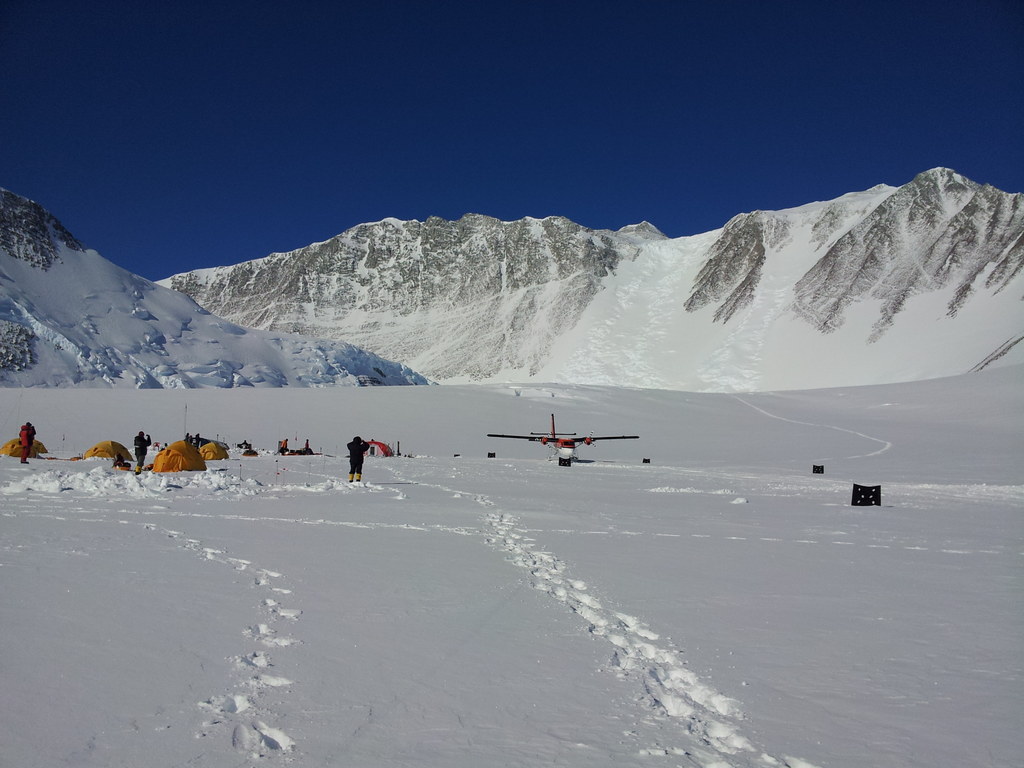
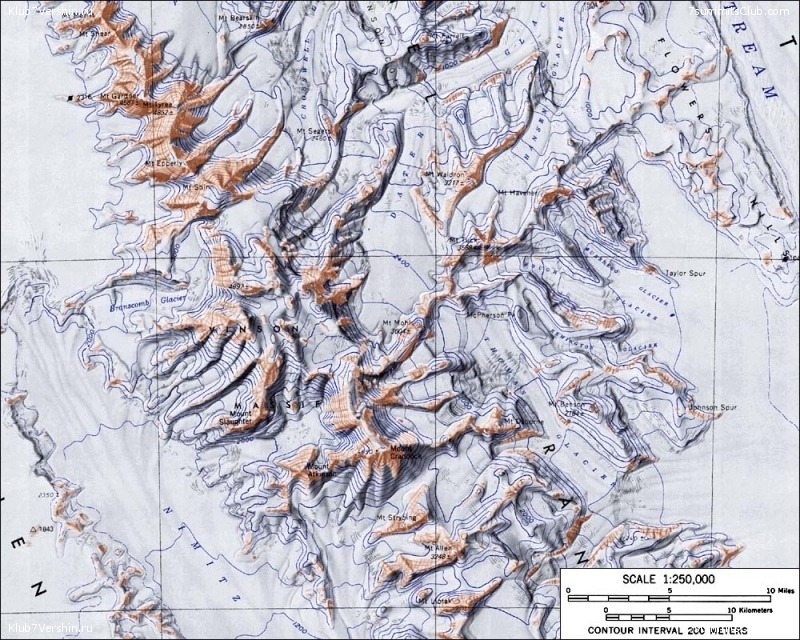
Hello! It is Olya Rumyantseva from Antarctica. This morning we took a small airplane and flew from the Union glacier to the base camp ofMt.Vinson. Now we are checking our things, settle down putting the camp. Soon we will prepare ...
Hello! It is Olya Rumyantseva from Antarctica. This morning we took a small airplane and flew from the Union glacier to the base camp ofMt.Vinson. Now we are checking our things, settle down putting the camp. Soon we will prepare dinner. And tomorrow morning, early, we plan to start fro the lower camp. We are fine, the weather is pleasant. We hope that this will continue.
All, bye!

The team “Alpari on top of the world” came in Antarctica
South Pole.
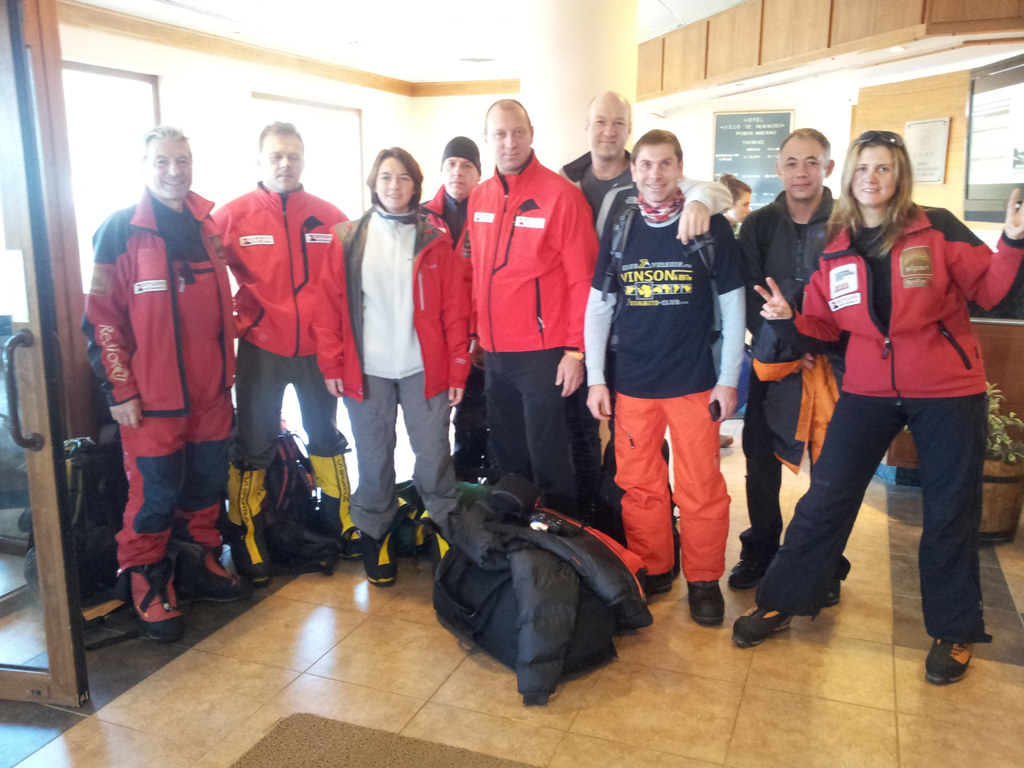
"Yes, we are now already in Antarctica. In the morning the phone woke us up at 6 am. We leave. At 9 am we took off from Punta Arenasand arrived at Union Glacier. Now it's warm here, we can say even hot. This is summer. In general, we are ...
"Yes, we are now already in Antarctica. In the morning the phone woke us up at 6 am. We leave. At 9 am we took off from Punta Arenasand arrived at Union Glacier. Now it's warm here, we can say even hot. This is summer. In general, we are not fooled, we really came to the south. We all feel good, the mood is amusing. And we hope that today, a little later, we will fly to the Vinson Base Camp".
Lyudmila Korobeshko, Ivan Dusharin and Maxim Shakirov will climb the last mountain of their attempt “Seven Summits in 300 days”.
In Punta Arenas
Lyudmila Korobeshko met Ivan and Max. In a day there will be a flight to Antarctica
Vinson.
The plane was delayed and landed just after midnight. Ivan Dusharin and Max Shakirov came out last, than they made Lyudmila be worry. 48 hours of flights were pretty tired for them. However, they immediately started with jokes. ...
The plane was delayed and landed just after midnight. Ivan Dusharin and Max Shakirov came out last, than they made Lyudmila be worry. 48 hours of flights were pretty tired for them. However, they immediately started with jokes.
But there is no time to rest. The weather is good and representatives of ALE promise 4th or 5th December a flight to Antarctica at Union Glacier.

Golden Axe of Russia 2012
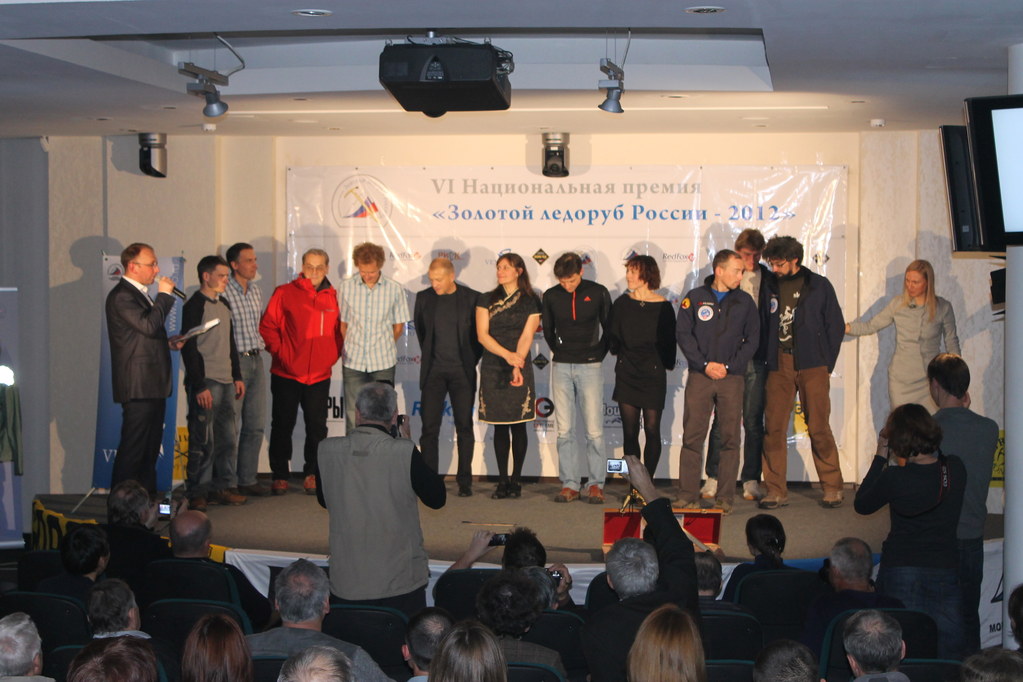
The 7 Summits Club was a sponsor of the main victors of a year’s ceremony of Mountaineering Federation of Russia, which took place in the evening of December 1 at the Luzhniki Press Center. The main prize of the national award "Golden ...
The 7 Summits Club was a sponsor of the main victors of a year’s ceremony of Mountaineering Federation of Russia, which took place in the evening of December 1 at the Luzhniki Press Center.
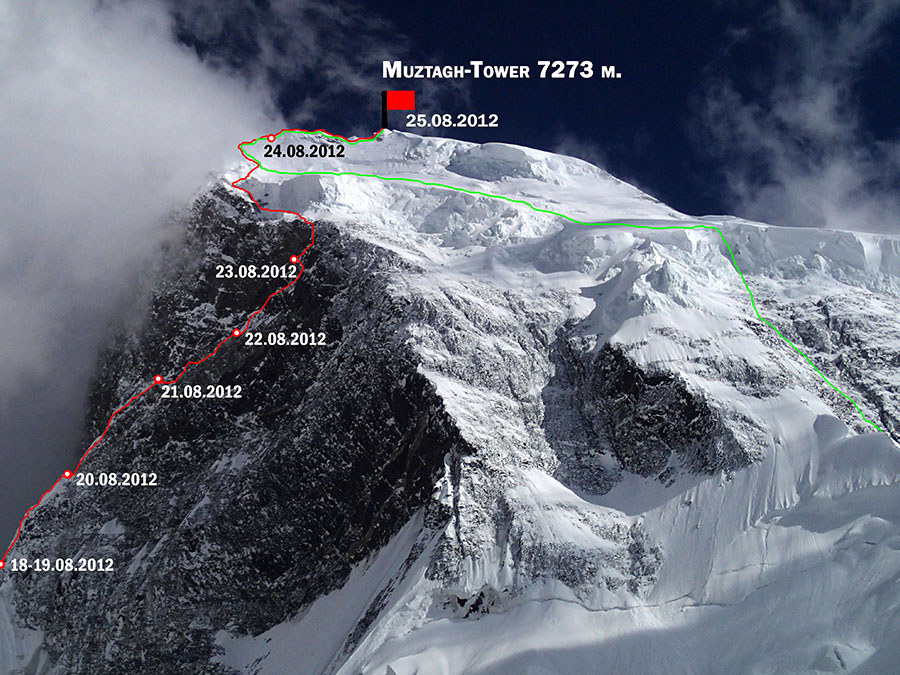
The main prize of the national award "Golden Axe of Russia 2012" was awarded to the team of Moscow: Sergei Nilov, Dmitry Golovchenko, Alexander Lange - for a new route to the summit of Muztagh Tower in the Karakoram. The coach and the expedition leader - Sergei Kotachkov. The result is appointed by voting of captains of six nominees.
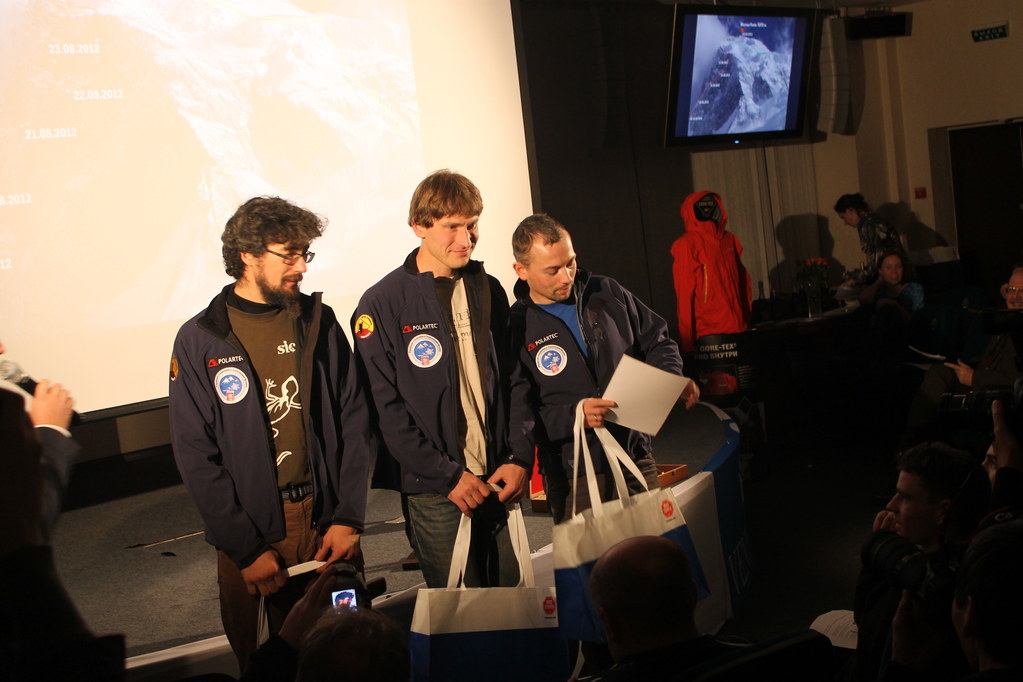

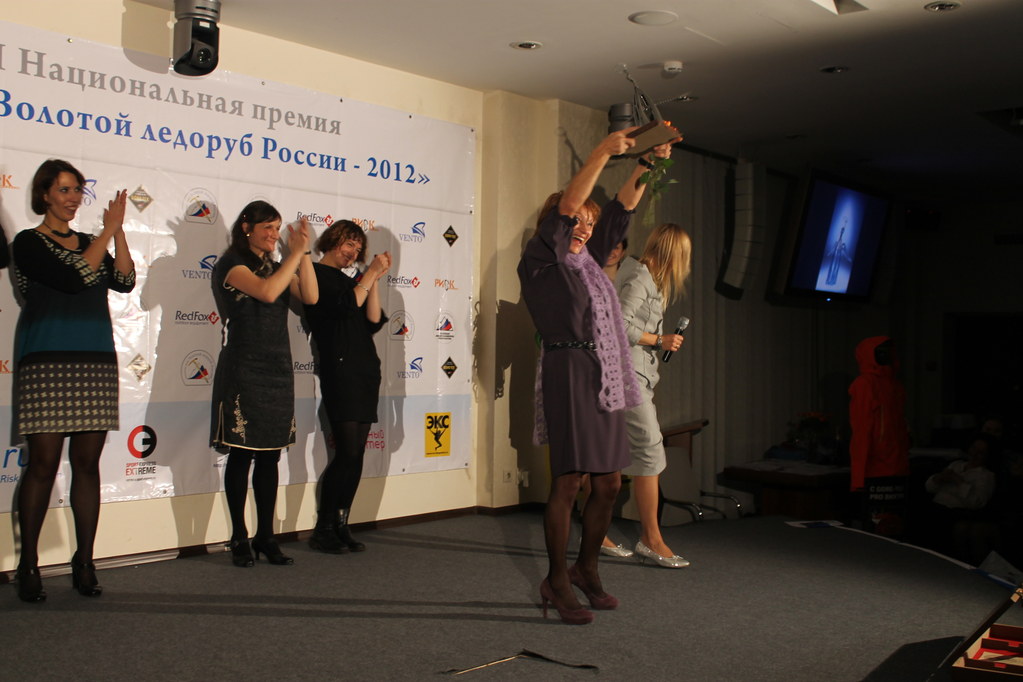
Nicholay Totmyanin presents " Golden Axe of Russia in 2012" ...
The Moscow team has also got the main prize "Crystal Peak" established by portal Risk.Ru, where the winner was appointed by voting on the Internet. Nte same Moscow team won and a third prize - it was the audience award, certain by on-site guests in the evening.
"Steel Angel 2012" for the best female climbing achievement of the year went to Krasnoyarsk. His owners are Paulina Galatsevich and Irina Bakaleynikova - for climbing Zamin Karor Wall in the championship ofRussia.
53-years old grandmother Irina Bakaleynikova is the Queen of Russian climbing

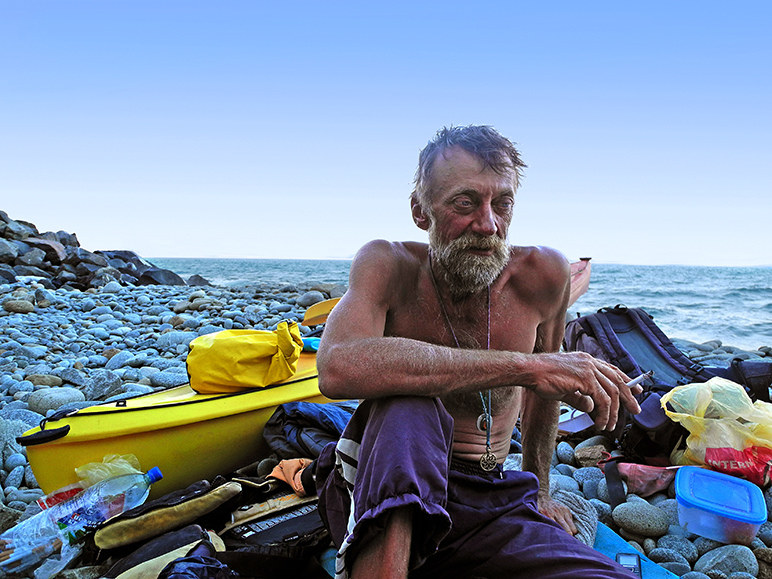
The best "outdoor project of the year" according to the users of the site Risk.Ru is project "Ark of Hope. Dnepr 2012." Announcement of the results caused a round of applause. All welcomed legendary Crimean climber, courageous fighter with his disability Yuri Lishaev, known to all as Fantik.
About 4000 km on kayak along the river of Dnepr and Black sea shore, solo and with paralyzed legs...




Lyudmila Korobeshko with good wishes with the first day of summer!
Vinson.
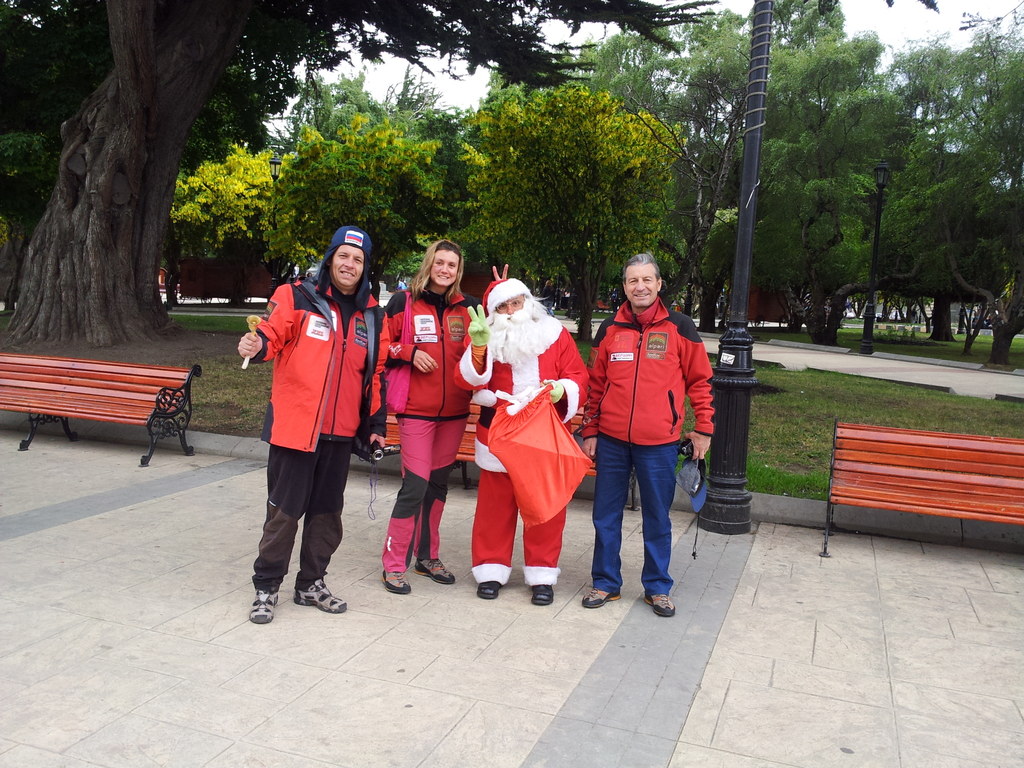
Team Captain of "Alpari on top of the world" is now in the southernmost city in the world -Punta Arenas. Here it is the first day of summer. Summer in the south of Patagonia is cool, but all here blooms and green . Lyudmila prepares to meet ...
Team Captain of "Alpari on top of the world" is now in the southernmost city in the world -Punta Arenas. Here it is the first day of summer. Summer in the south of Patagonia is cool, but all here blooms and green . Lyudmila prepares to meet his friends, teammates Ivan Dusharin and Maxim Shakirov, which today fly out of Moscow. The final stage of the epic "7 summits in 300 days" begins, the goal - Antarctica and Mount Vinson....


Valerу Putrin (1940 – 2012). Obituary
McKinley.
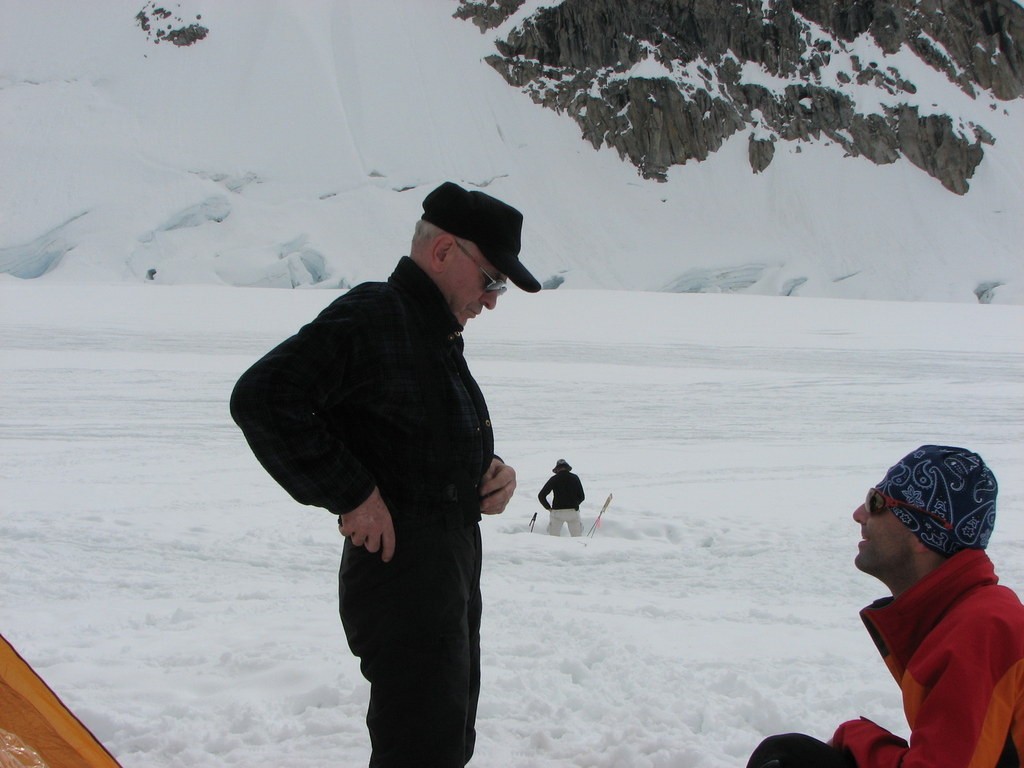
Valery Putrin, the former president of the Mountaineering Federation of Russia, died suddenly on the morning of 29th of November. He went out in the morning to clean snow from the car and fell. Instant death. In the XXI century, Valery ...
Valery Putrin, the former president of the Mountaineering Federation of Russia, died suddenly on the morning of 29th of November. He went out in the morning to clean snow from the car and fell. Instant death. In the XXI century, Valery became a collector peaks climbing Mont Blanc, Kosciuszko, Mount Fuji, Aconcagua, Kilimanjaro. In 2010, at age 70, he tried to climb on Mount McKinley. Due to the illness of Comrade their assault failed. By all signs, Valery was in good shape and there were no signs of such end.
Putrin Valery (1940 r.) - A graduate of the Minsk Radio Engineering Institute (1964), studied science, has three certificates on inventions (1976, 1977). Master of sports of cycling and mountaineering (1970). He has participated in the national championship on mountaineering (1968, 1970, 1971, 1974, 1979), was the trainer of the international mountaineering camps in 1976, 1978, 1979, 1980, 1983 and 1984. Until the last days Putrin worked as chief specialist at the Research Institute of Radio.
In 1987 Putrin was a leader of expedition of USSR national team, that made the first winter climb on the peak of Communism. In 1991, he was the head of the first Russian Himalayan expedition, which opened a new route to the summit of Cho Oyu (8201 m).
Photos from Mt. McKinley expedition

On Kilimanjaro


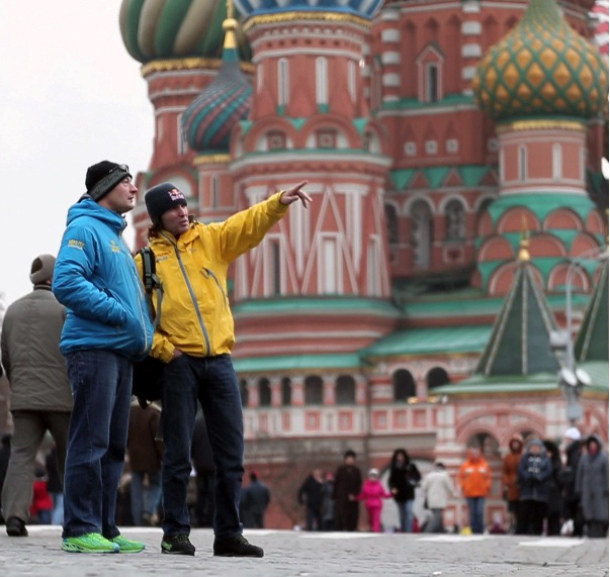
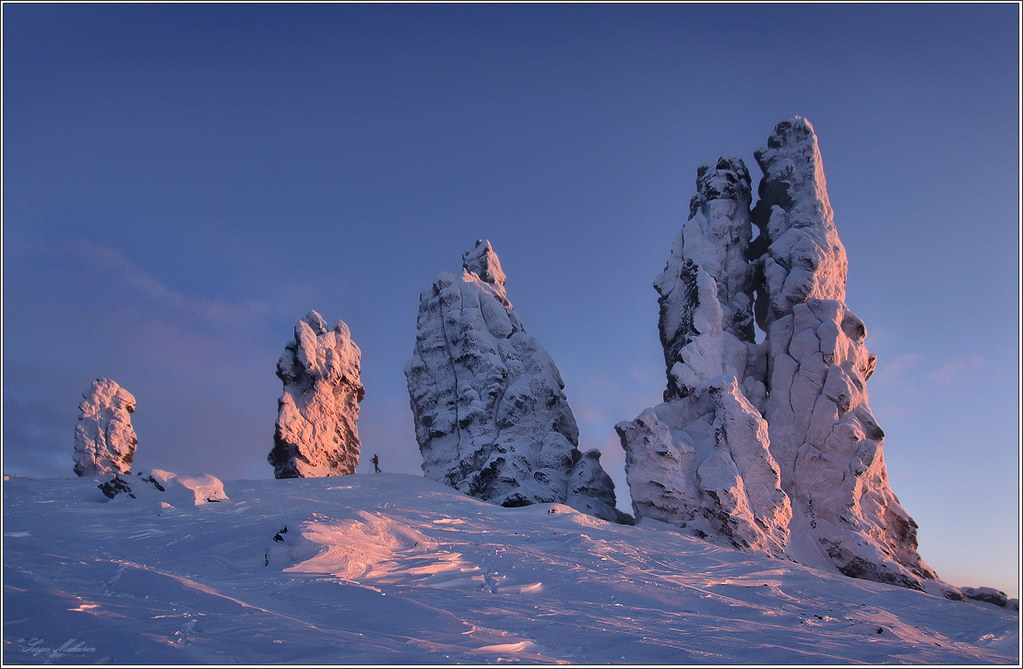
7 Giants for Stefan Glowacz - Project Red Bull Giants 7
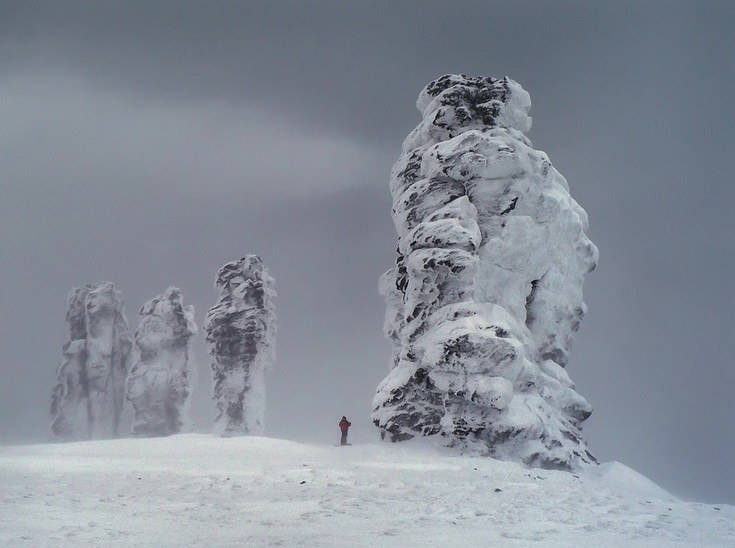
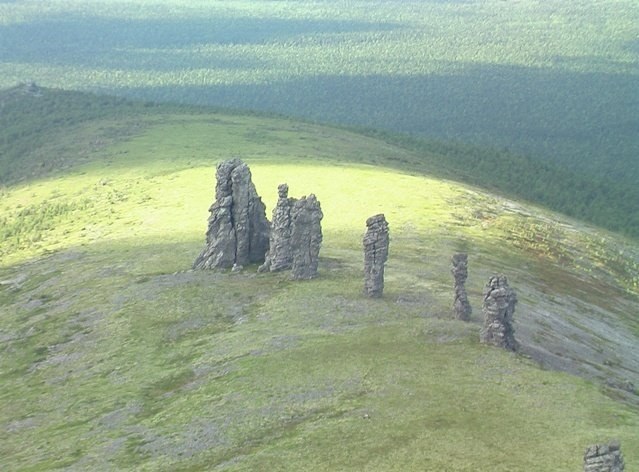
Our Seven Summits Club recently opened a new route named “Seven Summits” to the top of Mount Ai-Petri in Crimea. Objects may be called 7 Summits could be found everywhere in the World. One of these objects with the name "Seven ...
Our Seven Summits Club recently opened a new route named “Seven Summits” to the top of Mount Ai-Petri in Crimea. Objects may be called 7 Summits could be found everywhere in the World. One of these objects with the name "Seven Giants" came not so long ago in the finals of "The Seven Wonders of Russia Awards." Now its can get international recognition, if a mission carried out by the great German climber Stefan Glowacz and RED BULL will be successful. And it will certainly not be simple: a long winter campaign in the circumpolar region to be completed with extreme winter climbing. Stefan wants to climb on each of the pillars. Good luck!
Stefan in Moscow
STEFAN
Basically, Stefan Glowacz had no other choice than to become one of the most successful alpinists ever. At an early age his parents shared with him their love of the mountains and different terrains that he would later claim as home. When Glowacz speaks of those childhood memories, it seems he was always destined to climb. "As a child, I climbed on every rock while on hikes with my parents." His fascination with rocks never let go of him, even when the rocks became steeper and the surrounding terrain evermore treacher- ous. His relentless motivation enabled him to continue onwards and upwards to meet new challenges.
It’s this mixture of humility, childish curiosity, and indescribable pride that sends SG, born in 1965, to all areas of the world. His parents laid the groundwork, but his own ambition transformed him into an all round climber and selfmade entrepreneur. In the late 80s, many lived to climb, but Glowacz wanted more , he wanted to climb to live. He discovered early that his passion may not end with rappelling, in order to transform it into a profession and that "work" for real pro's started at the bottom of the vertical wall. Glowacz won the prestigious Rock Masters in Arco, Italy and was invited as a guest on the television show "Das Aktuelle Sportstudio" in Germany and acted in the Werner Herzog movie "Der Schrei aus Stein". Being the foster child of the mountaineering legend Reinhold Messner, he ultimately became the precursor of the free climbing movement.
A lot of warm words about Australia. Project Alpari On Top of the World
Our team climbed Mt. Kosciuszko 5th of November. This was the sixth summit from seven. Please find below short narratives from the team members. The Team: Lyudmila Korobeshko is the captain of the team and the only Russian woman to have ...
Our team climbed Mt. Kosciuszko 5th of November. This was the sixth summit from seven. Please find below short narratives from the team members.
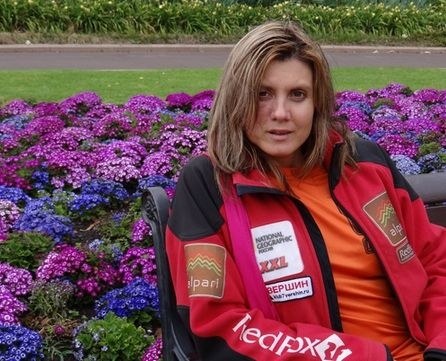
The Team: Lyudmila Korobeshko is the captain of the team and the only Russian woman to have both summited Mount Everest and been to the North and South Poles. Ivan Dusharin, the “patriarch of Russian alpinism” is an internationally recognized climber with the supremely challenging K2, among many other impressive climbs, under his belt. Maksim Shakirov, author of “New Year on the Peaks”, planted the flag of the 2014 Olympic Games atop Mount Everest and Mount Olympus.

FROM THE JOURNAL OF IVAN DUSHARIN: AUSTRALIA
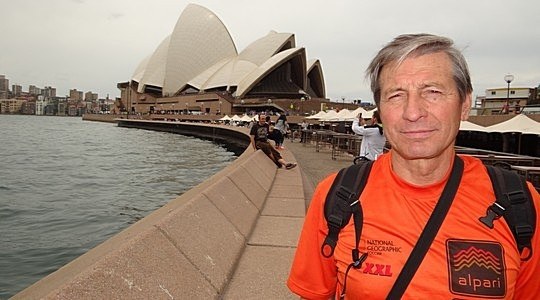
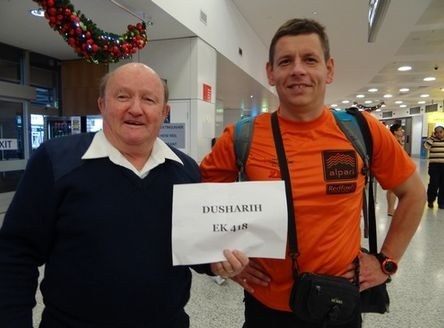
3.11.2012. It’s morning here in Sydney. We’re 7 hours ahead of Moscow. The flight was tough. We almost feel like we’re drunk. It took us more than a day to fly out here – I guess that’s just something you have to deal with. After getting off the plane, we made it through immigration and across the border relatively easily, but nobody was there to pick us up. Lyudmila called a couple of numbers that only she had. They told her to wait. We waited. Suddenly a man passed in front of us holding a sheet of paper. For some reason, something written on that sheet of paper felt familiar to me. “Lyudmila, I think that’s the guy who’s coming to pick us up,” I said, pointing out the man. Lyudmila caught up to him. On the sheet of paper he was carrying, I spotted the words “Mr. Dusharih”. So that’s what felt so familiar – my name.
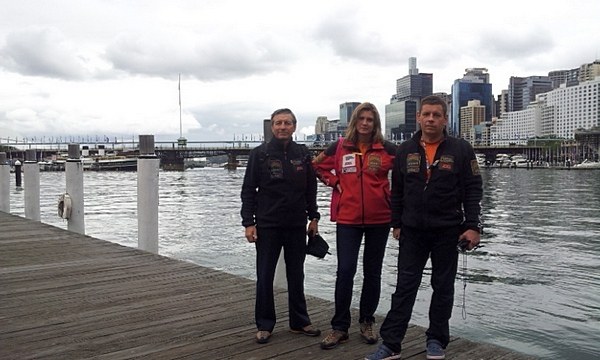
We checked into the hotel, but we would have to wait until 14:00 before we could get settled into our rooms. We left our stuff at the hotel and went for a walk around the city. It’s a nice looking city, with a lot of plants, water, fountains and interesting architecture – both old and new. The sea (or the ocean to be more precise) really adds to the atmosphere. We began to look for the fish market. We could smell the place from more than a half kilometer away. It was quite impressive. There were giant lobsters, crabs, all kinds of shrimp, octopuses, squid and dozens of varieties of fish and shellfish. We decided we should go somewhere to order some seafood.
We went for a nice walk before returning to the hotel to unpack our stuff and rest for a couple of hours. If we didn’t have the chance to rest, we would have been completely miserable. Flights like that can really take their toll on you.
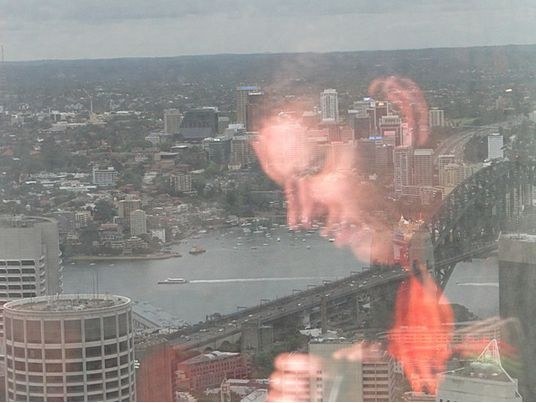
At 17:00 we headed for down town Sydney. We decided to have dinner in an exotic place – in a restaurant in the Sydney Tower, 225 meters above the city. The elevator was fast. Our ears popped on the way up, like in an airplane. We spent about an hour and a half in the rotating restaurant. We sampled some of the local delicacies and enjoyed an amazing panoramic view of the city and surrounding area. It was fantastic! From that height, you can really see how downtown Sydney is laid out. After dinner, we paid a visit to the world-famous Sydney Opera House.
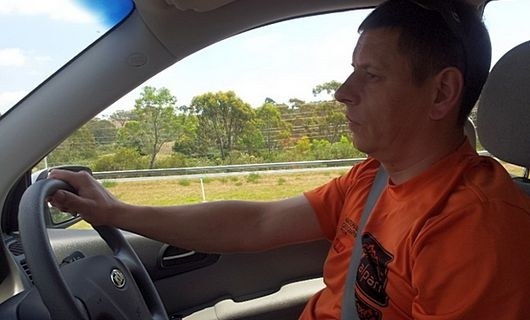
4.11.2012. It took us a long time to sort out the rental car. We ended up with a family car that seated nine. It was like a small bus. Max took the wheel. Lyudmila was the navigator. I was just a passenger. As we stepped out of the car near the hotel, we heard a guy speaking in Russian. It turned out he was fromKiev. He had already been living in Sydney for 23 years. He explained to us how to get out of the city and onto the road leading to Canberra. We got lost anyways. It took us 8 hours to make it there. After we settled into our hotel, we worked on figuring out where we would start our climb from. We chose a route starting from Dead Horse Gap, longer and more difficult than the standard route to the summit of Kosciuszko. I think tomorrow’s climb should be interesting.
5.11.2012. The climb. We arrived at our starting point around 9 in the morning. It took me a while to pick out my shoes. In the end I selected a pair of hiking boots. The first part of the climb was steep and took us through a forest of dead eucalyptus trees. Seeing the large mass of dead plants, we felt a sense of pity for the local flora, which, as we were told, was burnt in a fire. The ashy foothills looked aged – truly a sad sight to see. After about an hour on the trails, the path flattened out a bit and we began to notice patches of snow. Things got a bit easier. Tourists rarely take this route, so there aren’t any markers or railings to help you find your way if the trails have been covered by snow. You just have to keep heading in one direction to keep from getting lost. We put on some extra clothing. We passed a guy descending the mountain with a pair of alpine skis tied on to his backpack. We said “Hi”. He warned us that it was really windy at the top.
After traversing a slope covered in snow, we merged onto the main trail. The trail was paved in stones and guarded by a railing coming about 30 cm off the ground. We had about 6.5 kilometers to go to the summit. By this point, we were hiking across an open area and the wind was really starting to blow. We were worried we might get blown off the path. I started to understand why not everyone is able to reach the summit. Here, it’s Mother Nature that’s calling all the shots.
We moved along at a brisk pace in spite of the wind. We came across stretches of the trail that were buried under snow. The entire summit was covered in snow too. Along the trails we noticed tracks from skis. Even in the offseason, it appeared that enthusiasts still carried their skis with them, even if they couldn’t go skiing.
A spiral path led us the summit of Kosciuszko, 2,228 meters above sea level. At the very top of the mountain, the winds were near gale-force, tearing away at our flags. A young man and woman made it to the summit shortly after we did. It turned out they were our compatriots – from Ekaterinburg. Even here in Australia, on the summit of Kosciuszko, halfway across the globe, we ran into Russians. It was nice.
We descended pretty quickly. We had the wind at our backs on the way down, which made things considerably easier. The entire climb took us about 8 hours.
6.11.2012. Back to Sydney. Lyudmila took the wheel on the way back. She’s a fast driver and confident behind the wheel. She remembered the way. Lydumila and Maxim switched places a couple of times, but I remained in the passenger’s seat. Our navigator led us to a beach in Sydney. It wasn’t particularly warm out, but hey – the ocean’s the ocean. The water couldn’t have been more than 18 C, but we jumped right in. The giant waves crashed into the shore, then drew back into the ocean, leaving behind a blanket of foam. There were hardly any people in the water. Most of the people at the beach were sunbathing.
Max was really intent on unwinding. He spent nearly 40 minutes splashing around in the water. Lyudmila and I walked back to the sand to warm up a bit before throwing ourselves into the water again. We had certainly felt the lure of the ocean on the trip. Its undulating waves had beckoned us in. What can I say? It was pure joy. We might never have left if not for how cold the water was. We would have liked to spend more than 2 hours there, but what could we do? We were running on a really tight schedule.
We dumped our stuff off at the hotel before heading back to eat at the tower restaurant again and check out the view of Sydneyat night. It was impressive. We could see the bright lights, the ads and the signs covering the skyscrapers. They were beautiful and original.
7.11.2012. Today was the Day of the Great October Socialist Revolution of 1917. Back in the Soviet Union, this was a significant holiday. We forgot all about it. I guess that’s just human memory. We had breakfast in the hotel. We had to hurry. It was our last day in Sydney and we still had lots left to see.
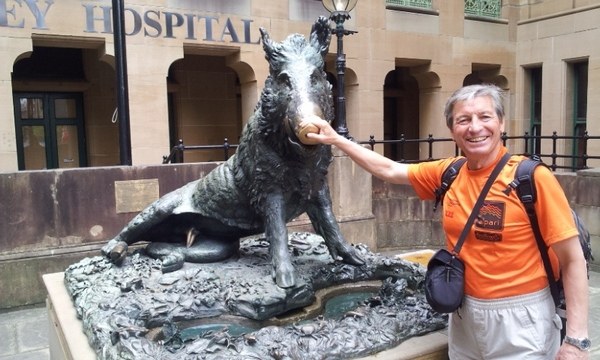
By chance, we ended up in a prison museum in downtown Sydney. An elderly gentleman there offered to take us on a tour. By local standards, the prison was ancient – more than 200 years old. As it turned out, this was a place where prisoners were sent not only from England, but from America and other countries in Europeas well. It was intended for those serving life sentences. Most of the prisoners who served their time there remained on the island rather than heading back forEurope. Someone would need to break in the island after all. It was the first prisoners themselves that had built the prison. There were no beds or cots at all – only hammocks.
We headed back to the ocean through the botanical gardens. The gardens were really well kept up. We visited the gift shop. Then we decided to take a water taxi to the aquarium. The view of Sydney from the water is spectacular. The water taxis can get you anywhere you need to go in just 15 minutes. We didn’t make it into the aquarium. We didn’t have enough time. Too bad.
We made it back to the hotel at 16:30, gathered our stuff, and then left for the airport. We’re flying back through the same airports: from Sydney to Bangkok to Dubai to Moscow.
Источник: http://www.alpari-life.ru/en/zdorovo-no-slishkom-bystro-otryvok-iz-dnevnika-ivana-dusharina/
LYUDMILA KOROBESHKO:AUSTRALIA
The first thing I would like mention about the trip to Australia was our tight deadline. Just 5 days? That seemed too fast. It took us two days to fly out there. After you arrive, it takes you a while to gather your bearings. However things weren’t as bad as usual this time. We’ve flown so many times in the past year that it appears that our bodies are beginning to adapt to flying out ofMoscow.
When we got toSydney, we really tried to keep from falling asleep right away. It was late back home in Moscow, but it was early in the morning for us. So how do you avoid dozing off? Healthy food and fresh air, of course. Having decided to avoid taxis and public transport, we armed ourselves with a map of the area and set out for the fish market on foot.
On our walk, I was struck by the contrasting styles of architecture in Sydney. We were in downtown Sydney, surrounded by skyscrapers and towers, but we kept on coming across parks, gardens, ponds and all kinds of fountains. One of the things that really left an impression on us was the ibises – large exotic birds with long curved beaks. We came across them virtually every step of the way, especially in areas with restaurants and cafes.
Naturally we ran into a large throng of ibises and pelicans near the fish market. As soon as a new shipment of seafood would arrive, the birds would flock to scavenge some of the scraps. The employees at the market did all they could to shoo away the birds.
We treated ourselves to a bit of fish and returned to the hotel. We found our rooms, unpacked our stuff, then worked on figuring out where we could rent a car and where we could connect to the internet to send out our first photos and messages.
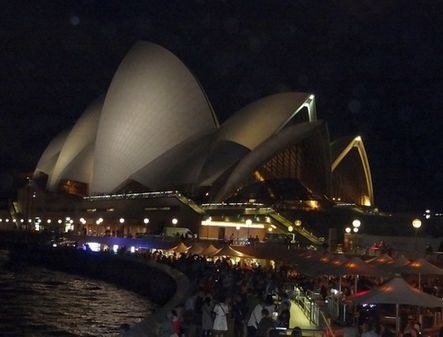
In an attempt to take in as much of Sydney in the little time we had, we decided to ascend to the top of the Sydney Tower. From there you can see everything in Sydney: the Pacific Ocean, the Sydney Opera House, the Harbour Bridge, the Botanical Gardens and much more. It was well worth it.
We didn’t get much sleep that night, even though we hadn’t slept much at all the past two nights on the airplane. We all woke up early – around 5 or 6 in the morning. I somehow mustered up the strength to go for a morning jog throughSydney.
After breakfast, we set out to pick up our rental car. I have to say that this may have been one of the most interesting experiences of the whole trip toAustralia: our first time driving on the left side of the road. Max nobly volunteered to take the wheel. Everybody chipped in with advice – including the GPS system and its sexy female Australian voice. It didn’t come as a surprise to anyone that it took us three tries and 40 minutes to find our way out of downtownSydney.
We stopped just outside of the city and I encouraged Max to take a quick smoke break to help cope with the stress of his job as chauffeur. The trip toCanberrawas quite memorable, both for the beautiful landscape and for the numerous signs warning about the danger of kangaroos and wombats. By chance, we happened upon a street music festival in the town ofCooma. We had a good time there.
AfterCanberra, the landscape really started to change. We began to see real mountains and forests of eucalyptus trees. Near the entrance to theSnowyMountains, a whole group of kangaroos crossed the road in front of us. Fortunately none of them were hurt (a lot of animals get run over in the Australian wilderness, especially at night).
We made it to theSnowyMountainsduring the evening and found thevillageofThredbo(home to a ski resort), where we would be spending the night. Before dinner, we decided to drive out to our starting point so we wouldn’t get lost the next morning.
In the morning, we headed out for “Dead Horse Gap”. We weren’t terribly thrilled with the weather. The wind was pretty strong. Our path took us through a burnt eucalyptus forest and alpine meadows. When we made it out of the forest, the wind nearly knocked us off our feet. There was even snow in some areas.
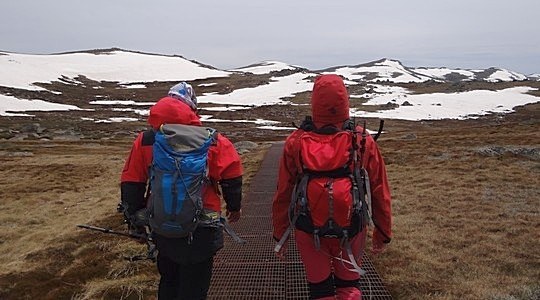
We made it to the summit around lunchtime. There we had an interesting encounter with two climbers from Ekaterinburg (Russia). They were working on the 7 Summits program too. Kosciuszko was number 4 for them.
It turned out, they had read about our expedition online and tried to time their climb to coincide with ours. It was nice running into them. We began our descent from the summit during the evening. The next morning, we had to wake up early again in order to make it back to Sydney, 500 kilometers away. We were hoping to get back early so we could dip our feet in thePacific Ocean. Fortunately, we made it back in time. Dreams do come true.
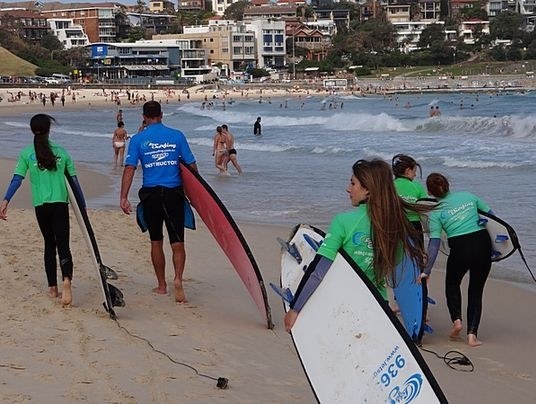
It’s been nice to warm up a bit. Next up is Antarctica.
Источник: http://www.alpari-life.ru/en/lyudmila-korobeshko-avstraliya-poslevkusie/