Tati Posokhina. Hunger Elbrus: the First American Woman to Climb Both Summits in a Row
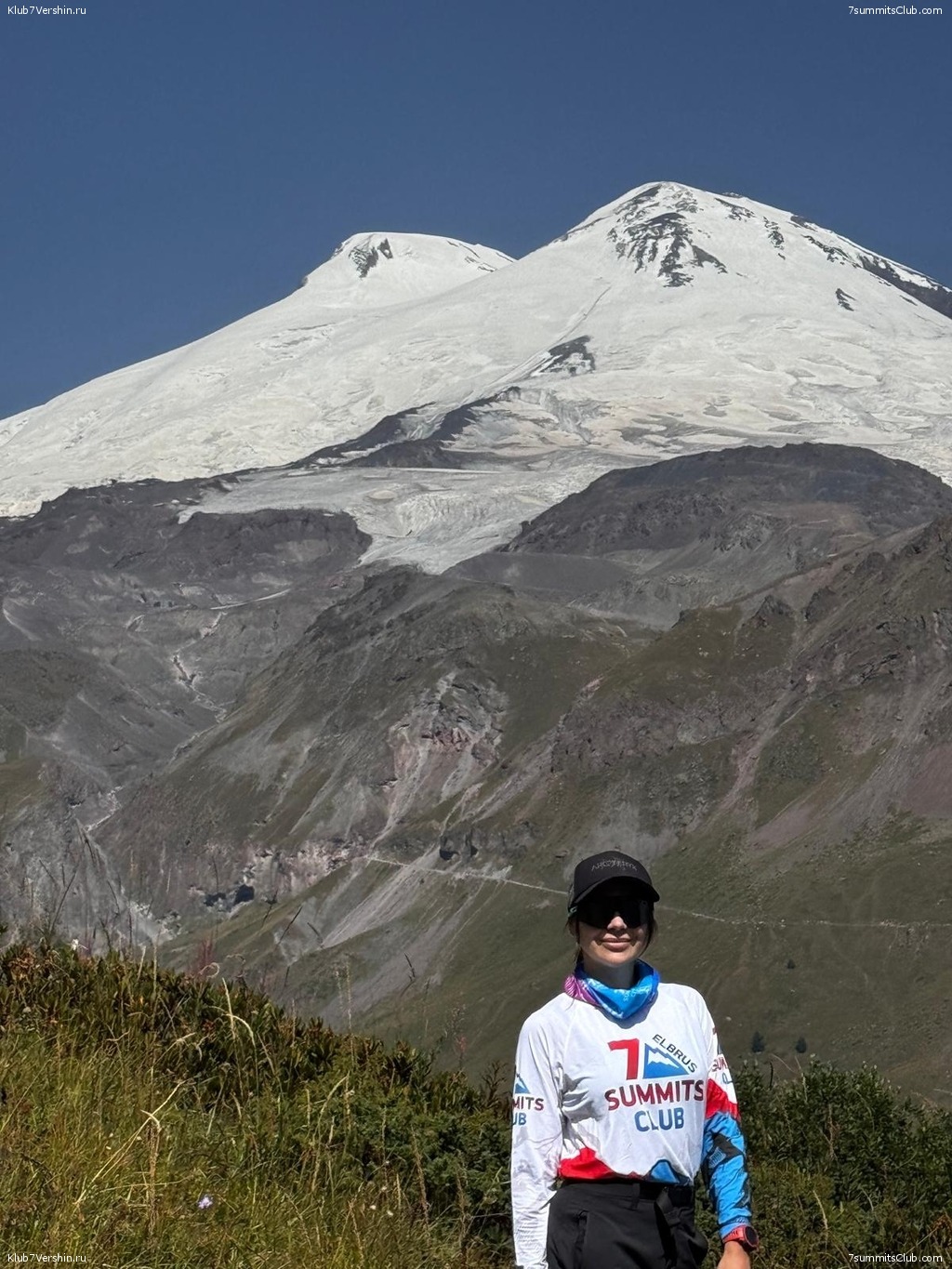
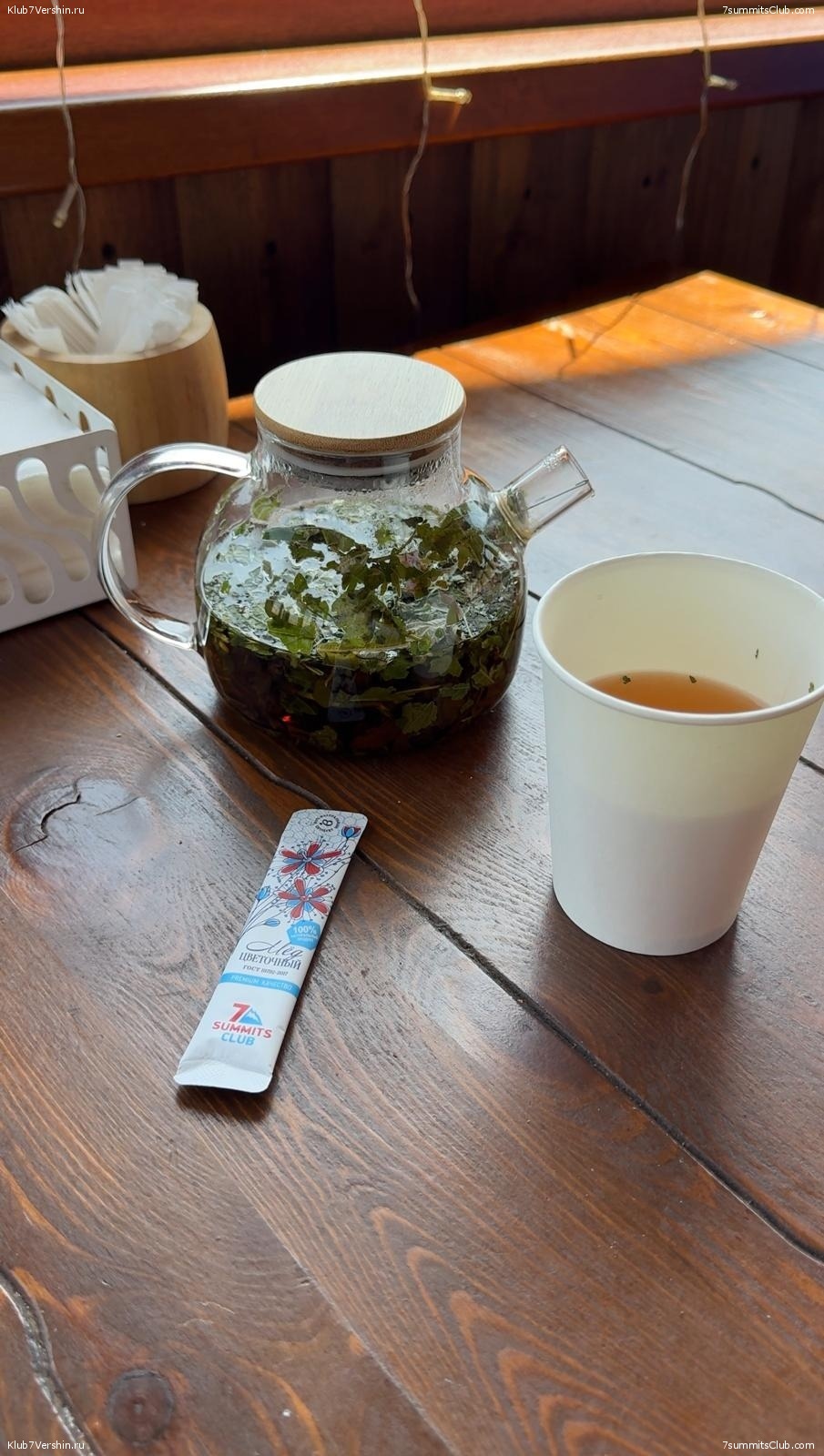
Mount Elbrus has always been a challenge — not only for physical strength, but also for willpower. In September, I decided to undertake an experiment: to climb both summits of Elbrus while completely fasting. Five days — only water, herbal tea, and a little honey.
The idea of a “hunger ascent” was not accidental. I wanted to test the possibilities of the human body, to better understand how the respiratory system works at high altitude, and finally to overcome my altitude sickness. In previous expeditions, I noticed that eating consumed too much of my body’s energy: digestion drained my strength, food pressed on my diaphragm, and breathing became harder. Without food, however, I felt the opposite — lightness, full and easy breathing, high oxygen saturation, and no headaches. This contrast became the key discovery of my experiment.
The idea was not reckless: Alexander Abramov, the founder of the 7 Summits Club, once carried out a similar experiment, reaching the 5,642-meter Western Summit, and his experience inspired me. Abramov supported my decision and gave me recommendations, while the leader of our expedition, Alexander Dorojukov, agreed to oversee my attempt.
Diary of the Hunger Ascent
Day 1.
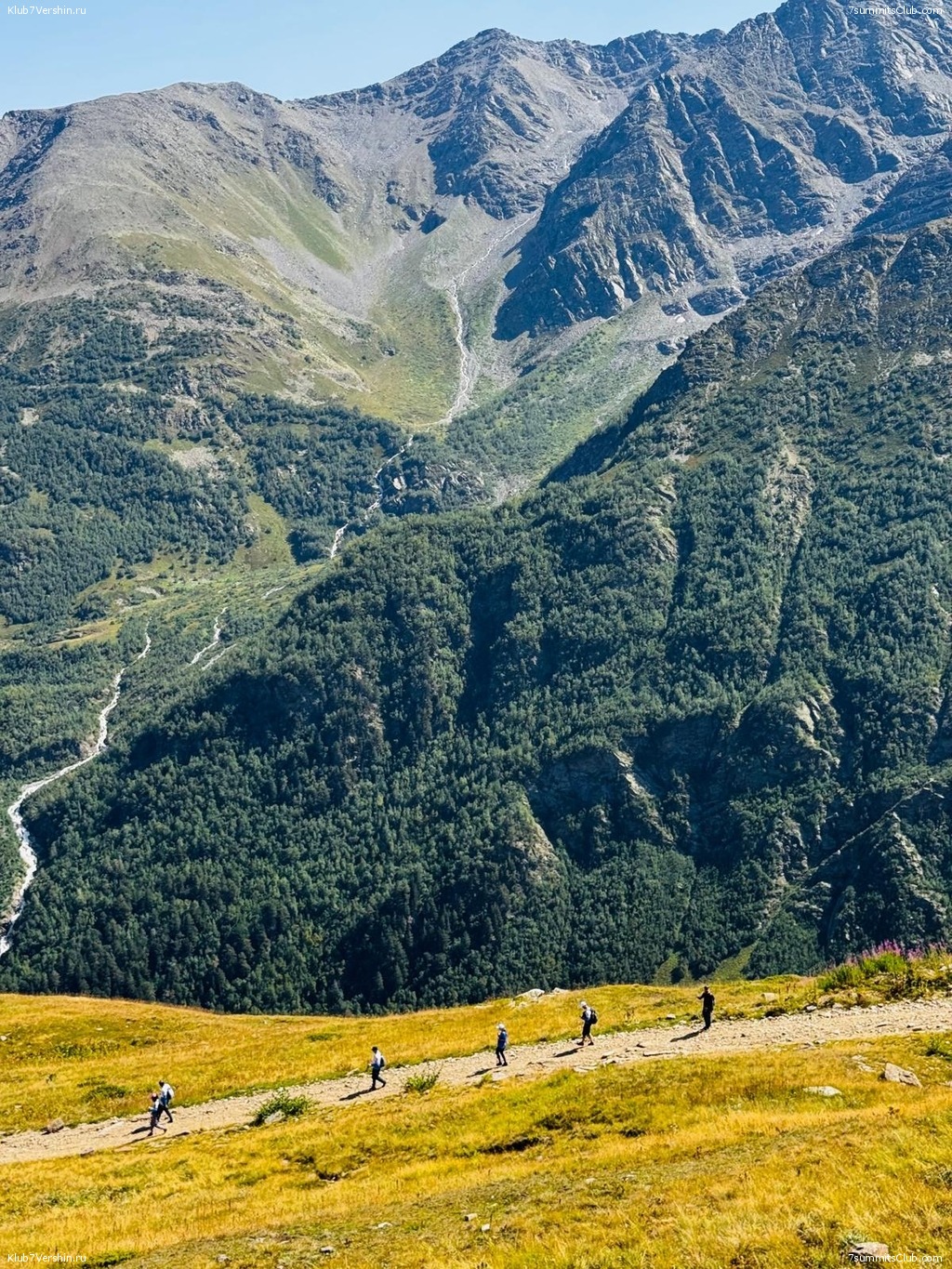
A group of 20 participants gathers at a long table. Hot dishes, aromas, laughter. I sit with only a cup of tea and honey in my hands. Physically, there is little hunger, but the habit of “eating together” becomes the main temptation.
Day 2.
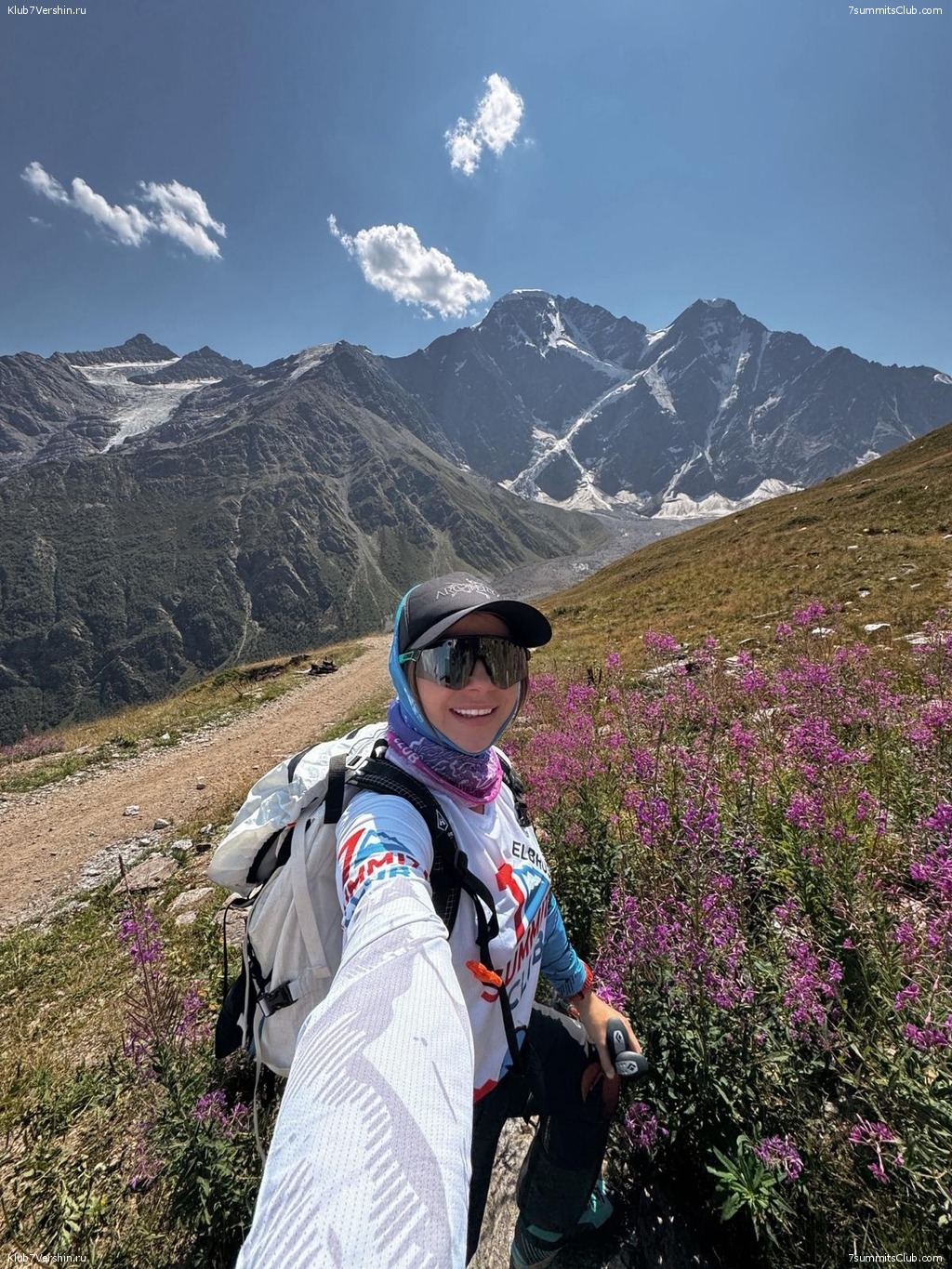
The body begins to adapt in the mountains. Breathing becomes easier, as if my lungs have expanded. Walking feels comfortable, energy is steady. Hunger only shows up when I look at others eating.
Day 3.
Oxygen saturation — 97. I feel clear-headed and energized. No signs of fatigue. The main struggle is mental: not with hunger, but with habit.
Day 4.
A rest day before the summit push. My mind is filled with thoughts of food. I dream of homemade dumplings. But my body feels strong, light, ready for the night climb.
Day 5. Summit Push.
Sleepless night.
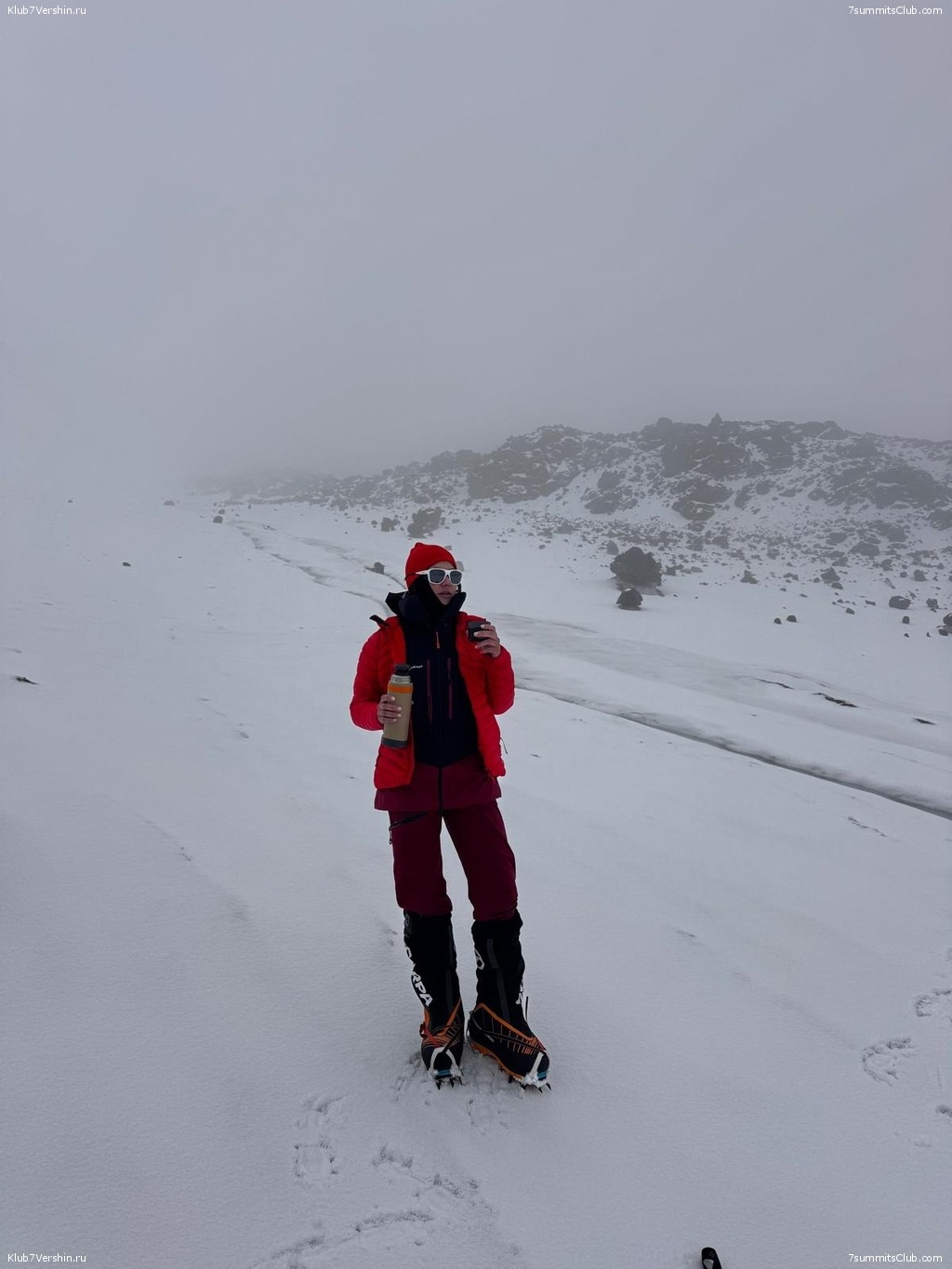
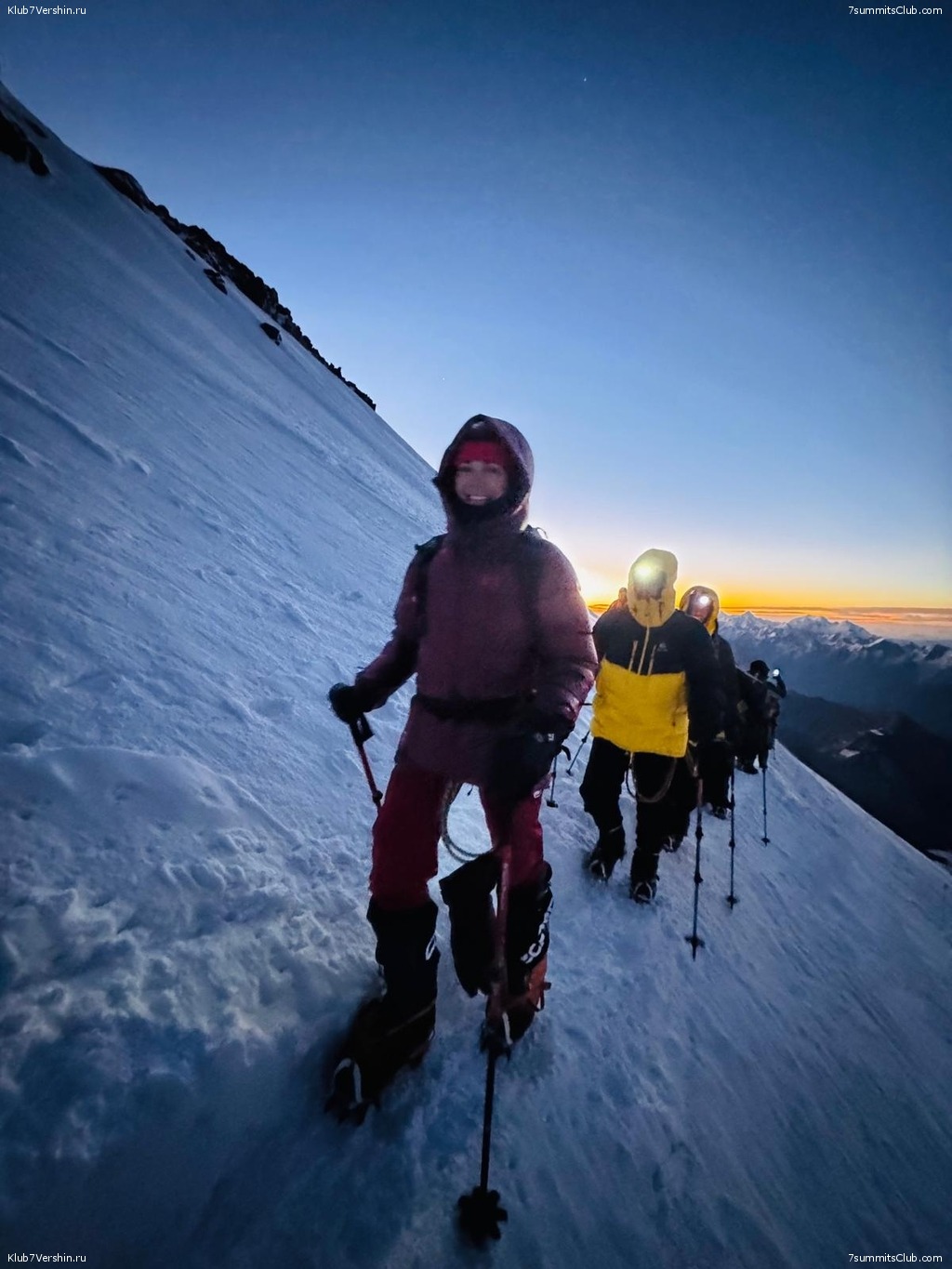
03:00 a.m. The start is slow because of groups ahead of us. This works in my favor: my body warms up gradually. Later the pace increases, and I feel incredible lightness.
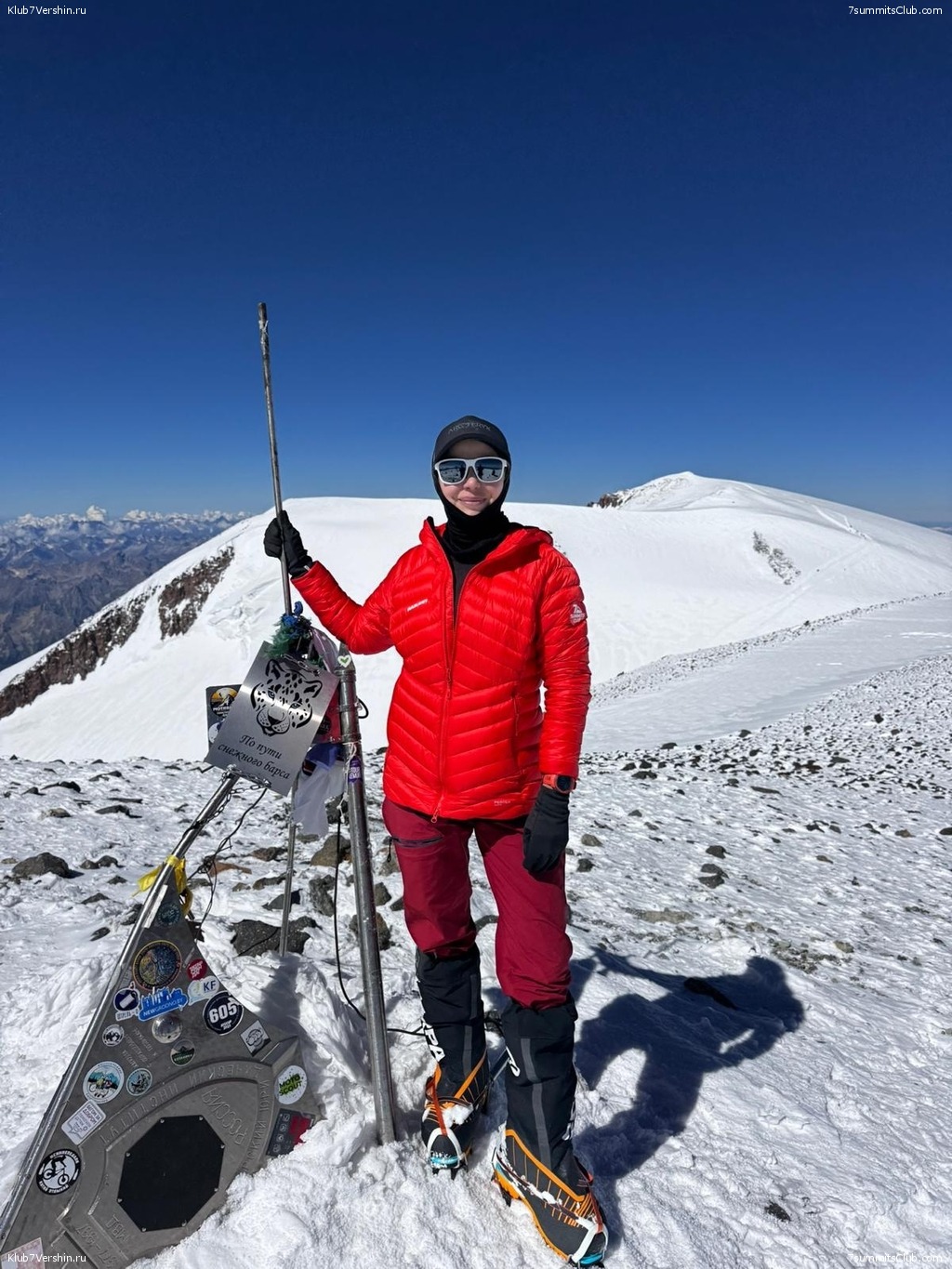
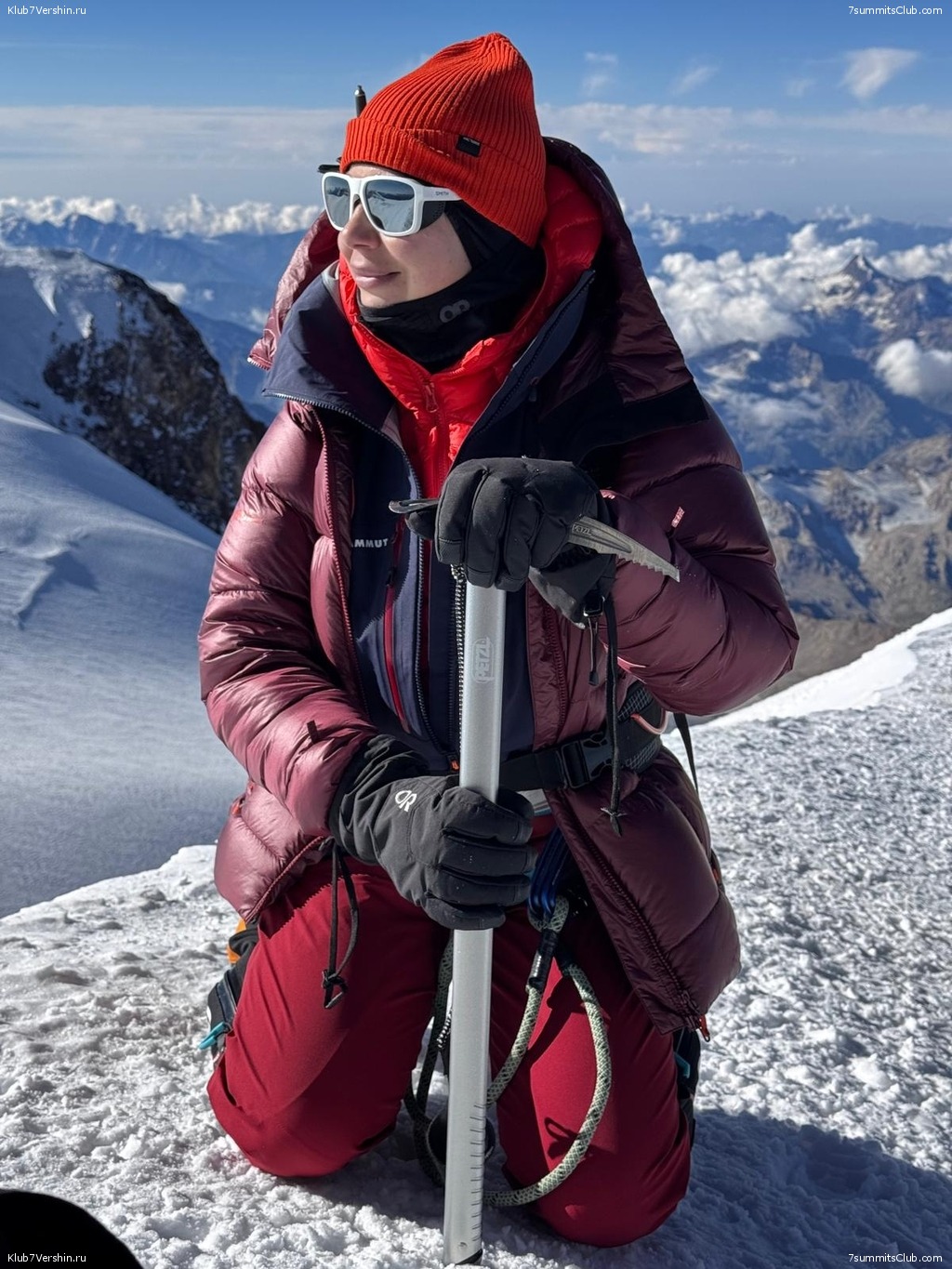
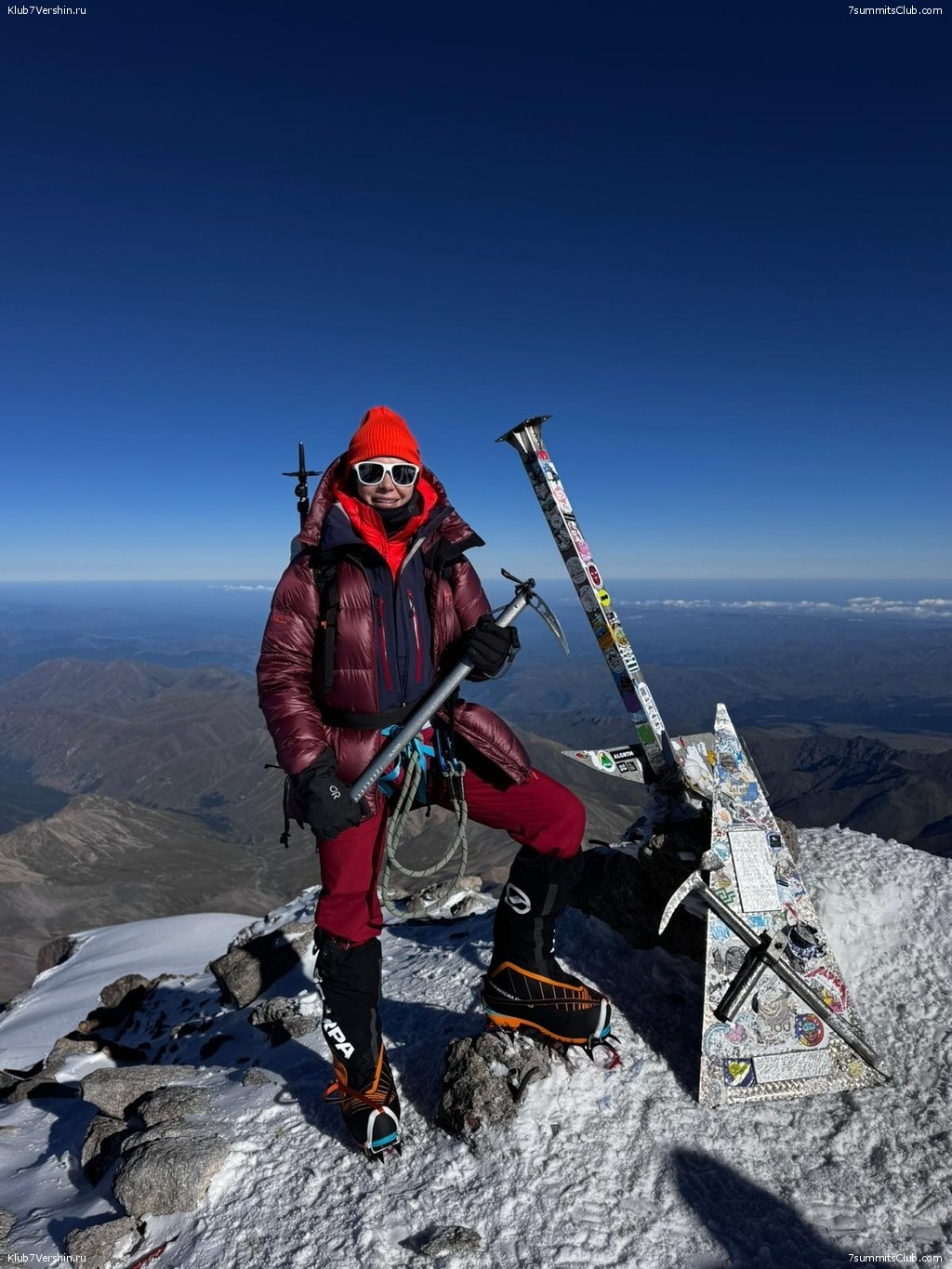
• Eastern Summit — 5,621 m. Oxygen saturation — 96, which is a personal record (normally at altitude my readings were only 85–90).
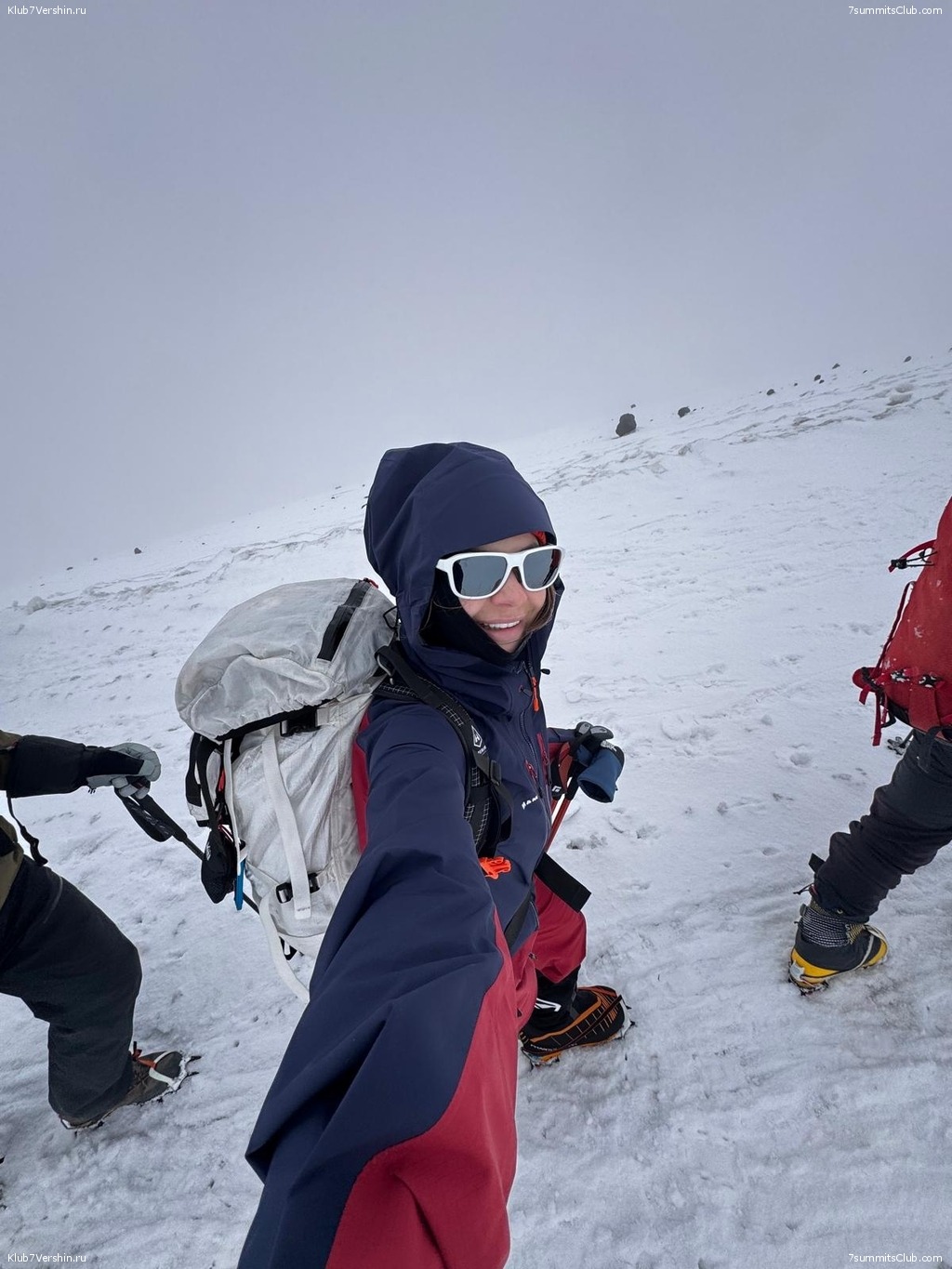
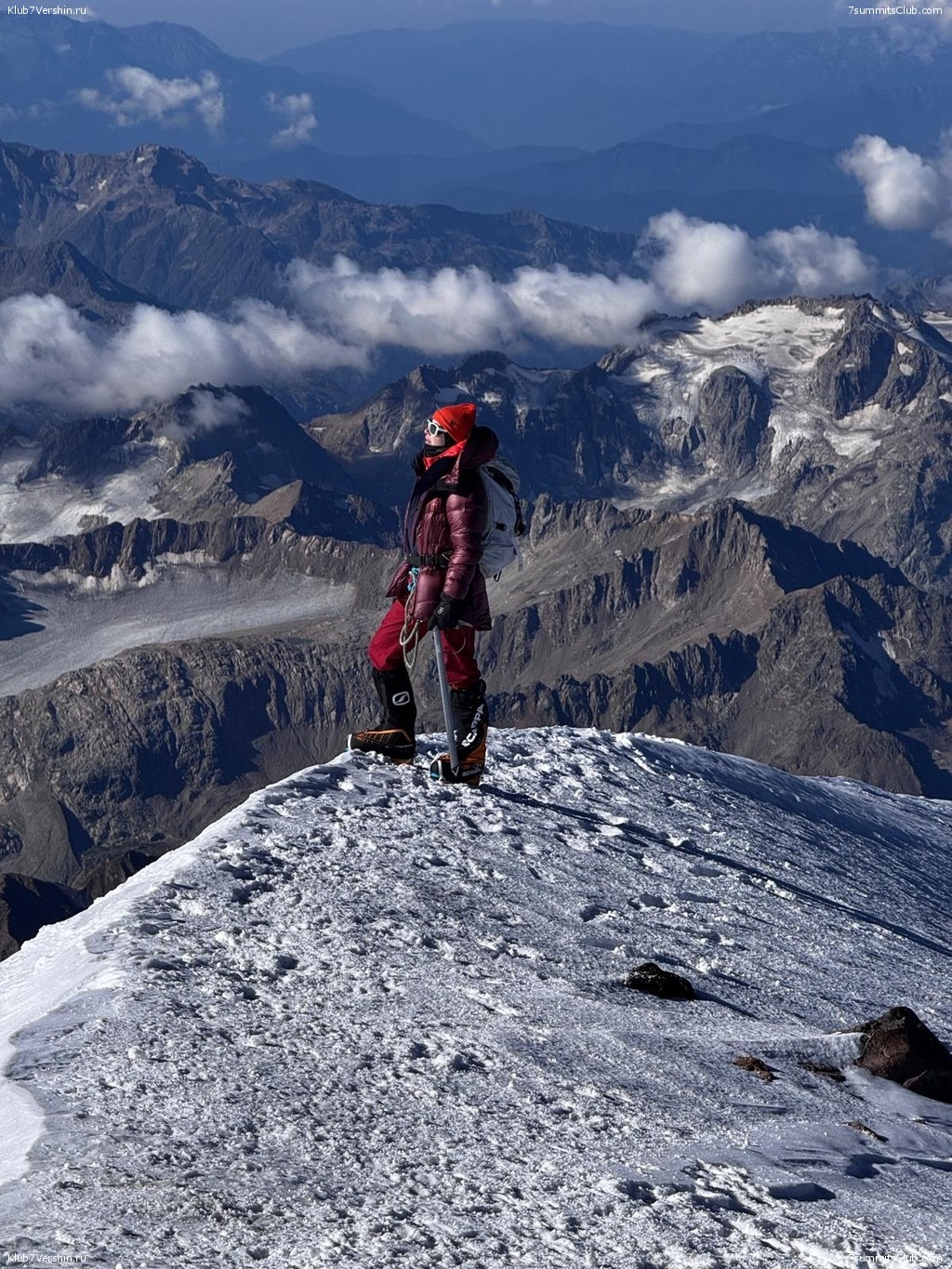
• Western Summit — 5,642 m. The traverse took 1.5 hours, including a break for rest and changing clothes.
Not a single sign of altitude sickness: no headache, no weakness. My lungs breathe freely, and I am full of energy.
Experiment Results
• Complete absence of altitude sickness.
• Clear breathing and ease of movement.
• High oxygen saturation (96) at the summit.
• No fatigue or muscle pain, even after the climb.
• Plenty of energy, mental clarity.
• The body coped without any medication, vitamins, or supplements.
Achievement
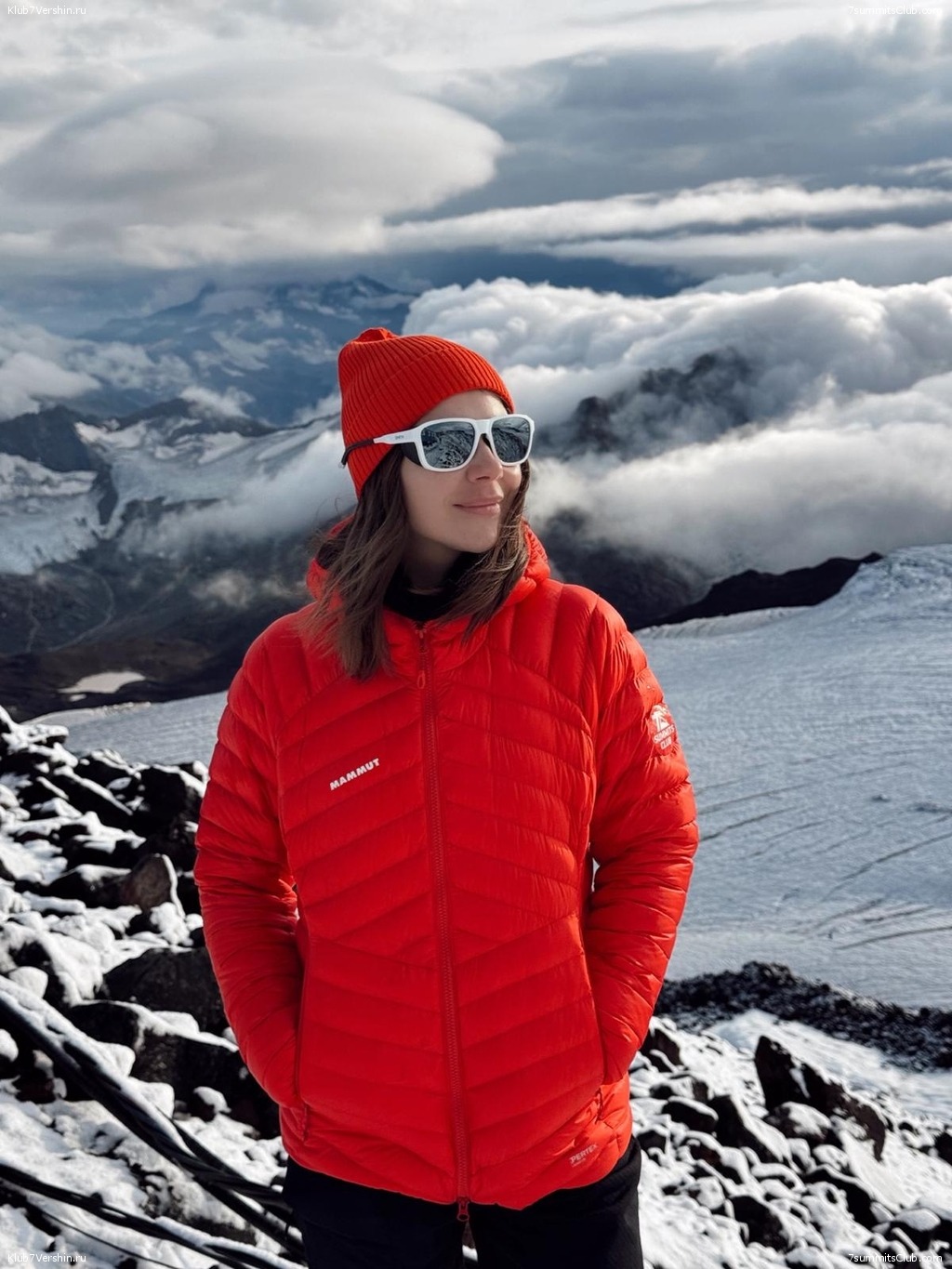
I became the the first American woman to complete a hunger ascent of Elbrus, reaching both summits in a single push.
The greatest result for me: I finally overcame my “altitude sickness.” For many times it had ruined my expeditions, lowering my oxygen saturation and forcing me to retreat. Several pulmonary edemas, reanimation. But here, on Hunger Elbrus, I proved to myself that I could go farther and higher.
Conclusion
This hungry experiment was not just a sports record, but a way to unlock new possibilities of the human body. Elbrus showed me: strength does not always come from feeding the body — sometimes it comes from freeing it instead, and trusting its hidden reserves.
Facts About the Ascent
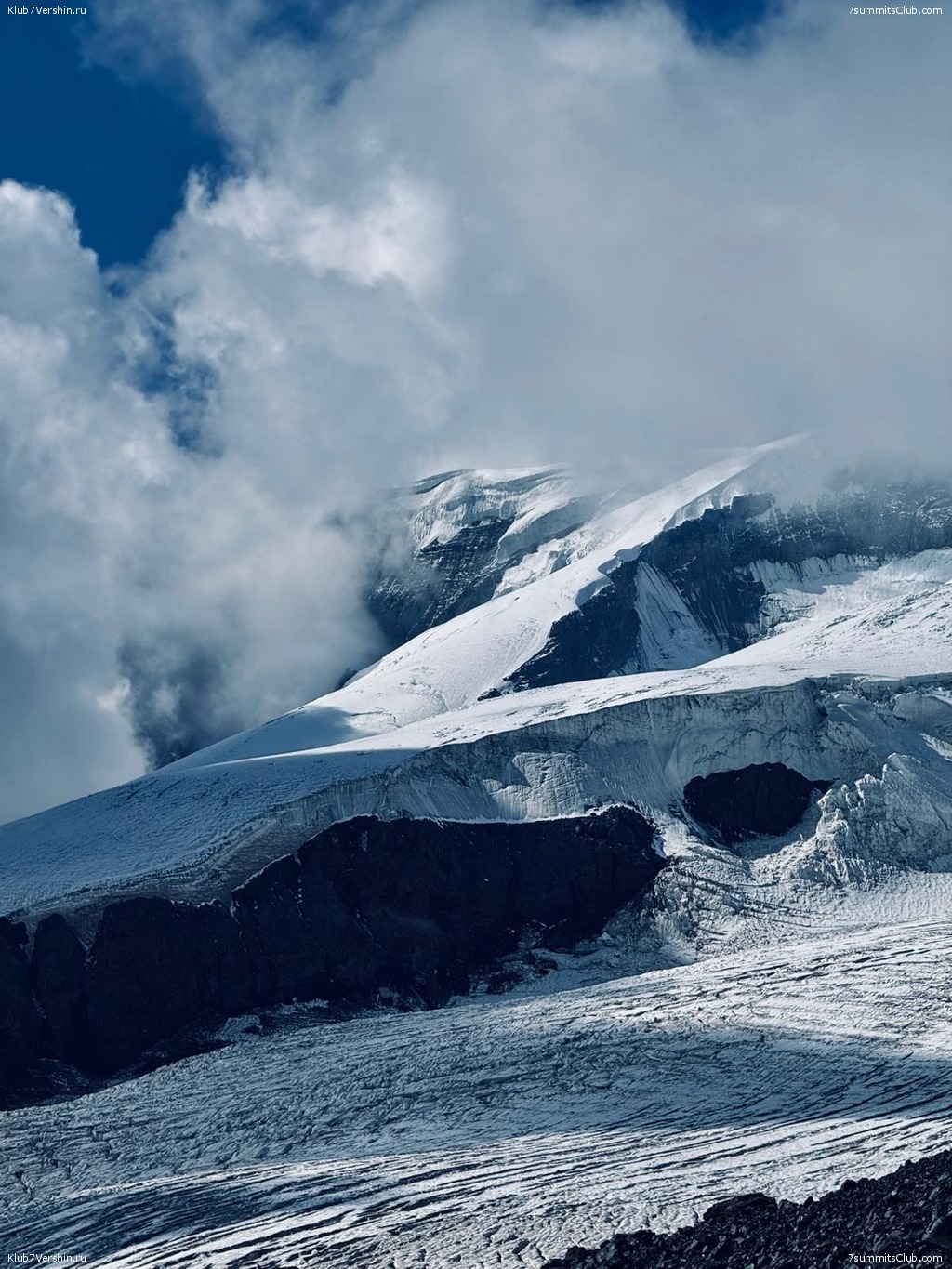
• Mountain: Elbrus (Caucasus, Russia)
• Summit altitudes:
• Eastern Summit — 5,621 m
• Western Summit — 5,642 m
• Summit push start: 03:00 a.m.
• Traverse time between summits: 1.5 hours (including rest and clothing change)
• Oxygen saturation at summit: 96
• Nutrition: water, herbal tea, honey
• Additional: no medication, vitamins, or supplements
• Unique feature: first female hungry ascent of both Elbrus summit.