All news: October 2025 - Page 4
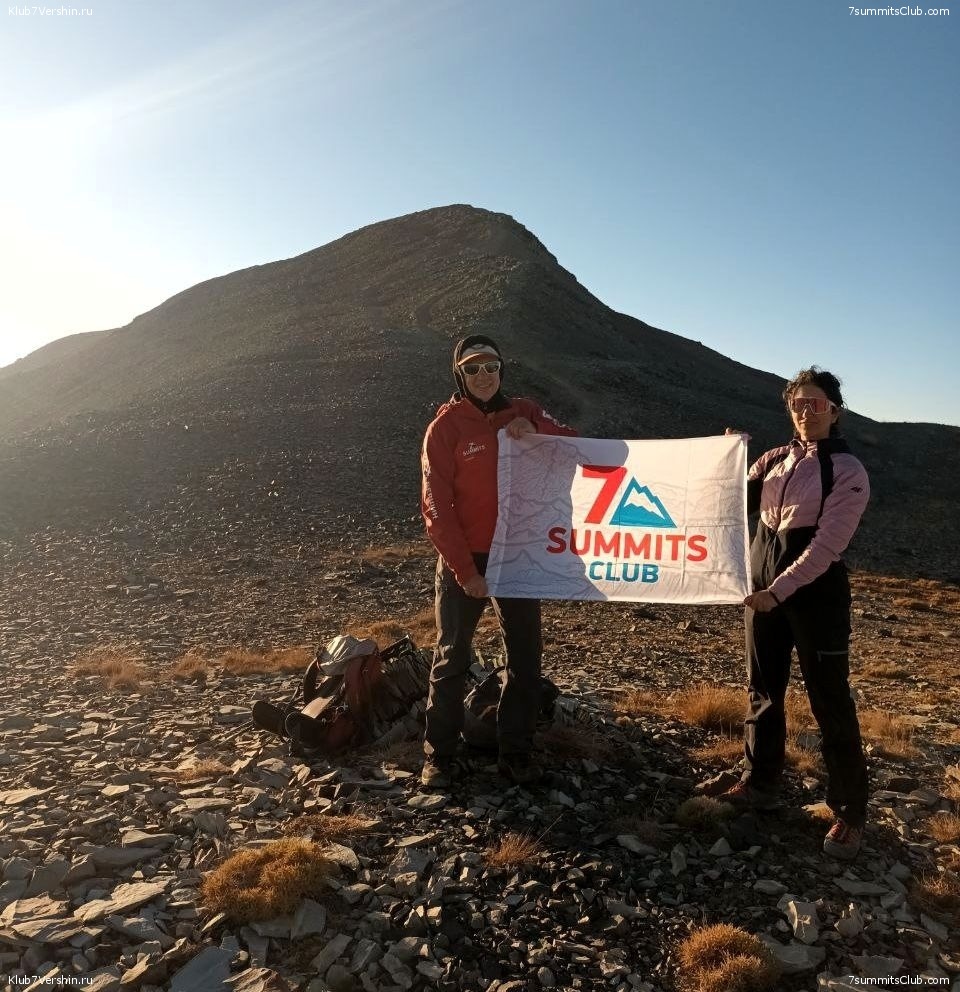
A group calling themselves the "October Children" set out to conquer Damavand in October
Damavand.
The 7 Summits Club super guide Valery Myasoedov reports from Iran:
Greetings from Iran! Damavand unexpectedly invited us to visit in October. And we didn't refuse! And so, the group, appropriately named "October Children," began their ...
The 7 Summits Club super guide Valery Myasoedov reports from Iran:
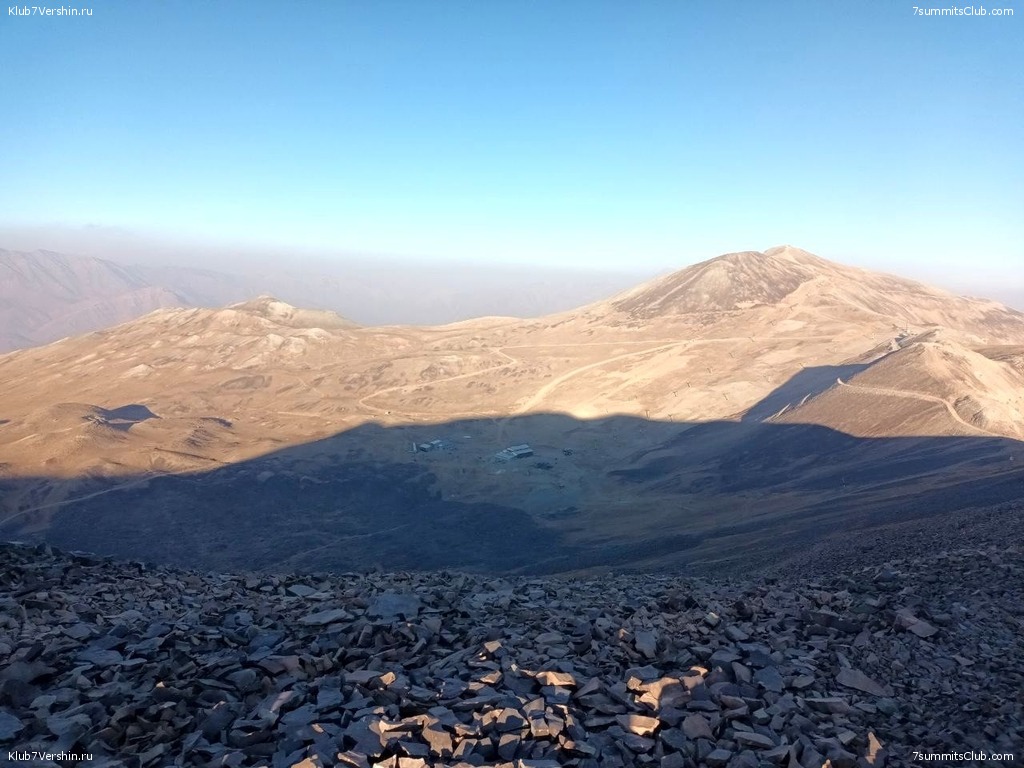
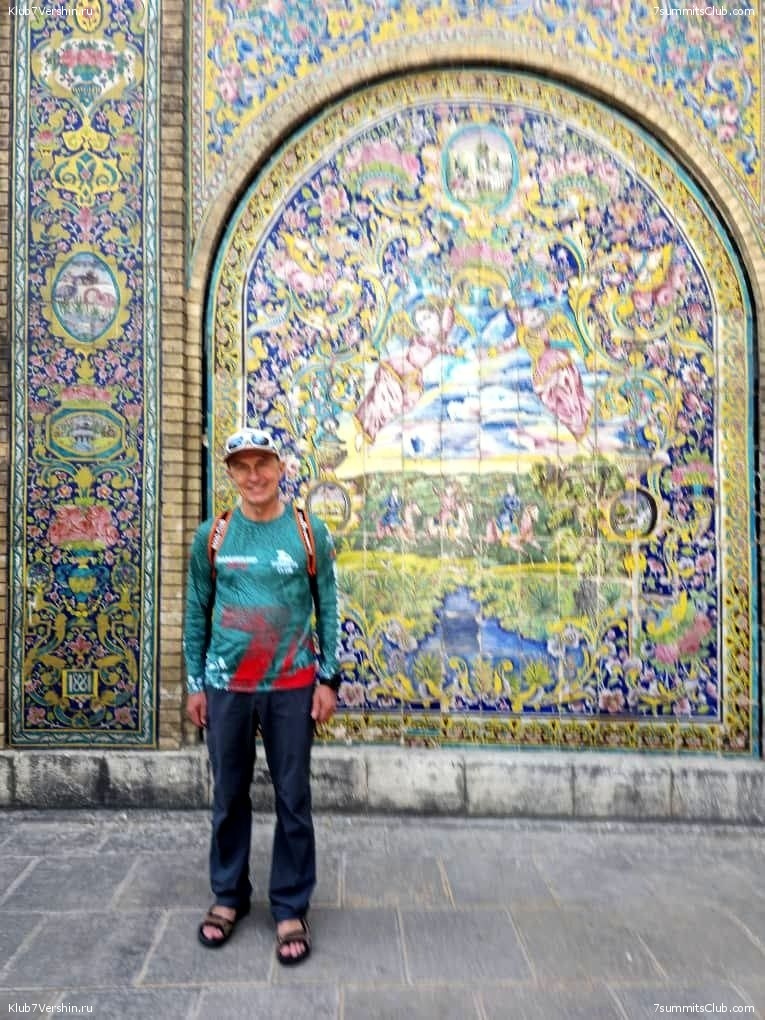
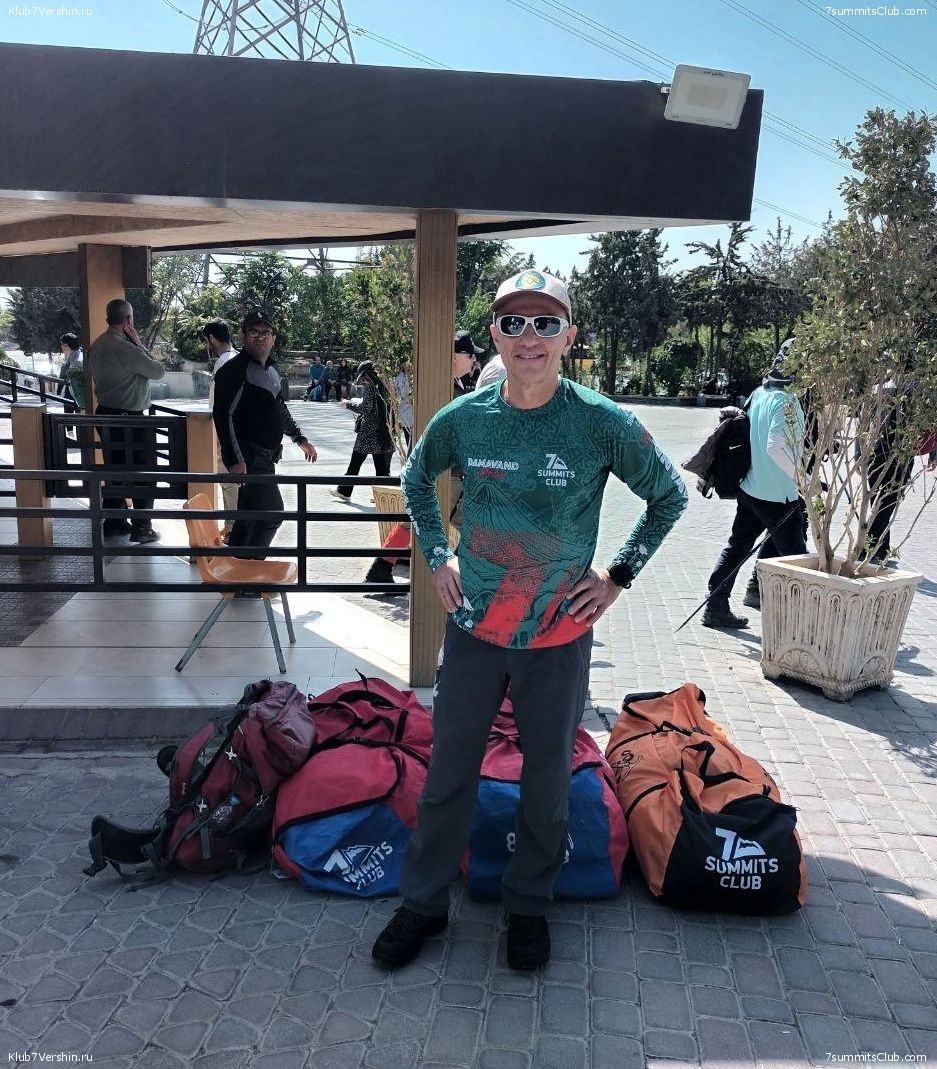
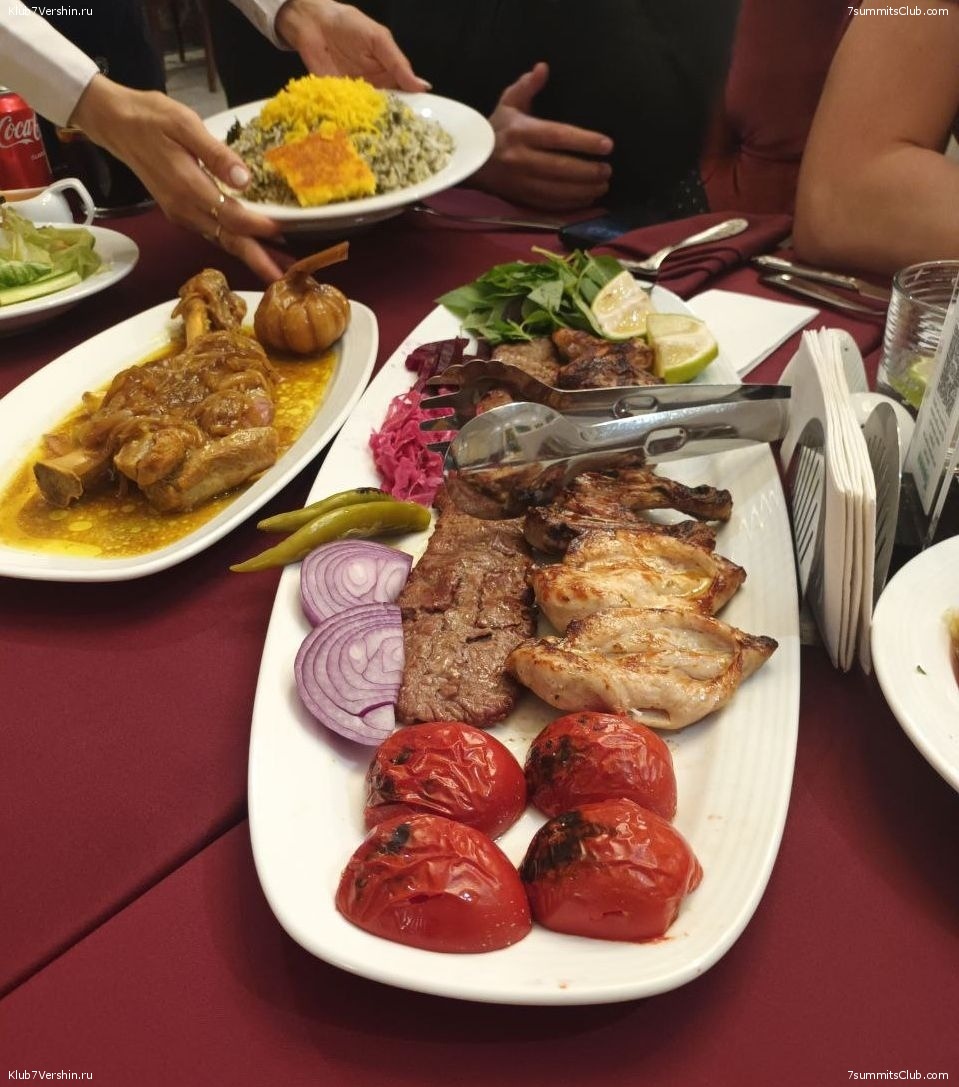
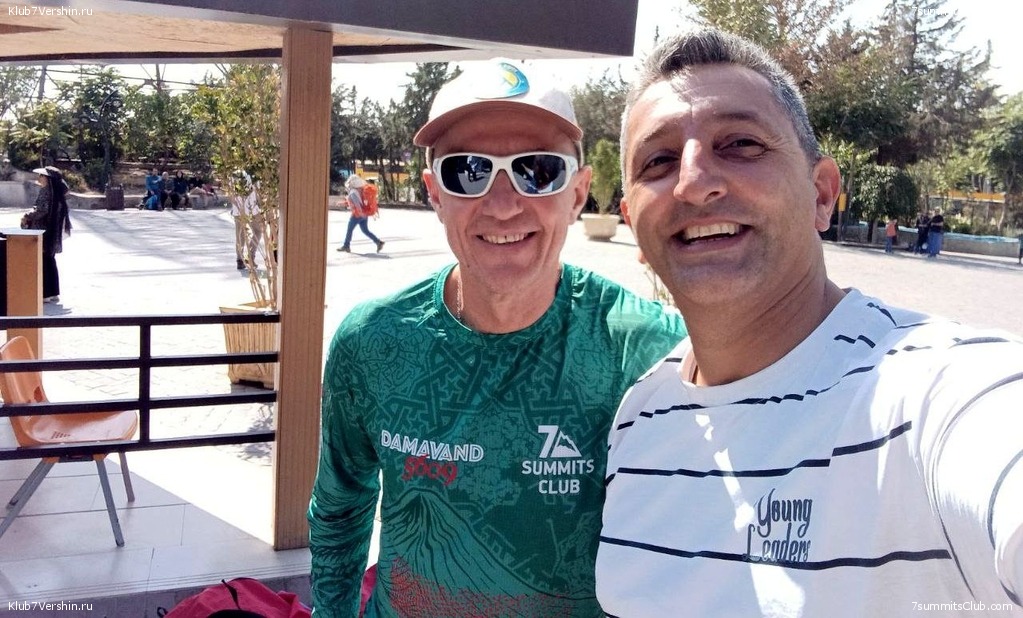
Greetings from Iran! Damavand unexpectedly invited us to visit in October. And we didn't refuse! And so, the group, appropriately named "October Children," began their program. Tehran is attractive and lively at any time of year, whether in July, September, or October. It's cooler now, of course, but that actually makes for a comfortable stay. Visiting the Golestan Palace, the Milod Tower, and buying souvenirs and pistachios—we managed all of that yesterday, in just the first day. And today, we've already ascended to the Tochal mountain hotel at 3,600 m, begun acclimatizing, and leisurely hiked to 3,850 m. Tomorrow, we plan to climb Tochal, the highest point in the region.
Tati Posokhina. Hunger Elbrus: the First American Woman to Climb Both Summits in a Row
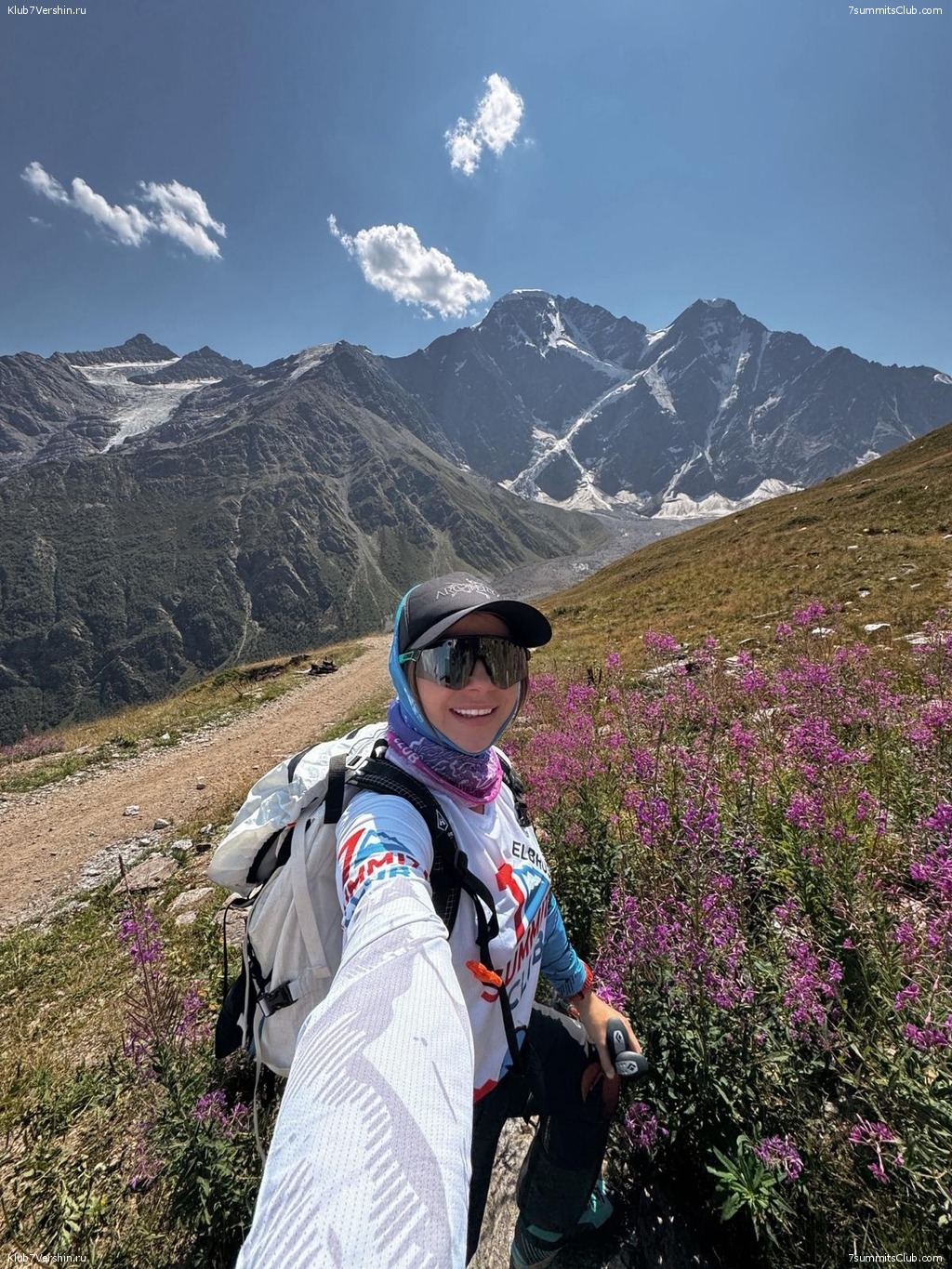
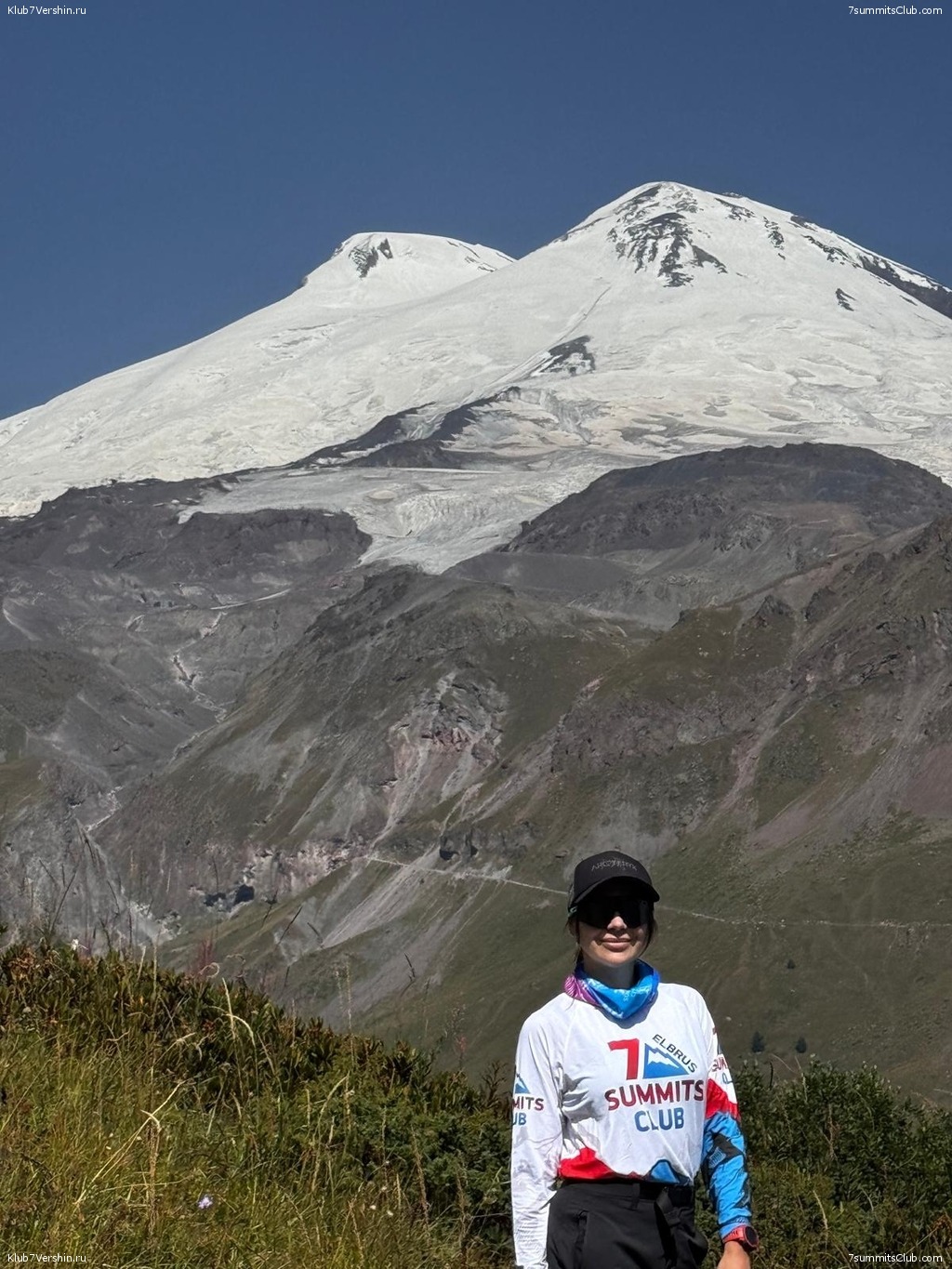
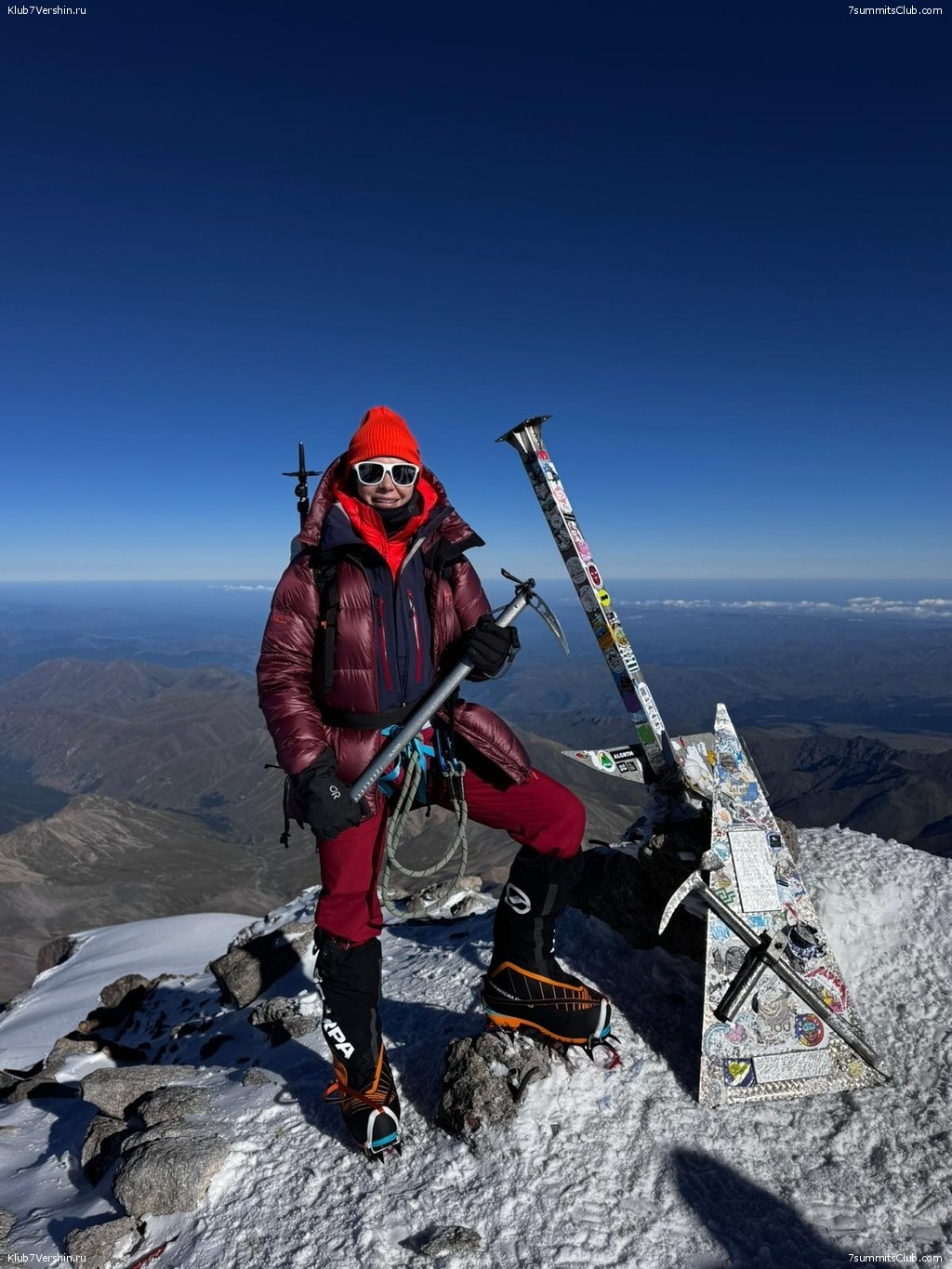
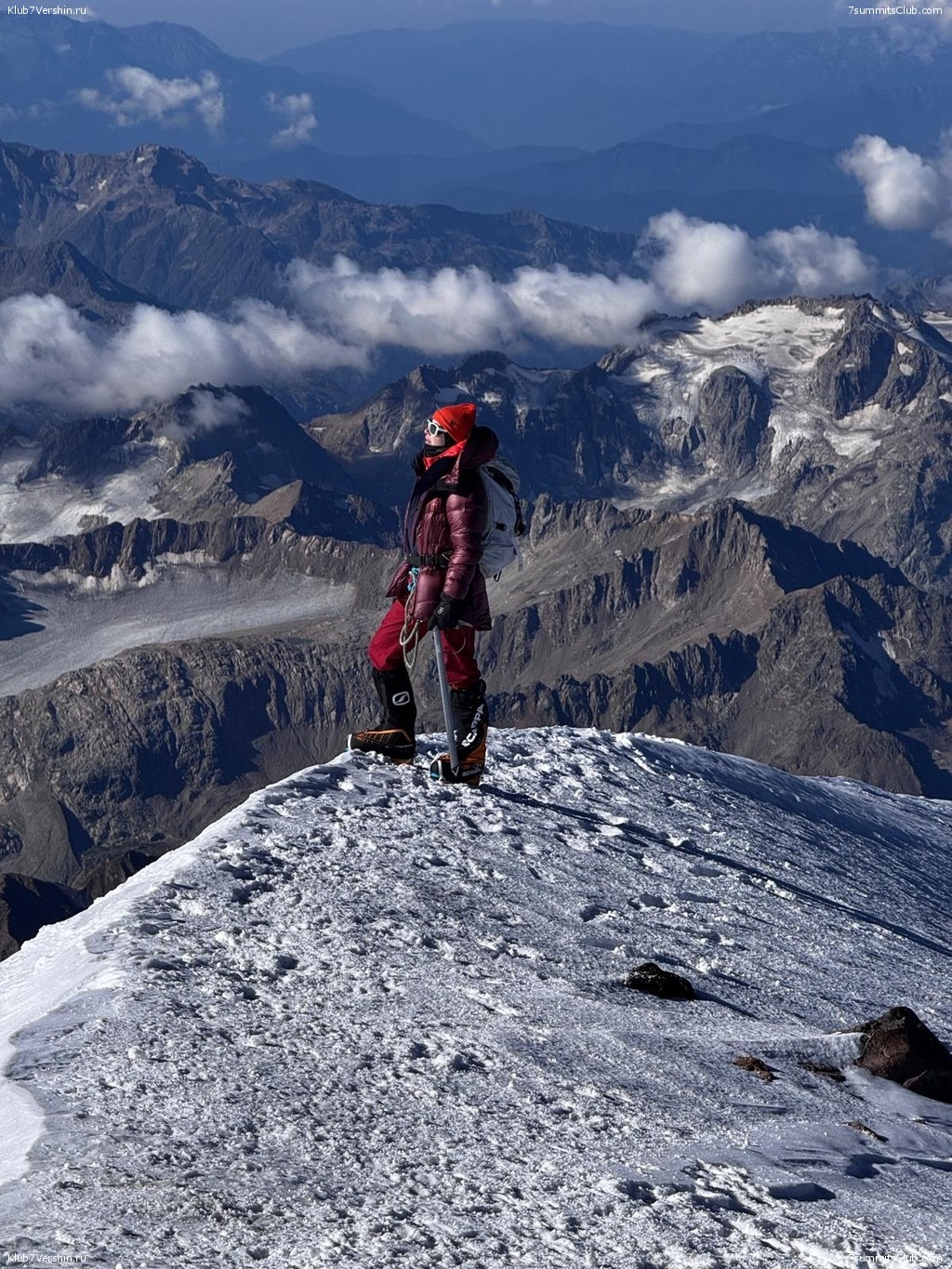
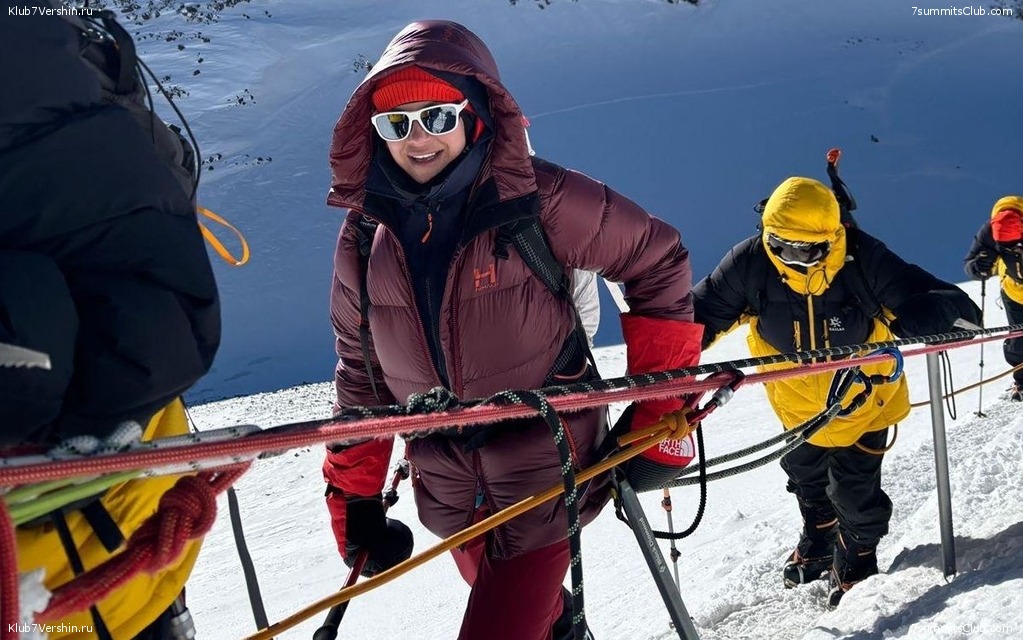
Mount Elbrus has always been a challenge — not only for physical strength, but also for willpower. In September, I decided to undertake an experiment: to climb both summits of Elbrus while completely fasting. Five days — only water, herbal ...
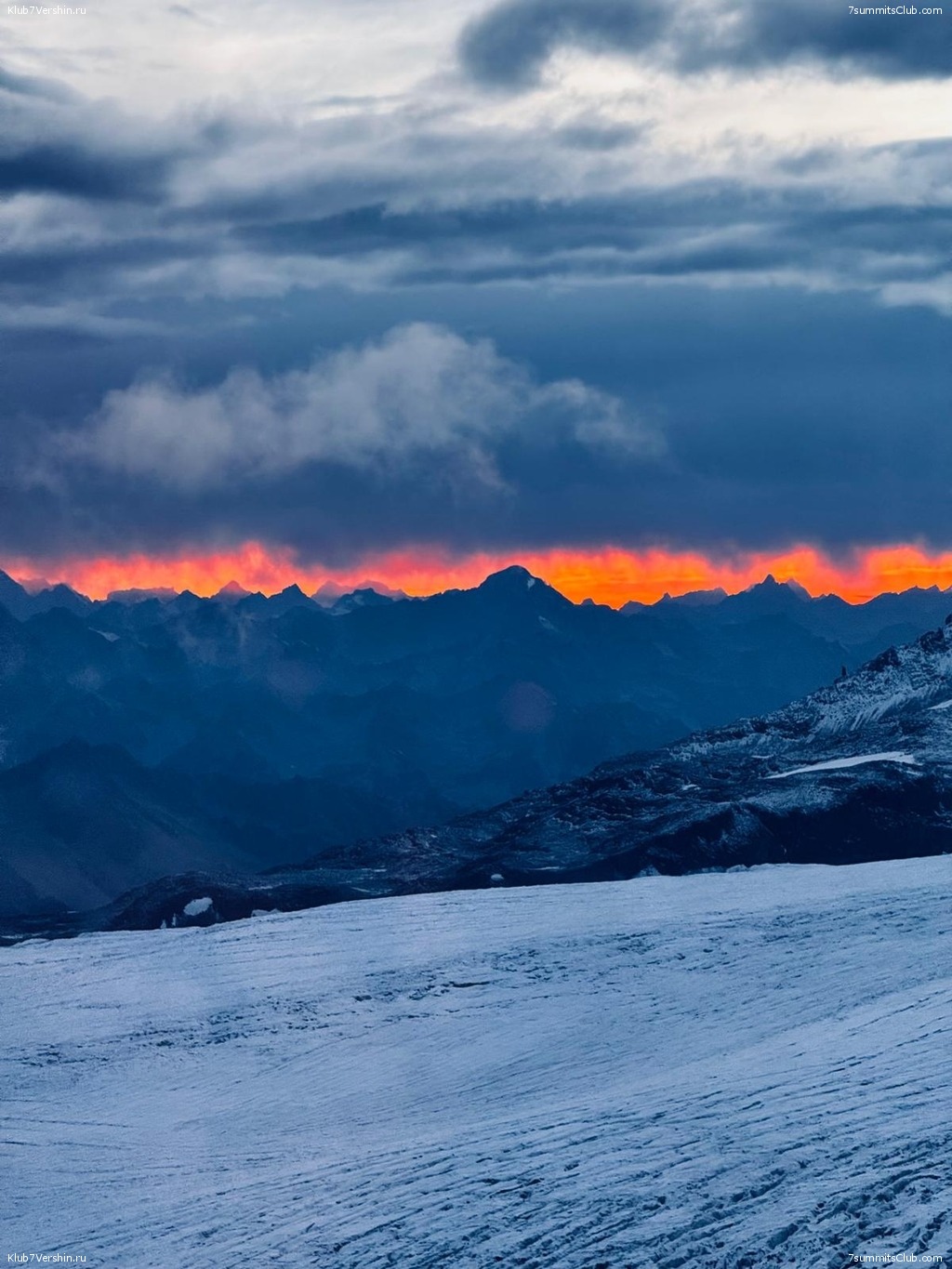
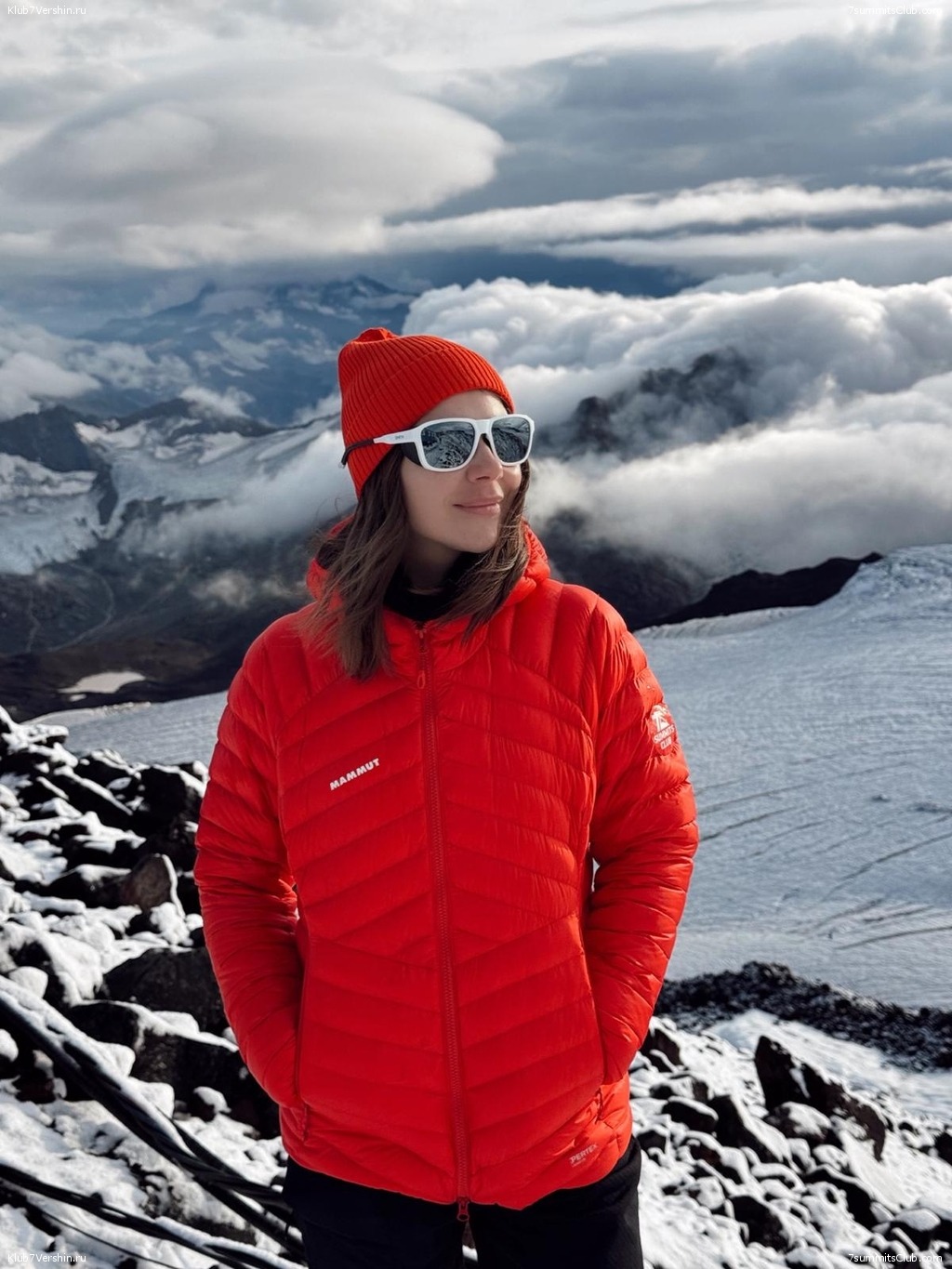
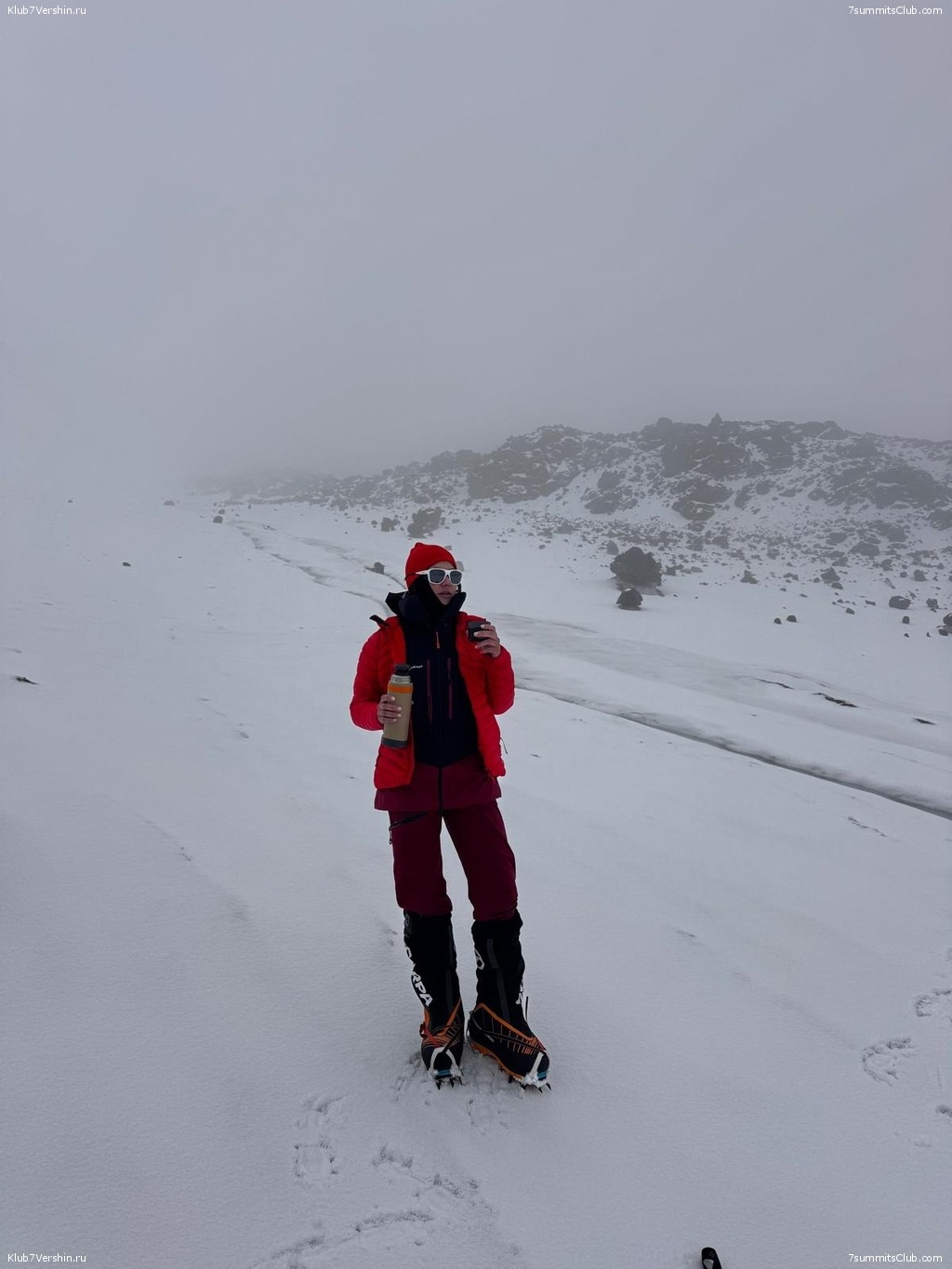
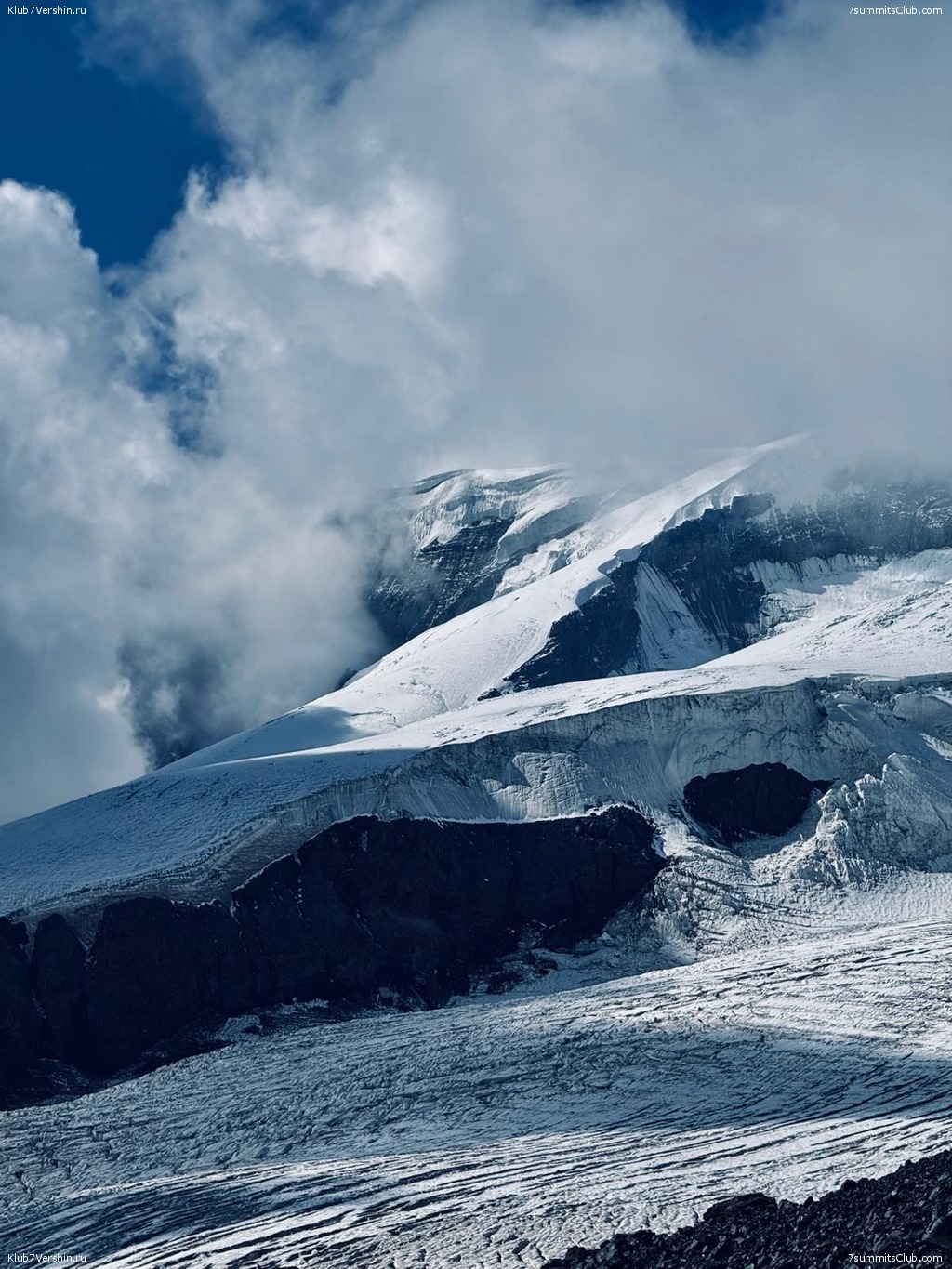
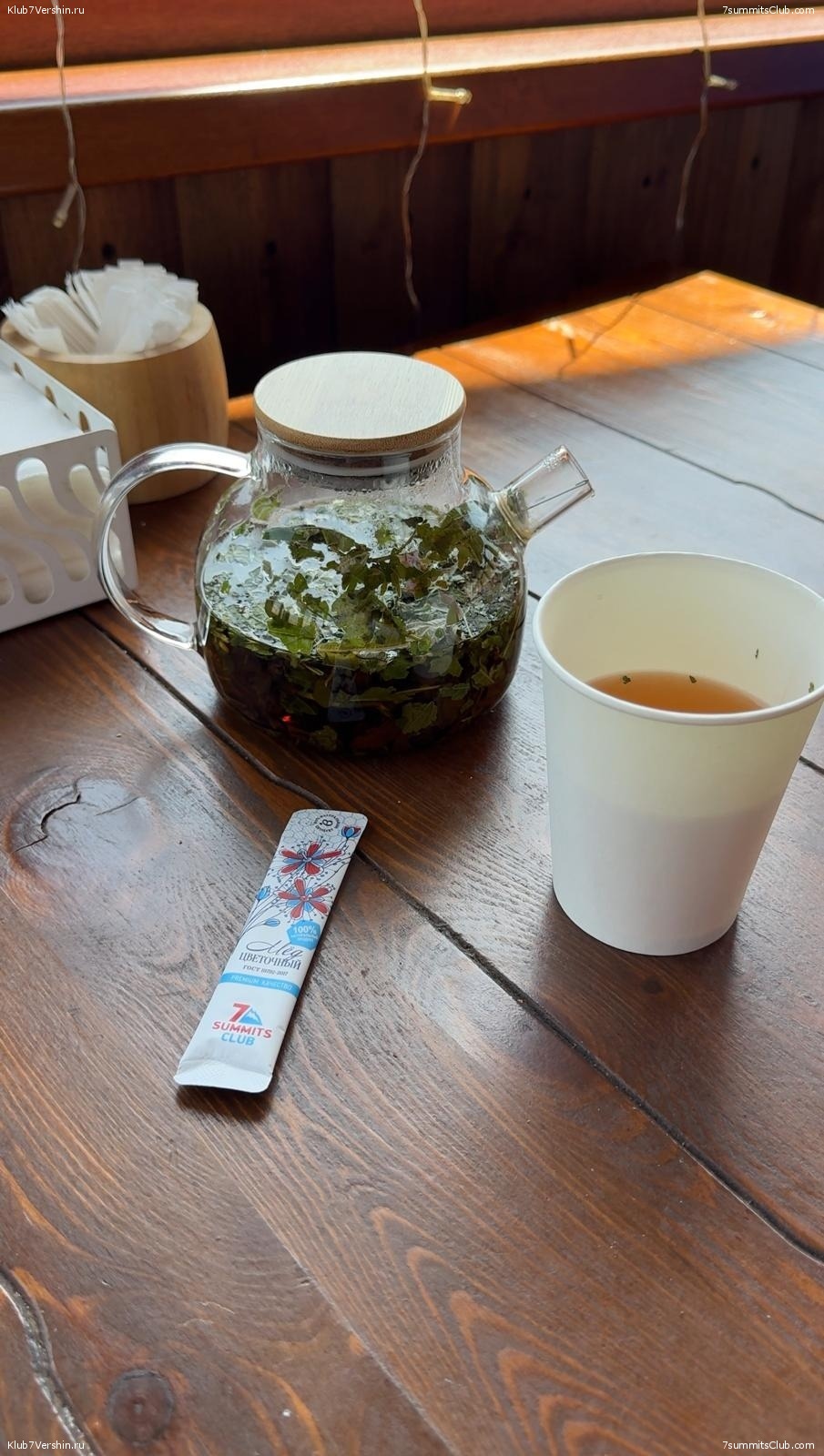
Mount Elbrus has always been a challenge — not only for physical strength, but also for willpower. In September, I decided to undertake an experiment: to climb both summits of Elbrus while completely fasting. Five days — only water, herbal tea, and a little honey.
The idea of a “hunger ascent” was not accidental. I wanted to test the possibilities of the human body, to better understand how the respiratory system works at high altitude, and finally to overcome my altitude sickness. In previous expeditions, I noticed that eating consumed too much of my body’s energy: digestion drained my strength, food pressed on my diaphragm, and breathing became harder. Without food, however, I felt the opposite — lightness, full and easy breathing, high oxygen saturation, and no headaches. This contrast became the key discovery of my experiment.
The idea was not reckless: Alexander Abramov, the founder of the 7 Summits Club, once carried out a similar experiment, reaching the 5,642-meter Western Summit, and his experience inspired me. Abramov supported my decision and gave me recommendations, while the leader of our expedition, Alexander Dorojukov, agreed to oversee my attempt.
Diary of the Hunger Ascent
Day 1.
A group of 20 participants gathers at a long table. Hot dishes, aromas, laughter. I sit with only a cup of tea and honey in my hands. Physically, there is little hunger, but the habit of “eating together” becomes the main temptation.
Day 2.
The body begins to adapt in the mountains. Breathing becomes easier, as if my lungs have expanded. Walking feels comfortable, energy is steady. Hunger only shows up when I look at others eating.
Day 3.
Oxygen saturation — 97. I feel clear-headed and energized. No signs of fatigue. The main struggle is mental: not with hunger, but with habit.
Day 4.
A rest day before the summit push. My mind is filled with thoughts of food. I dream of homemade dumplings. But my body feels strong, light, ready for the night climb.
Day 5. Summit Push.
Sleepless night.
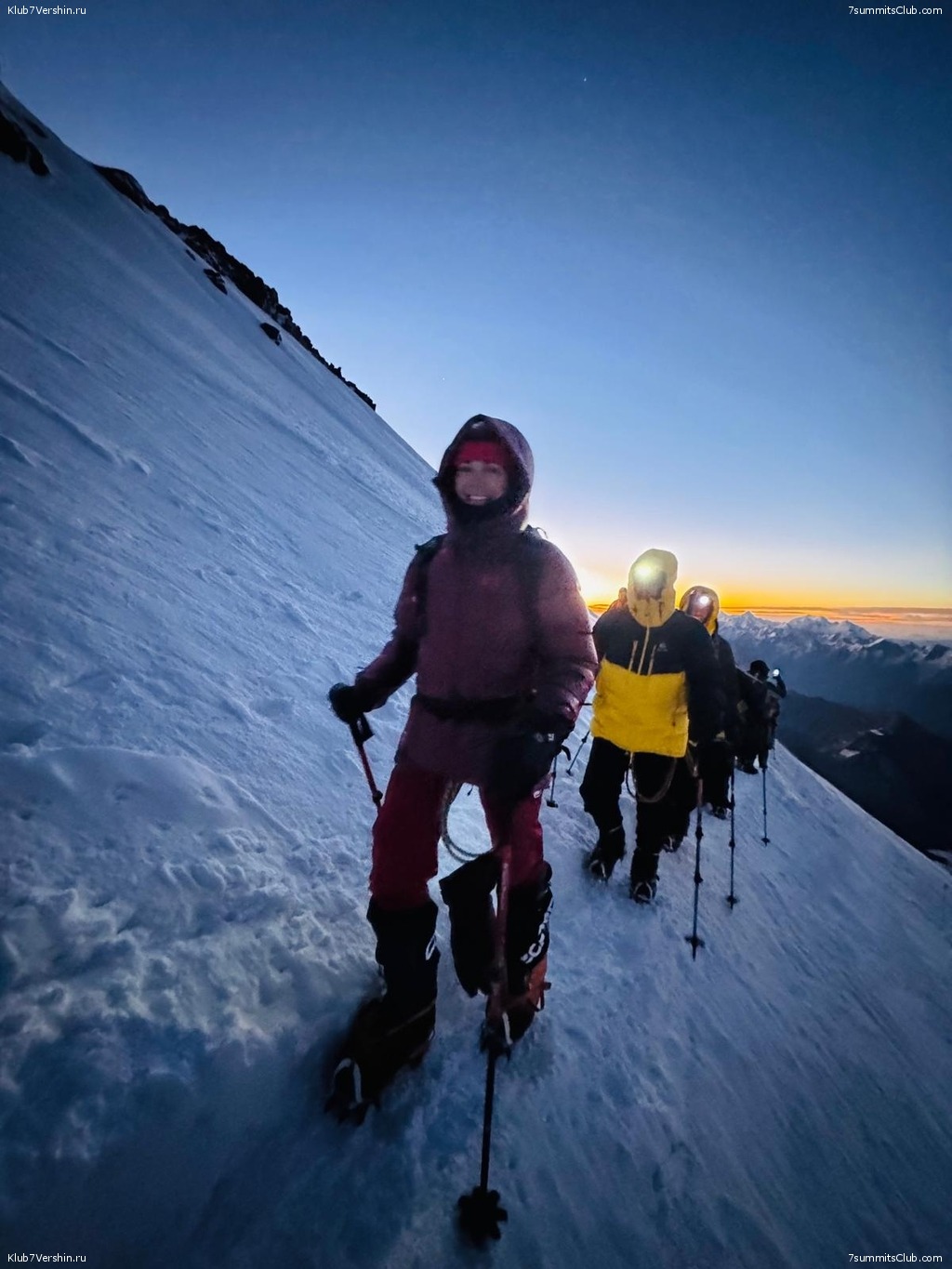
03:00 a.m. The start is slow because of groups ahead of us. This works in my favor: my body warms up gradually. Later the pace increases, and I feel incredible lightness.
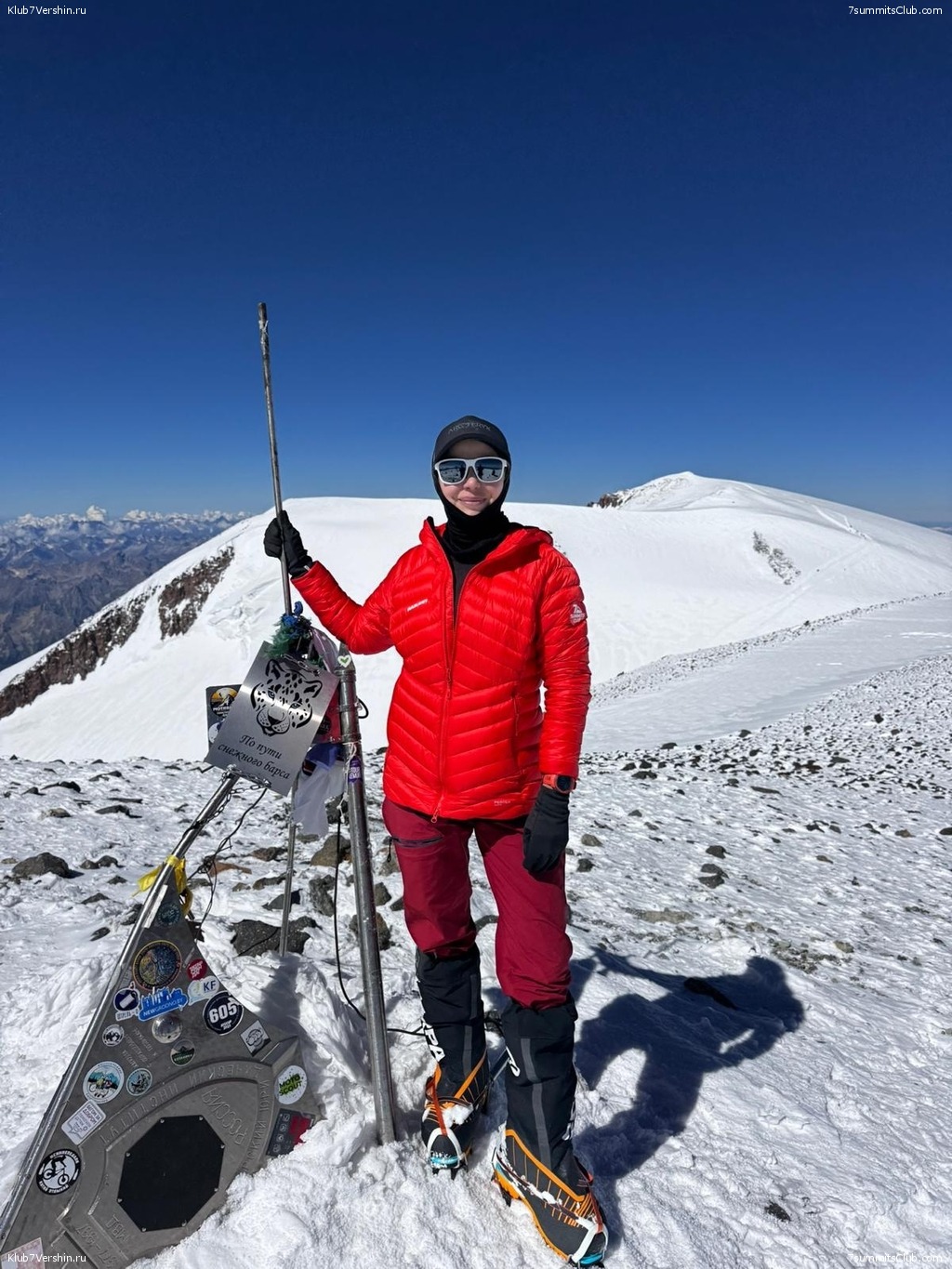
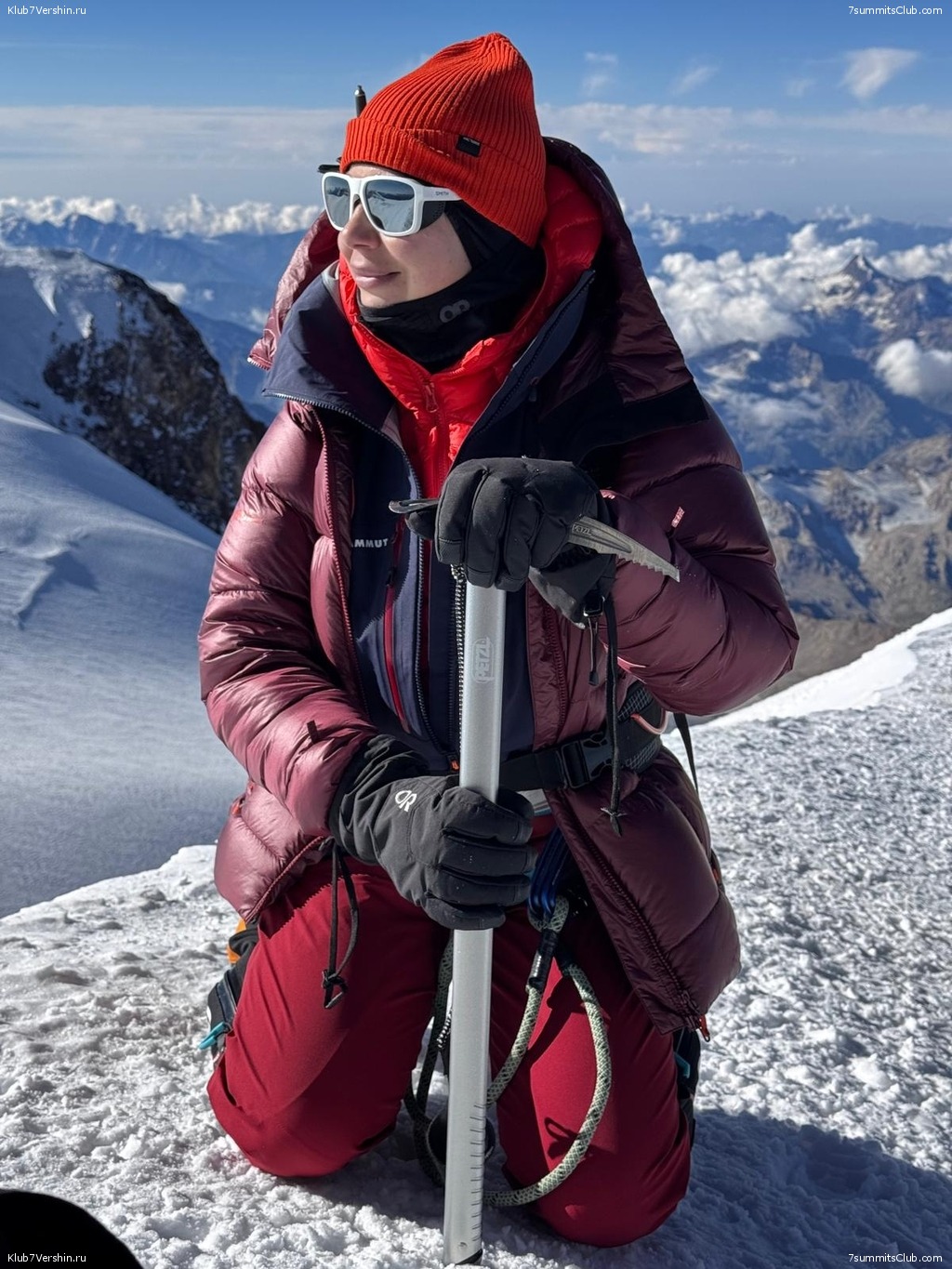
• Eastern Summit — 5,621 m. Oxygen saturation — 96, which is a personal record (normally at altitude my readings were only 85–90).
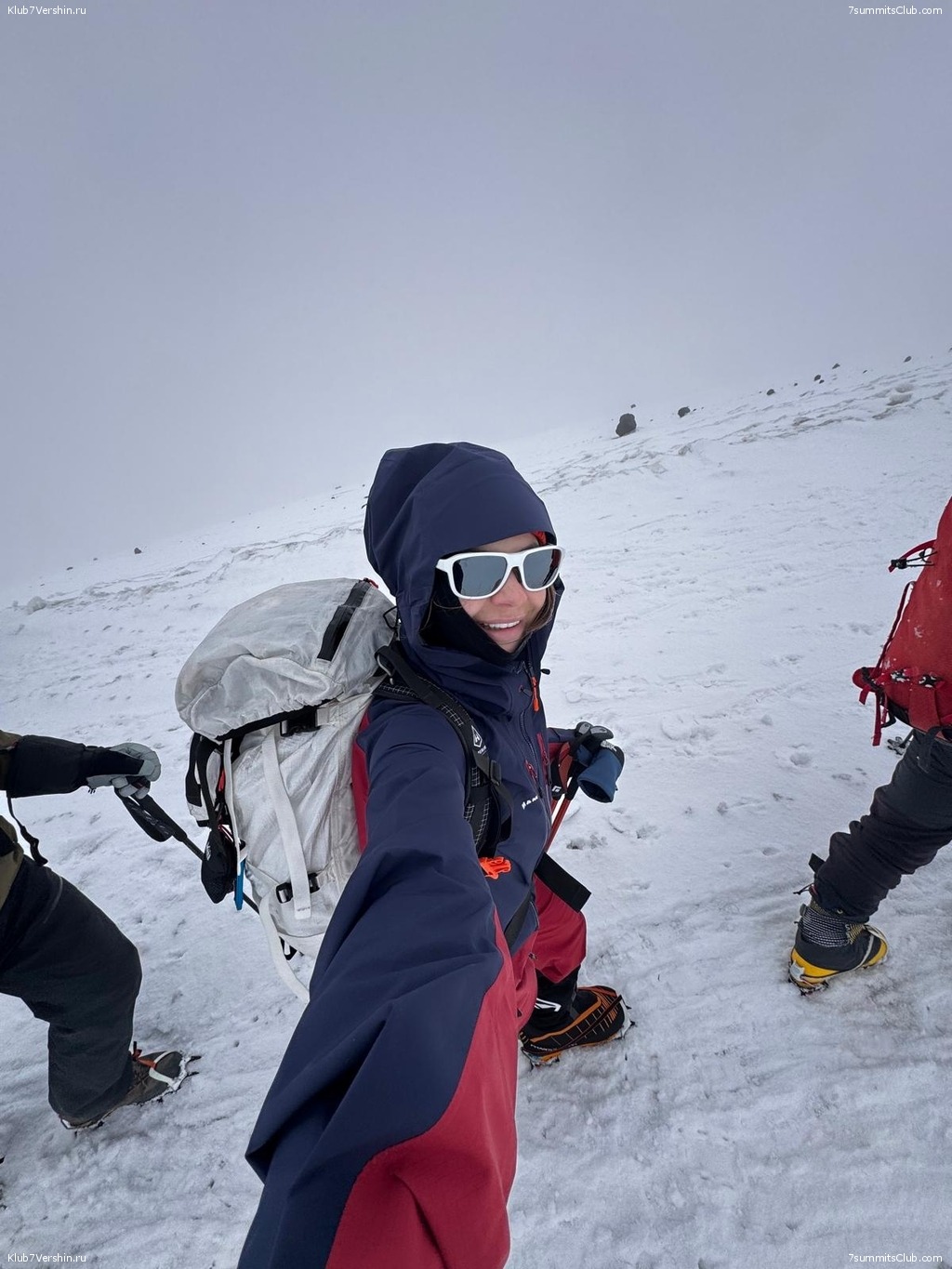
• Western Summit — 5,642 m. The traverse took 1.5 hours, including a break for rest and changing clothes.
Not a single sign of altitude sickness: no headache, no weakness. My lungs breathe freely, and I am full of energy.
Experiment Results
• Complete absence of altitude sickness.
• Clear breathing and ease of movement.
• High oxygen saturation (96) at the summit.
• No fatigue or muscle pain, even after the climb.
• Plenty of energy, mental clarity.
• The body coped without any medication, vitamins, or supplements.
Achievement
I became the the first American woman to complete a hunger ascent of Elbrus, reaching both summits in a single push.
The greatest result for me: I finally overcame my “altitude sickness.” For many times it had ruined my expeditions, lowering my oxygen saturation and forcing me to retreat. Several pulmonary edemas, reanimation. But here, on Hunger Elbrus, I proved to myself that I could go farther and higher.
Conclusion
This hungry experiment was not just a sports record, but a way to unlock new possibilities of the human body. Elbrus showed me: strength does not always come from feeding the body — sometimes it comes from freeing it instead, and trusting its hidden reserves.
Facts About the Ascent
• Mountain: Elbrus (Caucasus, Russia)
• Summit altitudes:
• Eastern Summit — 5,621 m
• Western Summit — 5,642 m
• Summit push start: 03:00 a.m.
• Traverse time between summits: 1.5 hours (including rest and clothing change)
• Oxygen saturation at summit: 96
• Nutrition: water, herbal tea, honey
• Additional: no medication, vitamins, or supplements
• Unique feature: first female hungry ascent of both Elbrus summit.
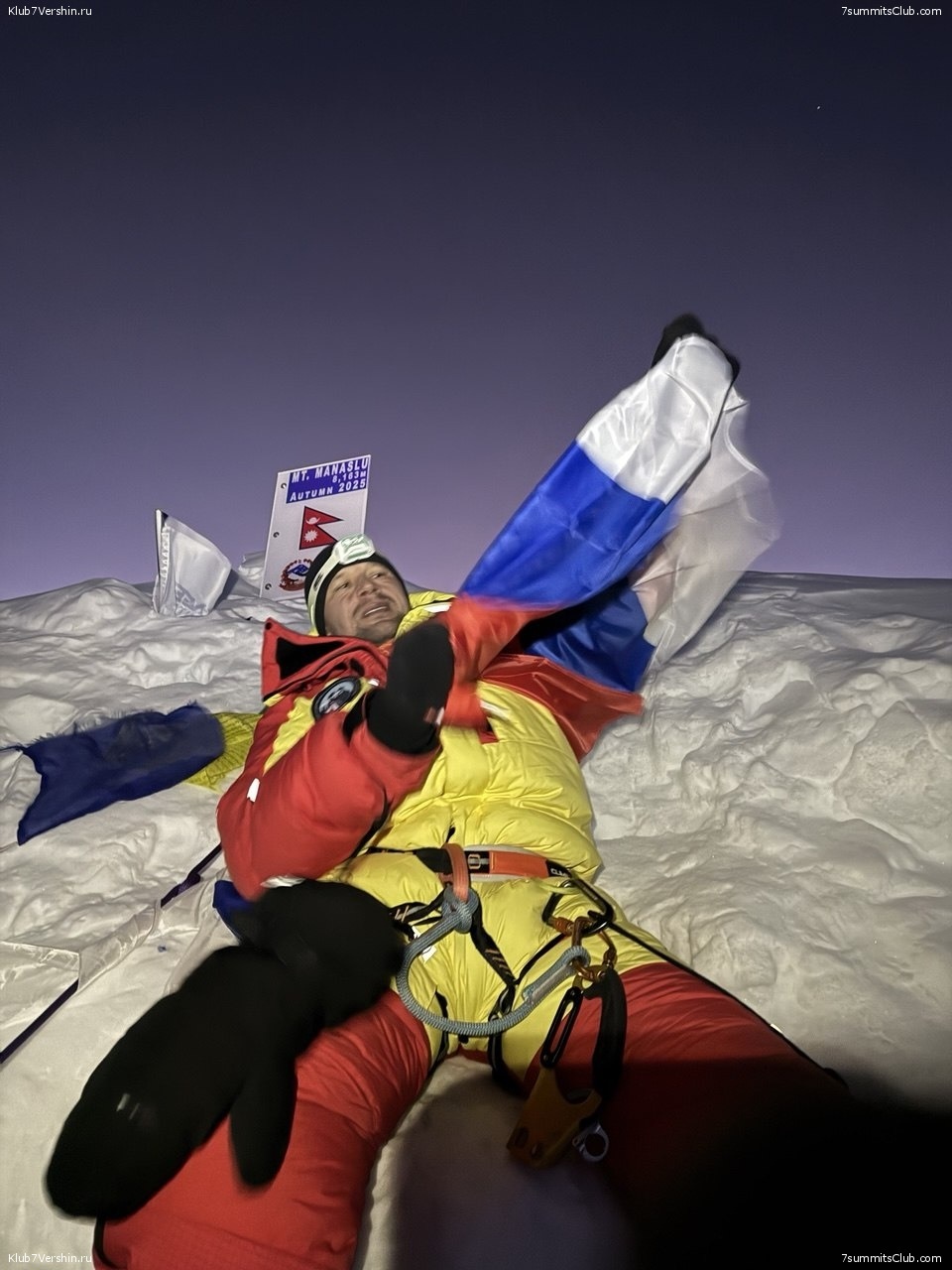
Dmitry Pilshchikov. Manaslu in 5 Days: An Experience Not to Be Romanticized
Manaslu.
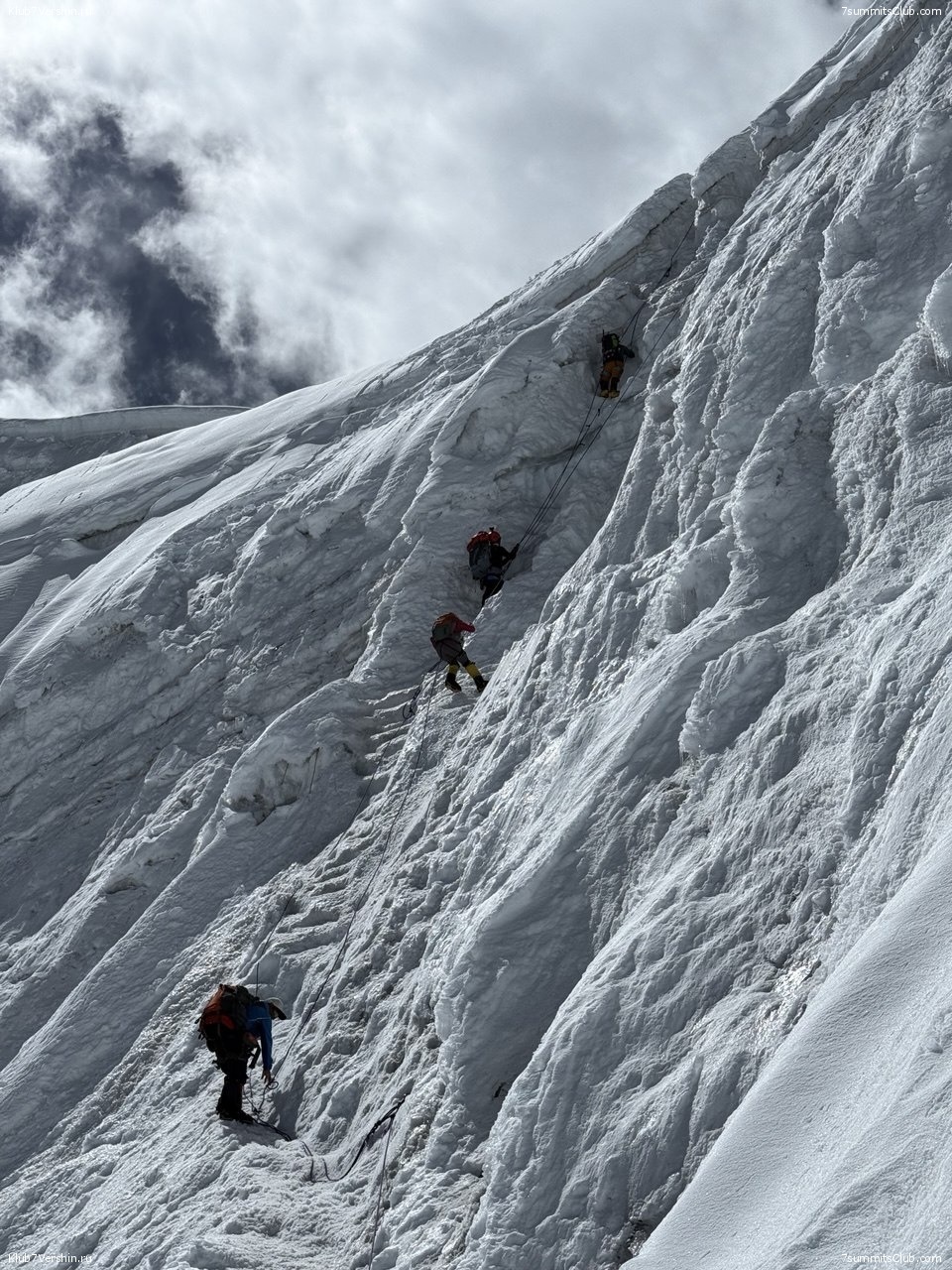
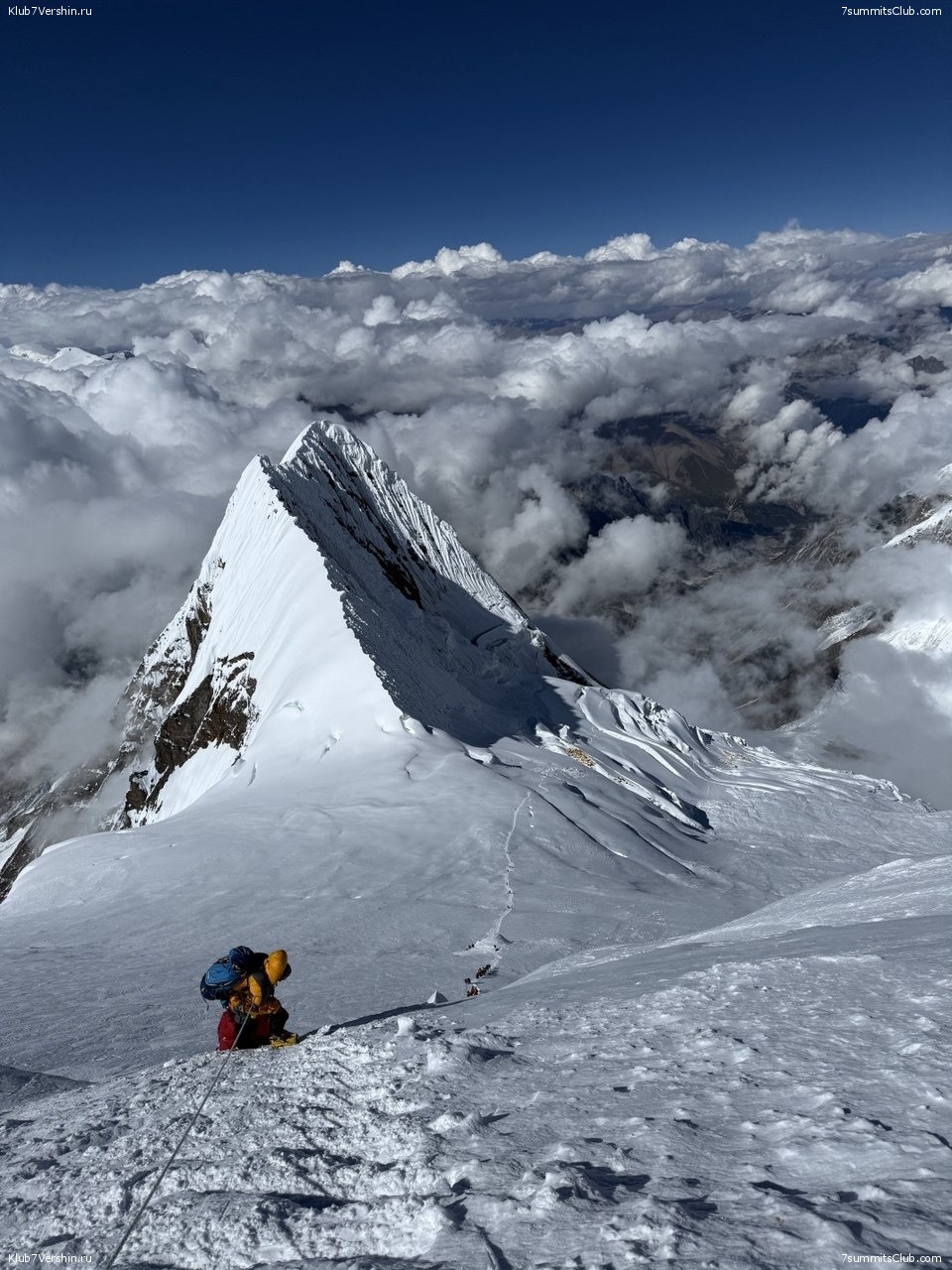
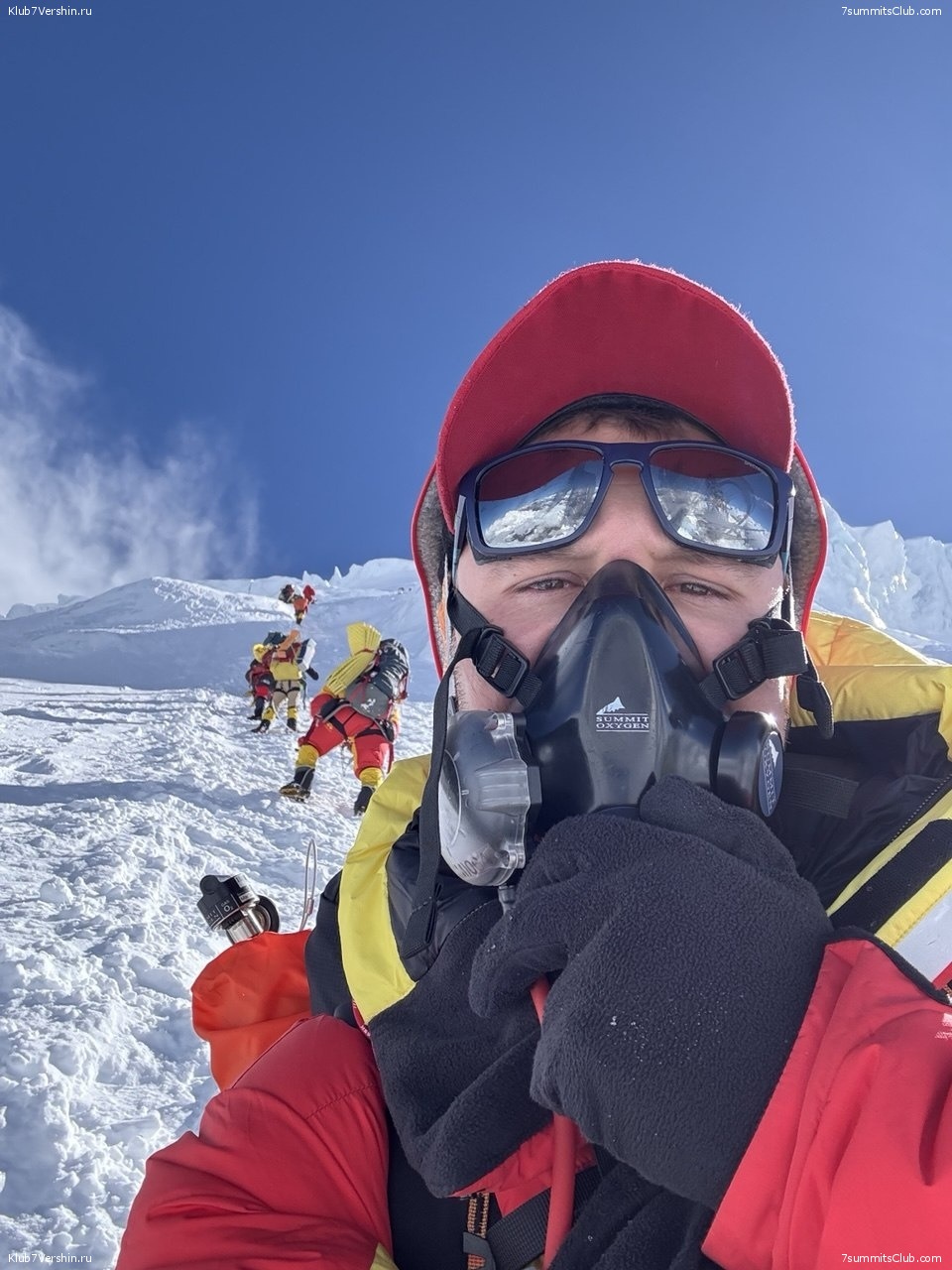
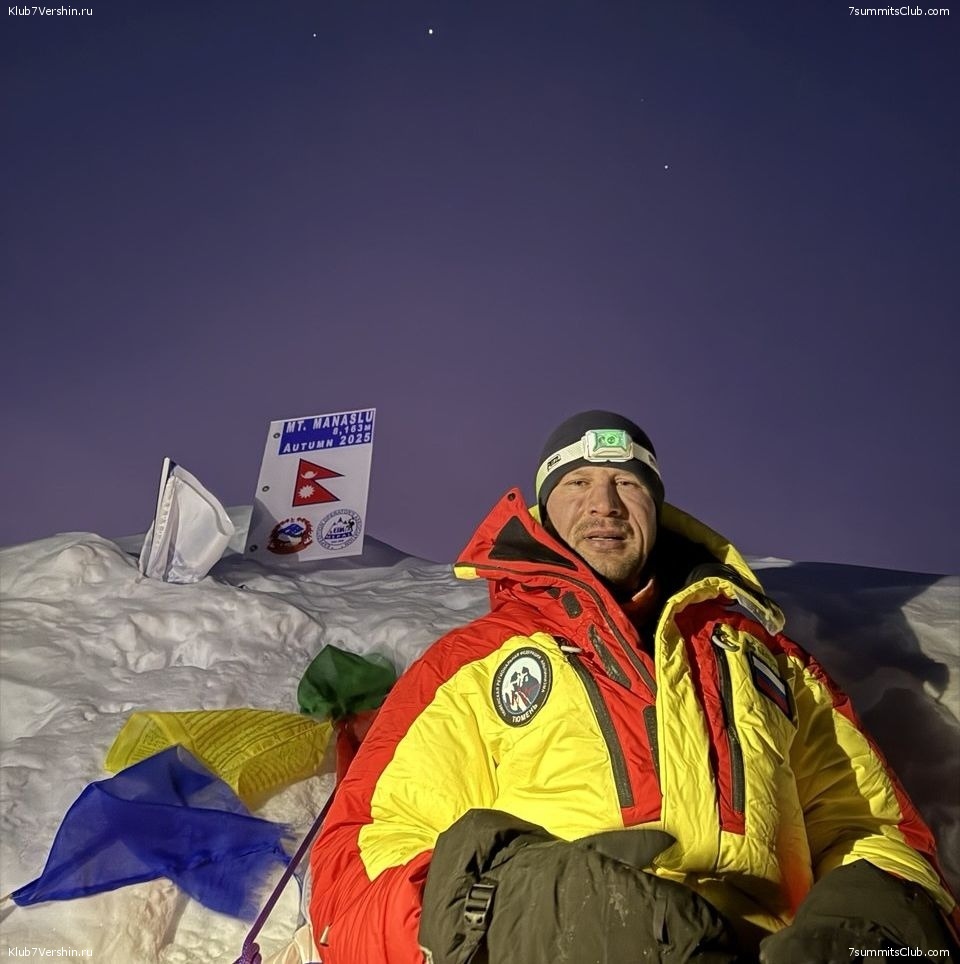
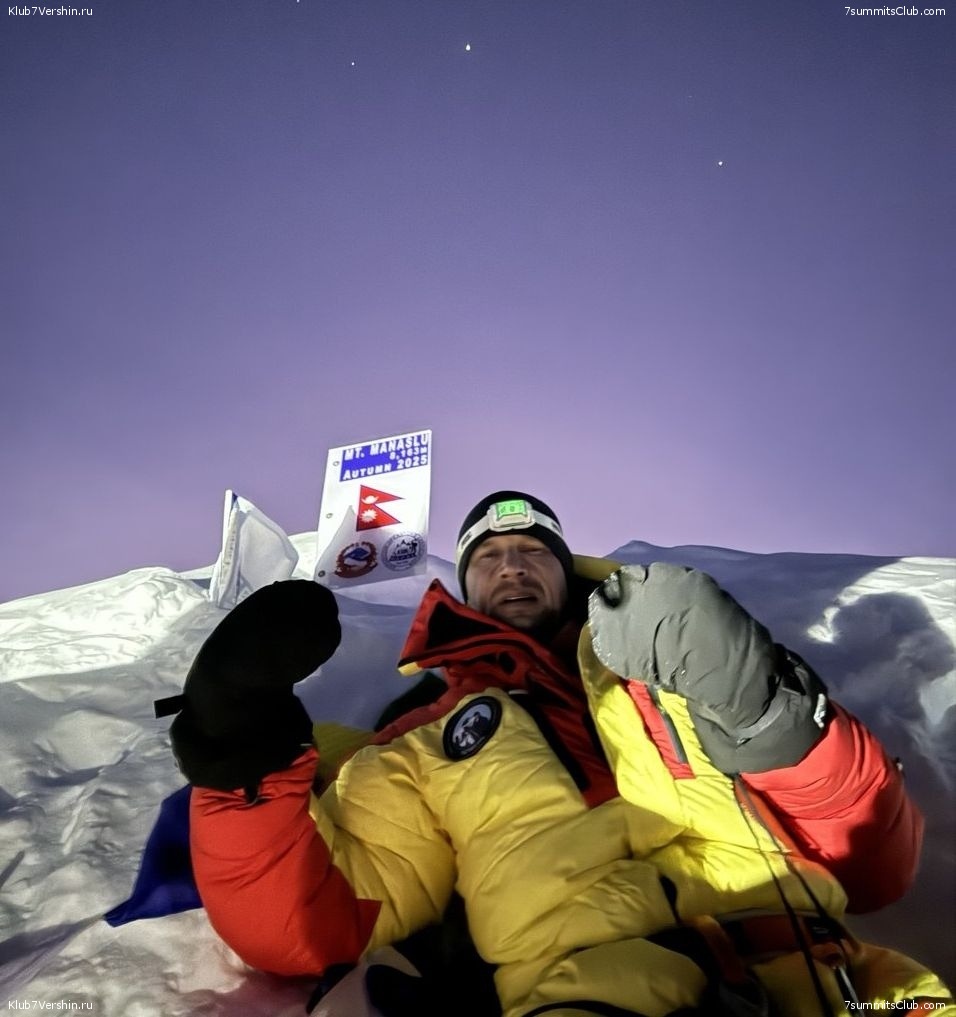
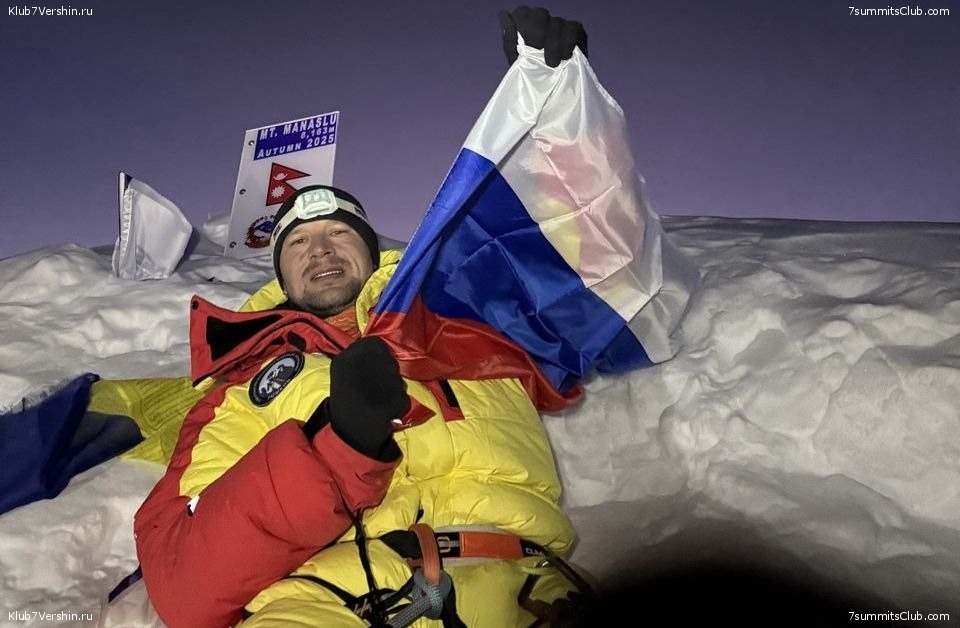
I arrived at Manaslu Base Camp on September 20th. On the 22nd, I started, reached the summit at 5 a.m. on the 25th, and returned to Base Camp that evening.
The expedition took five days instead of the planned 25. I wasn't chasing speed—it ...
I arrived at Manaslu Base Camp on September 20th. On the 22nd, I started, reached the summit at 5 a.m. on the 25th, and returned to Base Camp that evening.
The expedition took five days instead of the planned 25. I wasn't chasing speed—it just happened that way.
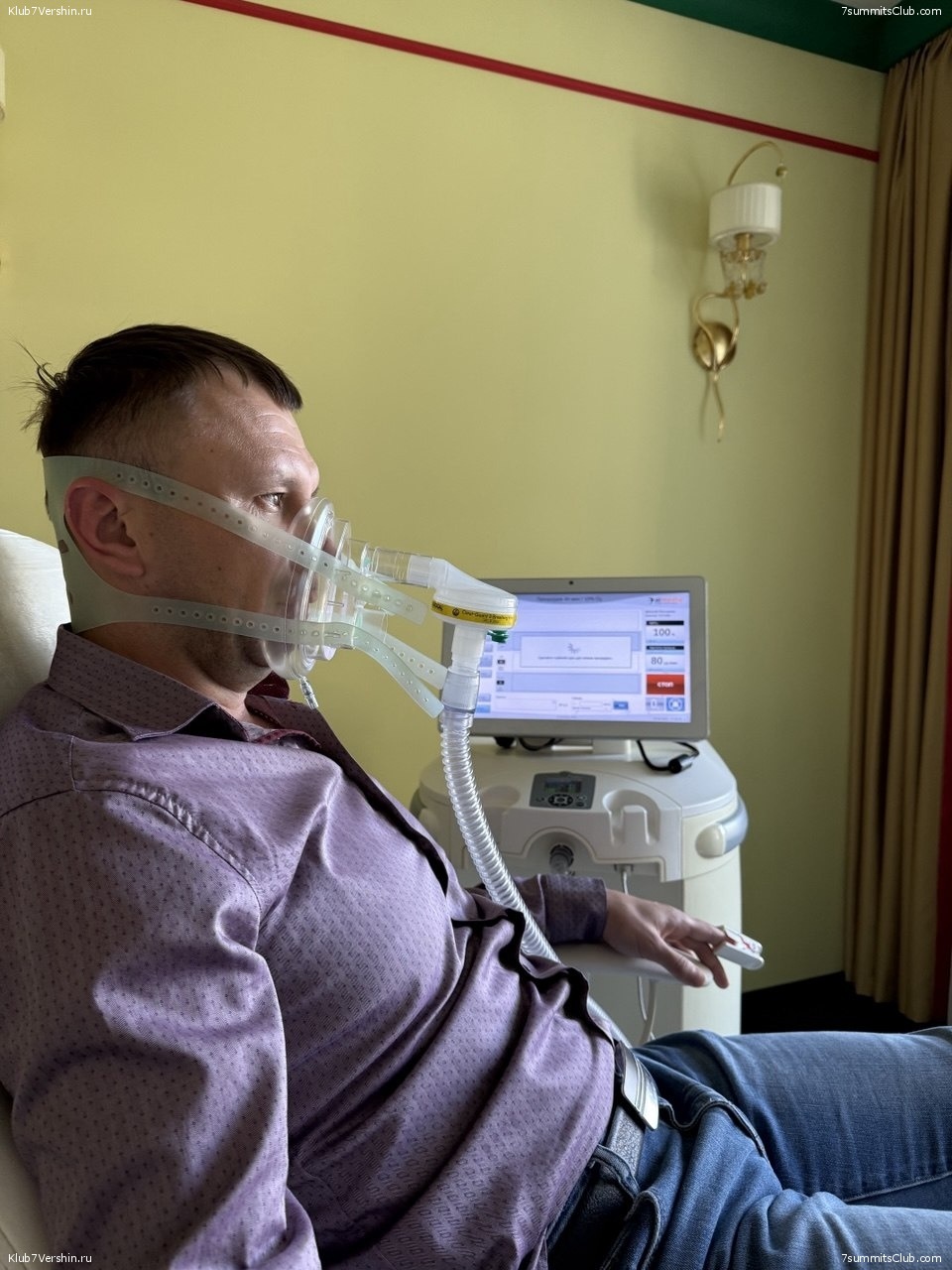
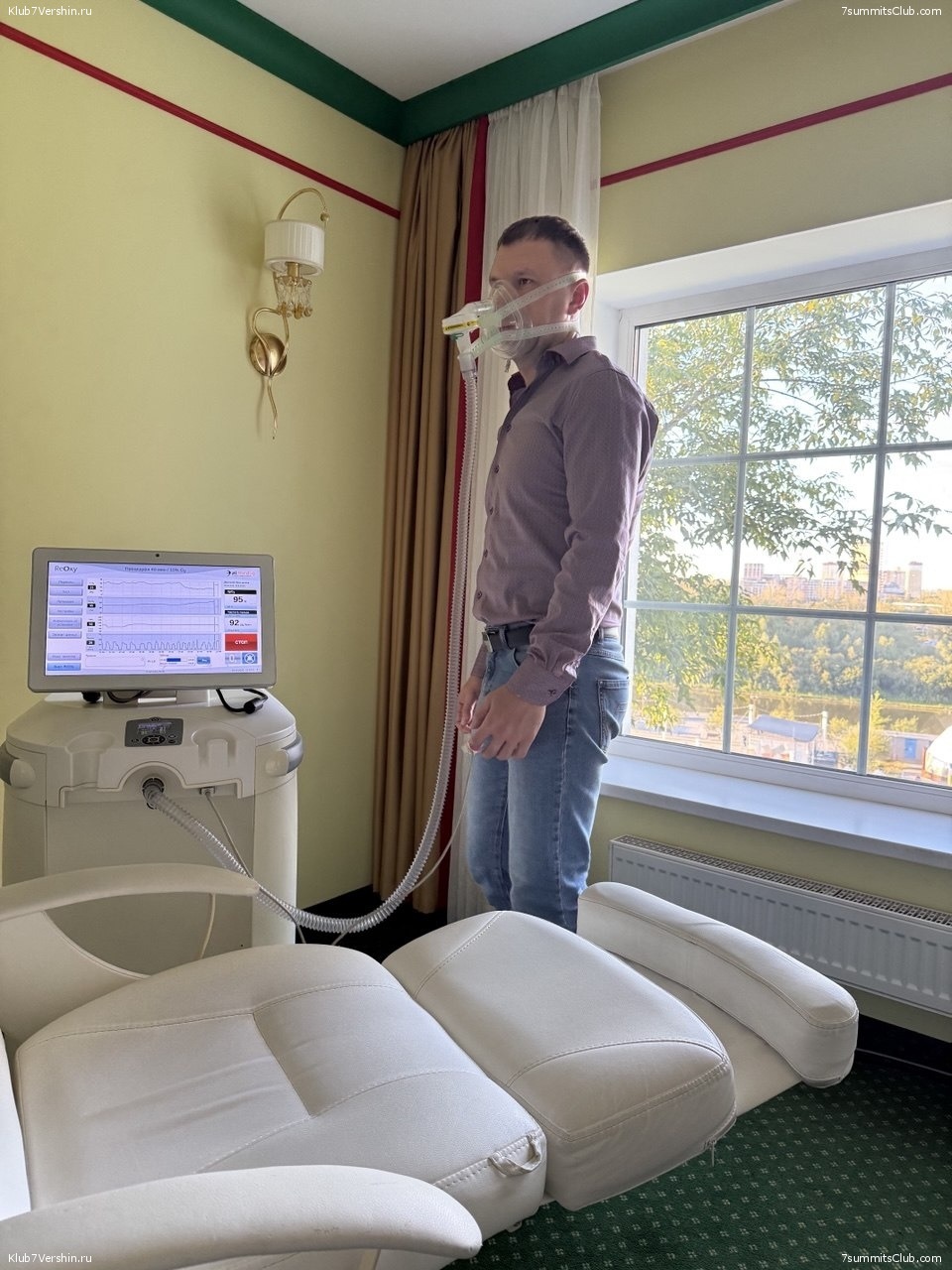
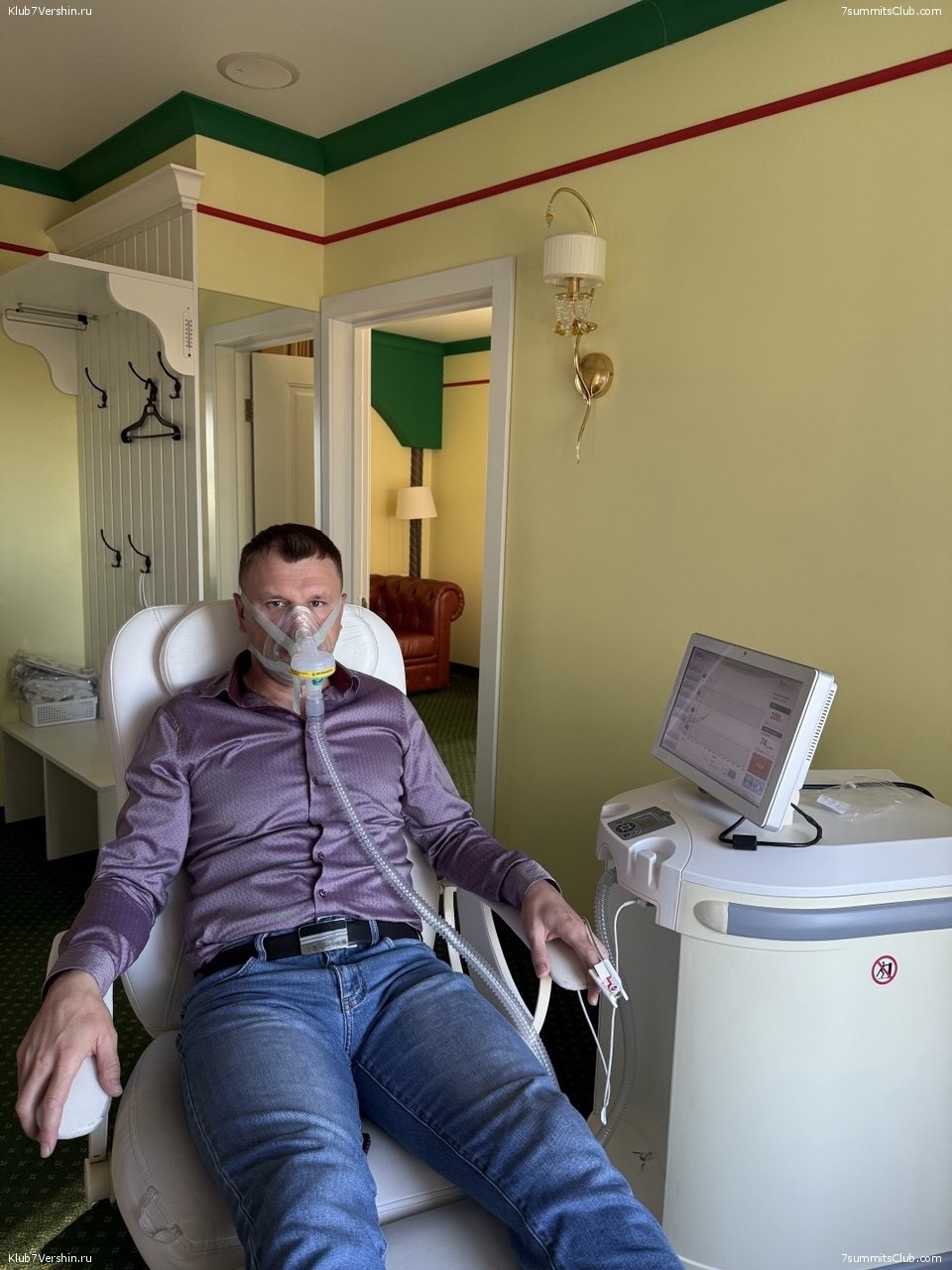
Lukas Furtenbach (his team made the first "xenon ascent" of Everest in the spring) even congratulated Abramov on "being the first Russian xenon ascent"—me. I did undergo a short xenon therapy course, but I didn't feel any "extra boost." Not because xenon is bad. But because I set out on an eight-thousander without acclimatization and without training specifically for the speed format. I summited and descended—but at what cost, that's another story.
I'll share a few conclusions.
1. Speed for the sake of speed is a dubious goal.
Yes, 25-30 days in the mountains is too much. People have time to burn out, get sick, or lose motivation. But the "arrived in three days, didn't really see anything, but spent two months preparing" scenario isn't mountaineering, it's a competitive race.
A healthy format for the future is 10-15-20 days. This is enough time to:
• switch from city life,
• rest your mind,
• communicate with people,
• experience the mountain, not just check in.
An expedition isn't just about the summit. It's about the process, the atmosphere, rest, adaptation, and experience. Sacrificing all this for a pretty number is foolish.
2. The shorter the expedition, the higher the cost of failure.
The classic format has a safety margin. You can arrive with a runny nose, lack of sleep, and a busy schedule—and gradually adjust. Recover, complete your treatment, reset your biorhythms, and get into the rhythm of the mountains.
With the speed option, there's no such leeway. You either arrive already "cleansed" of the city noise, or you're overcome along the route. This is especially true for entrepreneurs and managers—the body is preoccupied not with the mountains, but with thoughts of tasks and problems.
3. A true speed climb is expensive and energy-consuming.
If someone thinks they can simply "run an eight-thousander," they're mistaken. To climb quickly and safely, you need:
• 1.5–2 months in a hypoxic tent,
• regular consultations with doctors,
• hypoxic training at specialized centers,
• xenon (expensive and not yet fully understood),
• adjusting your sleep, nutrition, and recovery schedule.
For a busy person, this is disruptive and requires a serious budget and a significant investment of time. It's not something you can "do in between times."
4. How it really happened for me.
I went without acclimatization. I climbed "on pure willpower." And it was probably the most difficult experience of my life—and I've had my share of challenges.
Everything suffered:
• my body,
• my muscles,
• my internal organs,
• my psyche.
I thought about all the unpleasant things, felt fear, anger, and doubt. The pain didn't go away even after the descent. This isn't romanticism, it's not heroism—it's the price for being unprepared.
You definitely shouldn't do this!
5. Oxygen: the main conclusion.
I usually walk at a faster-than-average pace. But here it quickly became clear: I was failing. My heart rate skyrocketed, and I needed two inhales and two exhales for every step. The oxygen was supposed to arrive from Camp II, but I asked for it a little earlier. It felt better, but not critically so. The standard flow rate calculated for acclimatized people isn't enough – more is needed!
Key takeaways:
• With a high-speed format, oxygen may need to be turned on from Base Camp;
• Standard flow rates aren't suitable for someone without acclimatization;
• The faster the ascent, the more oxygen is needed.
What I think in the end:
Super-fast ascents only make sense in exceptional cases – record-breaking, sporting, or individual. Making a new standard out of this is dangerous.
The near future, as I see it:
• expeditions will be shorter,
• but not absurdly so,
• without physical and mental harm,
• with normal recovery,
• with life in camp, not rushed.
10-15-20 days instead of 25-30-40 is a realistic, healthy format for amateur climbers. It will make eight-thousanders more accessible and interesting, without burnout or consequences. But the shortening should be thoughtful, not a fad.
If my experience teaches anything, it's this: you can climb quickly. The question is, at what cost and for what purpose.